




Antique Pegged Table
An antique pegged table brings solid timber construction and centuries of utilitarian design directly into modern rooms.
Antique Pegged Table
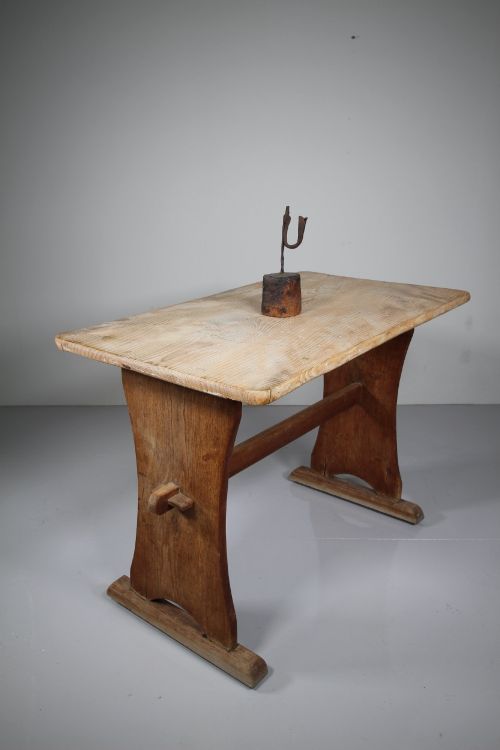
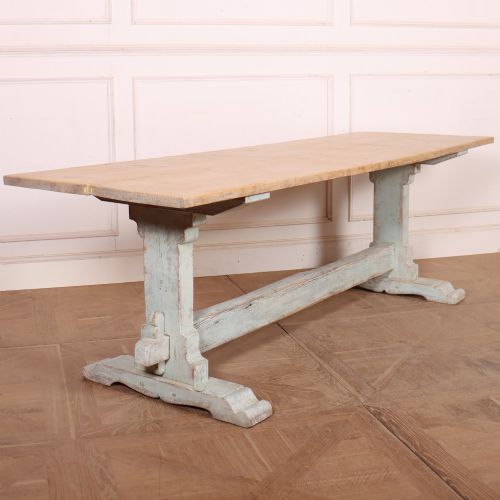
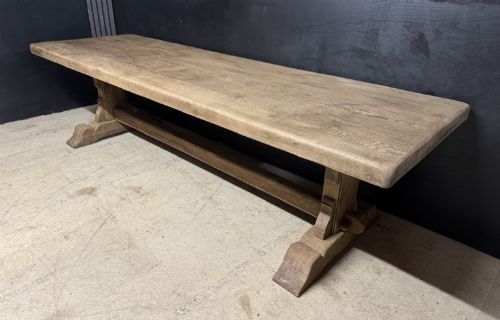
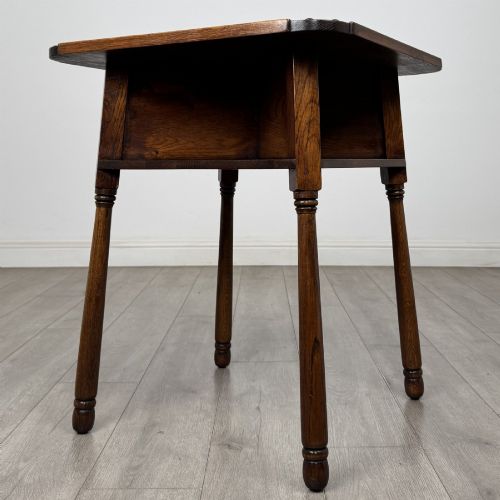
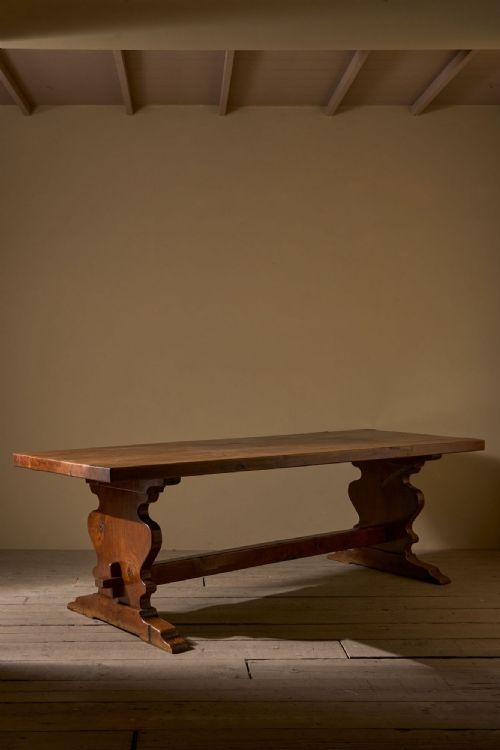
An antique pegged table covers sturdy oak refectory dining boards, low farmhouse tables, and smaller side pieces constructed with visible wooden joinery. These utilitarian surfaces span from the seventeenth century through the Georgian and Victorian eras into the early twentieth century.
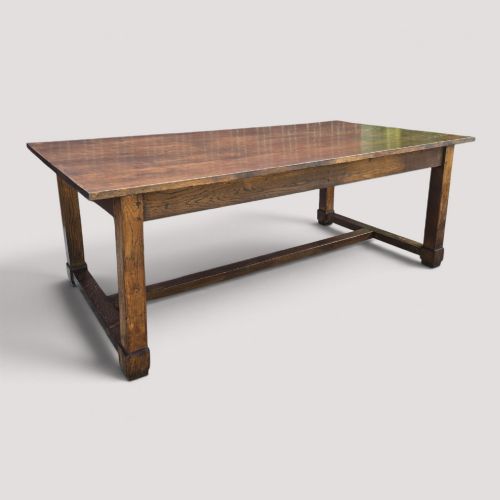
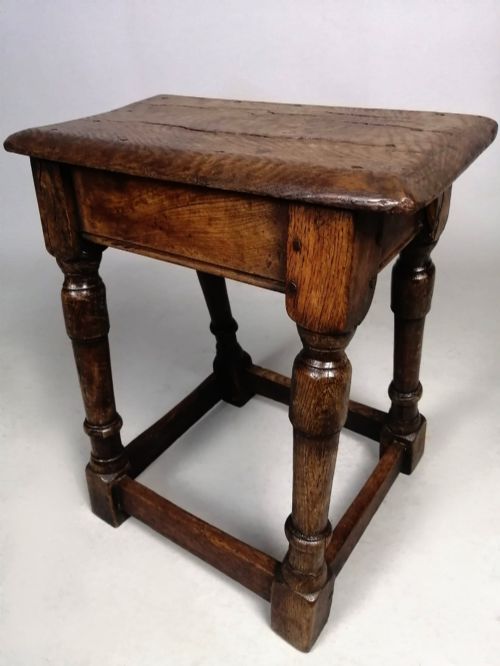
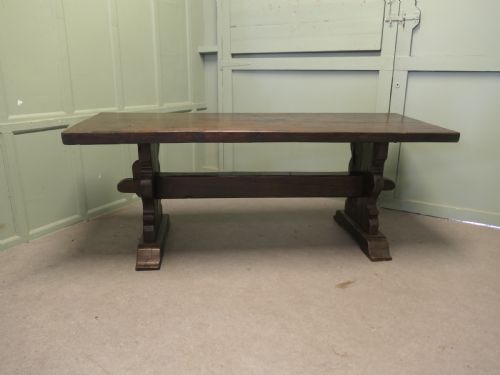
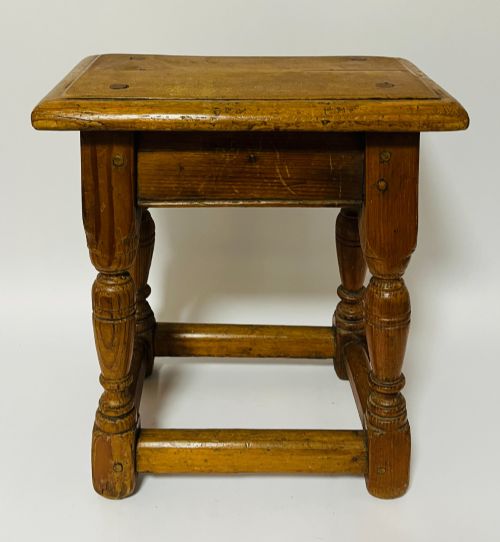
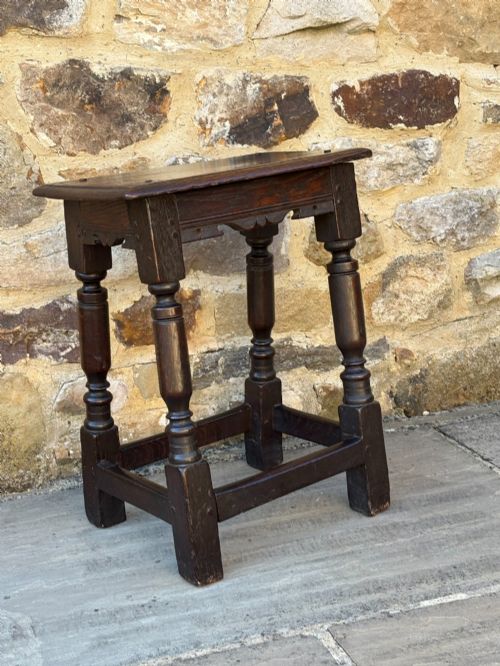
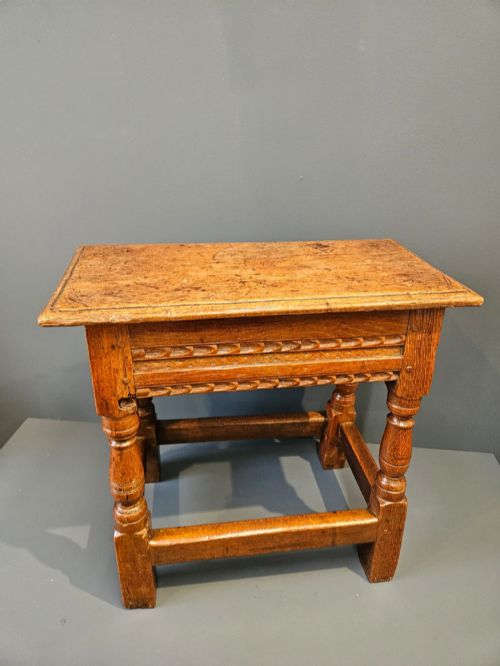
The version most commonly encountered on this page is the substantial oak farmhouse or refectory dining table, often featuring heavy plank tops and stretcher bases. Alongside these larger boards, buyers frequently meet smaller seating forms such as joint stools and low coffee tables sharing the same pinned construction.
Construction and Materials
These pieces rely primarily on solid English and French oak, alongside occasional pine, shaped and joined using traditional timber framing methods. Carpenters secured mortise and tenon joints by driving wooden pegs straight through the timber connections for permanent strength.
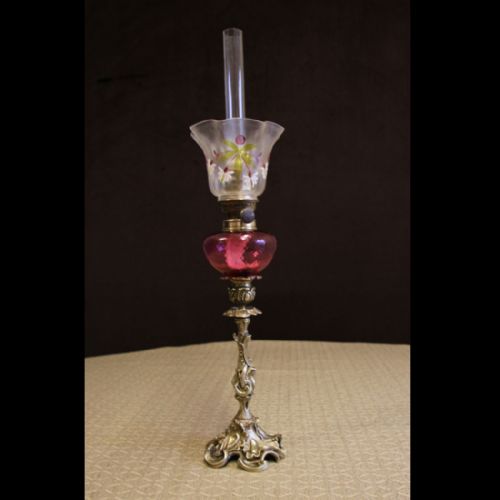
Surfaces demonstrate the natural grain of solid oak and pine, sometimes altered by bleaching or years of heavy domestic use. Secondary materials appear in related items such as brass, glass, and silver plate on specific lighting fixtures.
Antique Pegged Table Retail Price Guide 2026
Typical asking prices for pegged table among the pieces listed under this phrase on Sellingantiques today, from the lower quarter to the upper quarter. They describe what is for sale here now, not the wider market.
Listings span seventeenth-century styles through the Victorian era up to 1920, predominantly featuring solid oak and pine.
Evaluating Quality
Quality rests in the integrity of the original timber framing and the proportion of the assembled boards. Heavy refectory and trestle bases showing uniform patination and minimal structural alteration stand apart from pieces with replaced planks or excessive modern intervention.
The crispness of hand-turned legs on low tables and the tightness of the pegged joints in joint stools indicate the original maker's skill. Depth of colour and surface texture resulting from decades of use distinguish superior examples from lesser pieces.
The Antique Pegged Table Glossary
- Pegged Construction
- A method of joining wooden members using hand-carved wooden dowels instead of metal nails or screws. This technique allows timber to expand and contract naturally with seasonal humidity changes.
- Joint Stool
- A sturdy wooden seat constructed using mortise and tenon joinery rather than traditional turning. These early forms often served as small side tables or stands.
- Refectory Table
- A long, narrow dining table originally designed for communal dining halls in monasteries and great houses. They typically feature strong stretcher rails running low between the legs for added stability.
- Trestle Base
- A structural support system consisting of two or more vertical frames connected by a horizontal beam. This design provides maximum legroom along the length of large dining boards.
- Plank Top
- A surface constructed from several wide boards laid side by side rather than a single sheet of manufactured timber. Early examples display substantial thickness and distinct natural grain patterns.
Antique Pegged Table: Frequently Asked Questions
How do I clean an antique oak table?
Dust surfaces regularly with a soft, dry cloth to remove grit without disturbing the finish. Avoid modern silicone polishes that build up a sticky film over the old timber.
Apply occasional natural beeswax sparingly to nourish dry oak and maintain a soft sheen. Keep wooden tables away from direct heat sources and strong sunlight to prevent timber splitting.
Are these tables suitable for daily dining?
Solid oak refectory and farmhouse boards were built specifically for heavy everyday use by families and communities. Their sturdy pegged frames handle regular daily meals without losing structural integrity.
Use protective mats under hot dishes and wipe spills promptly to protect the historic surface. The durable nature of solid wood means these surfaces tolerate normal domestic life remarkably well.
How can I date an old wooden table?
Examine the underside and joints for tool marks, hand-cut peg holes, and the natural weathering of the timber. Seventeenth-century examples display heavy hand-planed surfaces and simple, robust trestle or joint construction.
Later Victorian and Edwardian interpretations often incorporate softer pine or cleaner machine-assisted cuts alongside traditional pegged elements. Comparing the joinery style to known period examples clarifies the manufacturing era.
What is a joint stool used for?
Joint stools originally provided sturdy seating around early dining boards before chairs became common household items. Their flat tops also functioned well as portable side tables for holding lamps or small objects.
Today they fit easily beside armchairs as convenient small tables or remain useful as compact occasional seats. Their solid pegged construction makes them surprisingly versatile throughout the modern home.