

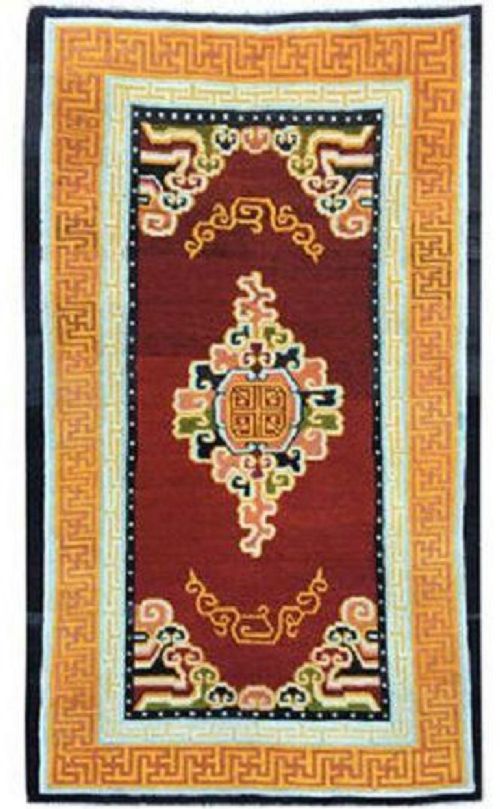
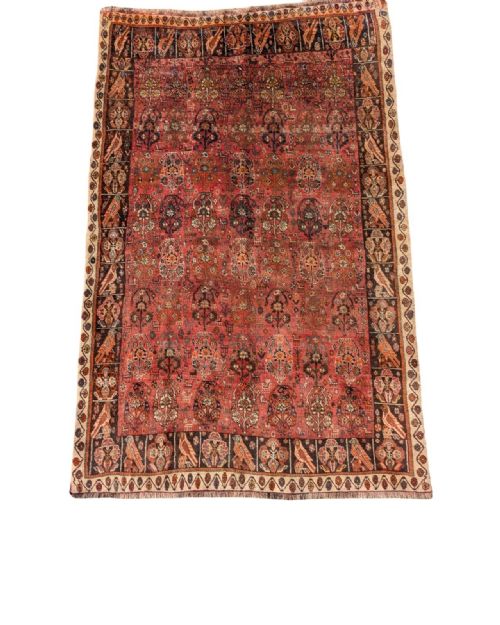

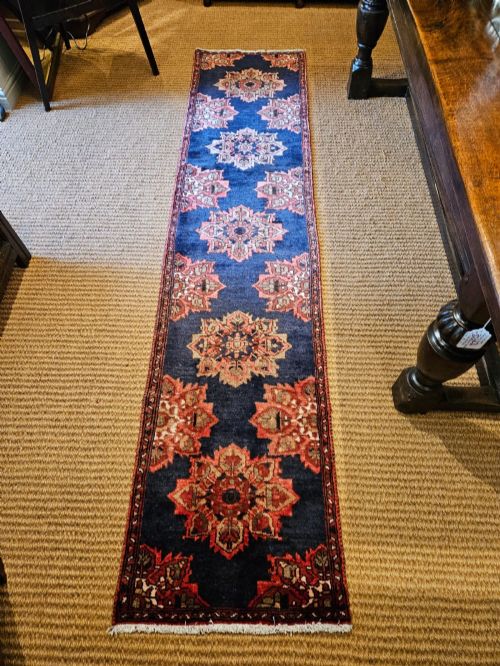
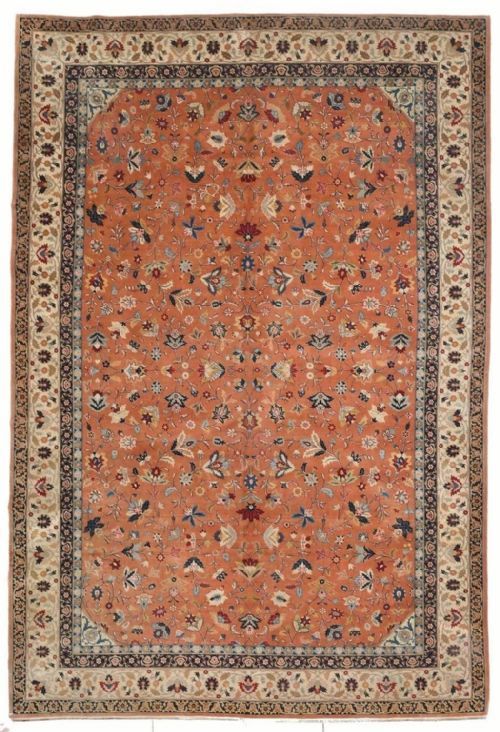
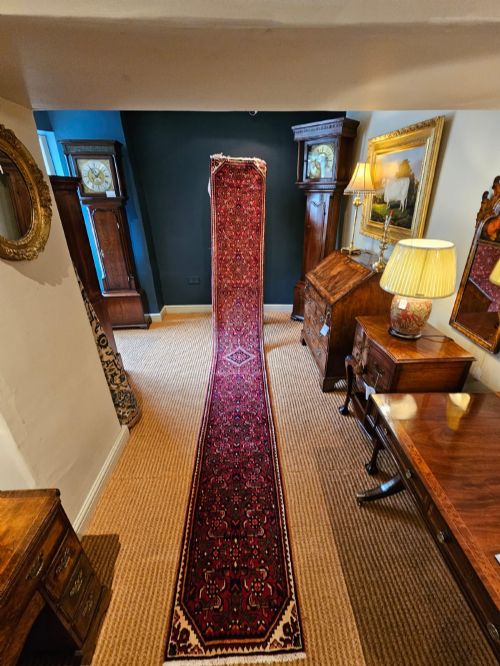
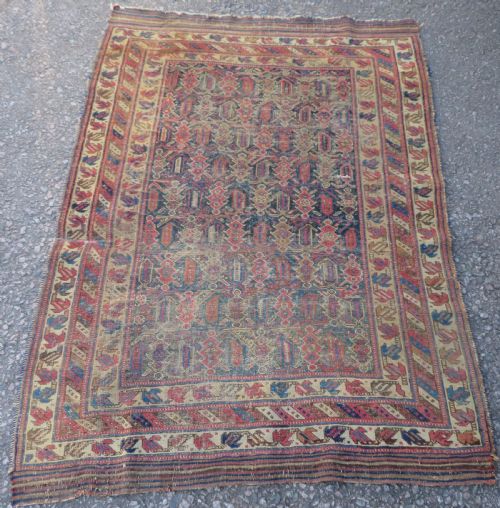
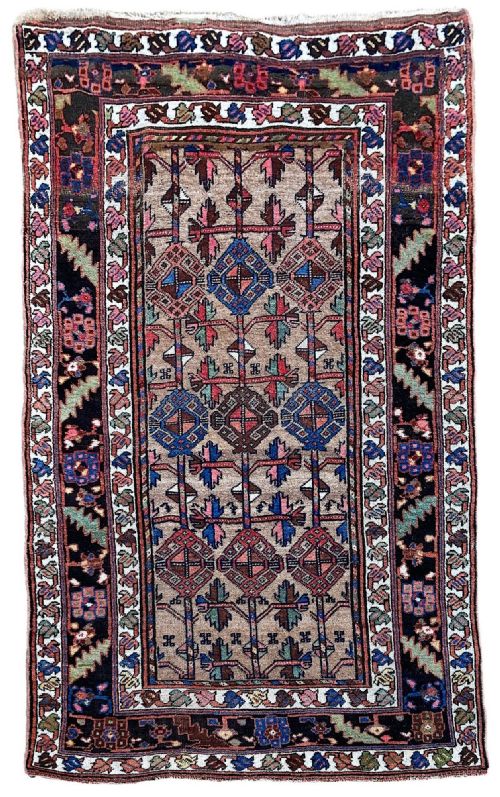
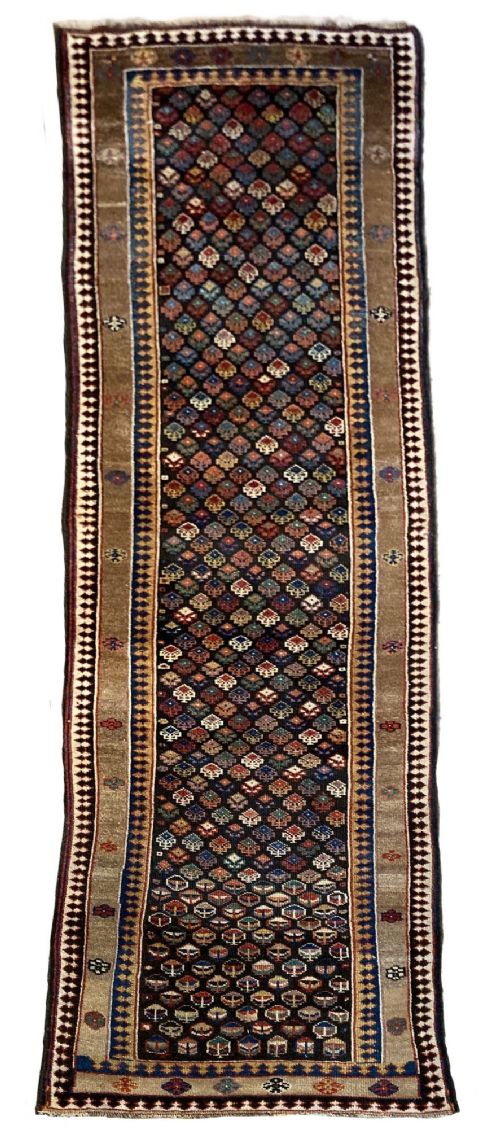
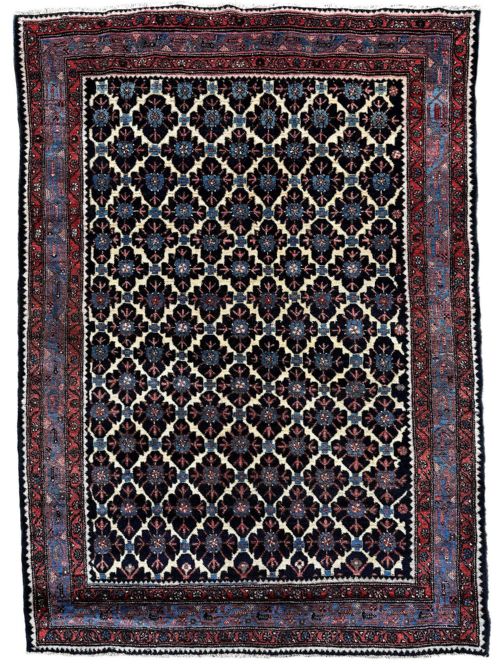
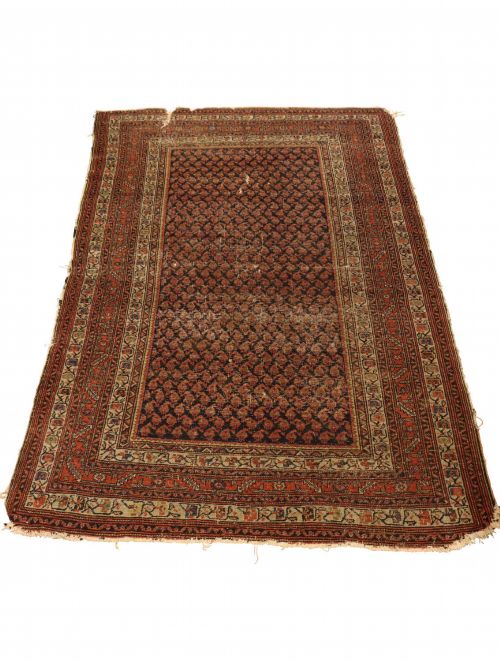
Antique Patterned Runner Rug
An antique patterned runner rug brings historic floor coverings into narrow spaces, offering geometric or floral motifs woven by regional hands.
Antique Patterned Runner Rug
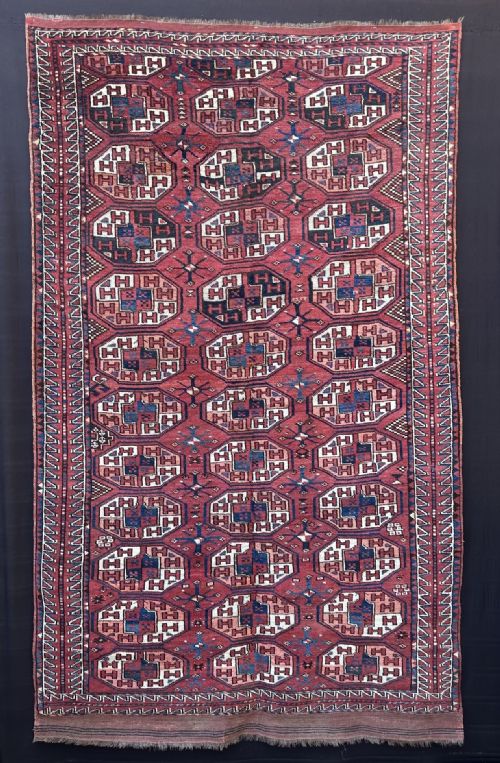
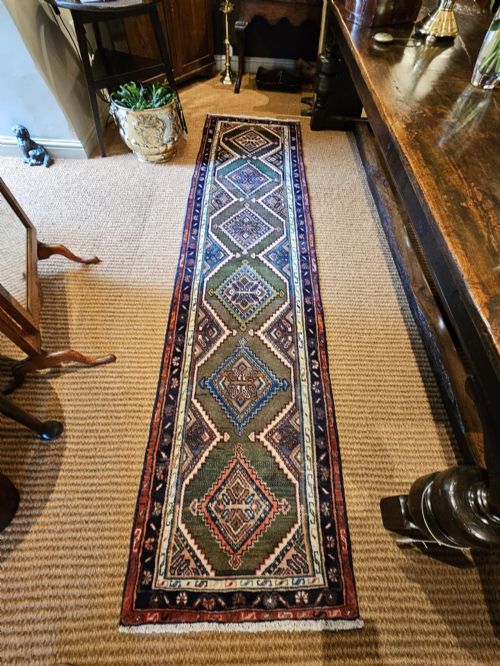
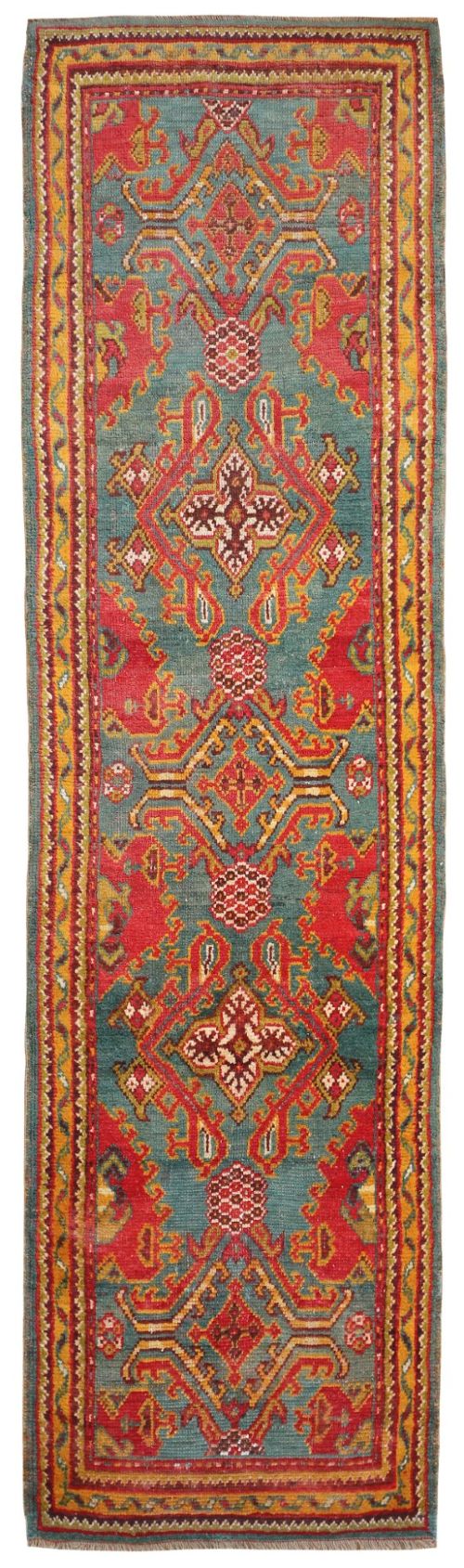
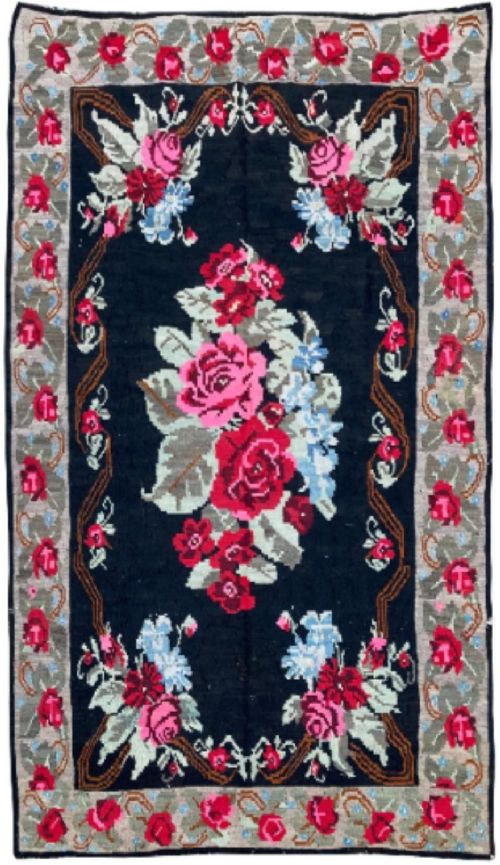
An antique patterned runner rug serves narrow hallways and passageways with elongated formats spanning nineteenth and early twentieth century production. These narrow floor coverings emerge from regional weaving traditions across Persia, the Caucasus, and Central Asia.
The selections on this page include tribal village pieces alongside city workshop carpets adapted to runner dimensions. Buyers encounter formats originating from groups such as the Kurdish, Gendje, Shahsavan, and Heriz weavers.
Production dates across these listings stretch from the nineteenth century into the 1930s. The designs incorporate repeating lattice patterns, boteh motifs, and traditional tribal symbols native to specific weaving communities.
How They Were Made
Makers utilised hand-spun wool for the piles and foundations, combining these with cotton structures in specific regional workshops. Natural dyes provide the palette, yielding stable tones that soften gracefully over decades of use.
Weavers knotted the yarn by hand onto vertical looms, creating dense structures designed to withstand heavy foot traffic in corridors. Flatweave methods also appear in kilim formats, relying on interlaced warp and weft threads without a pile.
Listings span periods from the nineteenth century through the 1930s, featuring wool, cotton, and natural dyes across tribal and village workshop traditions.
What Varies in Quality
The integrity of the wool and the precision of the knotting determine the tactile resilience of the weave. Tighter knot densities allow complex geometric or curved designs to hold their definition sharply along narrow formats.
The chemical composition of the dyes dictates how the colours age, with natural dye sources producing harmonious patination across the field. The structural balance of the foundation keeps the elongated edges straight rather than visibly bowed.
The Antique Patterned Runner Rug Glossary
- Runner
- A long, narrow carpet designed specifically for hallways, corridors, and stairs. These pieces measure significantly longer than they are wide.
- Boteh
- A traditional teardrop or almond-shaped motif with a curved upper end, frequently seen in Persian weaving. This ancient symbol represents a floral spray or cypress tree.
- Kilim
- A flatwoven carpet or rug made without a pile by tightly interweaving warp and weft threads. These pieces offer a lightweight, reversible textile structure.
- Warp
- The stationary vertical threads stretched upon a loom that form the structural foundation of the rug. Wefts are subsequently woven horizontally across these parallel strands.
- Natural Dyes
- Colourants extracted from plants, insects, and minerals before the advent of synthetic aniline dyes. These materials produce subtle tonal variations that mature richly over time.
Antique Patterned Runner Rug: Frequently Asked Questions
Where should I place a runner rug?
These narrow formats suit hallways, corridors, entryways, and galleys where floor protection meets limited width. They guide movement through a home while adding warmth to transitional spaces.
Position the runner centrally to leave equal border margins of exposed flooring on either side. Ensure doors swing freely above the pile thickness before final placement.
How do I clean an antique wool rug?
Regular gentle vacuuming without a rotating brush roll removes dust particles safely from the wool pile. Professional textile conservators should handle deep washing to protect natural dyes.
Avoid chemical spot treatments that might destabilise historic plant-based colourants. Blot liquid spills immediately with a clean, dry white cloth without rubbing the fibres.
Are these rugs durable for daily use?
Hand-knotted wool constructions built these textiles to endure decades of heavy corridor traffic. The resilient lanolin present in natural wool resists everyday staining and abrasion.
Pair the runner with a breathable underlay to prevent sliding and cushion the foundation against hard subfloors. This simple layer reduces friction between the historic weave and the ground.
How do I identify different regional rug styles?
Regional aesthetics reveal themselves through distinct geometric motifs, border arrangements, and colour palettes. Caucasian pieces often display sharp geometric polygons, while Persian variations frequently favour curved floral vines.
Comparing the weave density, structural materials like cotton or wool foundations, and edge finishes helps pinpoint the probable origin of the maker.