

Antique Patterned Carpet
An antique patterned carpet brings centuries of woven tradition, rich wool textures and geometric storytelling directly into a room.
Antique Patterned Carpet
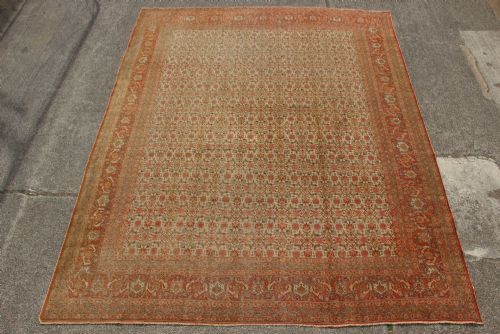
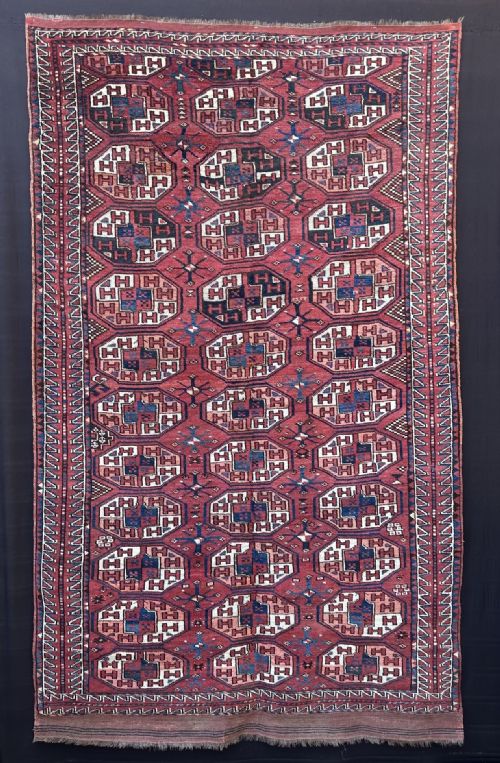
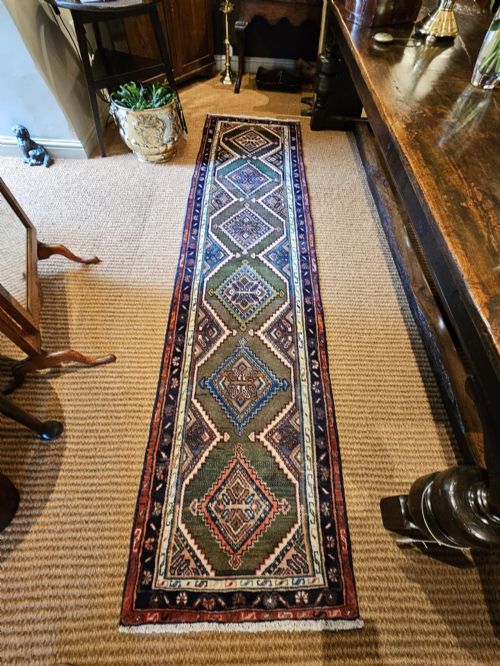
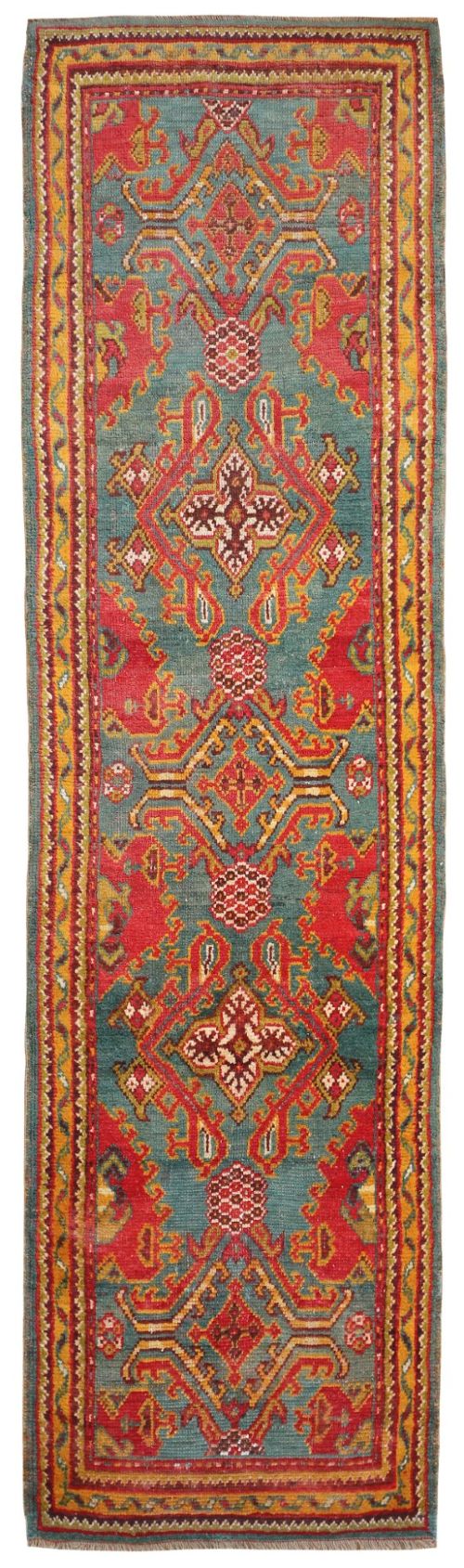
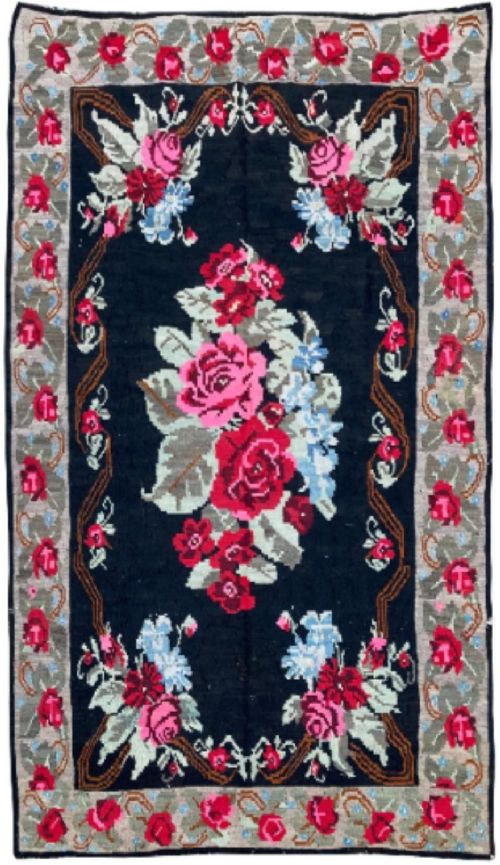
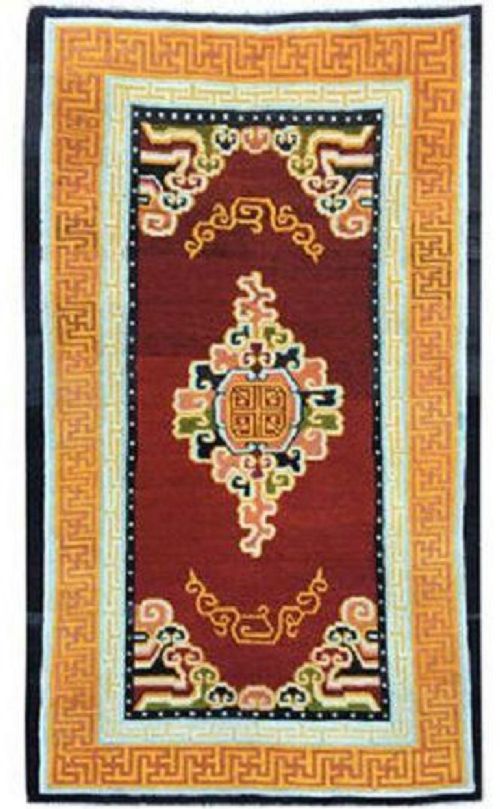
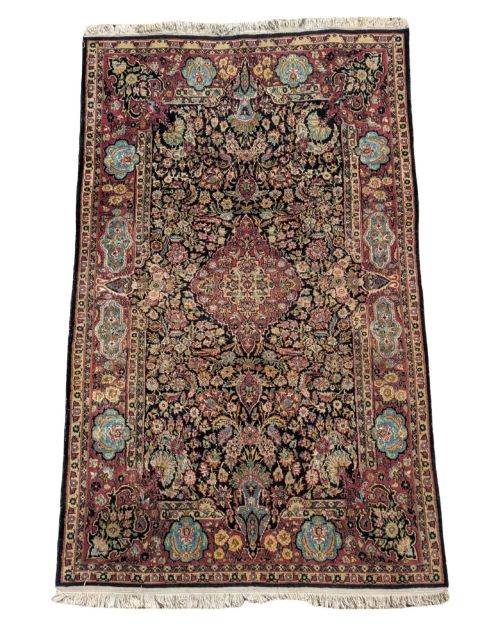
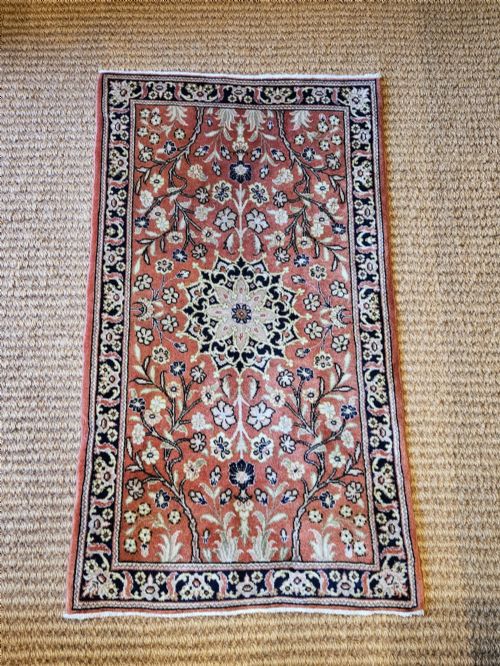
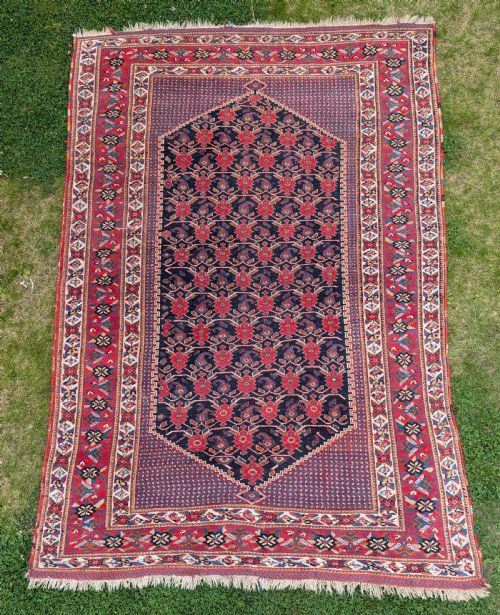
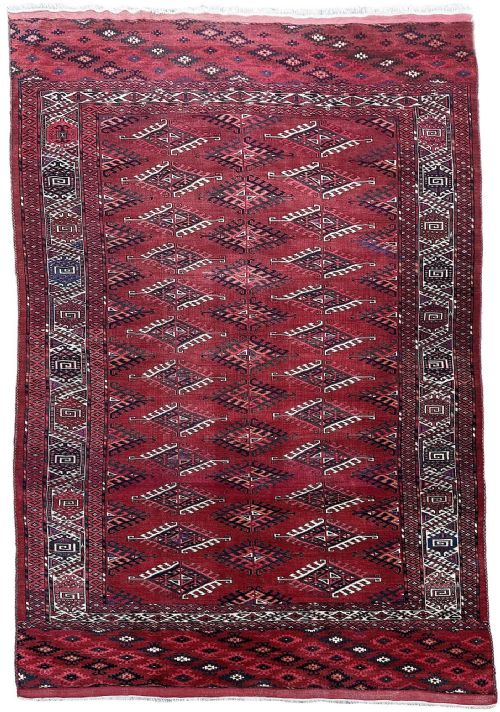
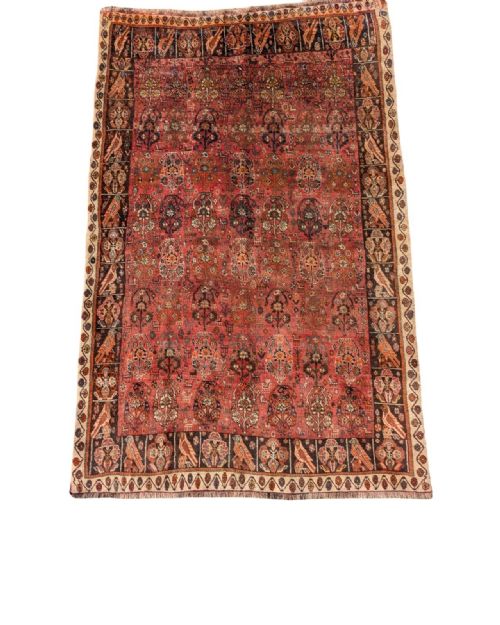
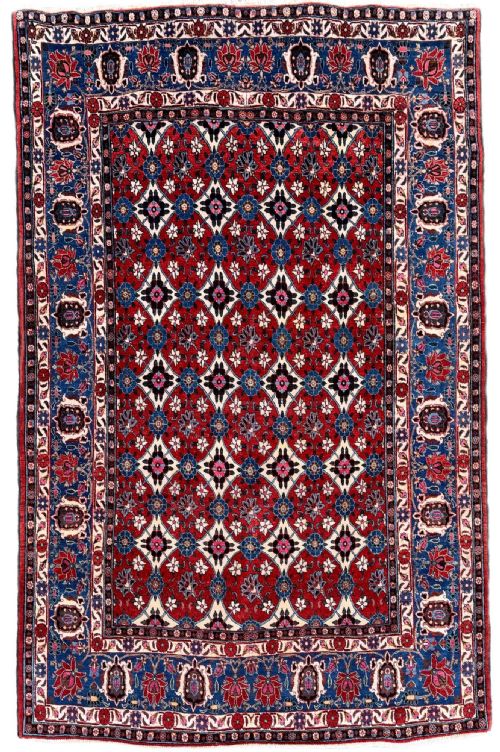
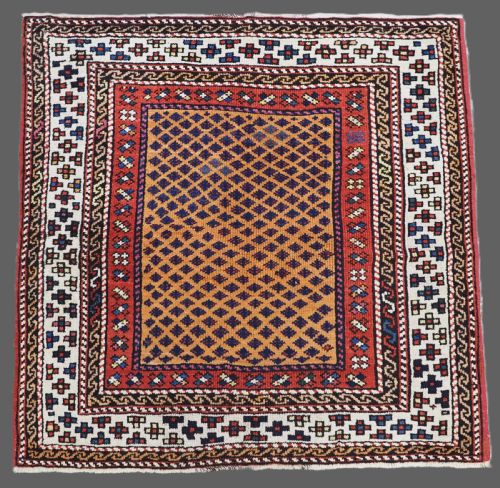
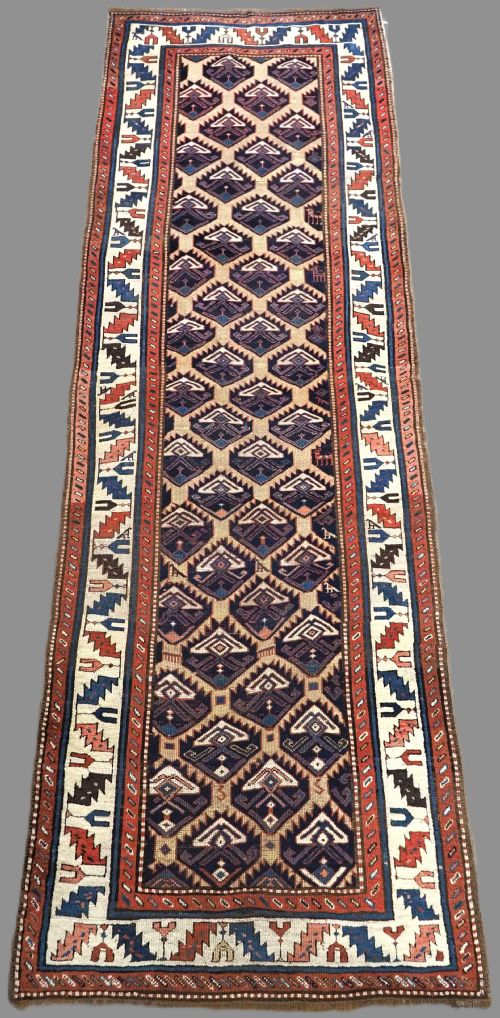
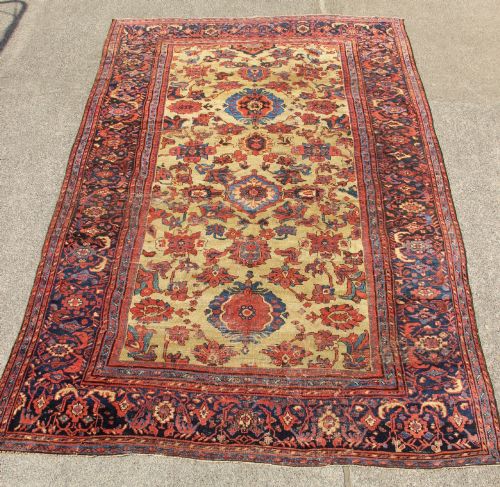
An antique patterned carpet covers a broad range of floor coverings and wall textiles originating from Persian, Caucasian, Turkmen, and Anatolian traditions. When searching for an antique patterned carpet, buyers encounter formats spanning compact square rugs, long hallway runners, and large area carpets.
The selections here showcase regional identities such as Afshar, Kashan, Tabriz, and Kurdish pieces, dating from the nineteenth century into the early twentieth century. These textiles include village productions alongside nomadic tribal work, each carrying distinct traditional motifs.
Most examples rely on wool pile knotted by hand, though silk highlights and cotton foundations appear across various specimens. Room-size carpets sit alongside smaller prayer rugs, tent door hangings, and narrow runners suited for corridors.
Materials and construction
Makers constructed these floor coverings primarily using wool, hand-spun wool, and cotton, occasionally incorporating silk highlights for added lustre and definition. Natural dyes provided the deep reds, blues, and earth tones seen across Persian and tribal workshops.
Weavers knotted the pile by hand onto cotton or wool foundations, securing the structure with sturdy selvedges and finished ends. Village and nomadic weavers utilised upright or horizontal looms to execute intricate lattice designs, medallions, and all-over boteh patterns.
The inventory spans rugs and carpets woven across Persian, Caucasian, Turkmen, and Anatolian traditions from the nineteenth century to 1940.
Evaluating quality and execution
Quality rests in the precision of the knotting, the handling of natural dyes, and the integrity of the foundation materials. Denser knot counts allow for sharper geometric or curvilinear definition within medallions and border bands.
The depth and vibrancy of the palette separate standard village weaving from master workshop production. Condition plays a role, where intact pile and original borders maintain the structural balance intended by the maker.
The Antique Patterned Carpet Glossary
- Boteh
- A stylised paisley or almond-shaped motif representing a floral spray or cypress tree. It appears frequently in traditional Persian weaving.
- Kilim
- A flat-woven carpet or rug made without a pile. These pieces utilise interlocking weft techniques to create crisp geometric patterns.
- Runner
- A long, narrow carpet format designed specifically for corridors, hallways, and staircases. They balance repetitive border guards with central fields.
- Pile
- The dense, vertical yarn surface of a rug created by individual knots tied onto the warp threads. The length and tightness determine the texture.
- Medallion
- A central decorative motif placed symmetrically in the middle of the carpet field. It anchors the surrounding field patterns and corner spandrels.
Antique Patterned Carpet: Frequently Asked Questions
How do I clean an antique carpet?
Maintenance requires gentle vacuuming without rotating brush heads to protect the fragile hand-knotted pile.
Professional specialist cleaning remains essential for addressing deeper soil without damaging natural dyes or cotton foundations.
Where should I place a runner?
Runners suit narrow spaces such as hallways, entryways, and corridors where floor traffic benefits from textile warmth.
They also function well alongside kitchen islands or beside beds to anchor long, linear spaces.
What is the difference between tribal and city carpets?
Tribal rugs feature geometric motifs, asymmetrical designs, and bold memory-based patterns created by nomadic groups.
City carpets display refined curvilinear medallions, complex floral symmetry, and precise cartographic execution from established workshops.
How can I date an older carpet?
Dating relies on examining the chemical palette, wool characteristics, structural wear patterns, and regional weaving conventions.
Changes in dyestuffs and knotting structures across nineteenth and early twentieth century examples provide clear chronological markers.