




Antique Pastoral Figures
Antique pastoral figures bring the quiet charm of rural life and rustic idylls directly into your home.
Antique Pastoral Figures
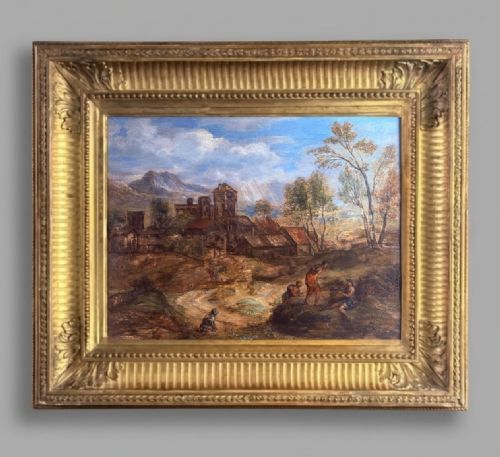
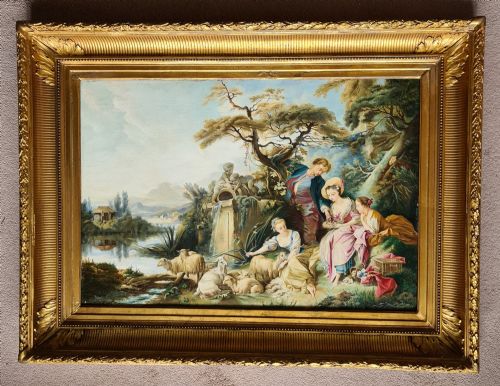
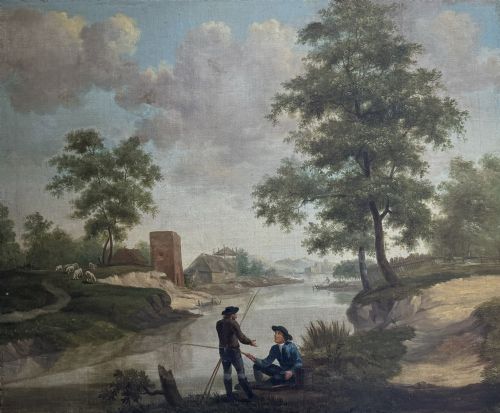
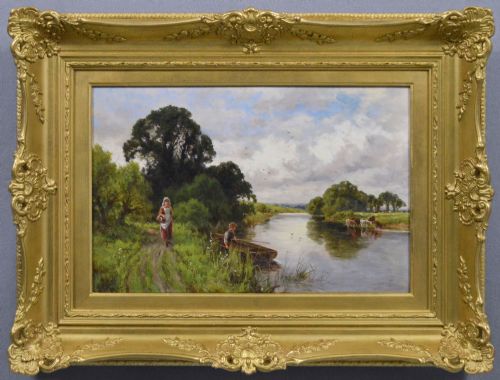
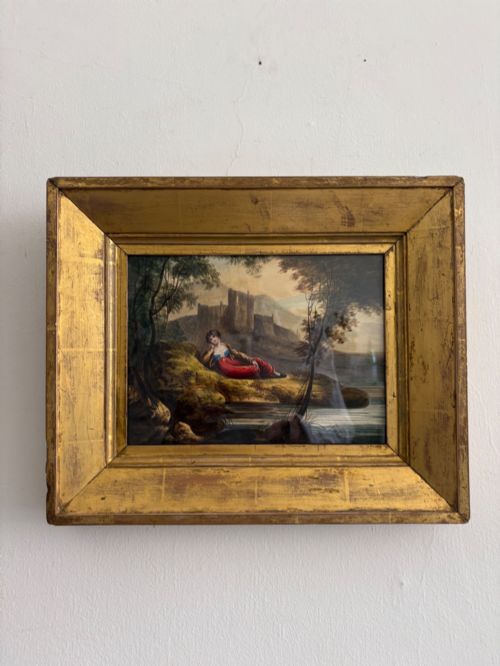
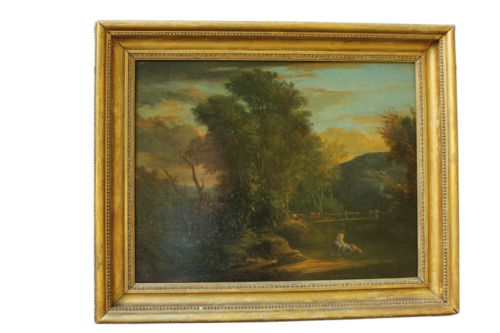
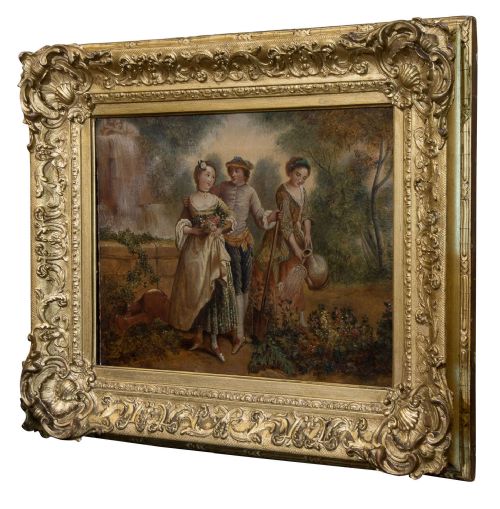
Antique pastoral figures comprise porcelain figurines, oil paintings, and watercolours depicting rural scenes, shepherds, shepherdesses, and agricultural workers. These depictions draw upon long-standing artistic traditions that idealise country life.
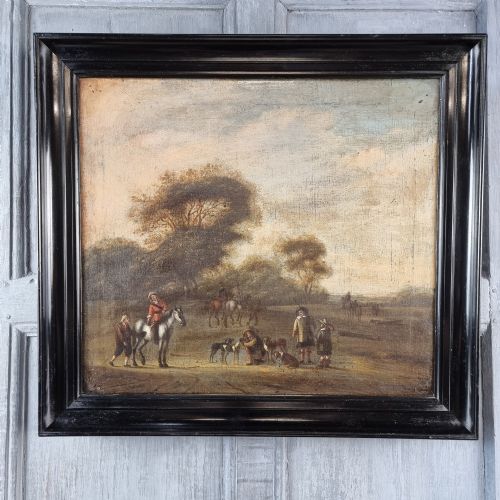
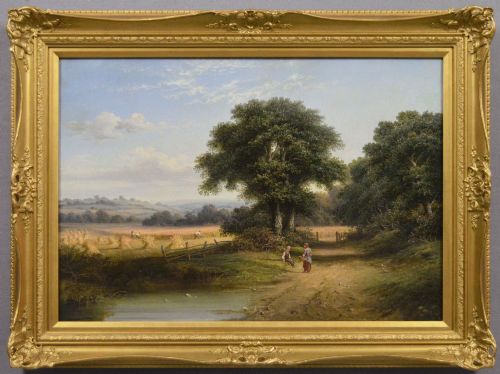
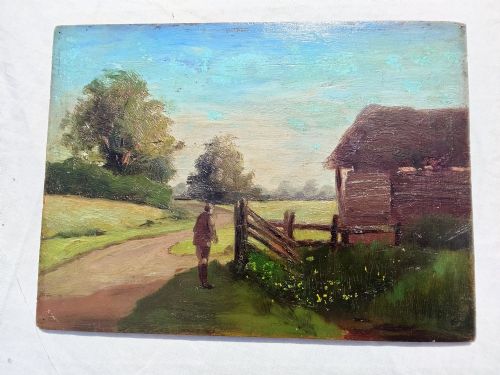
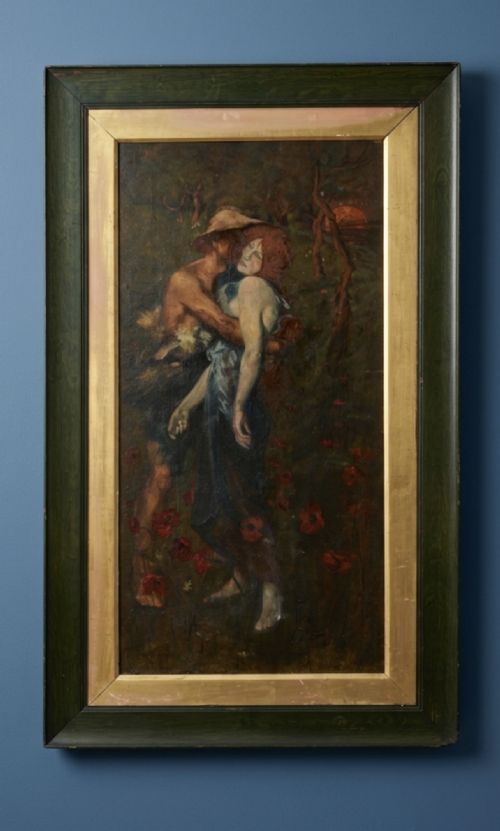
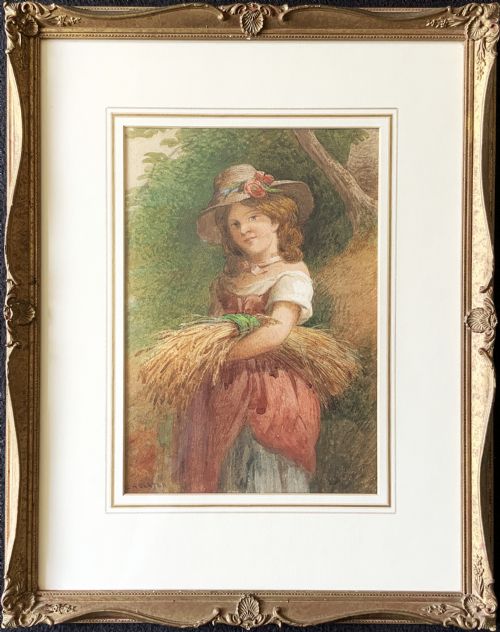
The versions most frequently met on this page include porcelain figures and groups originating from German and English factories during the eighteenth and nineteenth centuries. Alongside these ceramic works, oil paintings and watercolours on canvas, paper, and wooden board record rustic landscapes populated by figures.
Objects range from small Staffordshire pearlware figure groups and Meissen pairs to expansive oil paintings by named nineteenth-century artists. They capture subjects such as gardeners, grape harvesters, and musicians set against river banks, harvest fields, and cottage paths.
How they were made
Ceramic figures are typically formed from porcelain or pearlware, often modelled in factories such as Derby, Meissen, and Sitzendorf before receiving hand-painted enamel colours and gilt highlights. Some pieces utilise biscuit porcelain to achieve an unglazed, matte finish resembling carved marble.
Painted works employ oil paint or watercolour applied to canvas, paper, or wooden boards, frequently framed in giltwood. Many oil paintings build depth through layered brushwork on canvas, depicting landscape and figure subjects after classical French models.
Antique Pastoral Figures Retail Price Guide 2026
Typical asking prices for pastoral figures among the pieces listed under this phrase on Sellingantiques today, from the lower quarter to the upper quarter. They describe what is for sale here now, not the wider market.
Several porcelain shepherds stubbornly guard their flocks alongside diminutive pet lambs with suspiciously cheerful expressions.
What varies in quality
Quality rests upon the crispness of the modelling in porcelain figures and the finesse of the brushwork in paintings. Superior ceramic examples display sharply defined facial expressions, delicate hand-painted polychrome details, and intricate applied elements such as foliage or wool texture.
In painted works, execution depends on the handling of light, atmospheric perspective, and anatomical proportion within the landscape. Pieces produced by established regional schools or identified painters demonstrate greater compositional confidence than generic decorative workshop output.
Thomas Barker of Bath·Walter Heath Williams·Henry H Parker·Charles Henry Slater·Thomas Baker of Leamington·George Turner·Robert Thorne Waite·Friedrich von Kaulbach
The Antique Pastoral Figures Glossary
- Pearlware
- A refined earthenware developed in the eighteenth century featuring a thin glaze with a faint bluish tint pooling in crevices. This material served as a popular base for Staffordshire figures before the widespread adoption of hard-paste porcelain.
- Biscuits
- Unfired or unglazed porcelain fired to a porous, matte white state that resembles marble. This finish highlights the sculptural modelling of figures without the distraction of glossy enamel glazes.
- Giltwood
- Wood carved and prepared with layers of gesso before the application of thin gold leaf. This material forms the ornate frames often found surrounding nineteenth-century oil paintings and watercolours.
- Staffordshire
- A major English ceramic manufacturing region known for producing earthenware pottery figures and groups. These pieces frequently depict rustic characters, animals, and theatrical subjects for domestic mantelpieces.
Antique Pastoral Figures: Frequently Asked Questions
What defines an antique pastoral figure?
These pieces depict rural labourers, shepherds, shepherdesses, and idyllic country scenes in porcelain, earthenware, oil paint, or watercolour. They reflect historical artistic movements that romanticised agricultural life and rural landscapes.
Items span three centuries of European craftsmanship, ranging from eighteenth-century porcelain factory models to nineteenth-century British and continental landscape paintings. Each work employs traditional media to evoke a tranquil, agrarian atmosphere.
Where should I display these pieces?
Ceramic figurines suit enclosed display cabinets, mantelpieces, or tabletops where their fine hand-painted details and delicate forms remain protected. Grouping pairs or matching sets together helps preserve historical context.
Oil paintings and watercolours require wall spaces away from direct sunlight and excessive moisture to safeguard the canvas, paper, and giltwood frames. Proper placement ensures the pigments and materials remain stable over time.
How do I identify the period of a figure?
Dating relies upon examining the ceramic paste, glaze characteristics, factory marks, and costume styles depicted on the piece. Eighteenth-century figures often feature soft-paste porcelain and looser hand-modelling, whereas later nineteenth-century examples display harder pastes and more uniform industrial techniques.
Stylistic cues such as Rococo curves or Victorian realism provide further clues to the era of manufacture. Comparing the modelling conventions with known factory output helps narrow down the date range.