




Antique Pastoral Couple Figures
These antique pastoral couple figures and related scenes capture romanticized country life in porcelain and oil paint, offering charm and decorative presence.
Antique Pastoral Couple Figures
When you search for antique pastoral couple figures, you encounter porcelain figurines alongside oil paintings depicting shepherds, musicians, and romantic pairs. The pieces span the eighteenth century through the twentieth century, reflecting enduring European tastes for rustic themes.
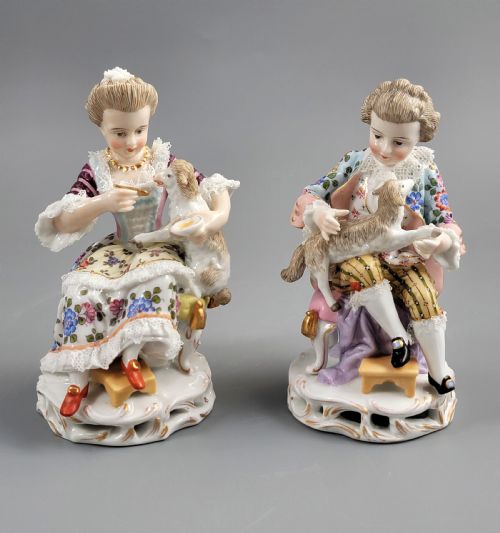
You meet continental European works, particularly from German and French factories, rendered in hard-paste porcelain with polychrome enamel. Pairs of figures featuring children with lambs or musicians dominate the selection alongside framed canvas and panel paintings.
Victorian interpretations and later copies of earlier models appear frequently on this page. These versions maintain the traditional pastoral motifs of couples by lakes or campfires while employing nineteenth-century manufacturing methods.
Materials and construction methods
The porcelain pieces rely on hard-paste porcelain shaped into figurines and groups, often enhanced with polychrome enamel and gold leaf. Artisans painted details by hand, applying glazes to achieve both glossy and bisque finishes.
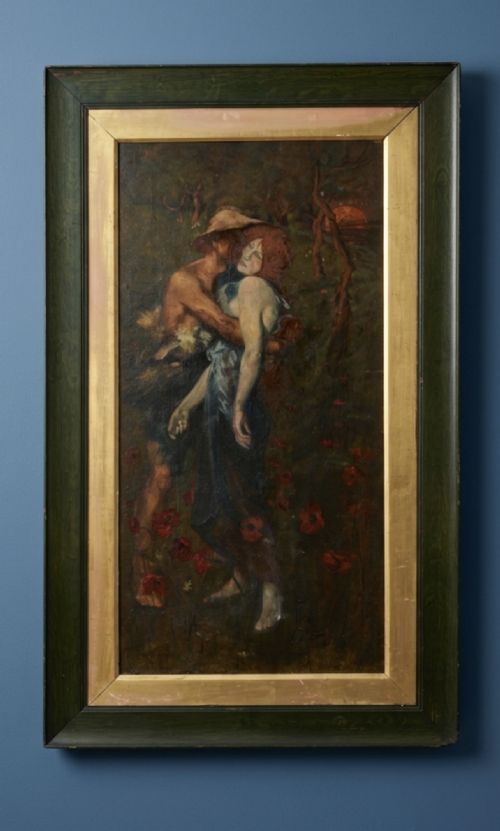
Painted works utilise oil on canvas or wood panel, framed to preserve depictions of intimate outdoor scenes. Wood and gilt elements appear in the presentation of these artworks and occasional decorative supports.
Listings feature hard-paste porcelain, oil on canvas, wood, and gold leaf, spanning the eighteenth to twentieth centuries.
Distinguishing quality in the range
The sophistication of hand-painted enamel work and the crispness of the porcelain moulding separate finer examples from standard production pieces. Superior figures display delicate facial expressions and careful attention to clothing and animal details.
Early eighteenth-century and nineteenth-century factory pieces demonstrate greater sculptural depth than later commemorative copies or derivative workshop productions. The precision of the gilding and the harmony of the palette further distinguish the tier of a piece.
Sitzendorf·Samson·Ludwigsburg·Vion et Baury·Dresden
The Antique Pastoral Couple Figures Glossary
- Bisque porcelain
- Unglazed ceramic material fired to a matte, porous finish that highlights sculptural detail. It was widely utilised for nineteenth-century figures.
- Hard-paste porcelain
- A dense ceramic composition fired at high temperatures, developed in Europe during the eighteenth century. It resists scratching and takes enamel colours brightly.
- Polychrome enamel
- Glass-based pigments applied in multiple colours over or under the glaze. They provide the vibrant hues seen on pastoral garments.
- Rococo Revival
- A nineteenth-century design style drawing on eighteenth-century asymmetrical curves and natural ornamentation. It heavily influences the bases and framing of Victorian pastoral figures.
- Gilt
- A thin layer of gold applied to surfaces like wood or porcelain. It accents the decorative borders of bases and frames.
Antique Pastoral Couple Figures: Frequently Asked Questions
What are antique pastoral couple figures?
These decorative objects consist primarily of porcelain figurines and oil paintings depicting shepherds, musicians, and romantic pairs in rural settings. They draw on eighteenth-century European artistic traditions.
Factories across Germany and France produced these figures to adorn drawing rooms and cabinets, celebrating an idealized vision of country life.
How were porcelain figures displayed?
Owners typically placed these paired figures on mantelpieces, side tables, or within dedicated display cabinets alongside other ceramics. Their balanced compositions made them ideal for symmetrical placement.
Because they were made for interior decoration, they remained protected from the elements, which helps explain the survival of their delicate enamel colours.
How do I care for glazed porcelain?
Cleaning requires only a soft, dry brush or a feather duster to remove surface dust without disturbing fragile hand-painted details. Water and harsh cleaning agents can damage vulnerable enamels and gilt highlights.
Keep figures away from direct sunlight and areas prone to heavy temperature fluctuations to preserve the stability of the porcelain and paint.
How do I distinguish period styles?
Eighteenth-century examples often exhibit lighter bodies and subtle modelling, whereas nineteenth-century revivals display heavier porcelain formulations and brighter polychrome palettes. Marks on the underside frequently provide clues to the factory of origin.
Stylistic cues such as Rococo curves point toward specific revival periods during the Victorian era, helping you date the manufacture accurately.