


Antique Pastoral Canvas
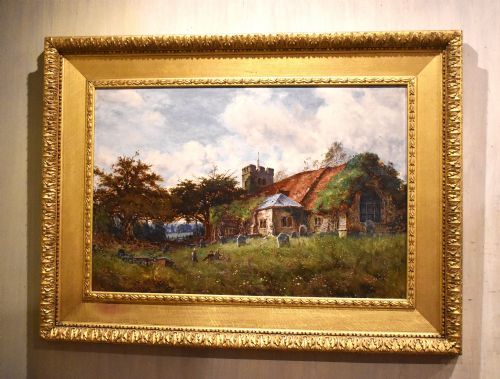
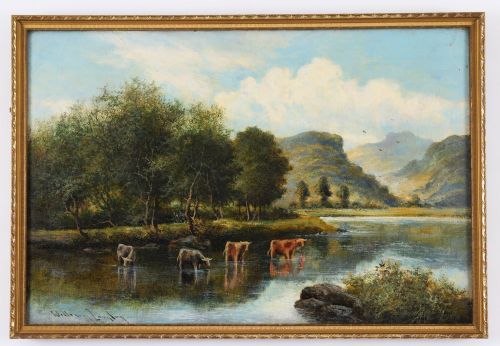
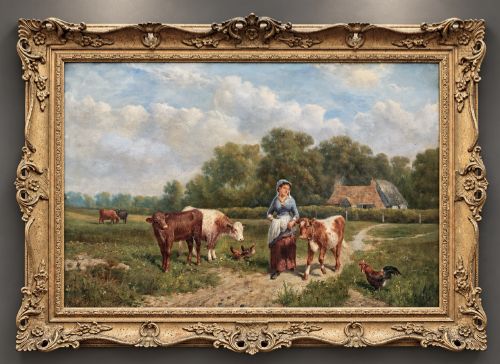
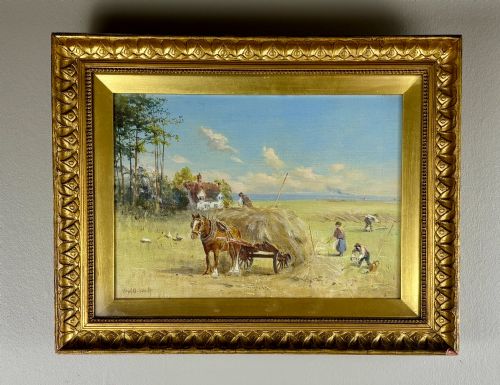
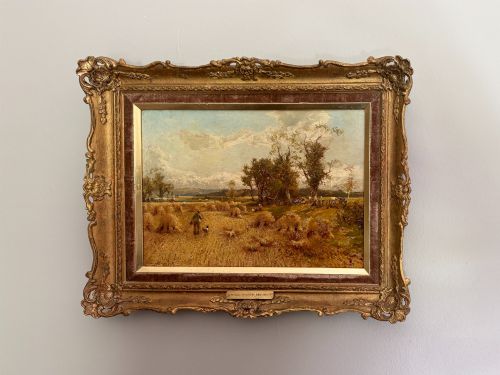
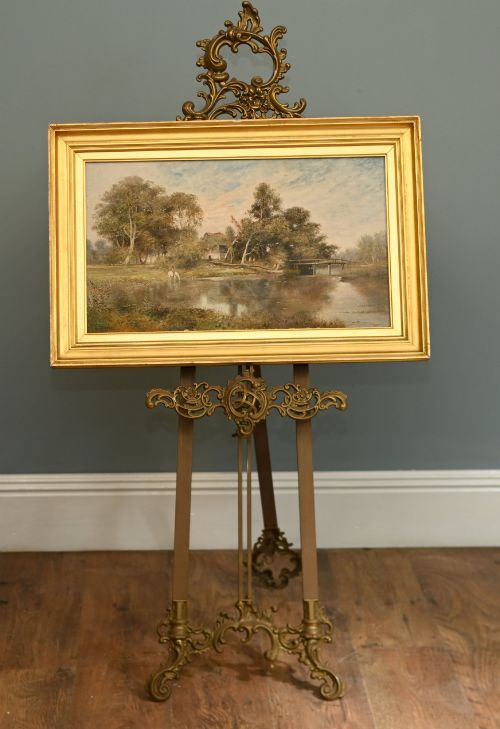
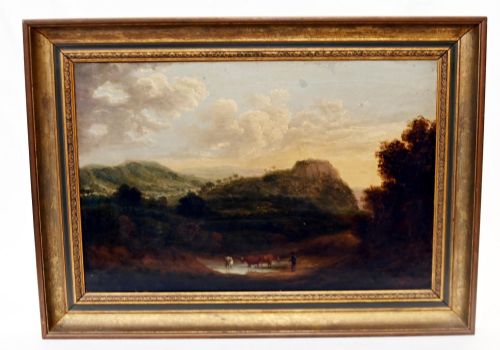
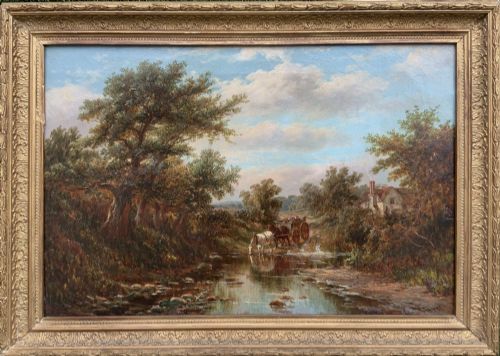
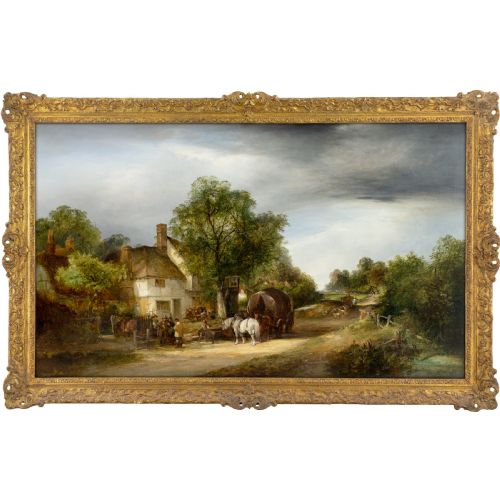
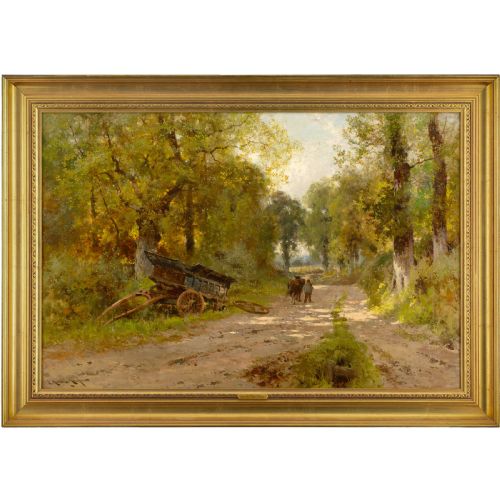
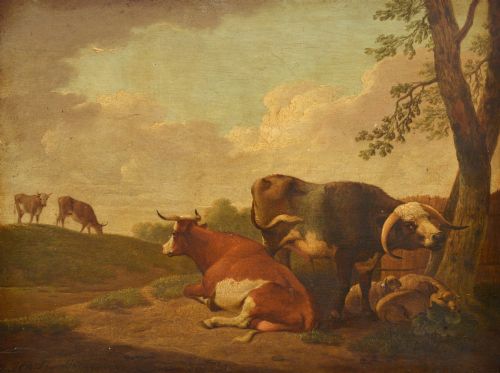
An antique pastoral canvas brings the quiet of the countryside indoors, offering framed views of rural life, cattle and harvest fields.
Antique Pastoral Canvas
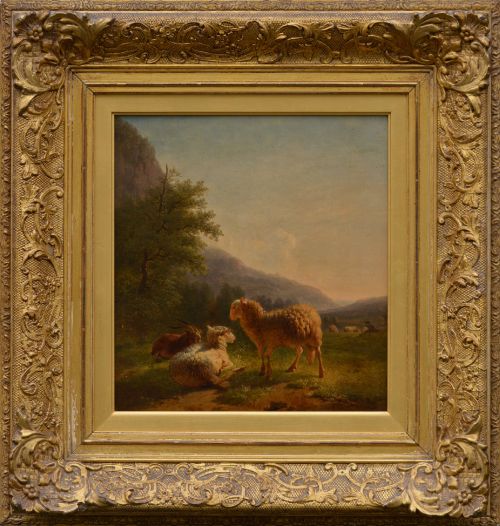
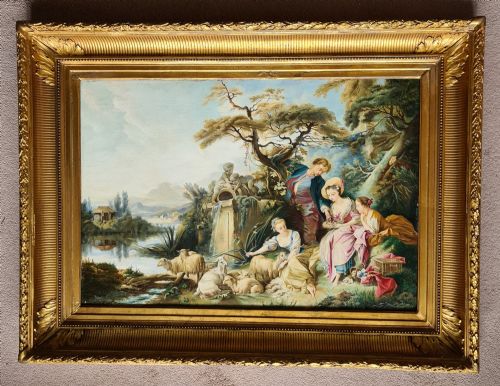
An antique pastoral canvas portrays rural scenes, farmyard animals, shepherds and agricultural life set across British and European landscapes. These works span from the eighteenth century into the early twentieth century, capturing changing views of the countryside over generations.
Most pieces met here belong to the nineteenth century and the Victorian era, executed in oil paint on canvas and often retained in period frames of giltwood. Subject matter frequently includes cattle, sheep or figures by rivers, harvested fields and cottage ruins.
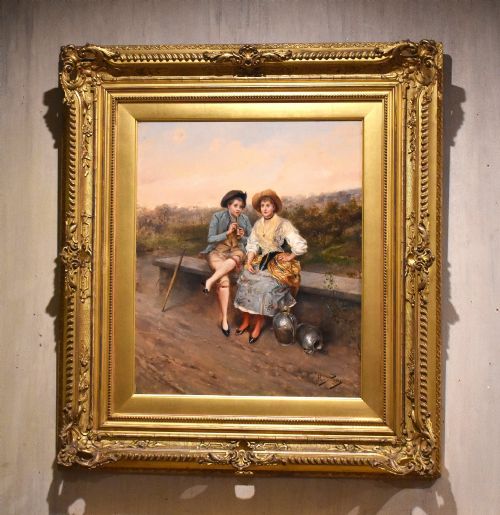
The selection ranges from detailed regional British school paintings to continental interpretations, including Barbizon school farmyard portraits and copies after earlier masters. Buyers encounter both signed works by known nineteenth century artists and atmospheric pieces from anonymous European hands.
Materials and Technique
Artists painted these works using oil paint applied to prepared woven canvas stretched over wooden frames, often building texture with layers of pigment and medium. Gesso and carved giltwood frames completed the presentation, protecting the edges of the canvas and adding structural weight.
Techniques varied from tight academic realism to looser brushwork characteristic of British impressionism and the Barbizon school. Painters layered dark grounds with lighter tones to create depth in skies and foliage, occasionally revealing pentimenti where initial compositions were adjusted.
Listings feature works from the seventeenth century through the Victorian period to 1910, executed in oil paint on canvas.
Assessing Quality
Quality rests upon the handling of light, anatomical precision in animals and figures, and the sensitivity of the brushwork across the landscape. Superior canvases display confident composition and atmospheric depth rather than stiff adherence to formulaic rural tropes.
The preservation of the original oil surface, minimal retouching, and the harmony between the painting and its period giltwood frame distinguish finer examples from standard decorative works.
James Elliot·Alonso Perez·William Langley·Samuel Joseph Clark·Hugh Barry-Scott·William Manners·Edward Charles Williams·William Shayer·Eugène Verboeckhoven·William H Myers·George Graham·Francois Boucher·John Horace Hooper·Hendrik Willem Schweickhardt·Thomas Barker of Bath·Mark William Langlois·David Bates·Walter Heath Williams·Thomas Sidney Cooper·Ernest Higgins Rigg·Robert Watson·Albert Rieger·William Watson Jnr·Douglas Cameron·Johann Friedrich Voltz
The Antique Pastoral Canvas Glossary
- Oil on Canvas
- A painting medium where pigments bound in drying oil are applied to a woven fabric support. This combination allows for rich colour blending and durability over centuries.
- Giltwood
- Wood carved and coated with a thin layer of gold leaf or metallic powder. It frames many nineteenth century paintings, adding warmth and reflection to the artwork.
- Pentimento
- An alteration in a painting evidenced by visible traces of previous brushstrokes beneath the surface layers. Such changes show the artist modifying their composition during creation.
- Barbizon School
- A nineteenth century French art movement focused on tonal realism and painting directly from nature. Artists of this circle favoured farmyards and forests over grand historical themes.
- Gesso
- A plaster mixture used as a smooth base coat on wooden frames before gilding. It provides a crisp surface for carving details.
Antique Pastoral Canvas: Frequently Asked Questions
What is a pastoral painting?
A pastoral painting depicts rural scenes, agricultural life, shepherds, and livestock in natural countryside settings. These works celebrate the perceived simplicity and calm of farm and field.
They offer a window into historical rural life, created when industrialisation drove a cultural fascination with untouched landscapes and traditional farming practices.
How do I date an old canvas?
Dating relies on examining the canvas weave, the stretcher frame construction, and the formulation of the oil pigments used by the artist. Stylistic clues in costume, livestock breeds, and framing also point to a specific era.
Nineteenth-century works often feature machine-woven canvas and standard stretcher keys, whereas earlier eighteenth-century pieces display hand-hammered tacks and heavier, irregular linen weaves.
Are these paintings signed?
Many canvases bear signatures, monograms, or dates applied by the artist, while others remain anonymous pieces produced by regional schools or followers of known masters. Unsigned works were often created for broader commercial markets.
Signatures should be examined under magnification to ensure they belong to the original campaign of painting rather than a later addition.
How should I hang an oil painting?
Oil paintings require stable indoor environments away from direct sunlight, excessive heat sources, and high humidity to protect the canvas and paint layers. Secure wall fixings matched to the weight of the giltwood frame are essential.
Allowing slight air circulation behind the frame prevents moisture accumulation, ensuring the canvas maintains proper tension over the wooden stretcher.