



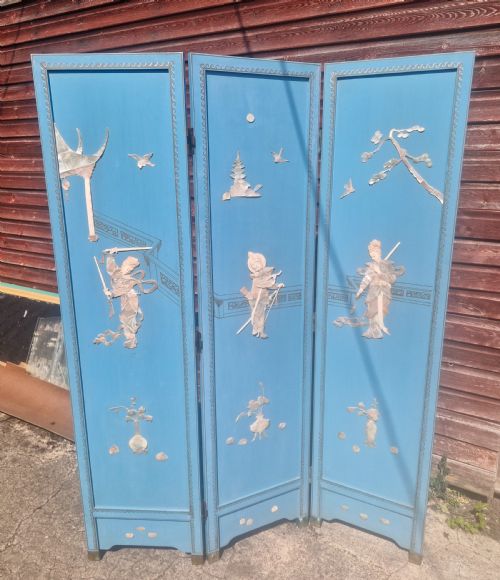


Antique Partition
These antique partition pieces provide versatile room division, combining practical space management with decorative woodwork, lacquer, and painted panels.
Antique Partition
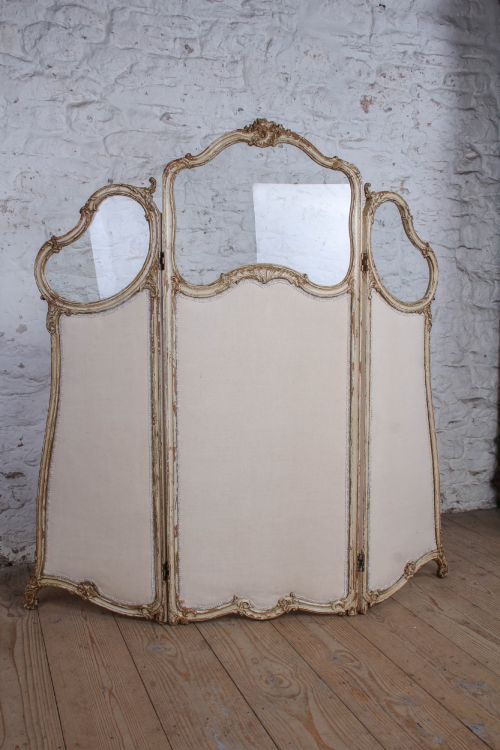
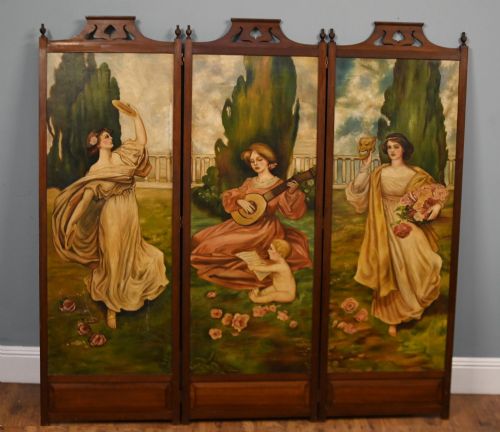
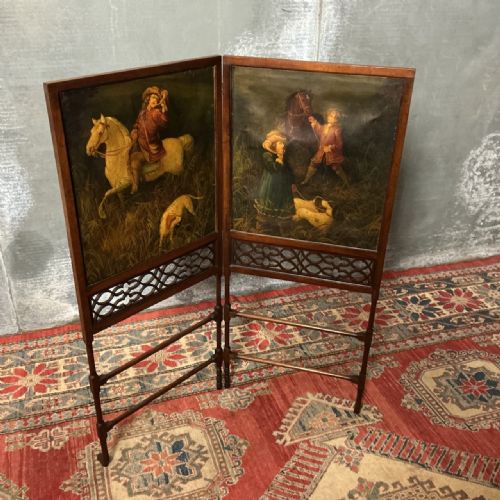
An antique partition typically takes the form of a multi-fold screen or room divider designed to separate living spaces or create privacy within a room. These pieces appear in configurations ranging from three to eight folds, utilising timber frames set with decorative panels.
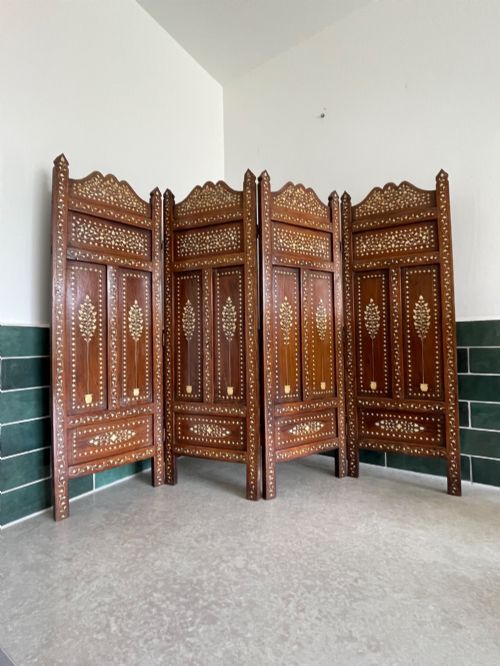
The materials and styles seen span Victorian, Edwardian, and earlier periods, incorporating Chinese lacquer, Japanese silk, hand-painted leather, and carved hardwood. Buyers also encounter architectural entrance screens and smaller table screens constructed for domestic use.
Origin points stretch from English workshops to continental Europe, India, and East Asia. The construction serves both functional partitioning and decorative display through detailed surface art.
Materials and construction
Wood serves as the primary structural frame, with mahogany, oak, walnut, and padauk providing the rigidity needed for multi-fold panels. Joinery techniques secure the hinges that allow the sections to fold fluidly.
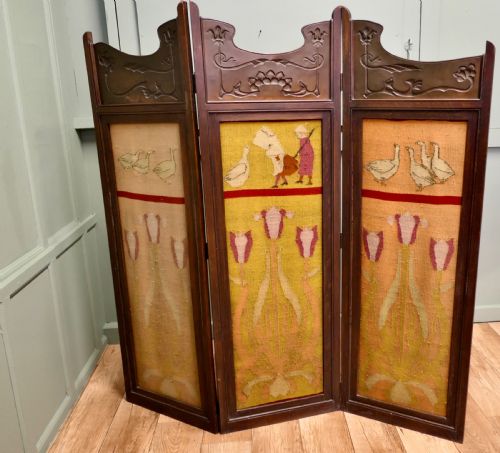
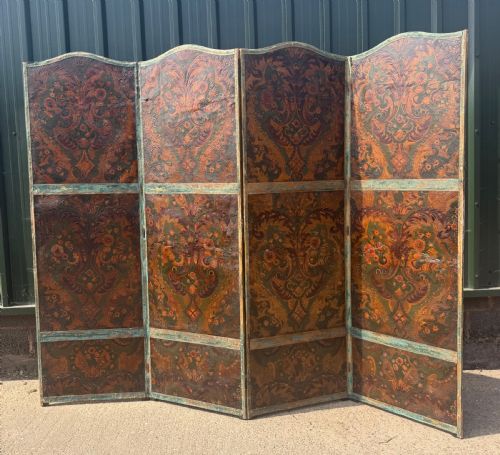
Surface decoration relies on diverse applied arts, including oil paintings, needlepoint, silk, canvas, and hand-painted or gilt embossed leather. Lacquer techniques, particularly on Chinese coromandel screens, build deep layered finishes carved to expose underlying colours.
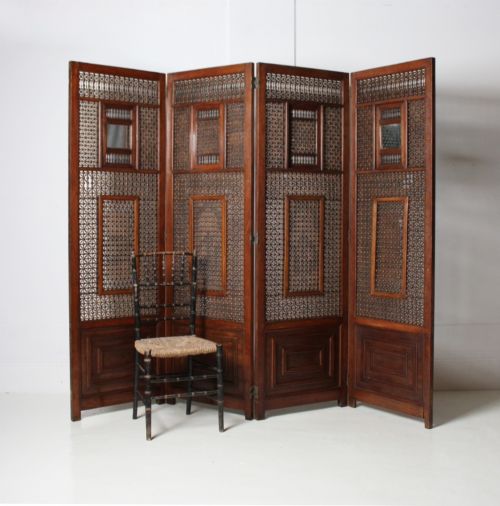
Additional elements incorporate glass, brass hardware, and carved wooden fretwork such as mashrabiya panels, uniting structural timber with ornamental detail.
Antique Partition Retail Price Guide 2026
Typical asking prices for partition among the pieces listed under this phrase on Sellingantiques today, from the lower quarter to the upper quarter. They describe what is for sale here now, not the wider market.
Listings include folding screens and room dividers spanning the 18th, 19th, and 20th centuries, constructed from mahogany, brass, glass, and lacquered hardwood.
Variations in quality
Quality rests upon the execution of the decorative surface and the integrity of the timber frame. Fine examples exhibit meticulous hand-painted detail, deep coromandel carving, or expertly tooled leather rather than plain or uniform surfaces.
The weight and stability of the hinges and wood selection indicate workshop standards. Solid hardwoods and substantial brass fittings separate superior divisions from lighter utility items.
Paul Sormani
The Antique Partition Glossary
- Coromandel
- A type of Chinese lacquered screen where the wooden panels are covered in layers of dark lacquer, incised with designs, and filled with colours.
- Mashrabiya
- An architectural element of turned wooden lattice-work used for windows or partitions, allowing light and air while maintaining privacy.
- Aubusson
- A style of tapestry woven in France, frequently utilised for decorative screen panels depicting pastoral or floral scenes.
- Scrap work
- A Victorian craft technique involving the application of paper scraps and lithographs onto a backing surface, often sealed with varnish on folding screens.
Antique Partition: Frequently Asked Questions
How were antique partitions used?
These pieces served to divide large rooms into smaller functional areas, block draughts near doorways, or create private dressing spaces within bedrooms. Their folding design allowed domestic layouts to change rapidly according to the needs of the household.
In larger reception rooms, they created intimate seating zones away from high-traffic pathways. Their decorative surfaces also functioned as permanent art installations when extended against a wall.
How do I date an antique partition?
Dating relies on identifying the primary timber, the style of the decorative panels, and the construction methods of the hinges and frame. Victorian and Edwardian examples often feature scrap work, needlepoint, or inlaid mahogany frames.
Asian imports, such as Chinese coromandel or Japanese lacquer screens, carry stylistic indicators from the nineteenth and early twentieth centuries. Comparing the specific motif and surface finish to documented period pieces confirms the era of manufacture.
How do I place a partition in a room?
Positioning depends on the length of the screen and the clearance needed to angle the folds for stability. Placing a multi-fold panel at a slight zig-zag ensures it stands securely without additional wall fixings.
They work effectively to zone open-plan spaces, conceal storage areas, or soften bare corners. Lighting should be considered to highlight painted leather, gilt, or carved lacquer details.
What is the difference between a room divider and a table screen?
Room dividers are tall, multi-panel screens designed to stand on the floor and partition human-scale living spaces. They utilise sturdy timber frames and heavy hinges to support their height and weight.
Table screens are miniature versions built for placement on desks, tables, or sideboards. They function primarily as decorative art objects rather than architectural room partitions.