



Antique Parian Ware Sculpture
These antique parian ware sculpture pieces bring nineteenth-century neoclassical and Victorian form into domestic spaces through unglazed porcelain figures and busts.
Antique Parian Ware Sculpture
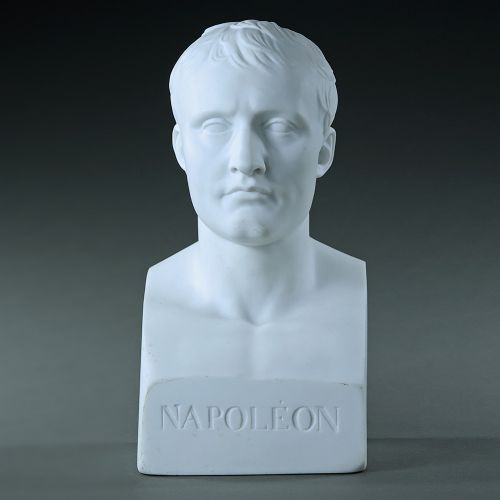
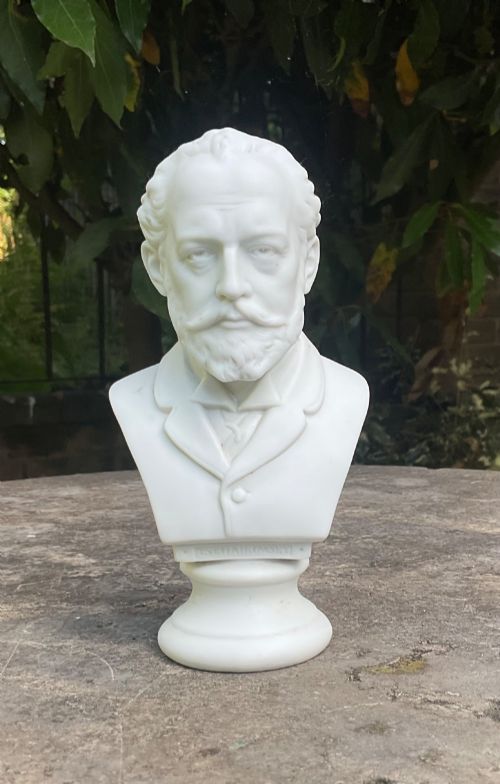
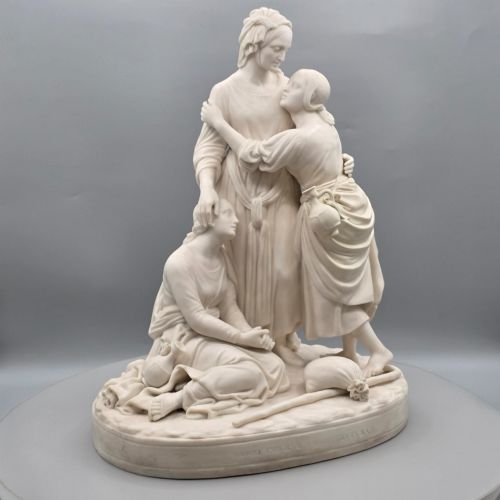
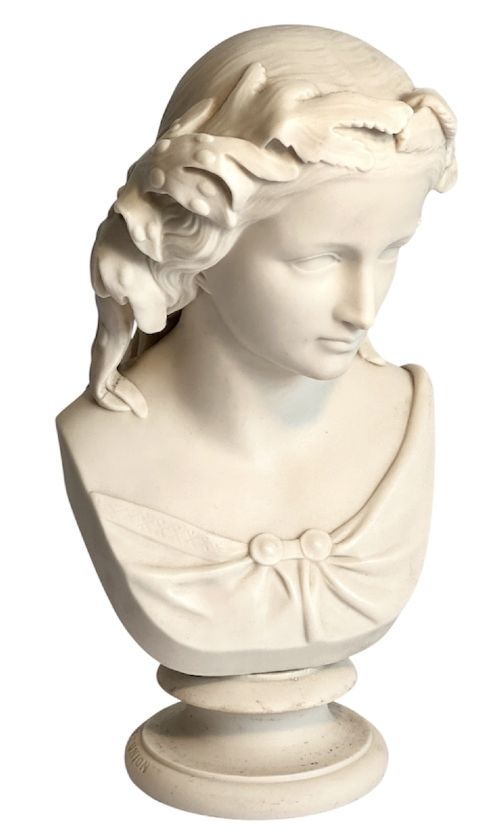
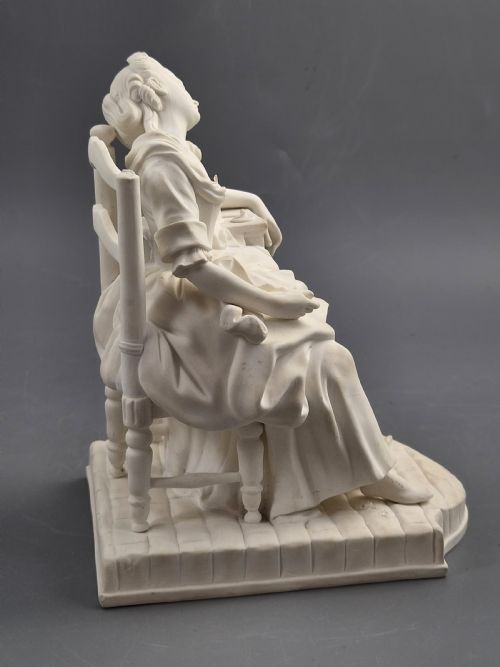
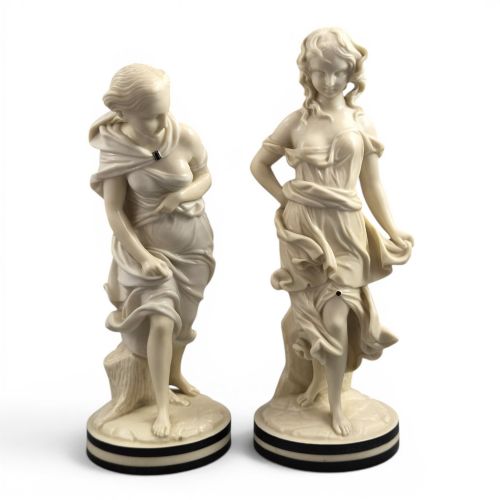
When you search for antique parian ware sculpture, you encounter figures, busts, statuettes, and group pieces originating across the nineteenth century, predominantly in the Victorian period. These works translate classical mythology, portraiture, and literary subjects into sculptural porcelain objects designed for tabletop or mantel display.
The selection ranges from smaller single figures like maidens and literary heroines to large-scale studies of animals and multi-figure groups. English factories such as Copeland and Minton dominate the forms, alongside continental European pieces from makers in France and Germany.
How they were made
These pieces utilise parian porcelain, also recorded as biscuit or bisque porcelain, which receives no glaze and achieves a surface texture resembling carved marble. Selected examples incorporate enamel or gold leaf details to highlight specific drapery or decorative elements.
Makers cast the liquid porcelain body in multiple moulds before firing at high temperatures to vitrify the material without glossy reflection. This technique captures fine facial expressions, hair strands, and textile folds directly from the original sculptural models.
Several Victorian figures depict hunting dogs and sleeping children, proving that nineteenth-century households appreciated quiet naptime scenes just as much as we do.
What varies in quality
The degree of crispness in the modelling dictates the visual success of the piece, separating sharp detail in the hands, face, and drapery from softened contours resulting from worn production moulds. Finer examples maintain subtle gradations of surface texture that mimic genuine marble carving.
Scale and ambition also define the range, distinguishing simple single-figure statuettes from complex multi-figure groups or large animal studies. The inclusion of subtle enamelling or gilt highlights requires precise control during secondary firings.
Sèvres·Minton·Copeland·Royal Worcester·Triebner Ens And Co
The Antique Parian Ware Sculpture Glossary
- Parian ware
- A type of unglazed white porcelain developed in the nineteenth century to imitate carved marble. It takes its name from Parian marble found on the Greek island of Paros.
- Biscuit porcelain
- Unglazed ceramic fired once before decoration or left in its natural matte state. It is also known as bisque porcelain.
- Neoclassical
- A style drawing inspiration from the classical art and culture of ancient Greece and Rome. It manifests in draped clothing, architectural elements, and mythological subjects.
- Neo-Rococo
- A nineteenth-century revival of eighteenth-century rococo design characterised by asymmetrical scrolls and naturalistic floral motifs. It appears in the ornamentation of figure bases.
- Statuary
- Sculptural work intended for display as independent art rather than architectural decoration. These pieces often reproduce famous public sculptures in miniature.
Antique Parian Ware Sculpture: Frequently Asked Questions
What is parian ware?
Parian ware is a type of fine white unglazed porcelain developed during the nineteenth century. It was specifically formulated to resemble carved marble.
Manufacturers used it extensively for sculptural figures and portrait busts to bring classical aesthetics into Victorian homes.
How do I clean parian sculpture?
Because the porcelain is unglazed and possesses a matte, slightly porous surface, it attracts dust easily. Gentle dusting with a soft, dry brush is the safest maintenance method.
Avoid using water or chemical cleaners, as moisture can sink into the unglazed body and trap dirt within the microscopic pores.
Are all parian pieces white?
While the majority of pieces display the characteristic uniform white marble-like finish, exceptions exist within the material record. Some works incorporate touches of enamel colour or gold leaf to emphasise garments and accessories.
Certain factories also produced tinted parian bodies in soft hues.
How can I tell the period?
Dating relies on factory marks stamped or incised into the base, combined with stylistic cues from the Victorian and neoclassical periods. Subjects often reflect nineteenth-century literary interests and historical portraits.
Base markings frequently correspond to specific registration dates or active years of the pottery.