
Antique Panelled Bench
These heavy wooden seats bring centuries of craftsmanship indoors, offering both storage and sturdy structure.
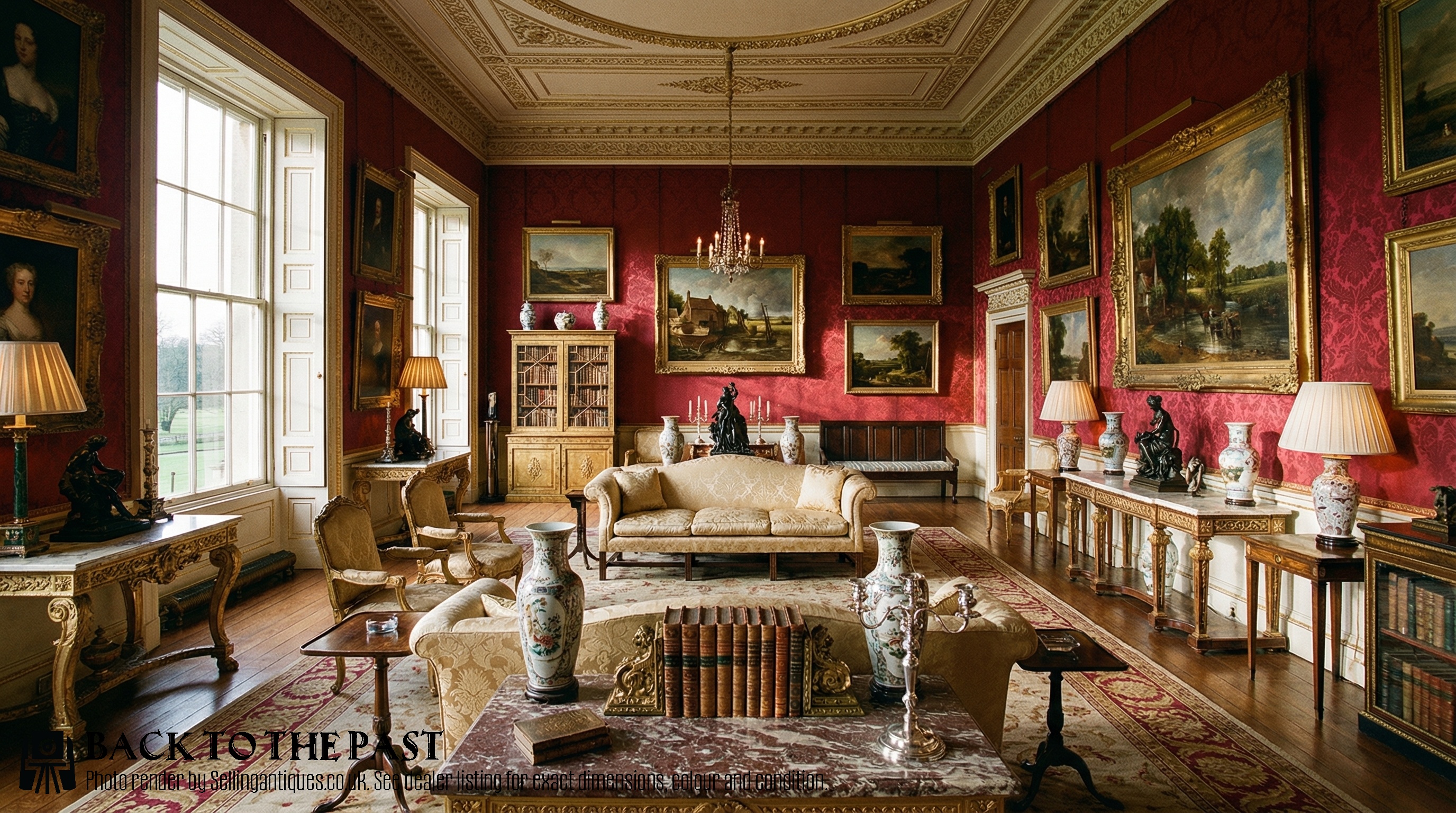
Antique Panelled Bench
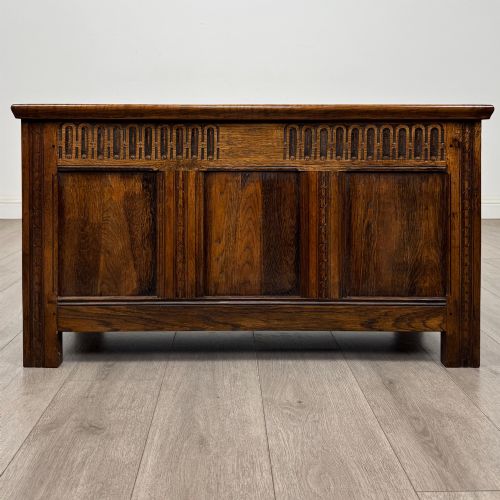
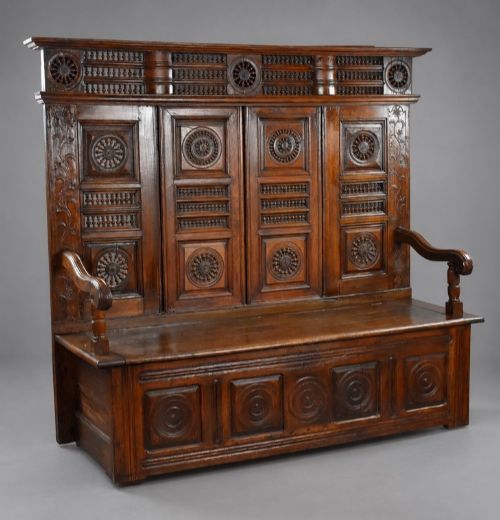
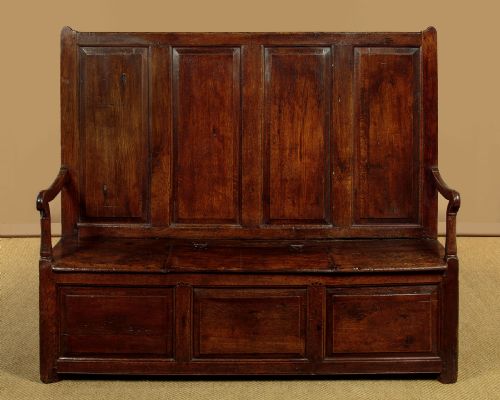
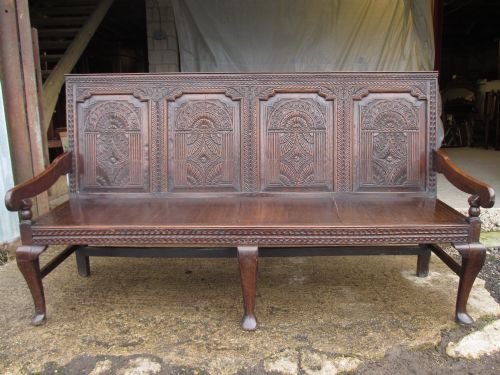
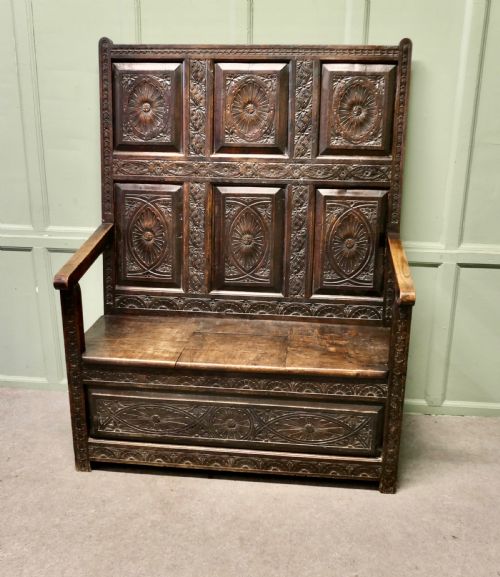
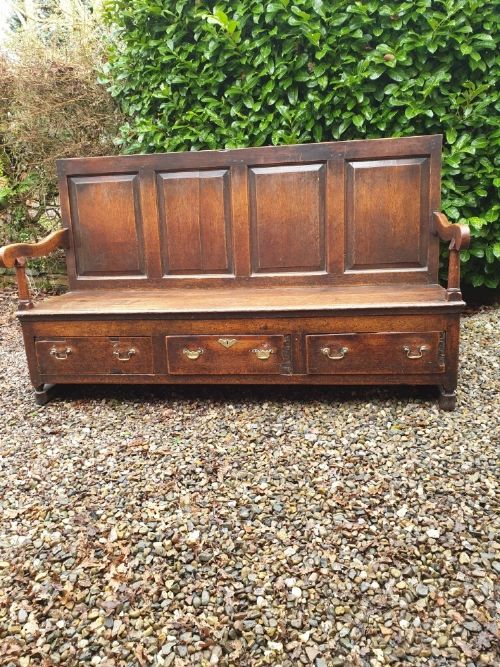
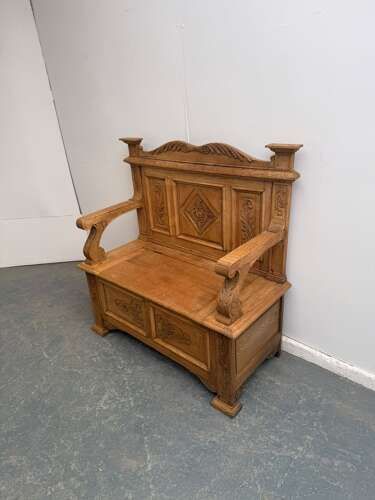
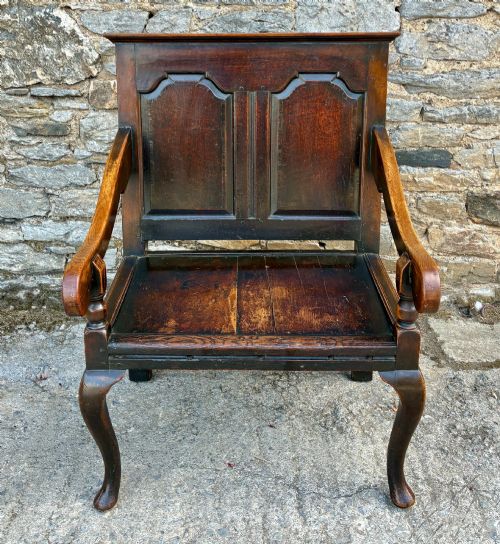
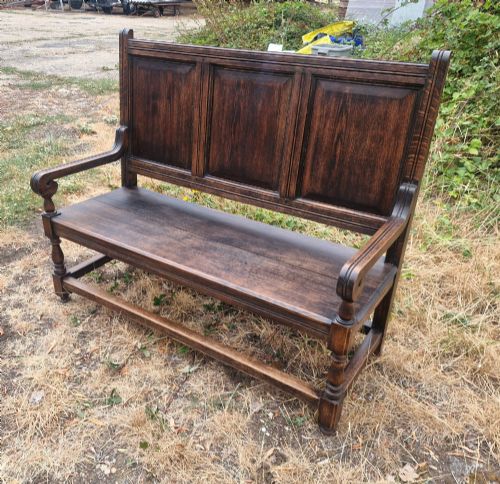
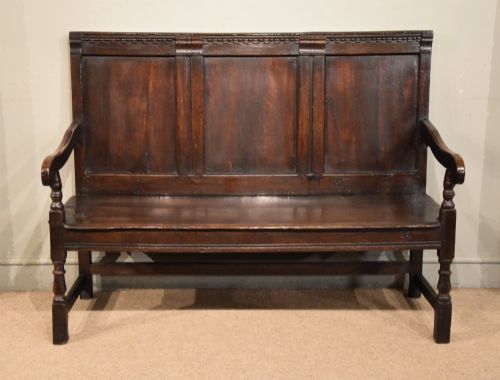
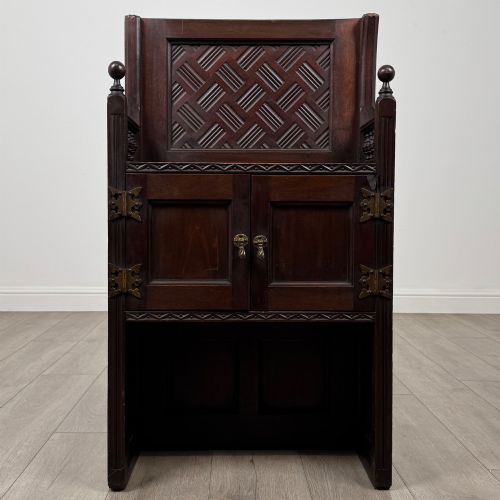
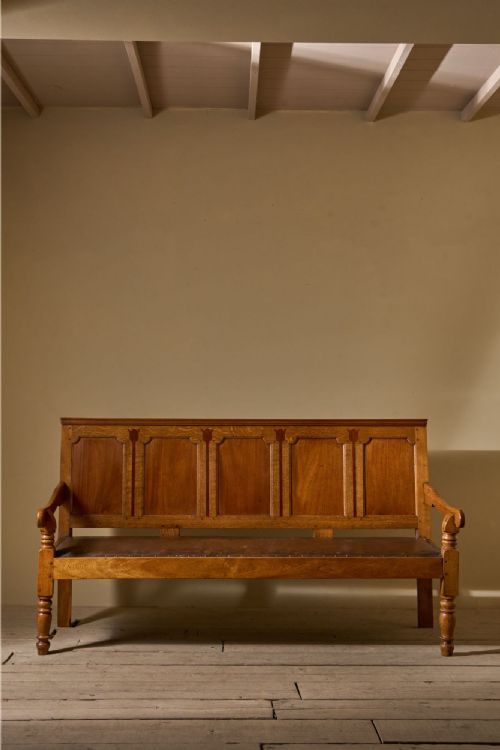
An antique panelled bench is a robust wooden seat designed for communal spaces, featuring a tall back and solid joinery. When exploring this selection, buyers will encounter various forms including box settles, hall seats, and chapel pews spanning from the seventeenth century through the Edwardian era.
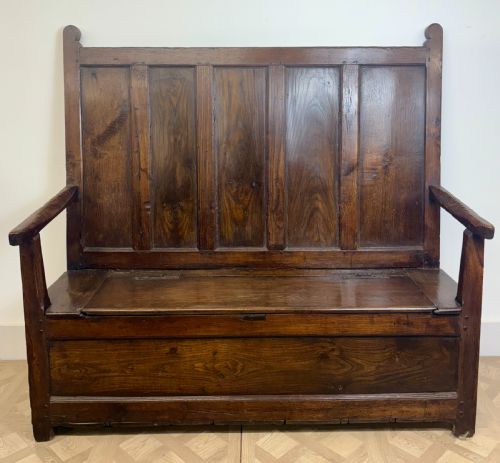
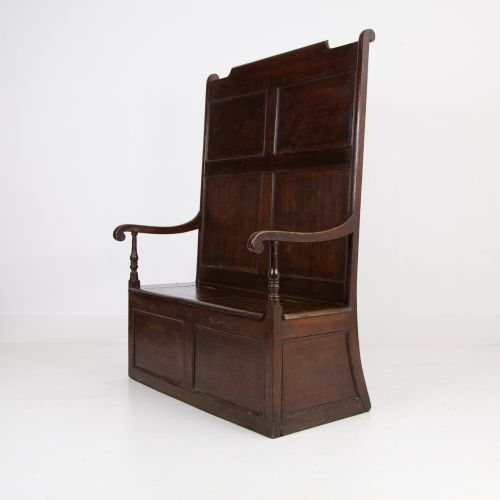
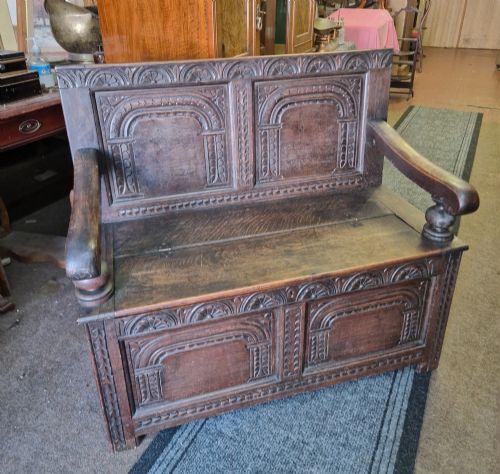
The heavy oak box settle represents the most frequent form on this page, often incorporating a hinged seat lid to provide storage beneath. These pieces originate predominantly from English, Welsh, and continental rural workshops, reflecting practical domestic and ecclesiastical needs.
Makers constructed these benches primarily for draughty hallways and farmhouse kitchens, utilising high panelled backs to shield occupants from cold air. The inventory demonstrates how regional vernacular styles developed distinct proportions, from compact eighteenth-century examples to large country house seating.
Materials and construction methods
Cabinet makers relied on heavy timber planks, utilising oak and pine as the primary structural materials for frames, panels, and seats. Secondary woods such as ash and beech occasionally appear in structural framing and spindles.
Traditional frame and panel construction allowed solid timber to expand and contract naturally with seasonal humidity changes without splitting. Joiners secured these joints with wooden pegs rather than modern metal fasteners, reinforcing the stability of high backs and storage boxes.
Listings feature structural materials including oak, pine, fabric, brass, iron, paint, leather, and cane.
Determinants of quality
The integrity of the timber and the depth of hand-carved detailing distinguish superior examples from plain utility seating. Pieces featuring crisp panel moulding, original hinges, and untouched patination demonstrate a higher grade of regional joinery.
Proportion and structural preservation dictate the standing of an antique panelled bench. Examples that retain their original seat boards, unmodified backs, and integrated storage boxes hold greater integrity than those altered or excessively restored over centuries of domestic use.
Norris London
The Antique Panelled Bench Glossary
- Settle
- A wooden bench with a high panelled back, solid armrests, and frequently a box base for storage. It served as principal seating in vernacular interiors before the widespread adoption of upholstered sofas.
- Box settle
- A settle featuring a hinged seat that lifts to reveal a blanket or storage chest underneath. This dual-purpose furniture maximised utility in smaller rooms.
- Panel back
- A wooden back constructed from framed stiles and rails enclosing flat or carved inset boards. This technique provided structural rigidity while allowing decorative carving.
- Vernacular
- Everyday furniture built by local craftsmen using regional traditions and readily available materials rather than following metropolitan academic designs.
- Patina
- The surface sheen and colour acquired by wood through decades of handling, waxing, and exposure to light. A desirable natural surface shows age without modern artificial intervention.
Antique Panelled Bench: Frequently Asked Questions
What is the difference between a settle and a pew?
Settles typically incorporate enclosed storage boxes beneath the seat and solid panelled backs designed for domestic or tavern use. Pews generally feature open bench seating without storage, originally built for churches and chapels.
Both forms share heavy timber construction and tall backs, but settles reflect domestic utility while pews indicate ecclesiastical origins.
How do I identify an eighteenth-century oak settle?
Eighteenth-century examples display pegged frame and panel construction, hand-planed surfaces, and distinct regional carving styles. The timber exhibits deep colour variation and natural surface wear accumulated over generations.
Inspect the underside and interior of the box base to verify period joinery methods and the absence of machine-cut components.
Where should I place a heavy wooden bench at home?
These benches suit entrance halls, boot rooms, and large dining kitchens where their tall panelled backs create a natural partition and provide useful seating. Many examples also offer concealed storage beneath the seat for blankets or shoes.
Keep wooden furniture away from direct heat sources and dramatic humidity shifts to protect the antique timber and finish.
How do I care for a waxed oak finish?
Maintain the surface by applying a traditional beeswax polish sparingly and buffing it gently with a soft cloth to preserve the natural sheen. Avoid silicone-based sprays and excessive moisture.
Regular dusting prevents particle buildup in carved panels and keeps the historic patina stable.