

Antique Pair Wall Paintings
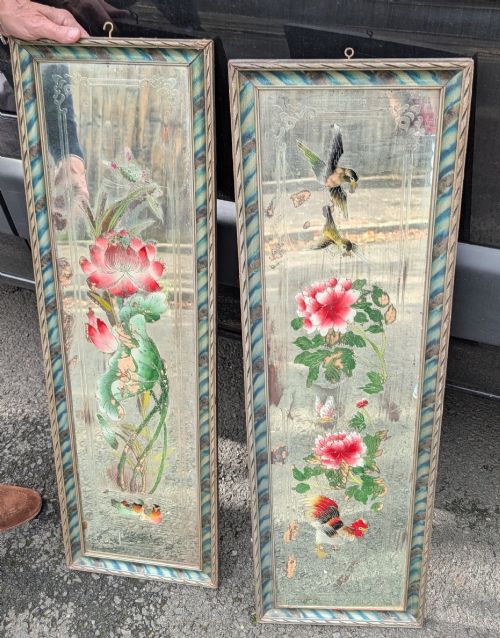
An antique pair wall paintings brings balanced harmony to a room through matching subjects, frames, and hands.
Antique Pair Wall Paintings
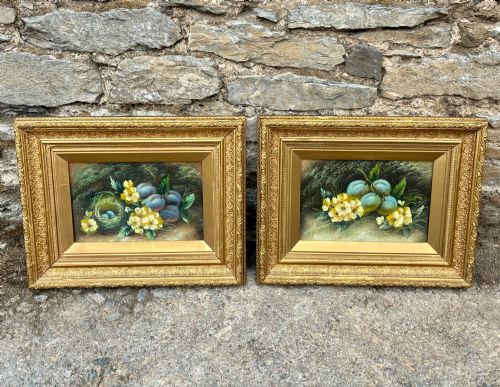
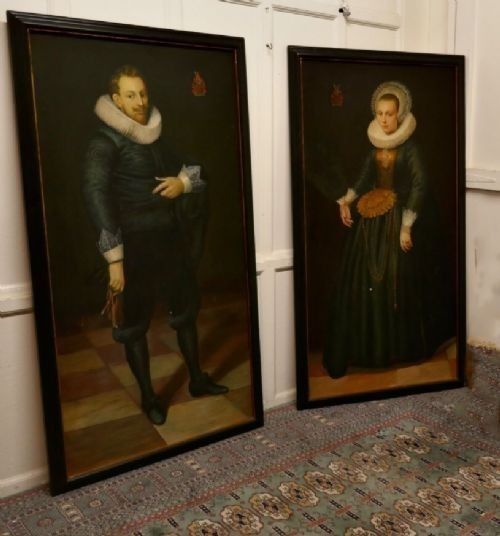
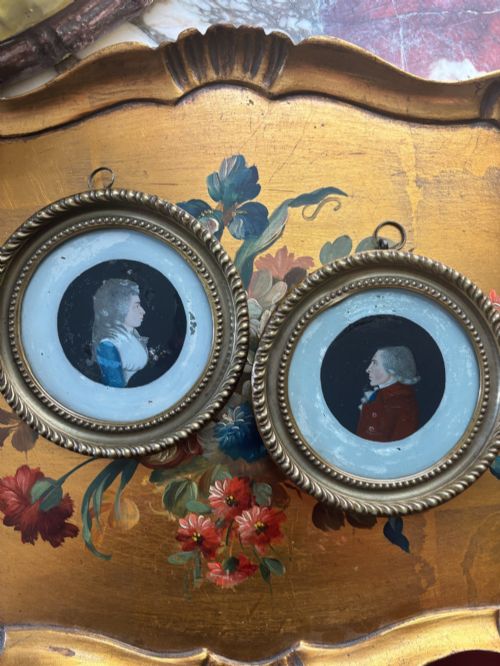
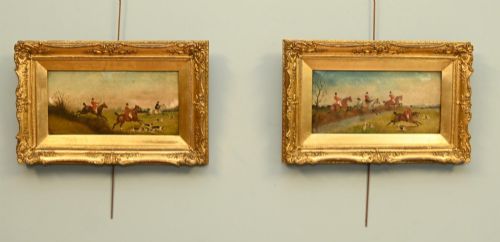
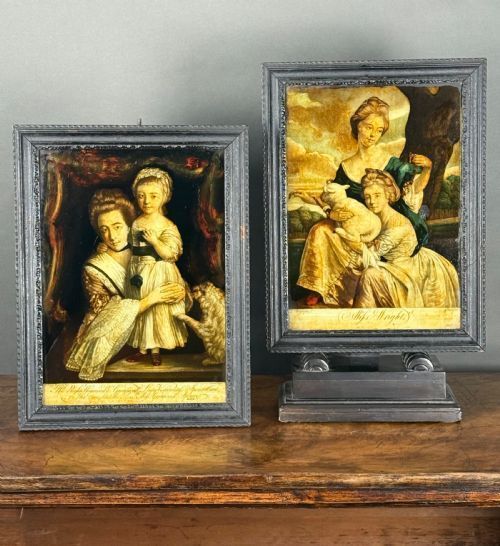
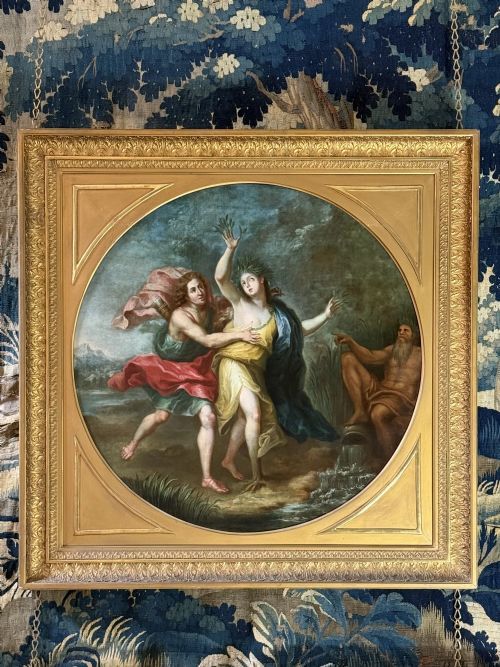
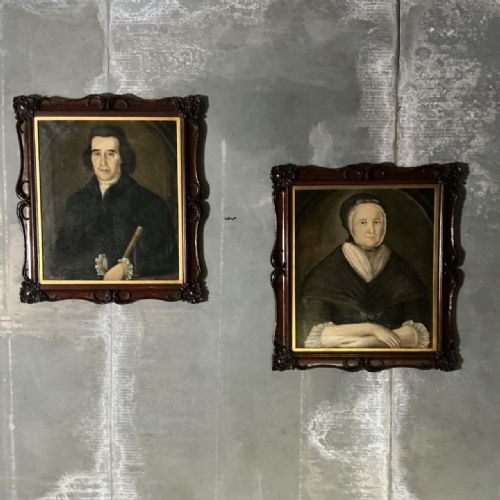
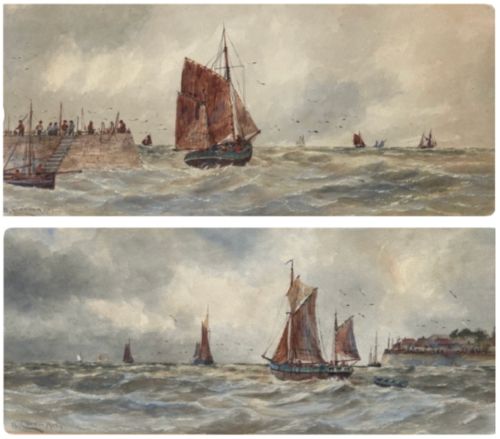
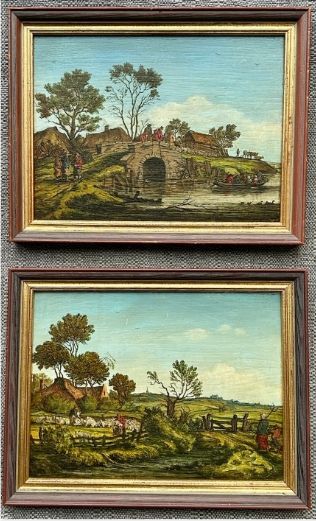
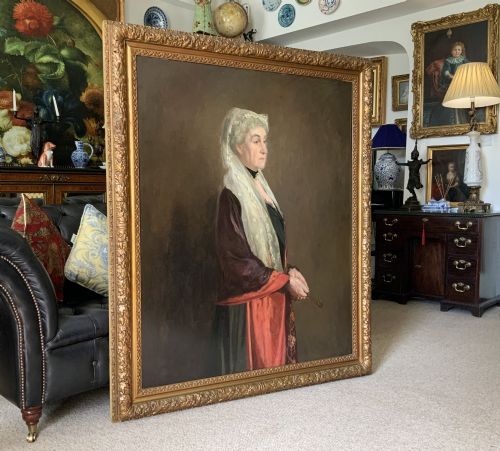
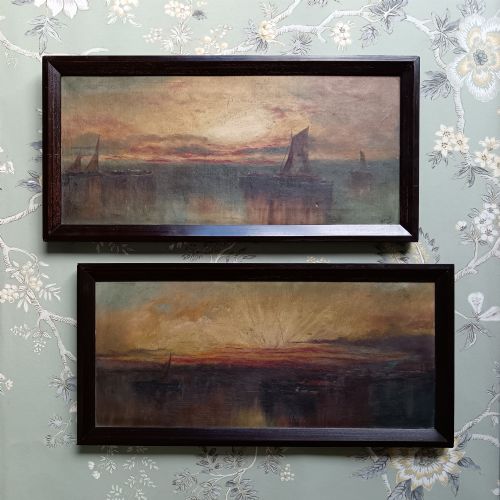
When you search for antique pair wall paintings, you encounter matched sets designed to hang together in symmetrical balance. These dual artworks typically share a single artist, frame style, period, and complementary subject matter like sunrise and sunset scenes or male and female portraits.
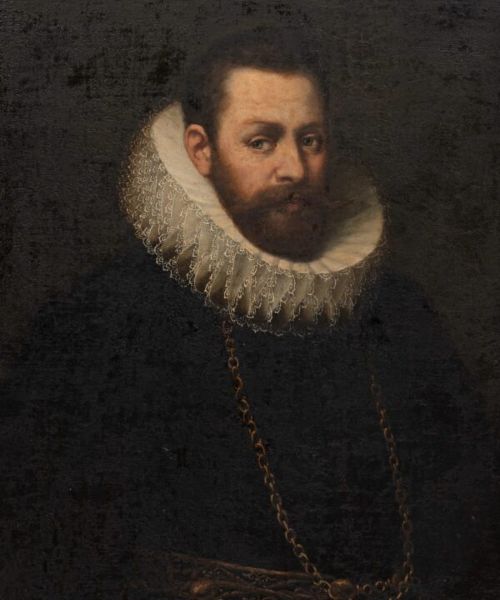
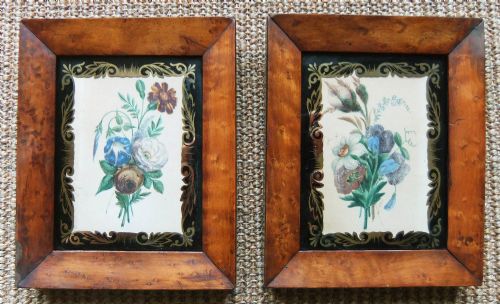
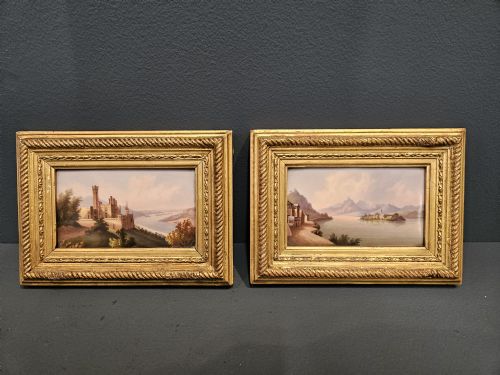
The selections span oil on canvas, delicate watercolours, pastels, and wood panel works originating from the 18th century through the Edwardian era. You will frequently find portrait pairs, floral still lifes, and pastoral landscapes designed to anchor opposite sides of a mantelpiece or focal wall.
Beyond standard canvases, the category encompasses framed silk paintings, gouache studies, and gouache flower still lifes housed in original giltwood or simple timber frames. Each pair offers a window into historical interior decoration where balanced symmetry reigned supreme.
How they were made
Makers applied oil paint, watercolour, or pastel onto prepared supports of canvas, stretched silk, paper, or solid wood panels. Artists often used traditional pigments bound in oil or water, sealing delicate works behind protective glass.
Frames play an integral structural and aesthetic role, frequently utilising carved wood embellished with gold leaf or giltwood finishes. These surrounds were built specifically to house the matching images and protect the fragile media within.
Trompe l'oeil cherubs playfully challenge viewers to tell painted mischief from actual carved relief.
What varies in quality
Quality rests primarily upon the skill of the artist's brushwork, the expressiveness of the subject, and the preservation of the original surface. Masterful handling of light, shadow, and anatomy elevates a pair far above standard decorative studio output.
The integrity of the original framing and the matching condition of both pieces heavily influence the overall standard. Pairs that remain together with their period glass, stretchers, and gilding intact represent the peak of the maker's craft.
Charles Antoine Coypel·Michael Dahl·Thomas Murray·Robert Cleminson·Theodore Jensen·Abraham Hulk I
The Antique Pair Wall Paintings Glossary
- Giltwood
- Wood carved and coated with a thin layer of gold leaf or metallic powder. This finish provides a luminous border that catches interior candlelight or daylight.
- Oil on Canvas
- Pigment mixed with drying oil applied to a woven fabric stretched across a wooden frame. This durable medium allows for rich colour blending and textured brushwork.
- Pastel
- A dry painting medium consisting of powdered pigment and a binder rolled into sticks. Works on paper require glass protection to prevent the loose pigment from smudging.
- Watercolour
- A paint consisting of colorants suspended in a water-based solution applied to paper or silk. It yields translucent washes that capture luminous atmospheric effects.
- Provenance
- The documented history of ownership belonging to an artwork. It establishes authenticity and traces the journey of the pieces through time.
Antique Pair Wall Paintings: Frequently Asked Questions
How do I hang a pair correctly?
Hang the two pieces at equal eye level with a consistent gap between them to maintain visual symmetry. Aligning the centre points ensures they anchor the wall space effectively.
Position them where natural light avoids direct glare on the glass or varnish. This placement preserves the pigments and allows balanced viewing from across the room.
Were these always sold together?
Artists painted these compositions as deliberate companion pieces meant to complement one another in subject and palette. The matching frames and complementary themes confirm their joint creation.
Keeping them united preserves the historical intent of the commission. Separating companion works diminishes their narrative and decorative balance.
How do I identify the period?
Examine the stretcher bars, canvas weave, and framing techniques for clues regarding the date of manufacture. Hand-beveled wooden panels and early paper stocks often point towards specific centuries.
Stylistic cues in clothing, hair, and ornamentation provide reliable dating markers. Comparing the handling to known signed works confirms the era.
How do I care for antique watercolours?
Keep delicate watercolours away from direct sunlight to prevent the fugitive pigments from fading over time. Stable indoor humidity levels protect the fragile paper supports from warping.
Ensure the backing boards are acid-free to stop chemical degradation of the paper. Professional framing with UV-filtering glass offers optimal long-term preservation.