

Antique Painting Stand
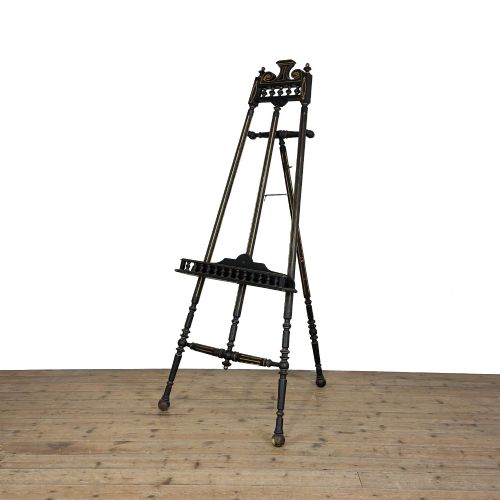
When you search for an antique painting stand, you are looking at functional artists' equipment and display furniture fashioned in wood, brass and iron.
Antique Painting Stand
An antique painting stand encompasses floor-standing and tabletop artists' easels designed to support canvases during work or exhibition, alongside related display furniture.
The pieces listed here span the 18th, 19th and early 20th centuries, covering Georgian, Victorian, Edwardian and Regency periods.
You will encounter oak and mahogany studio easels, alongside decorative painted stands and side pieces that reflect the aesthetic tastes of their era.
How they were made
Makers utilised solid timbers such as oak, mahogany, satinwood and pine, often joined with traditional cabinet-making techniques to bear the weight of heavy frames.
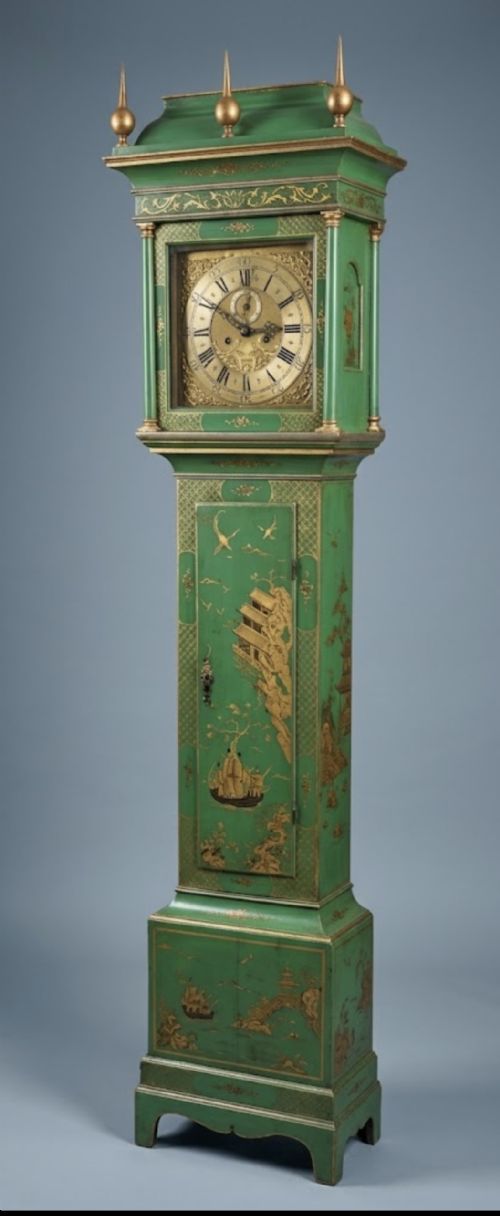
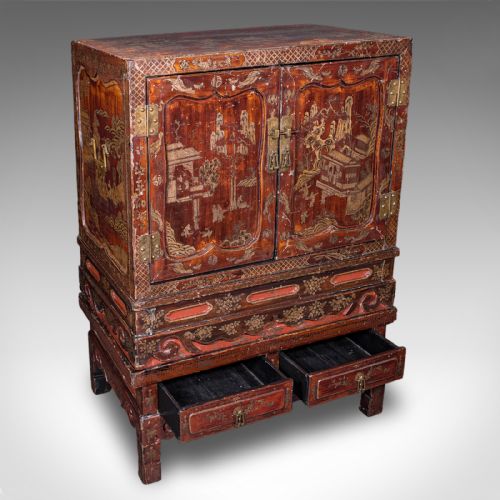
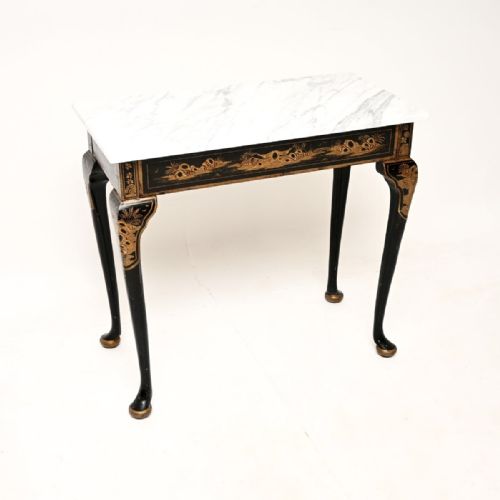
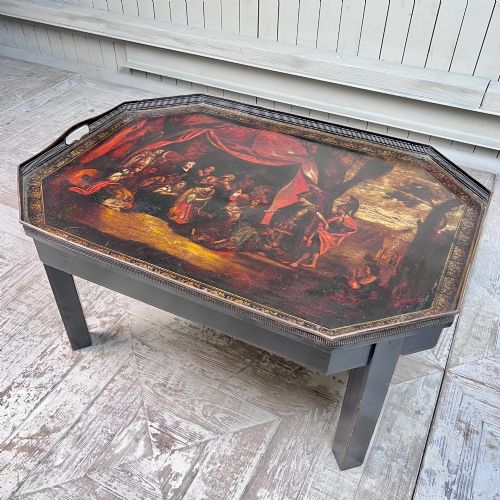
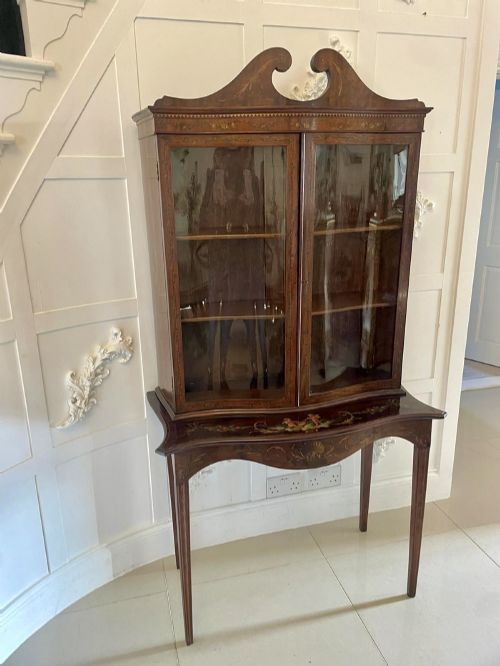
Surface treatments range from original paint and lacquer to ebonised finishes and gilt details, reflecting period preferences for Chinoiserie, Sheraton Revival or aesthetic styles.
Metal components in cast iron or brass provide structural support and adjustable mechanisms on functional studio pieces.
Several stands share space with a folk art ship in a bottle and a rocking horse on its original rocker.
What varies in quality
The distinction between utilitarian studio tools and high-status exhibition pieces lies in the choice of timber and the refinement of carved or painted decoration.
Original surfaces that retain their first paint, lacquer or patination without modern intervention command greater appreciation among collectors.
Reeves and Sons London·Hendrie Ogg Dunfermline·D Straiton Montrose·Constantyn Netscher·H and R Daniel·Coalbrookdale·Sèvres·Minton·Vilhelm Jacob Rosenstand
The Antique Painting Stand Glossary
- Easel
- A freestanding framework used to hold an artist's canvas or panel upright while being painted or displayed. These incorporate adjustable pegs, ledges and winding mechanisms.
- Ebonised
- Wood finished with a dark stain or polish to imitate costly ebony. This technique was favoured during the Victorian and aesthetic periods.
- Satinwood
- A durable, lustrous timber with a yellowish sheen used in fine cabinet-making, particularly during the Sheraton Revival period.
Antique Painting Stand: Frequently Asked Questions
What is an antique painting stand used for?
These stands serve primarily to support canvases, panels or framed artworks during the creative process or for domestic display. They range from robust studio equipment to decorative household furniture.
Heavier wooden easels were built to bear the weight of large oil paintings, while lighter occasional stands held smaller works or served decorative purposes in period rooms.
How do I identify the period of an easel?
Dating relies upon examining the timber species, construction joints, winding mechanisms and decorative styles. Georgian and Regency pieces show simpler utilitarian forms or classical lines.
Victorian and Edwardian examples often incorporate aesthetic movement ebonising, elaborate brass hardware or painted Chinoiserie decoration that reflect contemporary interior fashions.
Are these stands suitable for modern use?
Many surviving wooden easels retain fully operational adjustable height pegs and tilt mechanisms, making them practical for holding contemporary artwork.
Robust construction in oak, mahogany and iron ensures they remain functional studio furniture as well as decorative antique items for the home.
What materials are common on these stands?
Solid hardwoods such as oak, mahogany and satinwood form the primary structure of most English and European pieces. Brass and cast iron appear frequently in functional brackets, screws and bases.
Surface decoration often includes hand-applied paint, lacquer, gilding or ebonising, particularly on pieces produced during the Victorian and Edwardian eras.