
Antique Painting Set
When you search for an antique painting set, you uncover coordinated groupings of framed works, multi-panel compositions, and matched artistic suites spanning centuries of craftsmanship.
Antique Painting Set
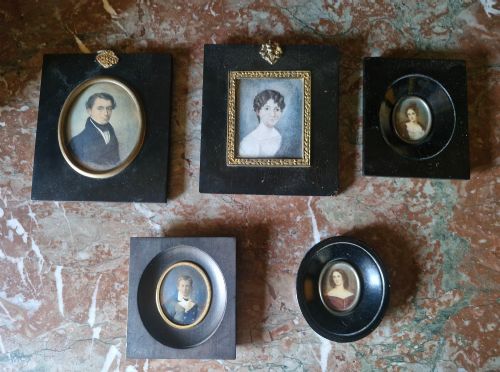
An antique painting set brings together curated visual works, ranging from framed multi-panel portraits and landscape series to coordinated botanical or avian studies created as unified decorative schemes. These groupings frequently appear across the eighteenth and nineteenth centuries, taking the form of oil panels, watercolour series, or gouache paintings.
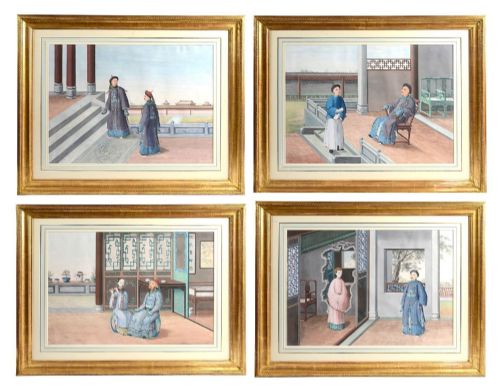
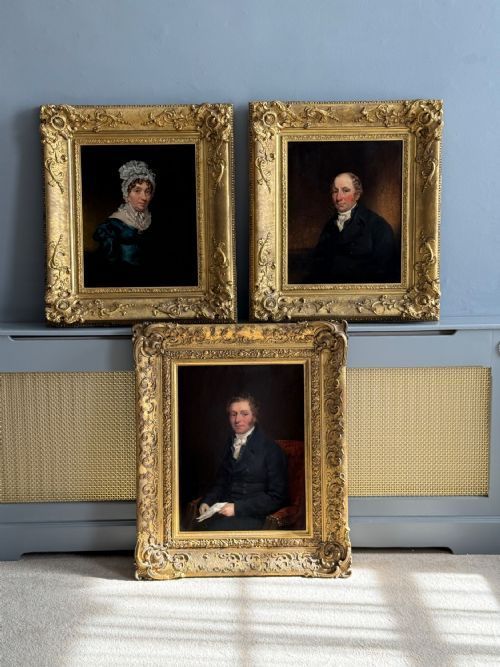
Buyers encounter everything from multi-part aristocratic portraits and Chinese export shipping scenes to decorative pine panels depicting saints and architectural views. The inventory encompasses diverse formats including canvas, paper, wood, and panel supports designed to be displayed together as a single aesthetic statement.
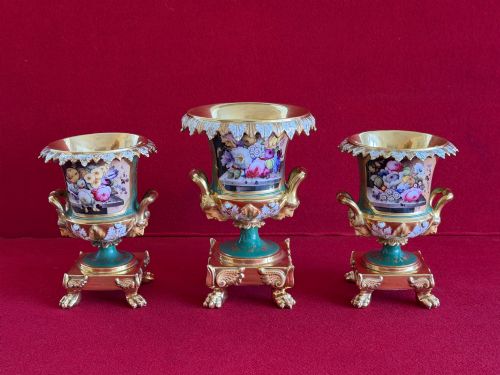
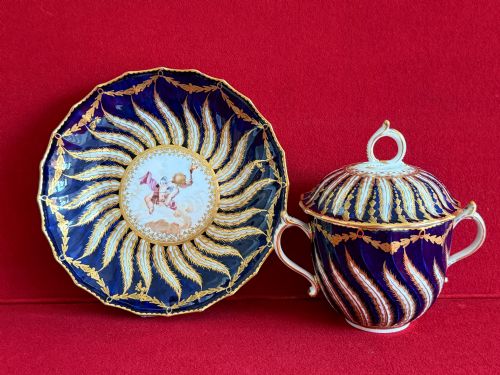
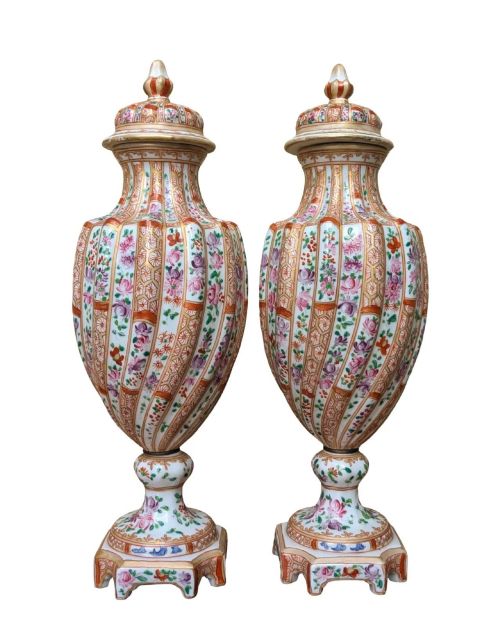
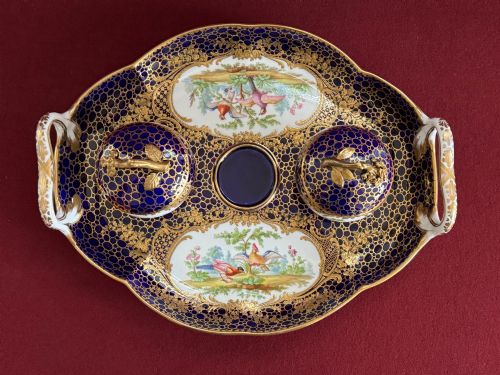
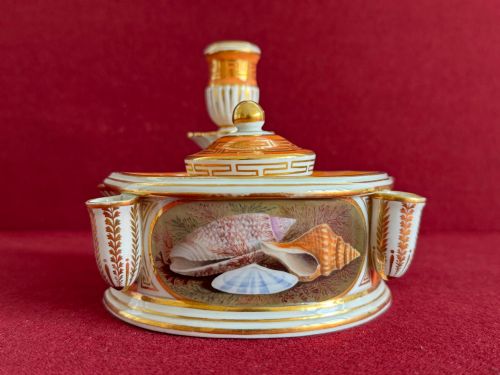
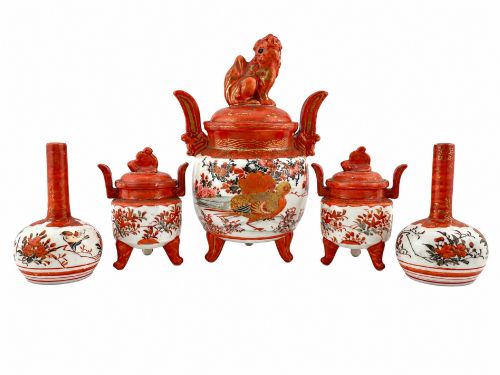
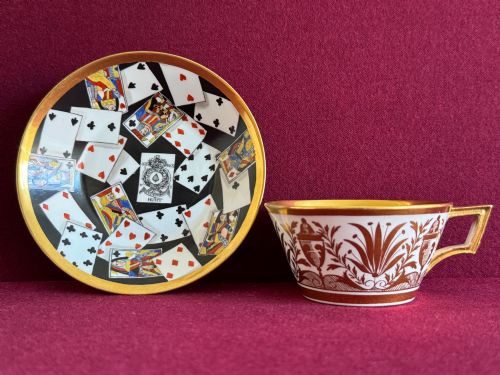
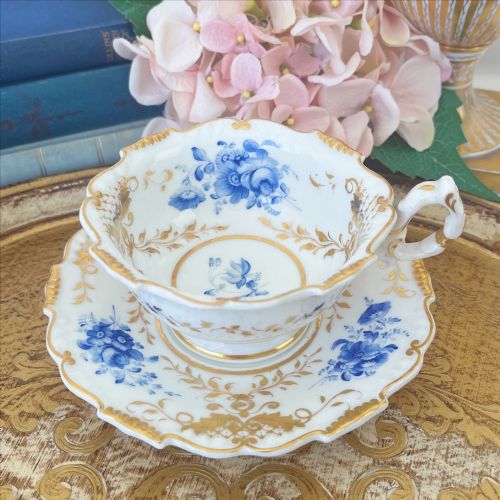
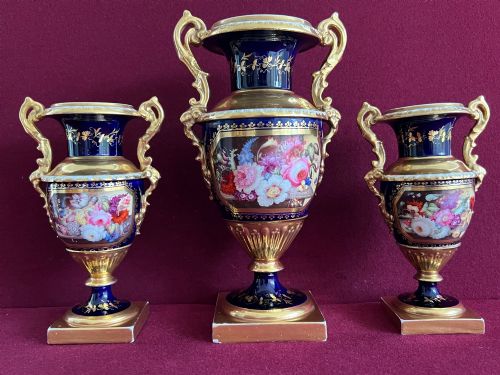
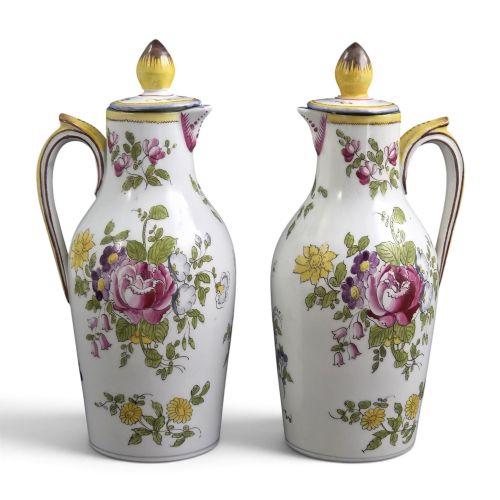
The phrase also extends to decorative ensembles where painted elements embellish functional items like porcelain trios, lacquerware, and furniture screens. Such pieces reflect historical domestic interiors where art and utility intertwined within dining rooms, parlours, and drawing rooms.
How They Were Made
Artists and makers utilised traditional media including oil, watercolour, gouache, and hand-applied pigments laid upon prepared wooden panels, canvas stretched over wooden frames, or heavy handmade paper. These paint layers were frequently sealed with varnishes or protected behind glass within moulded timber and gilt frames.
Substrates varied widely according to the intended function, pairing delicate paper sheets for botanical and avian studies with sturdy mahogany boards, pine panels, or woven canvas for larger landscape and portrait compositions. Applied ornamentation often involved gold leaf, gilding, and lacquer work to enhance the visual weight of the set.
Listings feature works executed in oil, watercolour, gouache, and enamel across canvas, wood, paper, and porcelain supports.
What Varies in Quality
Quality rests upon the precision of the brushwork and the confidence of the draftsmanship visible across each individual component of the grouping. Master artists demonstrated superior handling of light, shadow, and anatomy, whereas lesser examples display stiffness, naive proportions, or mechanical execution.
The integrity of the surviving ensemble determines its standing among collectors, particularly where frames, panels, or porcelain components remain completely original to the suite. Dispersed groupings that have lost their matching elements or suffered unsympathetic restoration command less attention than those retaining their historical cohesion.
Grainger Lee And Co·Falkirk Foundry·Joseph Clover·Spode·H And R Daniel·Chamberlain Worcester·Newhall·Coalport·Meissen·Wedgwood·Kpm Berlin·Fourmaintraux Courquin·Gillows Of Lancaster·Michael Dahl·Sir Peter Lely
The Antique Painting Set Glossary
- Gouache
- An opaque water-based medium producing bright, flat colours. It was frequently employed in nineteenth-century maritime and botanical series for its vivid density.
- Giltwood
- Timber carved and coated with a thin layer of gold leaf or metallic powder. This finish defined the opulent framing styles seen throughout the nineteenth century.
- Panel
- A flat rigid support made from wood such as mahogany or pine used by artists before canvas became universal. Wooden panels offer distinct surface textures compared to woven textiles.
- Trio
- A matched set comprising a teacup, coffee cup, and saucer. These matched porcelain groups were produced by prominent factories during the Regency and Victorian eras.
Antique Painting Set: Frequently Asked Questions
What defines a painting set?
A painting set consists of multiple artistic works created by the same hand or workshop to be viewed as a single coherent group. These range from framed watercolor series to multi-panel oil compositions.
Such groupings were designed to decorate specific wall spaces within grand residences, maintaining uniform palettes and subject matter across every panel or canvas.
How were these sets displayed?
Historical interiors often featured matched groupings arranged symmetrically on drawing room walls or integrated directly into architectural woodwork. Multi-part landscape and portrait series created a balanced narrative across the room.
Smaller watercolour and gouache suites were frequently bound in albums or housed within specialised boxes until selected for framing and public viewing.
How do I care for antique paintings?
Protect delicate oil and watercolour surfaces by avoiding direct sunlight and maintaining stable indoor humidity levels. Sudden environmental shifts cause canvas tension changes and panel warping.
Dust frames and unglazed panels gently with a soft dry brush, and consult a professional conservator before attempting any cleaning of the painted surface.
How can I date an art set?
Dating relies upon examining the framing style, canvas preparation, pigments, and the physical characteristics of the wooden panel or paper support. Handwritten inscriptions, signatures, and maker stamps provide crucial historical markers.
Stylistic conventions in clothing, landscape composition, and brush technique further anchor the work within specific nineteenth-century or earlier decades.