

19th Century Art Box
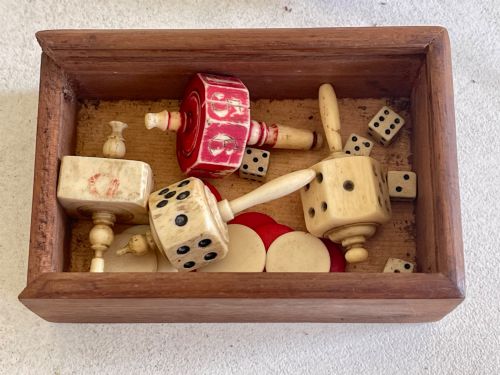
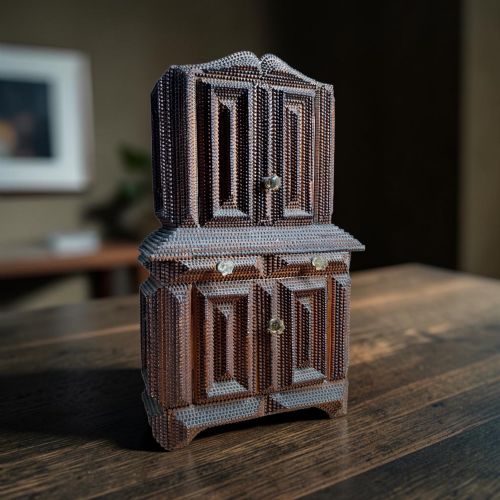
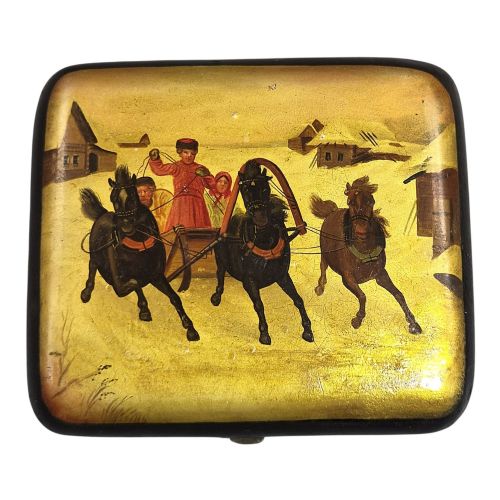
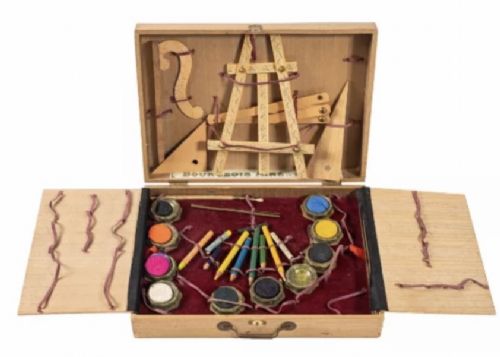
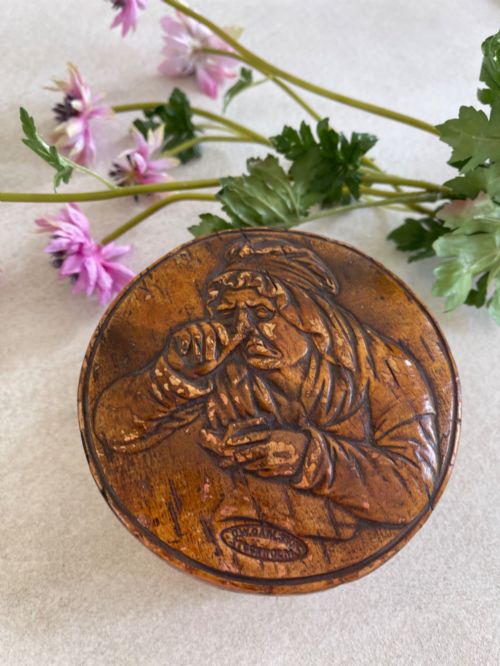
A 19th century art box brings together hand-carved treen, maritime dioramas, and painted folk containers that tell the domestic stories of the period.
19th Century Art Box
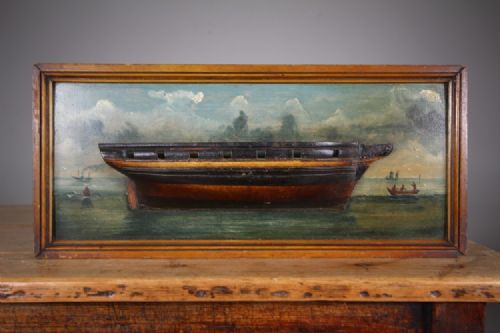
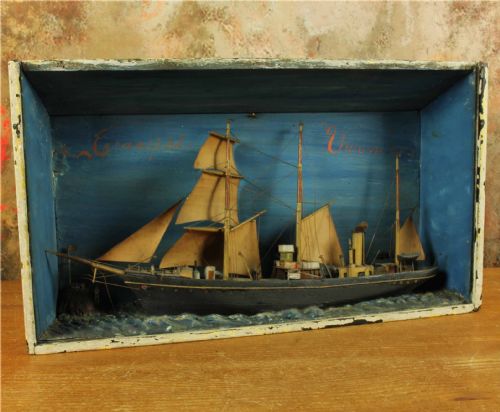
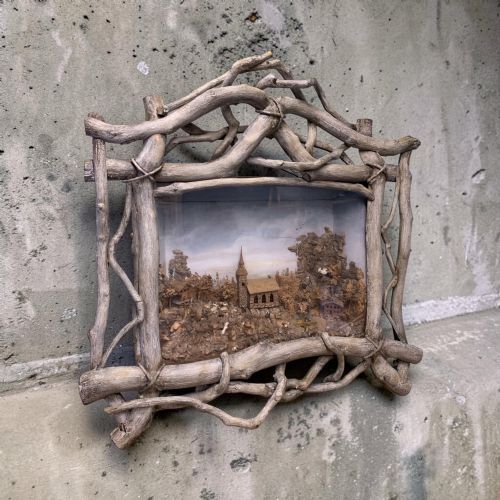
Maritime culture heavily influences the selection, producing detailed ship dioramas housed in glazed wooden frames alongside prisoner-of-war bone and straw pieces. These objects reflect the diverse vernacular traditions of 19th century daily life and maritime endeavours.
Materials and Technique
Makers utilised native softwoods and hardwoods like pine, beech, and fruitwood to construct the primary bodies of these boxes and chests. Many wooden surfaces receive layers of pigment, ink pen work, or oil paint, yielding distinctive Scandinavian and Alpine folk art finishes.
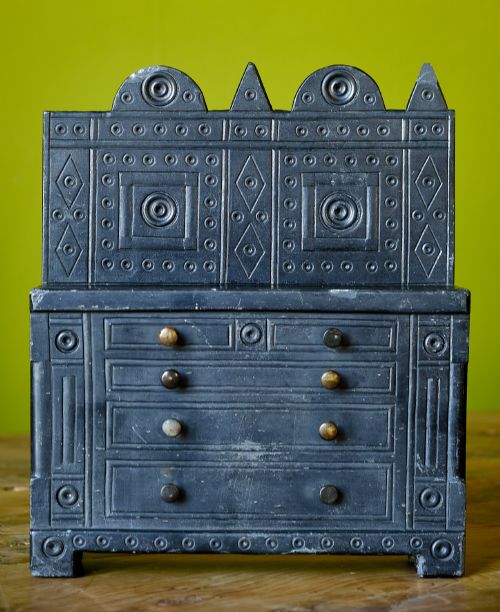
Surface ornamentation relies on traditional artisan techniques such as chip carving, bone inlay, pokerwork, and papier-mâché lacquer. Maritime dioramas incorporate mixed media elements including cork, woven twine, painted paper, and carved wood to create layered three-dimensional scenes.
Listings feature pine, iron, brass, and glass alongside original pigments and painted folk art surfaces.
Craftsmanship and Survival
Quality rests upon the crispness of the hand-carved details, the stability of the box joinery, and the preservation of original pigmented or painted surfaces. Pieces retaining their untouched early patinas and distinct folk art motifs command greater attention from collectors.
The complexity of construction distinguishes simpler containers from masterwork items, such as multi-layered dioramas with intact rigging or intricate bone chip carvings. Degree of wear alters the visual balance, though honest handling marks often complement the rustic character of these functional objects.
Vishnyakov Workshop·Bourgeoise Aine Paris·G Cobb
The 19th Century Art Box Glossary
- Treen
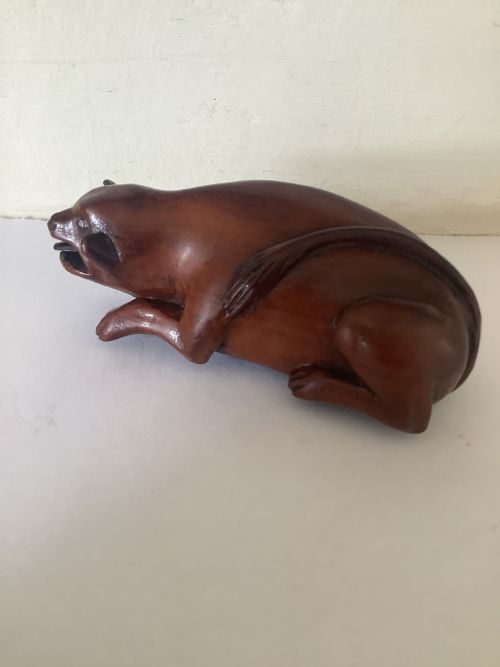
- Small handmade wooden household objects and utilitarian wares. This term covers carved snuff boxes, shoes, and small domestic vessels shaped from fruitwood or boxwood.
- Diorama
- A three-dimensional scenic representation housed within a cased box. These items frequently depict sailing vessels, clipper ships, or maritime coastal scenes constructed from cork, wood, and painted canvas.
- Folk Art
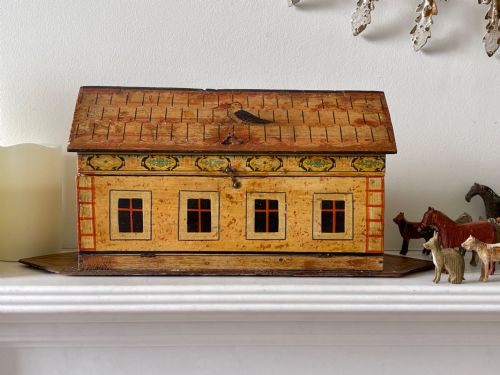
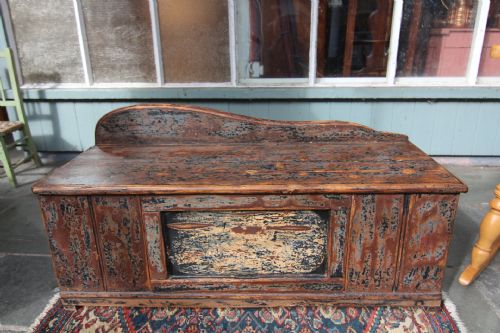
- Utilitarian items decorated or shaped by self-taught traditional artisans using local materials. Examples include chip-carved book boxes, painted marriage chests, and naive animal carvings.
- Straw Work
- Decorative surface patterns created by applying flattened cereal stalks onto a wooden core. Prisoners of war often produced these intricate geometric designs during the Napoleonic conflicts.
- Snuff Box
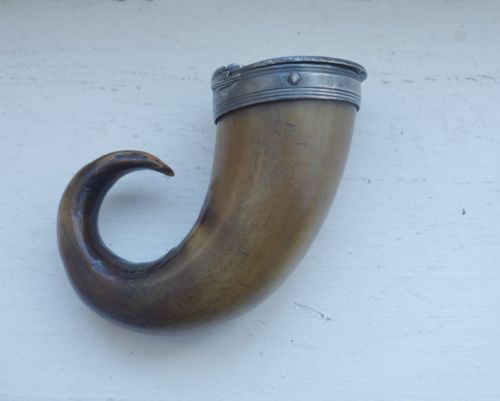
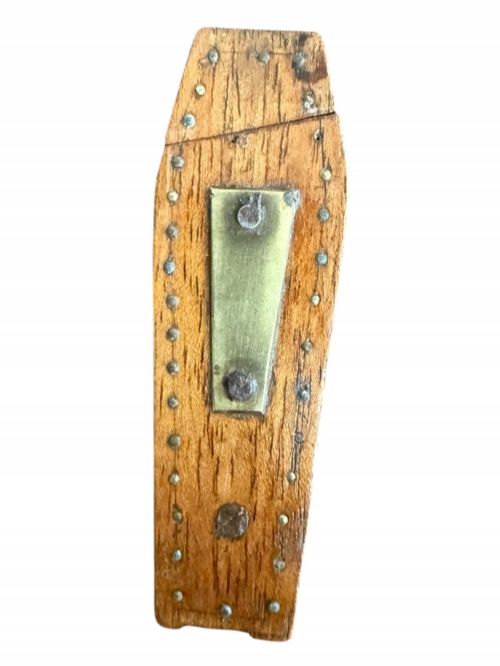
- A small pocket container designed to hold powdered tobacco. These pieces feature hinged lids and appear carved from wood, horn, bone, or shaped as miniature shoes and coffins.
19th Century Art Box: Frequently Asked Questions
What are 19th century art boxes?
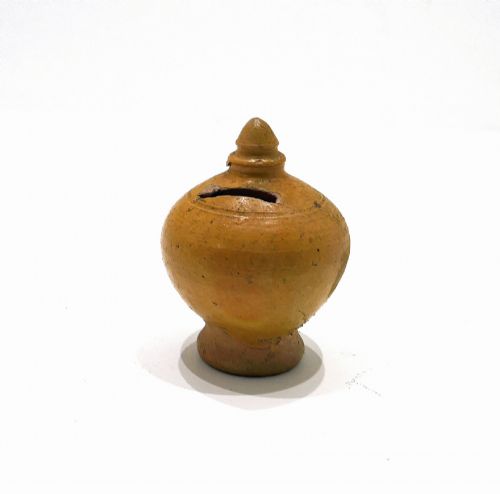
These items encompass decorative and functional containers produced during the 1800s, ranging from miniature treen snuff boxes to large painted folk art storage chests.
Craftsmen and local artisans shaped them from wood, horn, bone, and iron, often incorporating hand-painted motifs or intricate carvings suited to domestic use.
How were folk art boxes used?
People utilised smaller containers to store tobacco, trinkets, coins, and personal letters, while larger coffers and marriage chests held household textiles and valuables.
Maritime boxes and dioramas served primarily as decorative displays commemorating seafaring voyages and naval achievements in homes and maritime cabins.
How do I care for an antique painted box?
Keep wooden and painted containers away from direct sunlight and fluctuating radiator heat to prevent the historic pine or fruitwood from drying out and cracking.
Dust surfaces gently with a dry, soft cloth, avoiding commercial polishes, water, or chemical cleaners that might lift original pigments or historic patinas.
How can I tell regional styles apart?
Scandinavian and Alpine pieces frequently display vibrant original polychrome paintwork, floral motifs, or shaped strong box designs reflecting specific rural folk traditions.
British and French examples often rely on chip carving, bone inlay, pen work, or maritime themes such as cased sailing ship dioramas and prisoner-of-war straw work.