

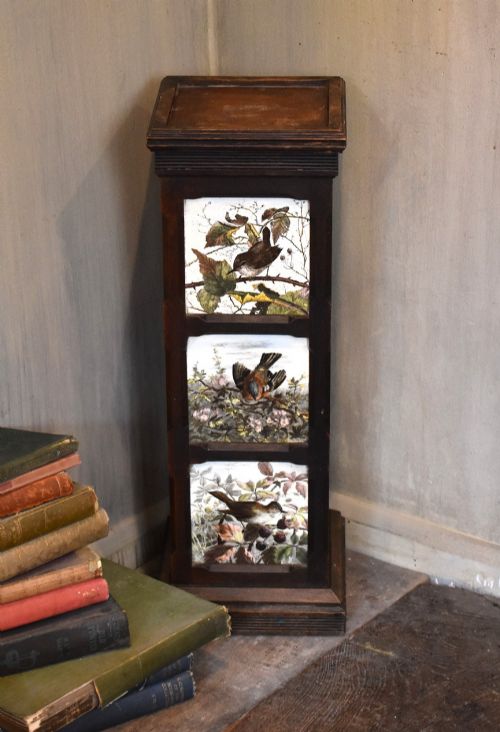


Antique Painted Tile
An antique painted tile brings hand-brushed pigment and centuries of kilns straight to the wall.
Antique Painted Tile
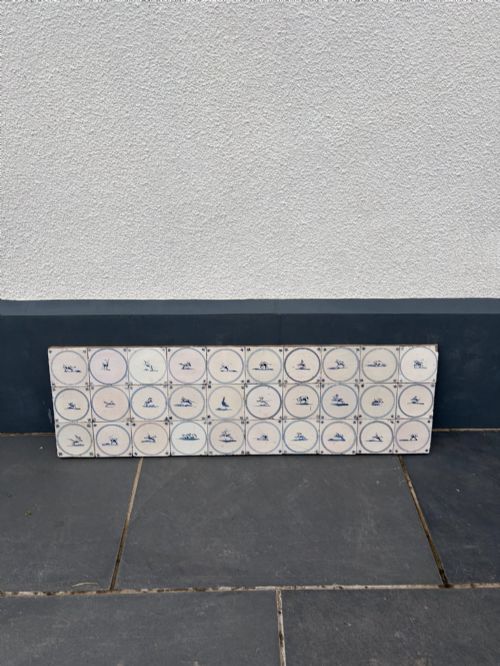
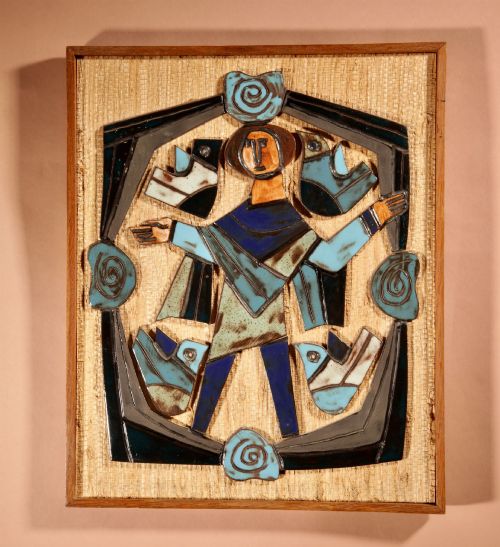
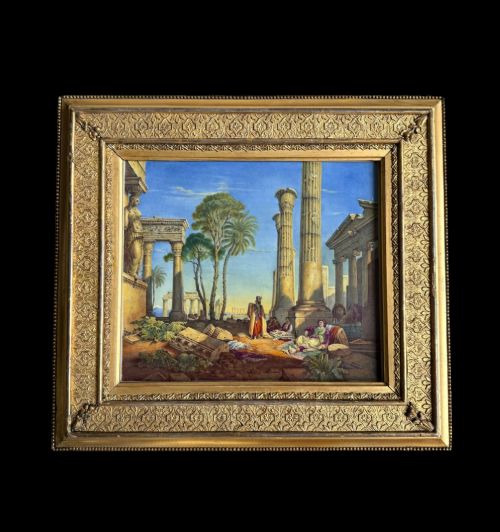
An antique painted tile represents a concentrated piece of ceramic history, taking the form of wall art, plaques, individual decorative specimens, or sets framed for display. When searching for an antique painted tile, buyers encounter everything from early tin-glazed earthenware to porcelain plaques and architectural pottery from the seventeenth to the early twentieth century.
The material origins span Dutch Delft, English porcelain, Italian faience, and Persian production, reflecting diverse regional techniques and aesthetic movements. Domestic forms also appear, including tiled kitchen dressers and wash stands that incorporate these ceramic panels into pine and wood furniture.
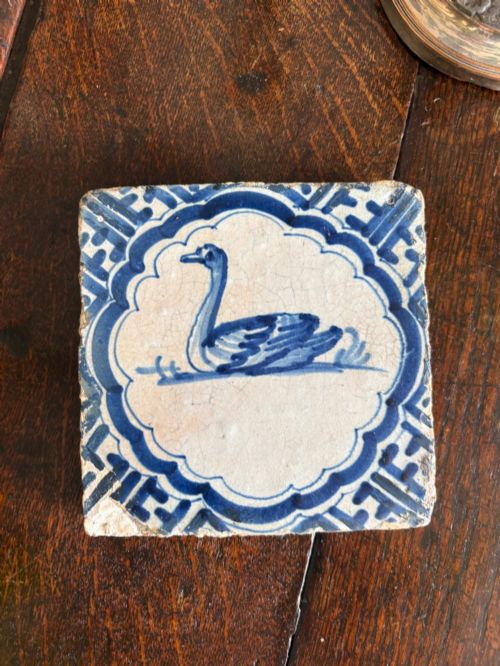
Dutch Baroque and eighteenth-century European pieces frequently feature manganese or polychrome pigments depicting motifs such as swans and biblical scenes. Later nineteenth-century examples shift towards Arts and Crafts ideals, Aesthetic movement furniture, and fine porcelain figure paintings.
Materials and methods
Makers utilised ceramic bodies formed from earthenware and porcelain, applying tin glaze, enamel, and cobalt pigment by hand before firing. The surfaces received liquid glazes that created a vitreous ground for the pigments.
Painters used fine brushes to apply mineral colours directly to the raw glaze or biscuit fired body. Pigments like manganese and cobalt reacted to high kiln temperatures to produce distinct blues, purples, and earth tones.
Antique Painted Tile Retail Price Guide 2026
Typical asking prices for painted tile among the pieces listed under this phrase on Sellingantiques today, from the lower quarter to the upper quarter. They describe what is for sale here now, not the wider market.
Listings span tin glaze, earthenware, and porcelain, moving from seventeenth-century Dutch Delft to twentieth-century Arts and Crafts ceramics.
Judging quality and execution
Superior execution shows in the fluidity of the brushwork and the precision of the hand-painted motifs, where the artist controlled line and tone without hesitation. Finer porcelain plaques exhibit detailed portraiture and careful shading that demand advanced ceramic painting skill.
The depth of the glaze and the purity of the body separate standard utility wares from exhibition pieces. Earlier tin-glazed earthenware displays subtle surface variations from the kiln, whereas nineteenth-century porcelain plaques achieve smooth, canvas-like grounds for figurative art.
KPM·Architectural Pottery Co
The Antique Painted Tile Glossary
- Tin Glaze
- An opaque white glaze containing tin oxide, used as a smooth surface for painting on earthenware.
- Polychrome
- Decoration employing several colours rather than a single cobalt or manganese pigment.
- Faience
- European tin-glazed earthenware, particularly associated with Italian and French traditions.
- Delftware
- Tin-glazed earthenware made in the Netherlands, famous for blue and white or manganese designs.
- Biscuit
- Unglazed ceramic ware that has been fired once in the kiln before glazing and painting.
Antique Painted Tile: Frequently Asked Questions
How do I hang a heavy porcelain plaque?
Heavy porcelain and ceramic plaques require secure wall anchors and brackets designed to support dense materials safely.
Avoid relying on simple picture wire for thick plaques, ensuring instead that the weight rests evenly on a dedicated mounting ledge or sturdy wall hook.
Can these tiles be cleaned safely?
Dusting with a dry, soft cloth is normally sufficient to keep glazed ceramic surfaces clean and free from particle buildup.
Moisture can penetrate old unglazed edges or historic body cracks, so liquid cleaners should be avoided entirely on antique earthenware.
How do I date a Delft tile?
Dating relies on examining the thickness of the ceramic body, the shade of the tin glaze, and the composition of the corner motifs.
Early seventeenth-century pieces differ noticeably in edge finish and pigment tone from eighteenth-century production runs.
Where were these tiles originally displayed?
Many individual tiles and sets were set directly into fireplace surrounds, kitchen walls, or architectural interiors.
Others were mounted as framed art or incorporated into decorative furniture such as wash stands and dressers.