




Antique Painted Tea Tray
An antique painted tea tray brings surface art into daily rooms, moving between serving duty and occasional table use.
Antique Painted Tea Tray
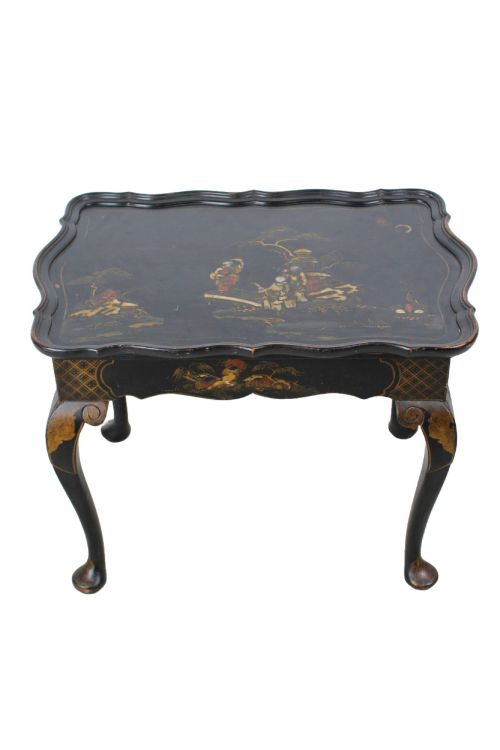
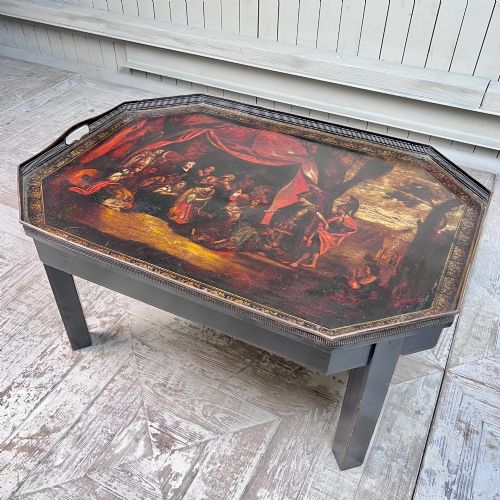
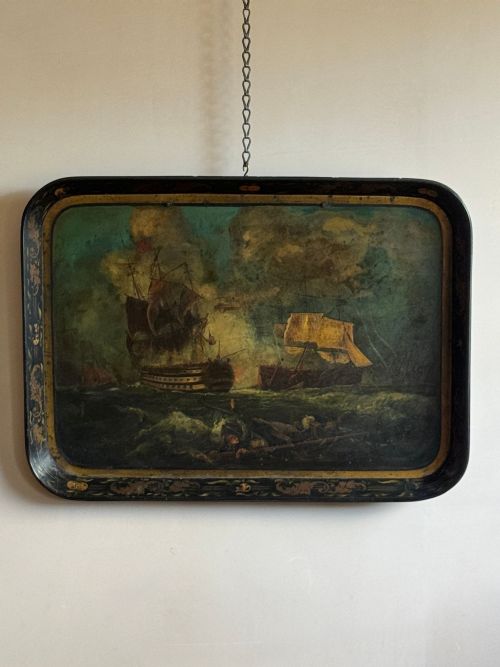
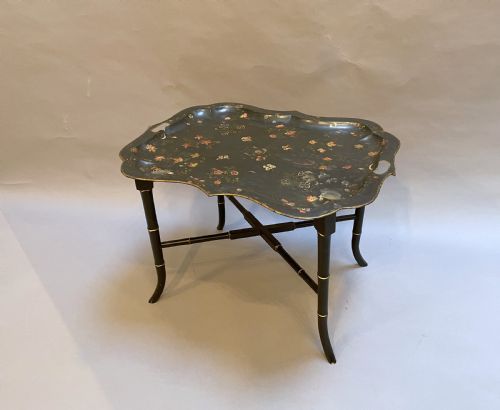
An antique painted tea tray serves as a portable surface or sits mounted upon a folding or fixed stand to function as a low table. When searching this phrase, buyers encounter examples produced across the Georgian, Regency, and Victorian eras.
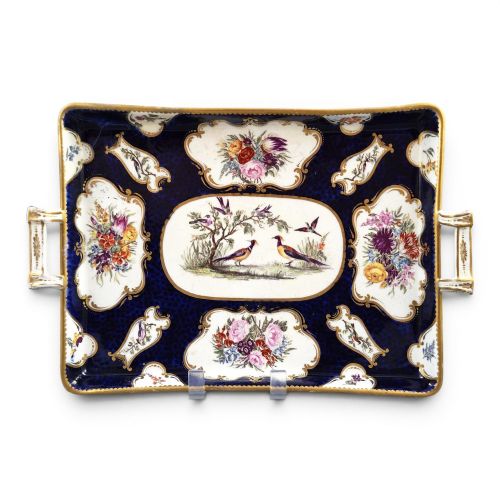
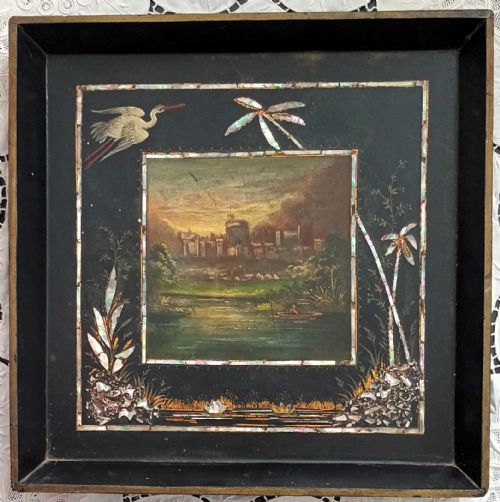
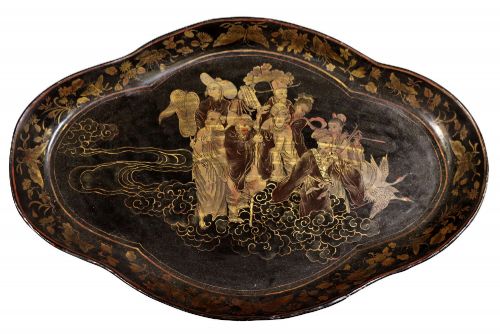
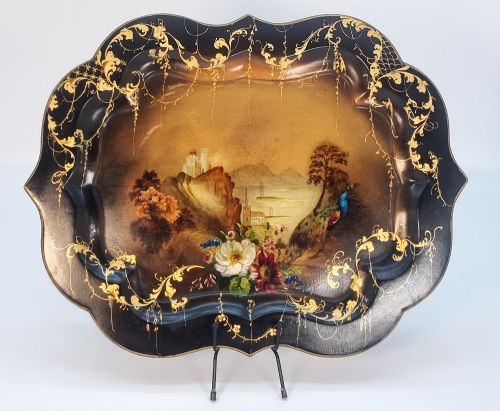
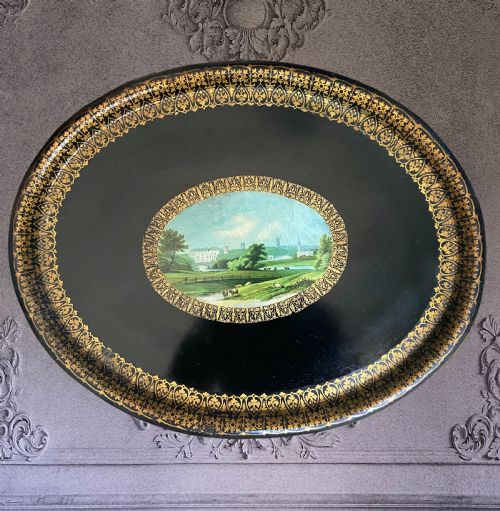
The prevalent forms include oval, rectangular, octagonal, and circular shapes designed initially for hospitality and transformed through subsequent conversion into tray tables. Many items display intricate painted scenes, botanical motifs, or narrative subjects upon dark grounds.
Origins span English workshops, French ateliers, and Swedish studios, utilising specific regional palettes and decorative conventions. Collectors find both flat serving formats and pieces adapted onto later metal or wooden bases.
Materials and Construction Methods
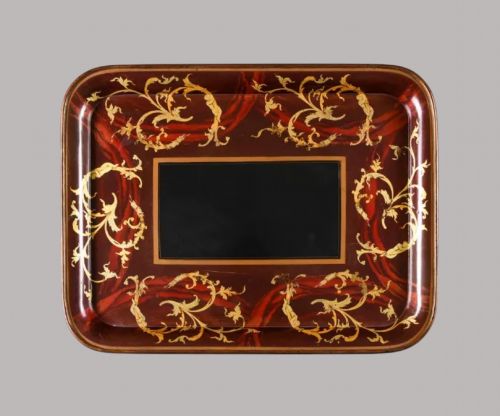
Makers constructed the primary foundation using compressed paper pulp known as papier-mâché, sheet metal designated as toleware, or solid timber. Artisans applied layers of dark lacquer or japan varnish to seal the base before executing the painted composition.
Decorative programs frequently incorporate gold leaf, gilt embellishments, and hand-applied pigments depicting exotic birds, figures, or landscapes. Protective varnish coats seal the completed artwork to withstand the moisture associated with serving tea.
Listings feature papier-mâché, metal toleware, and timber, spanning from the eighteenth century through the Edwardian period.
Evaluating the Range of Quality
The standard of execution in the hand-painted pictorial elements dictates the upper tier of the market, separating mass production from masterwork output. Detailed narrative scenes carrying historical or literary subjects demonstrate superior workshop capability compared to repetitive floral borders.
Originality of surface finish and retention of authentic gilding preserve the intended visual impact of the piece. Conversion stands added later affect the integrity of the object, whereas surviving original stands or unaltered serving formats retain greater historical coherence.
Jennens & Bettridge·H. Meeson
The Antique Painted Tea Tray Glossary
- Papier-mâché
- A composite material formed from paper pulp mixed with glue and resin, pressed into heavy moulds and baked to create a rigid, durable tray base. This medium takes a smooth japanned finish exceptionally well.
- Toleware
- Enamelled and painted sheet metal items produced extensively in workshops during the eighteenth and nineteenth centuries. Pontypool stands as a notable centre for this production.
- Japanned
- A European imitation of East Asian lacquerwork achieved through successive coats of dark varnish cured by heat. It provides a glossy dark ground for gilt and painted ornamentation.
- Chinoiserie
- European decorative art reflecting Chinese artistic styles, characterised by whimsical landscapes, pavilions, and figures. This motif appears frequently on nineteenth-century trays.
- Gilt
- A thin layer of gold applied to surfaces for ornamentation. Artisans utilised gold leaf to highlight borders and focal points within the painted compositions.
Antique Painted Tea Tray: Frequently Asked Questions
How do I use an antique tray safely?
Utilise flat trays for display on sideboards or coffee tables to prevent accidental liquid damage to the historic painted surface. Avoid placing hot vessels directly onto the lacquer or varnish.
For pieces mounted on stands, position them away from direct heat sources and strong sunlight to protect the fragile japanned ground and gold leaf details.
What is toleware?
Toleware refers to lacquered and painted metalware, typically fashioned from tinned sheet iron. Workshops in Pontypool and France specialised in producing these durable domestic items.
The metal base distinguishes toleware from the lighter papier-mâché surfaces common in the Victorian period.
Why are some trays on stands?
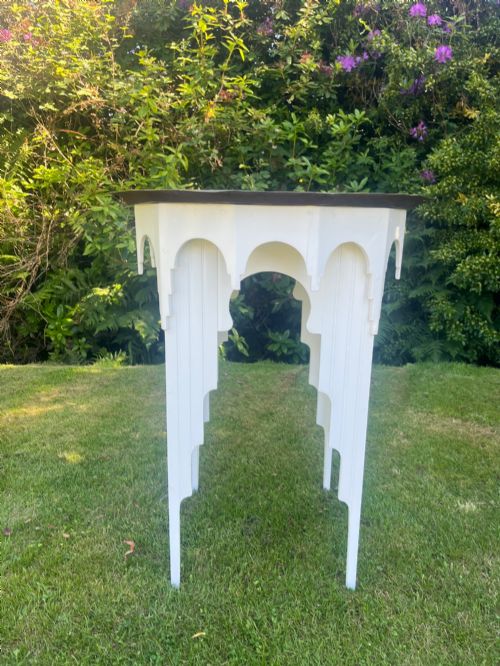
Many trays received matching or later folding wooden and iron stands to convert portable serving pieces into permanent coffee tables or occasional tables. This adaptation gained popularity in the Victorian era and continued into the twentieth century.
Surviving examples on original stands hold particular interest for interior placement.