
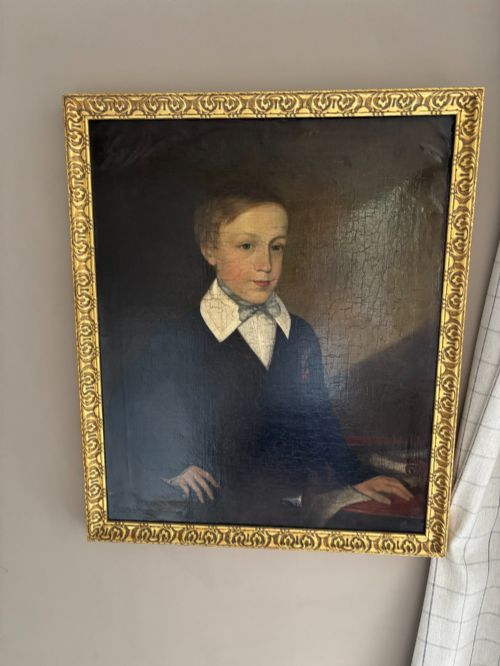
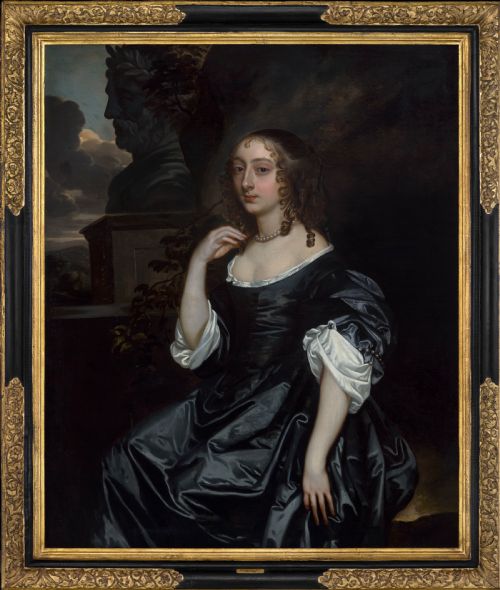
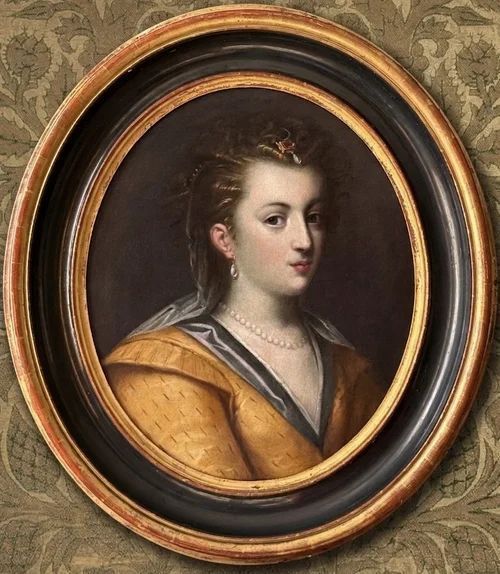
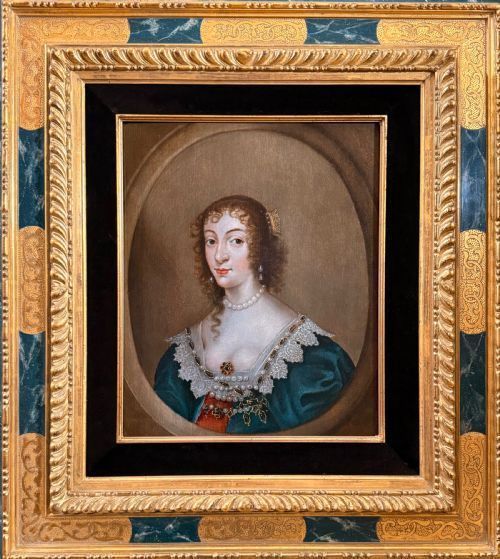
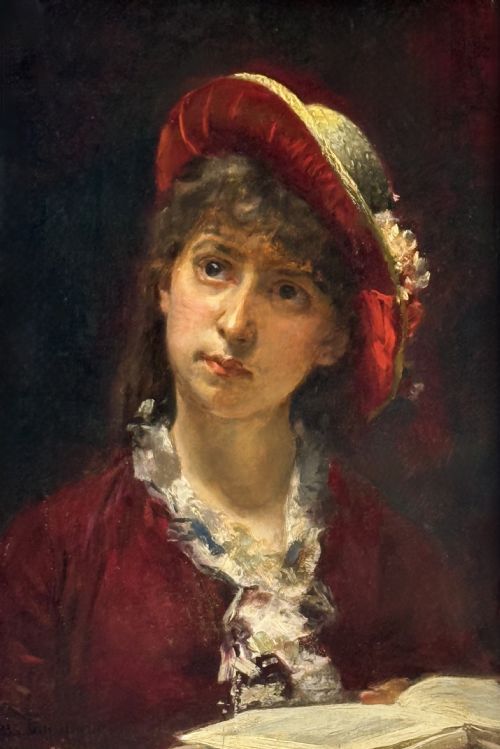
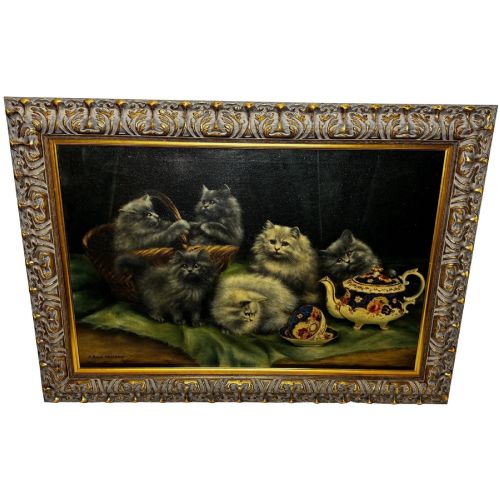
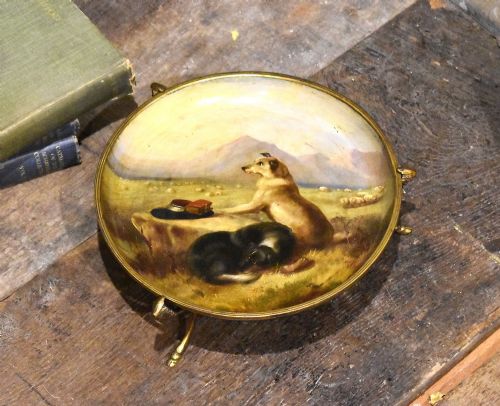
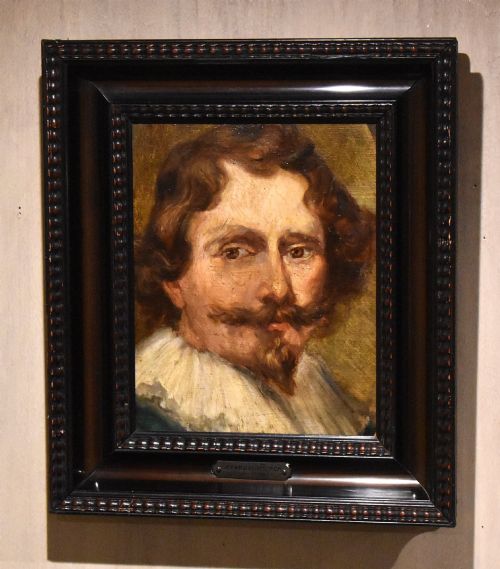
Antique Painted Portrait
An antique painted portrait captures individual identity across centuries, preserving the likeness and station of sitters in oil on canvas, panel, and delicate miniature.
Antique Painted Portrait
An antique painted portrait embodies the likeness of historical figures, nobles, and everyday sitters rendered through centuries of artistic tradition. When searching for an antique painted portrait, buyers encounter works spanning from the sixteenth century through the Edwardian period, executed in media ranging from oil paint on canvas to porcelain plaques and paper.
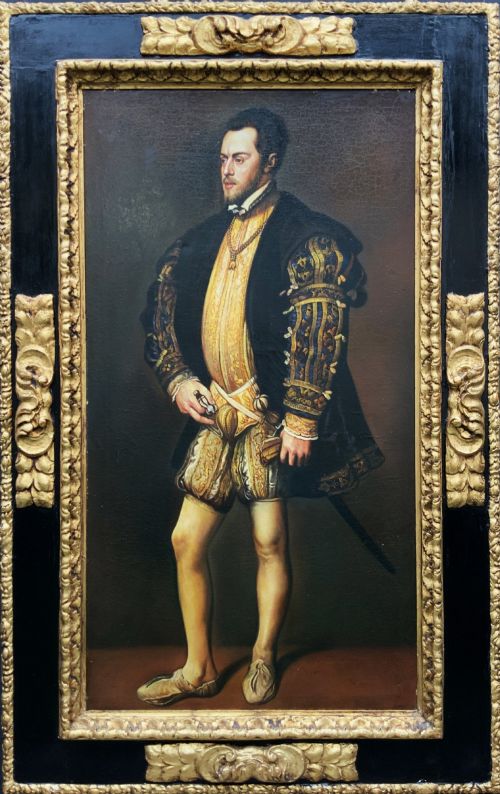
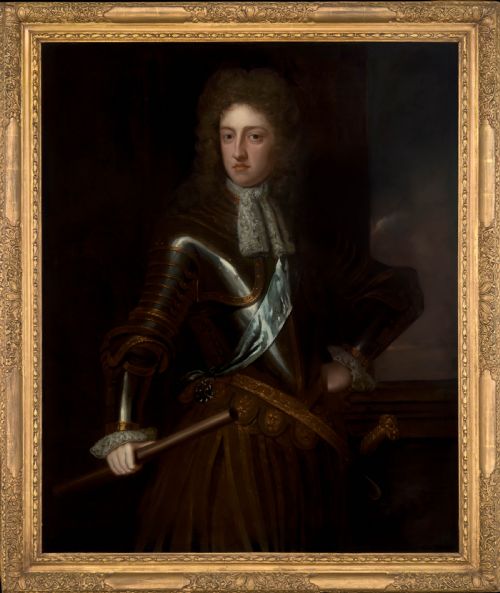
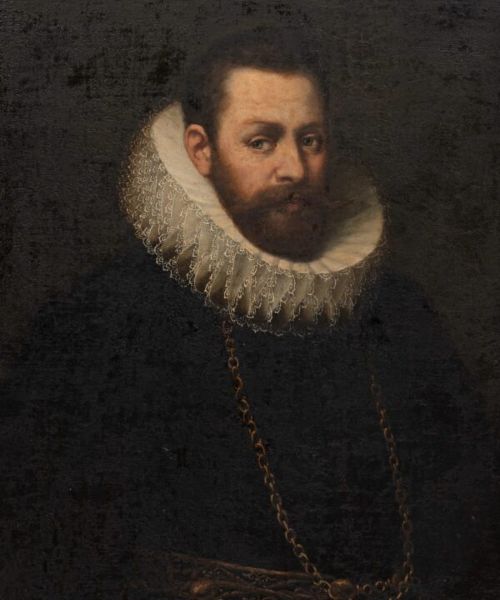
The selection on this page leans heavily toward oil on canvas works from the seventeenth and nineteenth centuries, featuring British, Dutch, and French schools. Formats vary from large oil paintings of noblemen in armour to intimate portrait miniatures and decorative KPM porcelain plaques.
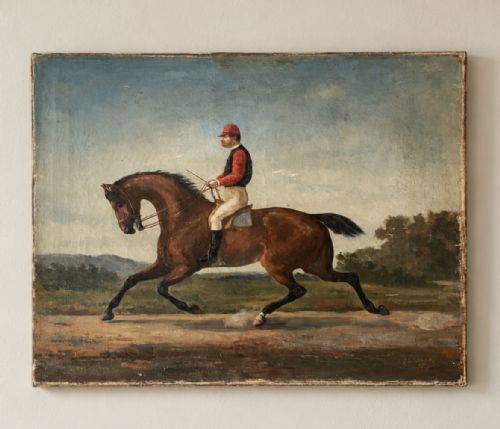
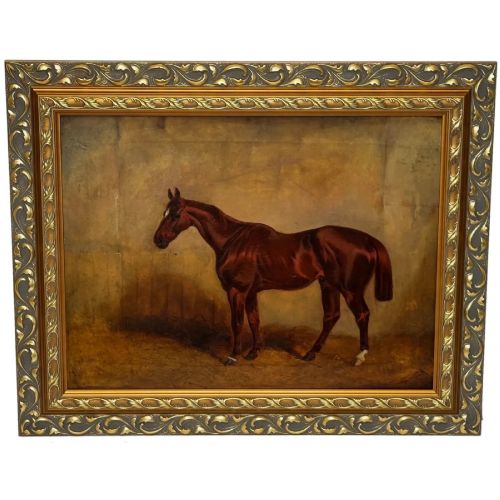
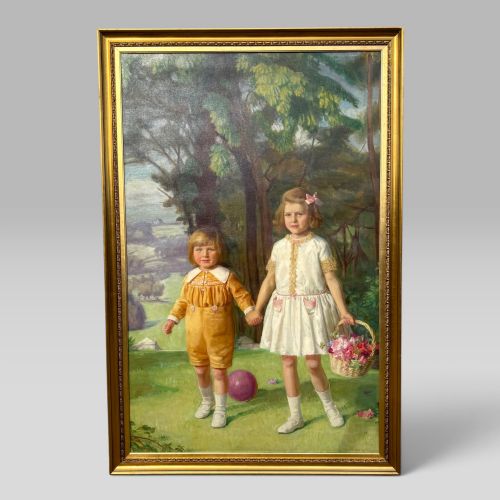
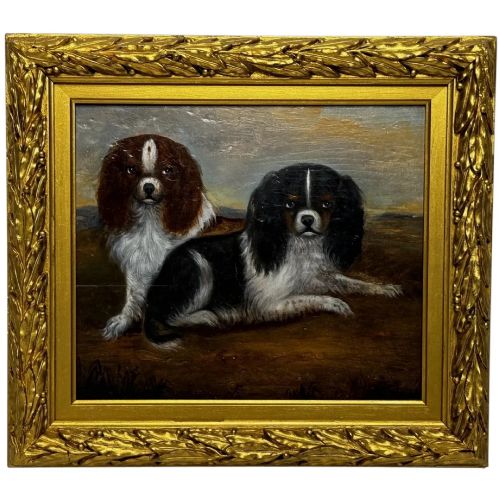
Works attributed to studio circles, regional schools, and named portraitists appear alongside military officers, children, and sporting subjects. Buyers find both formal court commissions and modest portrayals of scholars and nobility.
Materials and Techniques
Makers applied oil paint to stretched canvas or wooden panels, building rich layers of pigment to capture the texture of fabrics, skin tones, and background shadows. Many seventeenth and eighteenth-century works utilise canvas prepared with ground layers, whilst panel paintings provide a rigid, smooth support for finer detail.
Listings feature oil on canvas, giltwood frames, and porcelain plaques spanning the seventeenth to the twentieth century.
Assessing Quality and Execution
Quality in these works rests upon the precision of brushwork, the psychological depth captured in the sitter's expression, and the anatomical accuracy of hands, faces, and drapery. Master painters and established studio circles achieved lifelike rendering of intricate ruff collars, armour reflections, and textile sheens that lesser hands rendered stiffly.
Condition and originality also dictate standing, as unrestored canvases with stable pigment and period-appropriate giltwood frames hold greater integrity than heavily repainted surfaces. The handling of light, shadow, and background atmosphere separates standard decorative workshop output from superior portraiture.
Sir Godfrey Kneller·Sir Peter Lely·Lavinia Fontana·Charles Jervas·Frederick Buck
The Antique Painted Portrait Glossary
- Oil on canvas
- A painting technique where pigmented oil is applied to woven fabric stretched across a wooden frame. This medium allowed artists to achieve rich colour depths and gradual tonal blending.
- Portrait miniature
- A small, highly detailed painting, often created on vellum, paper, or ivory, designed for private viewing or wearing. These works required immense precision using fine brushes.
- Studio of
- A designation indicating that a painting was produced in the workshop of a master artist, often under their direct supervision or following their established compositions. Assistants frequently contributed to these pieces.
- Giltwood
- Wood carved and coated with a thin layer of gold leaf or gold paint. This finish was commonly applied to ornate period frames designed to enhance the artwork.
- Porcelain plaque
- A flat ceramic tablet fired at high temperatures and painted with enamel colours. These were produced by factories such as KPM Berlin to create durable, highly detailed miniature artworks.
Antique Painted Portrait: Frequently Asked Questions
How do I date an antique painted portrait?
Dating relies heavily on the sitter's costume, hairstyle, and the construction methods of the canvas and frame. Fashion shifts in collars, doublets, and military uniforms offer reliable chronological markers for sixteenth through nineteenth-century works.
Signatures, dates inscribed on the canvas reverse, and historical provenance records further narrow the period of creation. Stylistic cues such as Baroque dramatic lighting or Regency restraint help align the painting with its artistic era.
What is the difference between studio work and an original?
A primary original is painted entirely by the master artist's hand, whereas studio or follower pieces were executed by assistants or subsequent artists working in the same style. Studio pieces often replicated successful compositions for a wider clientele.
Whilst master-signed works command higher regard, skilled studio output from periods like the seventeenth century still displays exceptional technical merit and historical value.
How should I care for an oil portrait at home?
Protect oil paintings from direct sunlight, high humidity, and rapid temperature fluctuations to prevent the canvas from warping and the paint layers from cracking. Avoid hanging pieces above active fireplaces where soot and dry heat can damage the surface.
Dust the surface gently with a soft, dry brush or feather duster, avoiding harsh cleaning agents, water, or chemical solvents. Professional conservators should handle any deep cleaning or canvas re-tensioning.
Where were portrait miniatures displayed?
Portrait miniatures were typically kept in private spaces, worn as personal lockets, or stored in protective leather cases rather than hung on walls. Their intimate scale was intended for close, personal contemplation by family members or patrons.
Victorian and Georgian examples often featured hinged frames or bezels allowing the miniature to sit on a desk or be carried discreetly during travel.