
Antique Painted Panels
These antique painted panels encompass centuries of decorative artwork on wood, canvas, and glass.
Antique Painted Panels
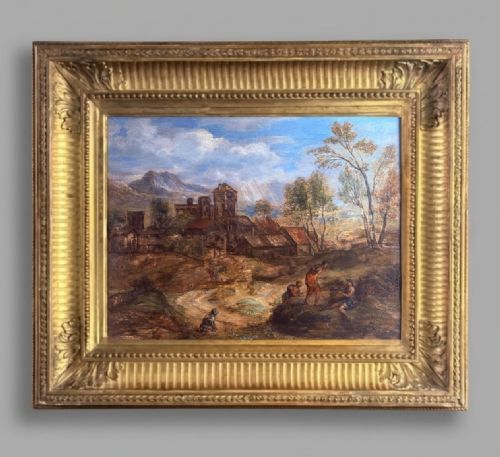
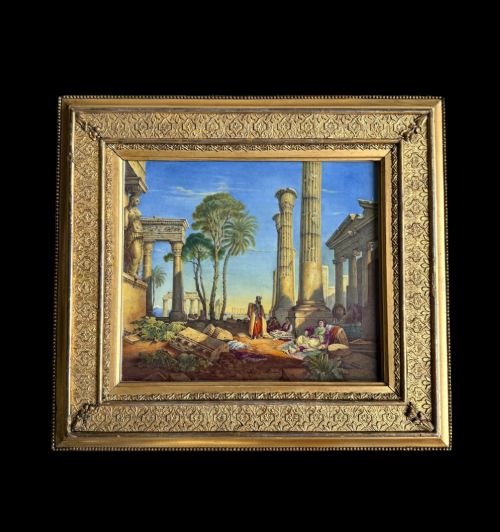
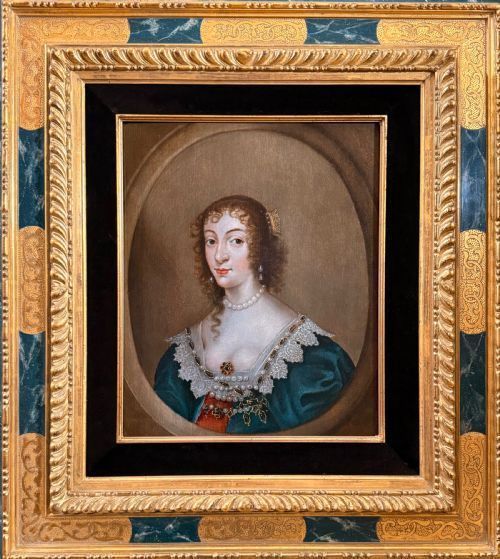
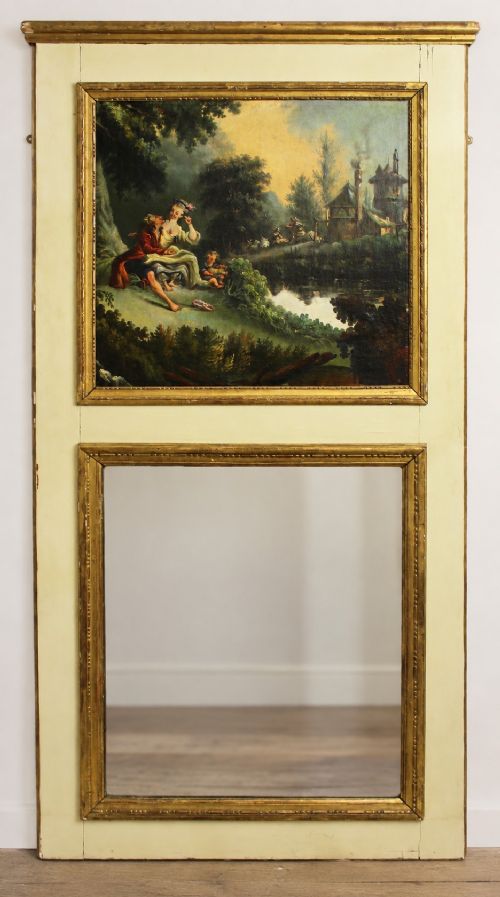
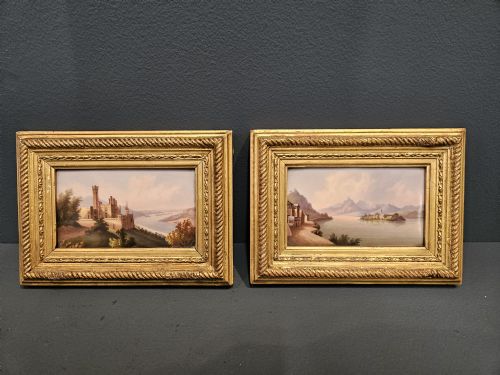
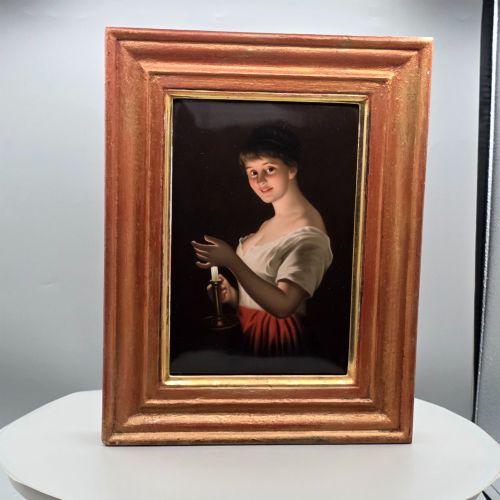
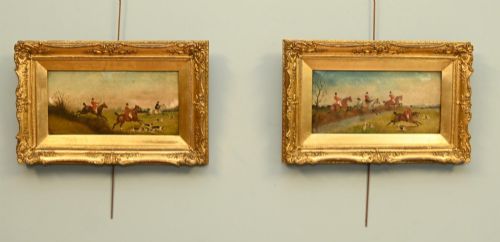
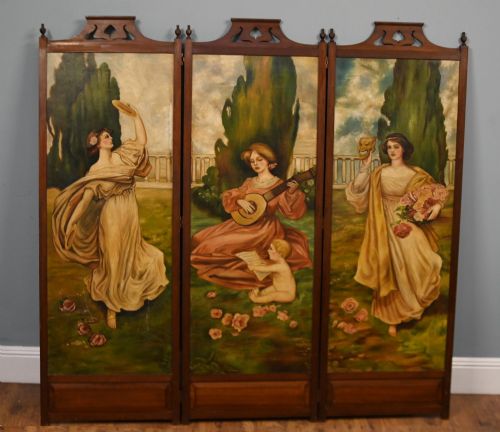
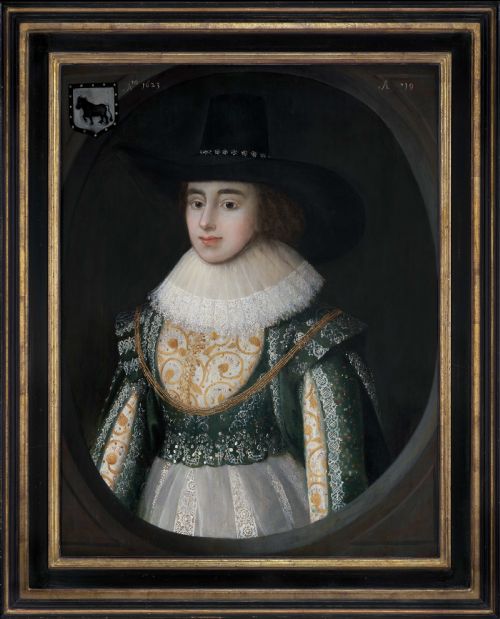
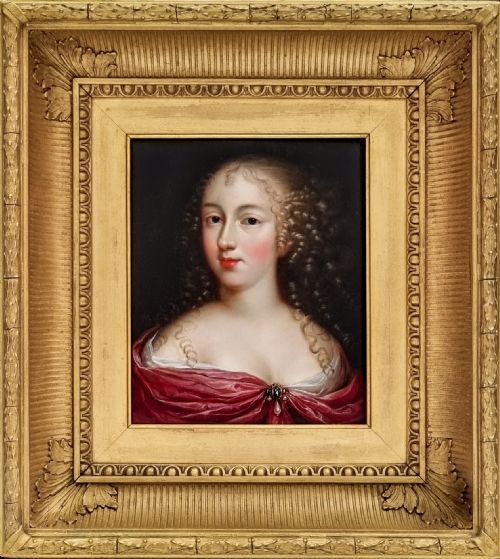
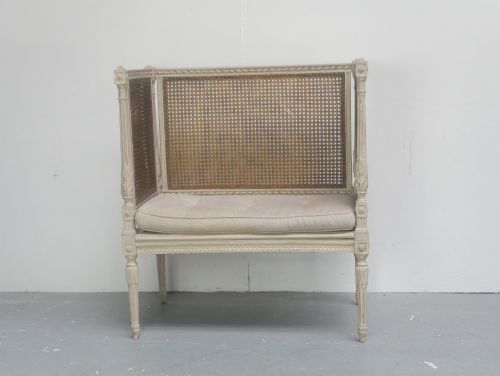
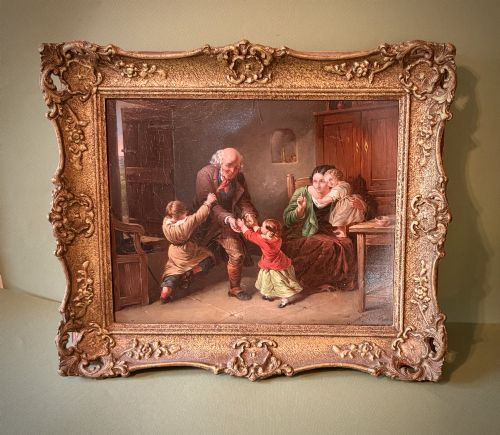
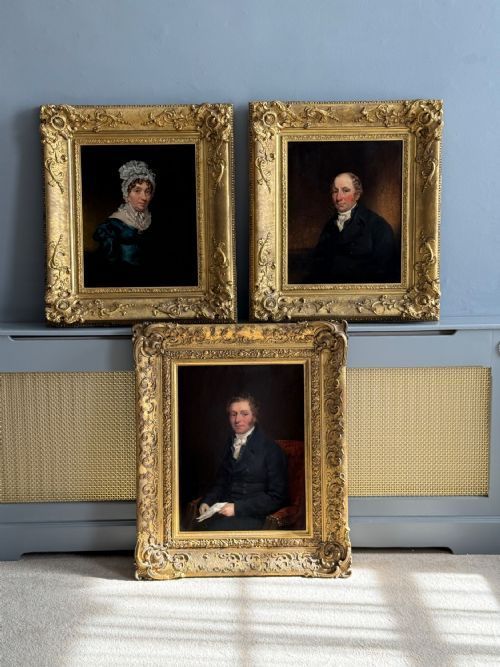
When you search for antique painted panels, you encounter a diverse range of artworks and architectural elements created across the seventeenth, eighteenth, and nineteenth centuries. The selection includes fine art portraits and landscapes on wood panels alongside decorative panels integrated into furniture, folding screens, and trumeau mirrors.
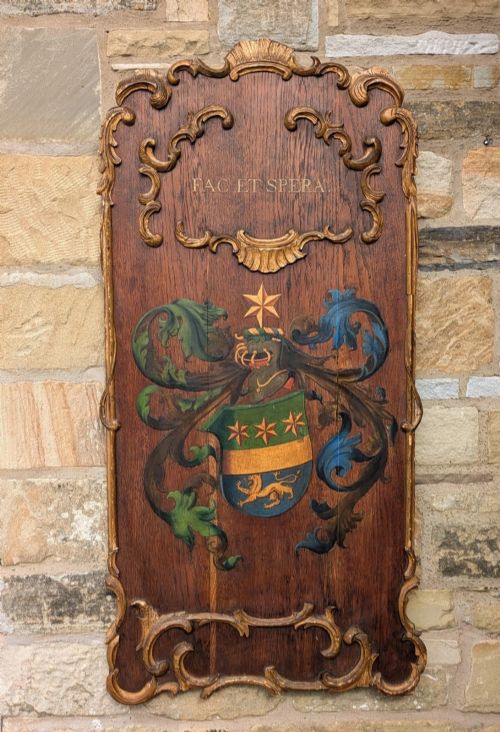
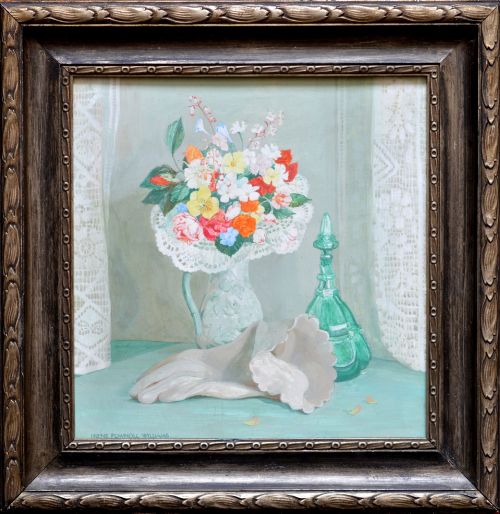
Most pieces date from the nineteenth century, including Edwardian examples, though earlier seventeenth and eighteenth-century works appear in smaller numbers. You will frequently find subjects ranging from naive folk art and heraldic coats of arms to classical Dutch style still lifes and religious iconography.
The form varies considerably, shifting from standalone oil paintings on wooden boards to intricate room dividers and panels fitted into cabinets or screens. This variety reflects how extensively painting was applied to solid supports beyond traditional stretched canvas during past centuries.
How they were made
The construction typically relies on solid wood panels, timber frames, or canvas supports prepared with gesso before the application of oil paint, tempera, or watercolour. Artists and makers utilised traditional wood panels, brass fittings, and glass to structure these works, often employing preparatory layers to create a stable surface for detailed brushwork.
Decorative pieces incorporate specialised techniques such as scumble faux paintwork, gold leaf gilding, and hand-painted porcelain or leather inserts. The integration of paint onto rigid wooden substrates required careful seasoning of the timber to prevent warping over successive centuries.
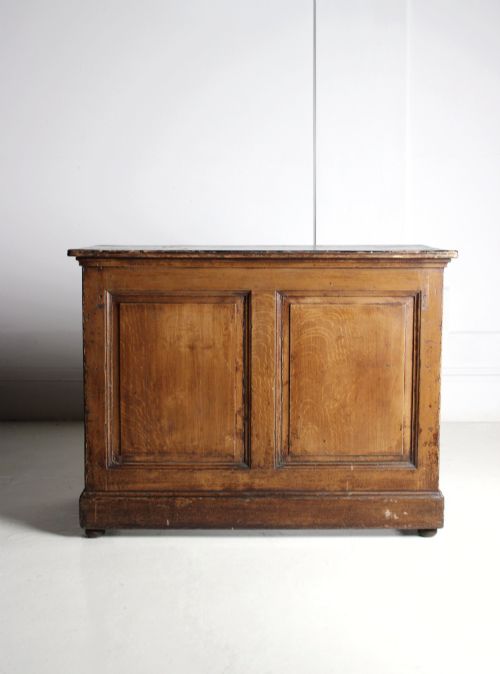
A nineteenth-century wardrobe hides scumble faux oak paintwork beneath its practical exterior.
What varies in quality
The distinction between ordinary and exceptional pieces rests upon the precision of the brushwork and the structural integrity of the supporting panel. Superior works display refined draftsmanship in portraiture or landscape execution, whereas simpler items lean towards naive folk art charm.
Quality also hinges on the originality of the painted surface relative to its age and the craftsmanship of the surrounding frame or housing. Panels that retain their untouched, original pigment without extensive later repainting command greater appreciation from collectors.
Joseph Clover RA·Achille Brocot·Hendrik Willem Schweickhardt·Michelangelo Meucci
The Antique Painted Panels Glossary
- Oil on panel
- A painting executed with pigment suspended in drying oil applied directly to a rigid wooden board rather than canvas.
- Trumeau mirror
- An architectural wall mirror featuring a painted or carved panel positioned above the glass plate.
- Gesso
- A plaster-like mixture applied to wood or canvas to create a smooth, durable surface for painting or gilding.
- Scumble
- A thin layer of opaque or semi-opaque paint dragged loosely over a different colour to create a textured, mottled appearance.
- Vernis Martin
- A type of translucent, lustrous varnish developed in eighteenth-century France to imitate expensive Asian lacquer.
Antique Painted Panels: Frequently Asked Questions
What are antique painted panels?
These pieces comprise artworks and decorative elements painted directly onto rigid supports like wood, canvas, or glass during past centuries. They range from standalone oil paintings to panels built into furniture, mirrors, and folding screens.
The category spans multiple eras, capturing everything from seventeenth-century portraits to nineteenth-century landscapes and naive folk art decorations.
How were painted panels used originally?
Historically, these panels served multiple functions as wall art, architectural room dividers, and decorative inserts within cabinetry. Folding screens utilised them to partition rooms and block draughts in large houses.
Others formed integral parts of French trumeau mirrors, clock faces, and wardrobe doors, combining utility with fine decorative art.
How do you date a painted panel?
Dating relies on examining the preparation of the wood support, the pigments used in the paint layer, and the style of the frame or housing. Earlier pieces often display hand-split timber boards and specific priming methods typical of their century.
Associated hardware, such as brass fixings or joinery techniques, also provides reliable clues regarding the period of manufacture.
How should I care for antique panels?
Maintain stable environmental conditions with moderate humidity to prevent the wooden support from warping or cracking over time. Avoid placing panels in direct sunlight to protect sensitive oil paints and gold leaf from fading.
Dust gently with a dry, soft cloth and avoid chemical cleaning agents that might compromise the aged varnish layers.