
Antique Painted Drawers
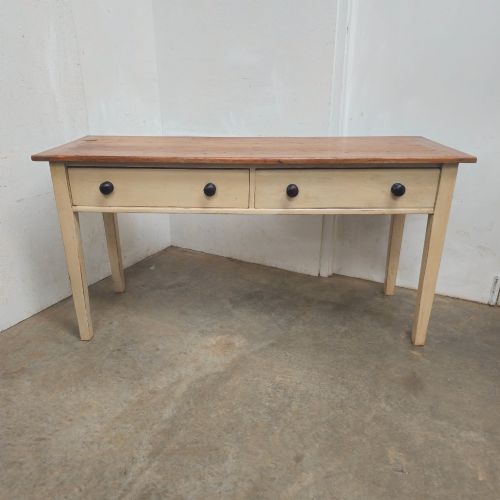
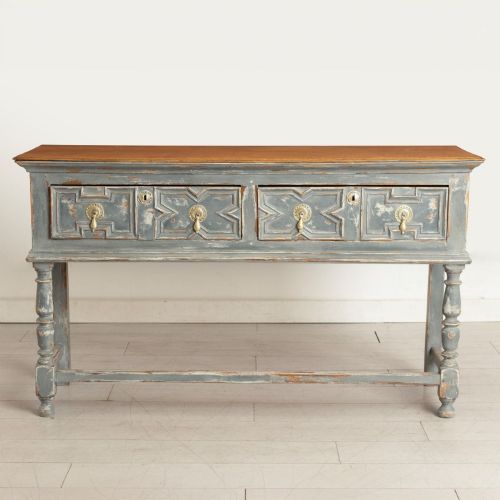
When you choose antique painted drawers, you acquire storage pieces carrying layered decorative finishes from past centuries.
Antique Painted Drawers
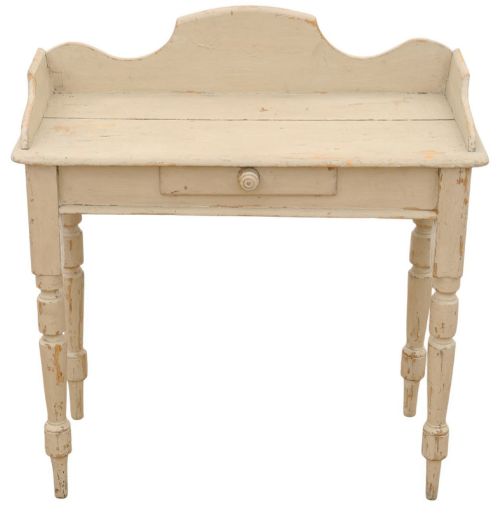
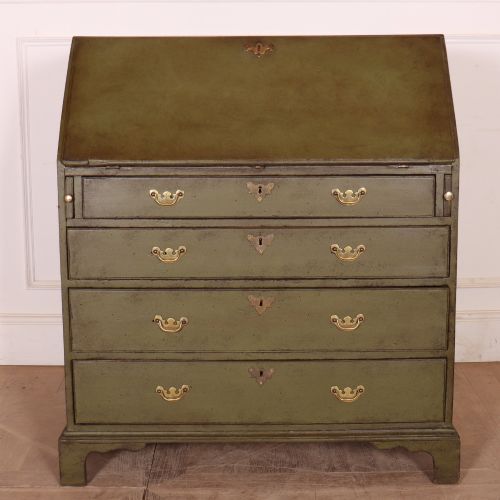
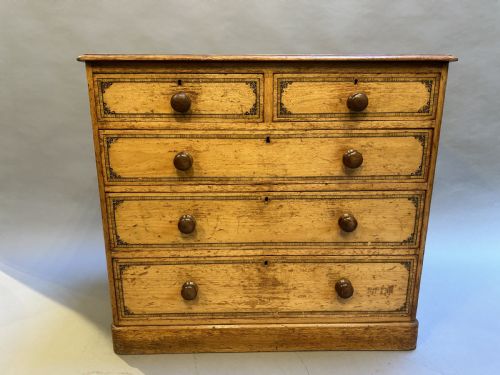
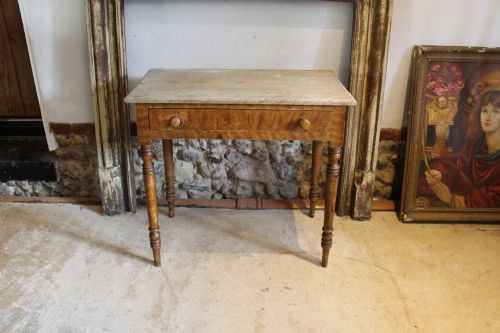
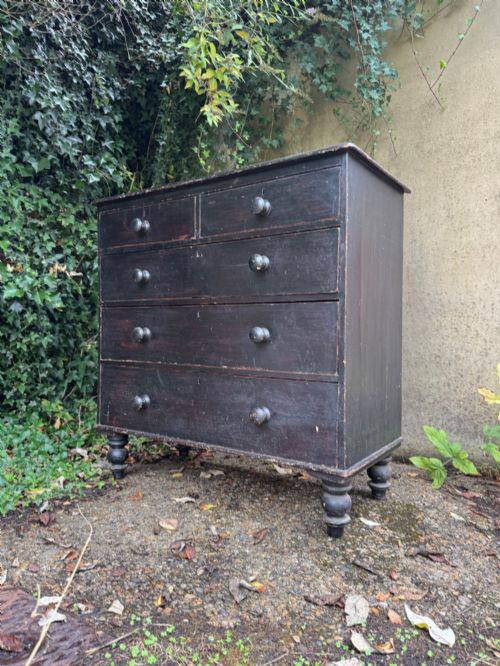
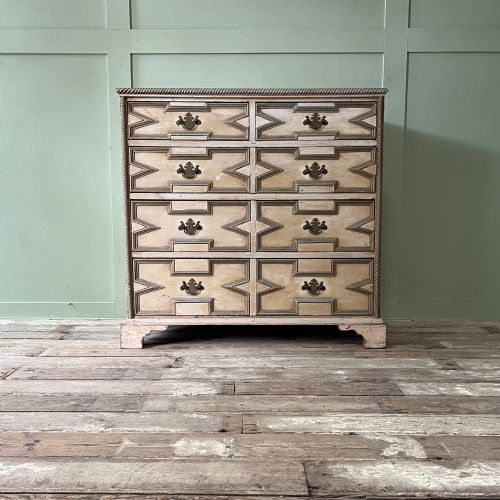
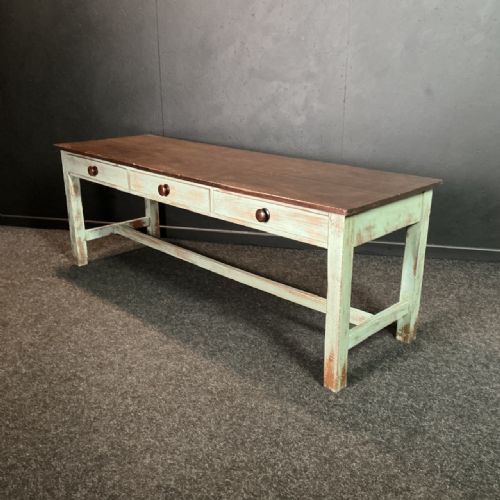
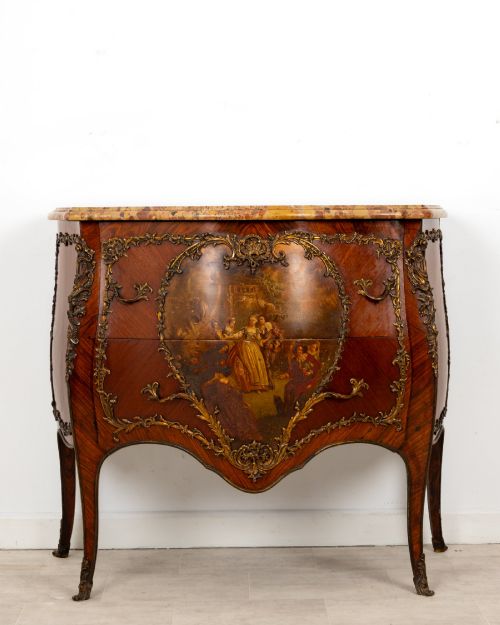
The term antique painted drawers gathers storage forms spanning the eighteenth, nineteenth, and early twentieth centuries, featuring applied surface colours rather than exposed wood grain. Pieces range from modest pine chests originating in English and Welsh farmhouses to sophisticated continental commodes and satinwood writing desks.
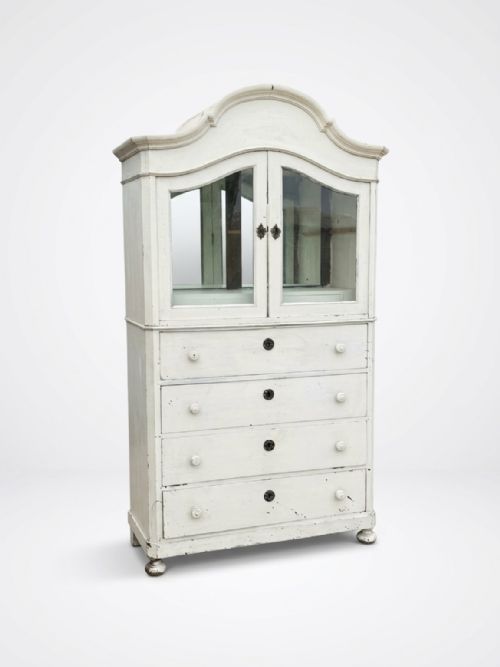
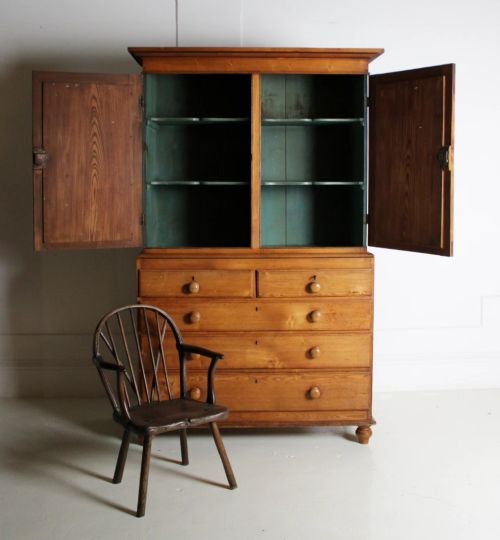
Chest of drawers variants dominate this category, alongside specialised storage like linen presses, writing bureaux, and banks of drawers. Regional pieces show particular vernacular charm, including Swedish bonnet top cabinets and Hungarian blue painted furniture.
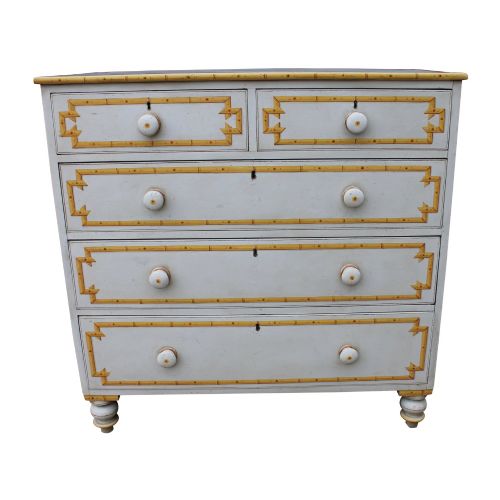
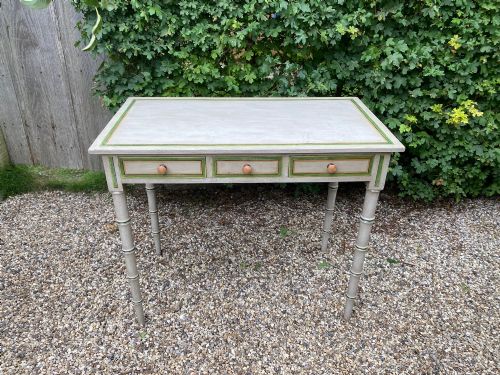
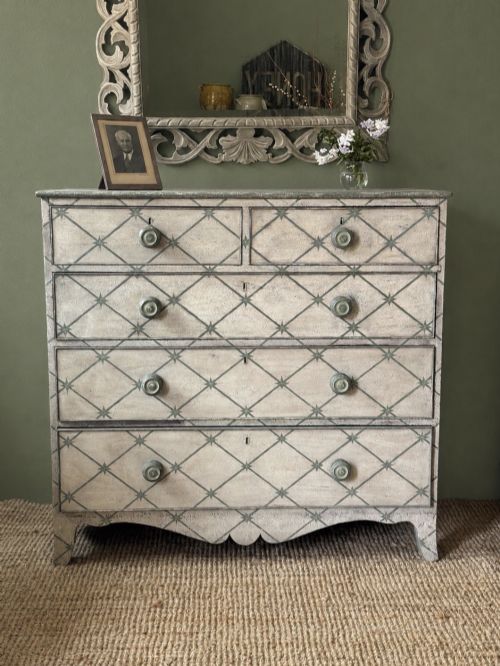
Victorian and Regency examples appear frequently, often displaying original decorative schemes such as faux bamboo detailing, stencilled motifs, or scumble glazes. Buyers encounter both utilitarian country pieces and refined revival styles from the Edwardian era onwards.
Materials and construction methods
Pine serves as the primary structural timber for the vast majority of country and regional pieces, complemented by denser hardwoods like mahogany, oak, and ash in formal furniture. Cabinetmakers constructed carcases using traditional dovetailed joints for drawer construction and sturdy frame assemblies.
Surface treatments rely on traditional pigments mixed with oils, milk paints, or lacquers, sometimes protected with clear varnishes or waxes. Decorative techniques range from straightforward flat colour applications to complex scumble glazing and hand-painted Chinoiserie motifs.
Listings feature pine, mahogany, oak, and ash timbers alongside brass and iron hardware across the nineteenth and twentieth centuries.
Distinctions in craftsmanship and surface preservation
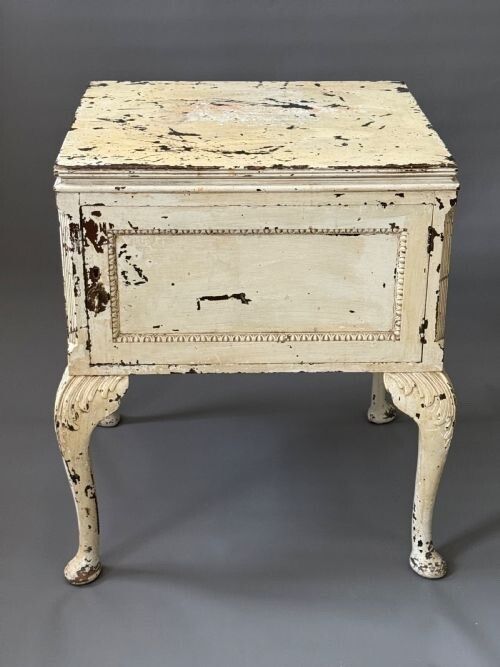
Quality rests significantly on the survival and integrity of the original surface finish, distinguishing untouched period paint from later modern overpainting. Original decoration retains authentic wear patterns and patina accrued through decades of domestic use.
Joinery standards separate utilitarian vernacular work from high-status cabinetmaking, evident in the snugness of drawer fits and the thickness of secondary timbers used in drawer linings and backboards.
Sir Clough Williams-Ellis
The Antique Painted Drawers Glossary
- Scumble
- A translucent or semi-opaque glaze applied over a lighter base coat and manipulated with combs or rags to simulate richer wood grains. This technique was widely utilised on nineteenth-century pine furniture.
- Commode
- A low decorative chest of drawers or cabinet originating in French furniture design. These pieces often feature serpentine fronts and elaborate ornamental hardware.
- Faux bamboo
- A decorative style where solid wood is carved and painted to imitate natural bamboo stalks. It gained popularity during the Regency period.
- Linen press
- A tall cupboard featuring upper sliding trays or shelves for textiles above a base section of drawers. They were essential storage items in large historic households.
- Chinoiserie
- European decorative motifs inspired by Chinese art, typically executed in lacquer or paint. This style appears on refined cabinets and writing desks from the early twentieth century.
Antique Painted Drawers: Frequently Asked Questions
How do I care for original painted finishes?
Clean surfaces gently with a dry or barely damp microfiber cloth to remove dust without disturbing the historic pigment layers. Avoid modern chemical solvents and harsh polishes that can strip away fragile nineteenth-century paint.
Keep these items out of direct sunlight and away from radiators to prevent the underlying timber from warping and the paint from flaking off. Application of a microcrystalline wax can help protect surviving decorative surfaces where appropriate.
What is the difference between country and formal painted furniture?
Country pieces are typically constructed from softwoods like pine and feature simple, robust forms intended for utilitarian domestic storage. Their painted finishes are often straightforward applications of regional colours or functional protective layers.
Formal furniture utilises dense hardwoods such as mahogany or satinwood, featuring sophisticated decorative treatments like Chinoiserie or intricate hand-painted panels. These items reflect fashionable urban tastes from periods such as the Regency and Edwardian eras.
How can I tell if the paint is original?
Examine the surface under magnification to check for natural crackle patterns, microscopic dirt accumulation within crevices, and wear consistent with the stated age. Later overpainting often conceals this authentic integration between the pigment and the timber substrate.
Look for signs of consistent wear around drawer pulls and edges where hands touched the furniture over generations. Original paint typically shows multiple microscopic layers and chemical fading rather than uniform modern pigmentation.
Where were these painted cabinets used historically?
Farmhouse chests and linen presses stood in bedrooms, dairies, and kitchens to store heavy household textiles and provisions securely. Their robust pine construction and wipe-clean painted surfaces suited demanding utilitarian environments.
More refined commodes, side tables, and writing desks were placed in polite reception rooms, parlours, and drawing rooms. In these formal spaces, decorative finishes contributed to the curated aesthetic of the interior.