



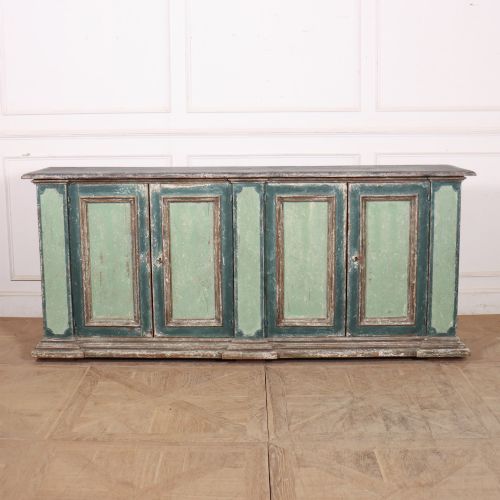
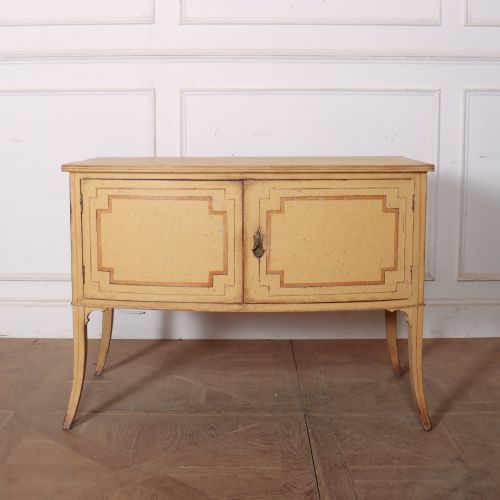
Antique Painted Buffet
An antique painted buffet brings history into a room through surface and proportion, offering generous storage alongside a distinct decorative presence.
Antique Painted Buffet
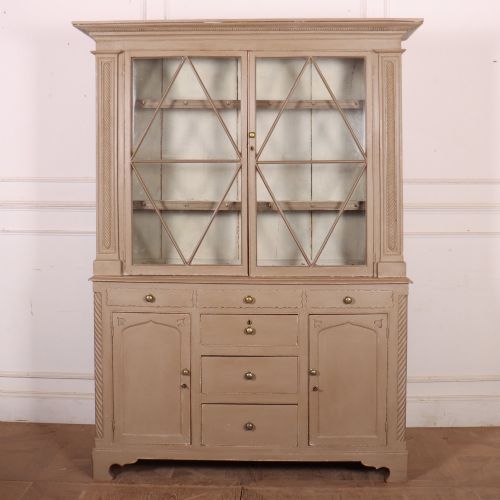
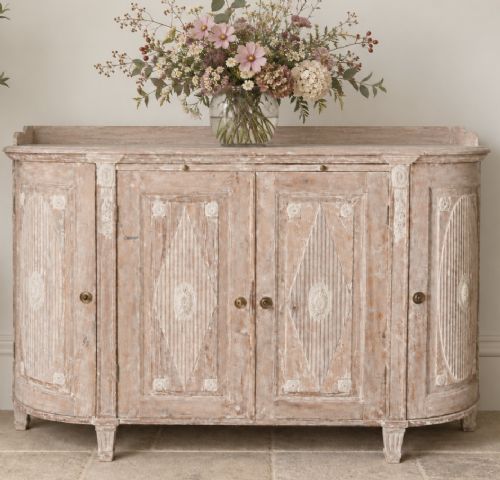
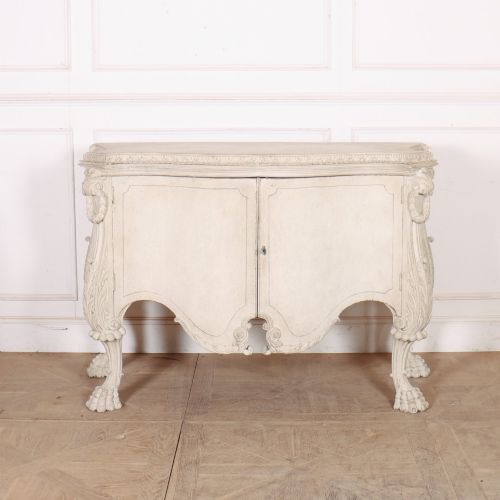
When you search for an antique painted buffet, you encounter a varied group of heavy storage furniture designed for dining rooms, kitchens, and halls. These pieces originate across Europe, spanning English country workshops, French provincial houses, Italian rooms, and Swedish estates.
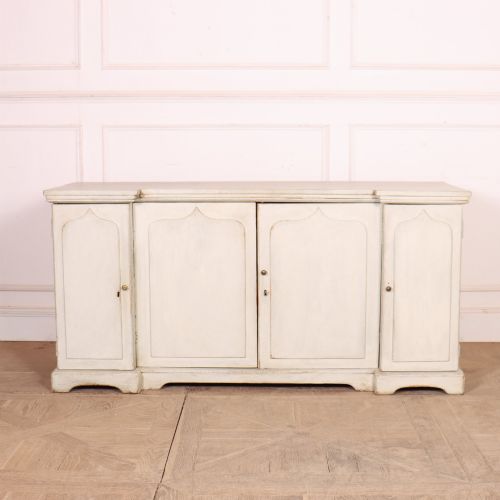
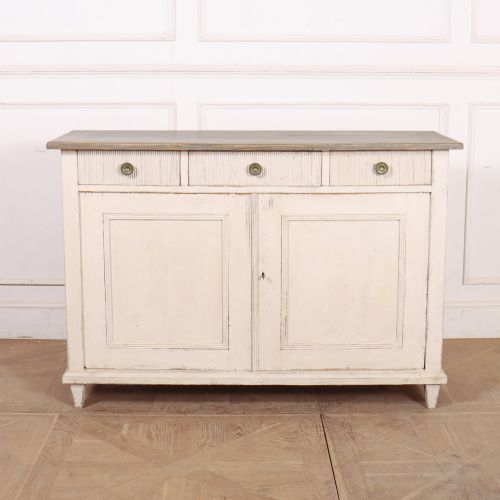
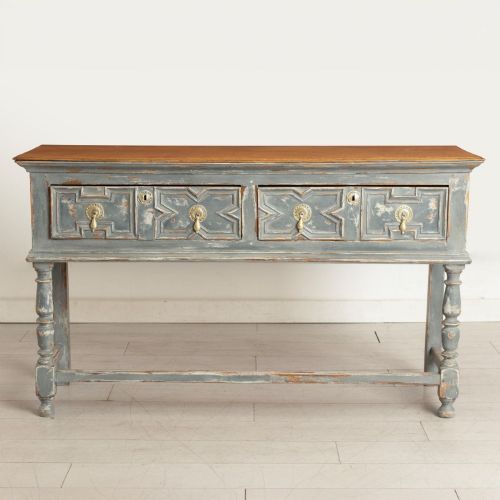
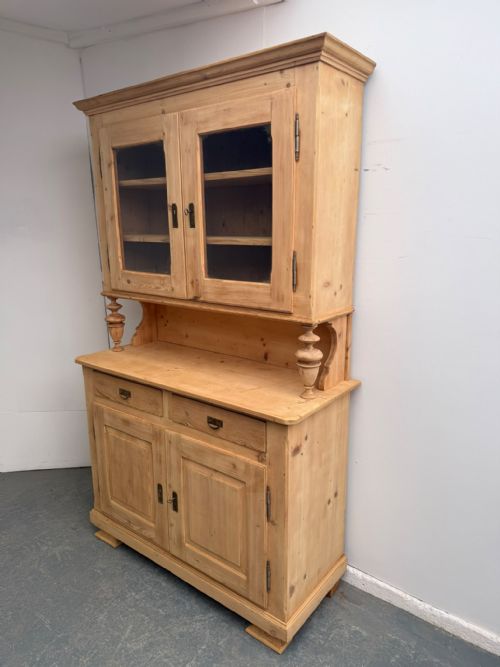
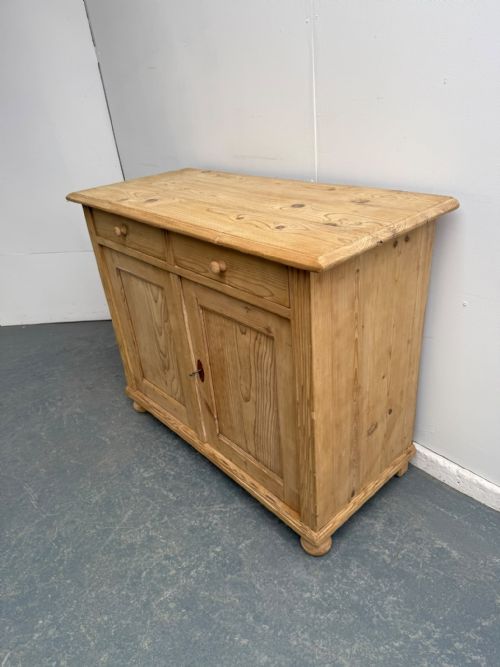
The most common form on this page is the dresser base or low sideboard, frequently constructed from pine or oak and finished in layers of paint. You also find larger two-part buffet à deux corps structures, tall cupboards, and smaller side cabinets.
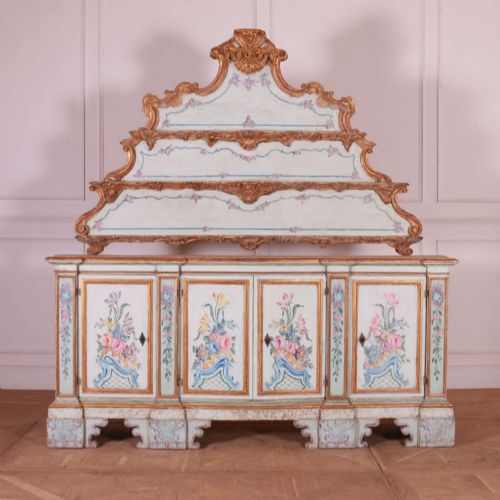
Dates stretch from the 18th century through the Victorian era and into the early 20th century. Regional styles dominate, from English country house utility to Scandinavian light tones and Venetian decoration.
How They Were Made
Carpenters relied primarily on solid timbers such as pine, oak, and mixed woods, joining panels and frames to withstand daily domestic service. Brass and iron hardware, including hinges, pulls, and keyplates, completed the functional structure.
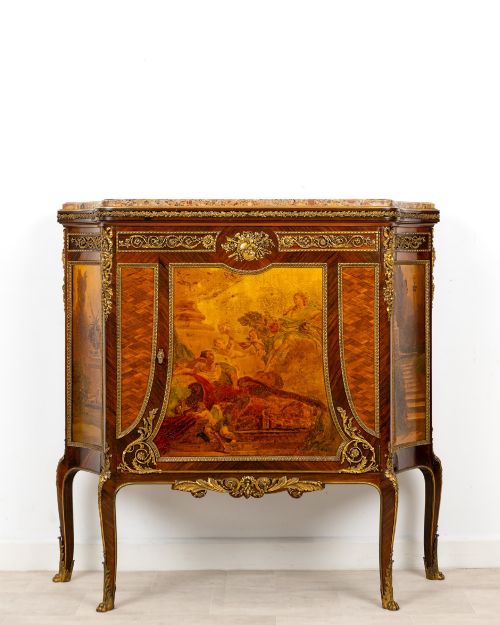
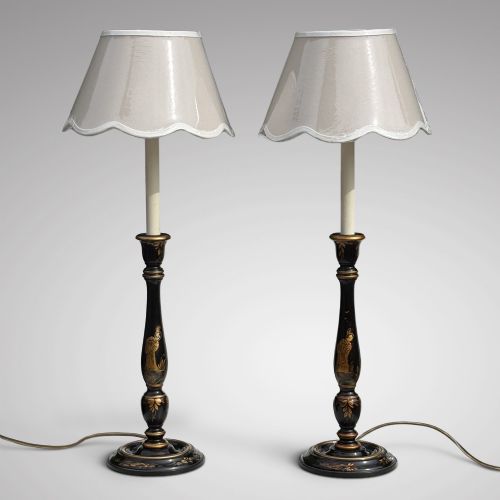
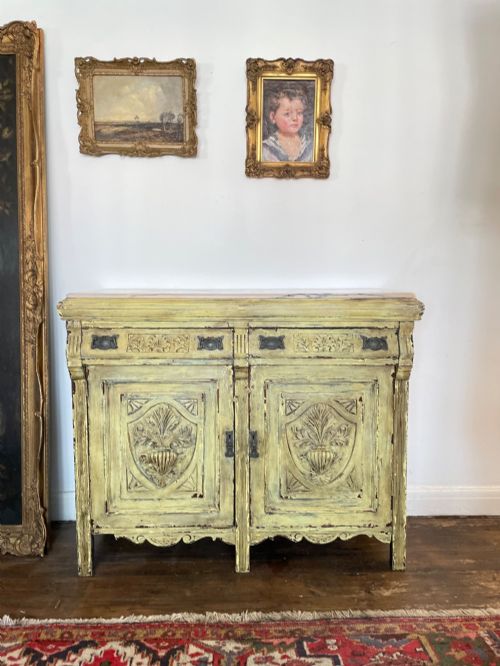
Surfaces received applied finishes ranging from plain wood to layered painted schemes, scraped paint, black lacquer, and japanning. Some continental examples integrated marble tops or carved decorative elements directly into the wooden frame.
Antique Painted Buffet Retail Price Guide 2026
Typical asking prices for painted buffet among the pieces listed under this phrase on Sellingantiques today, from the lower quarter to the upper quarter. They describe what is for sale here now, not the wider market.
Several kitchen pieces retain bread slides, reminding us of days when bakers tucked loaves away from household mice.
What Varies in Quality
Quality rests upon the integrity of the original construction and the preservation of the surface finish. Pieces retaining their original scraped or untouched paint schemes carry greater historical weight than later re-paintings.
Proportion and regional character separate standard utility cupboards from finer decorative commissions. The harmony between the original hardware, timber grain, and applied pigment dictates the visual authority of the piece.
The Antique Painted Buffet Glossary
- Buffet à deux corps
- A tall, two-part storage piece featuring a lower cupboard base surmounted by an upper cabinet section. This form provides substantial display and storage space.
- Dresser base
- A low rectangular cabinet fitted with drawers and cupboards beneath a solid top. It serves as a principal work and storage surface in traditional kitchens.
- Enfilade
- A long sideboard or buffet fitted with multiple doors in a continuous line. This form originates in grand European dining spaces.
- Japanning
- A European imitation of East Asian lacquerwork using hard resin varnishes and dark grounds. It creates a glossy, decorative surface often seen on 20th-century cabinets.
- Potboard
- An open slatted lower shelf incorporated into the base of a dresser. It was traditionally used to store pots and heavy kitchen utensils.
Antique Painted Buffet: Frequently Asked Questions
Where were painted buffets used?
These pieces served primarily in kitchens, dining rooms, and pantries for storing tableware, linens, and provisions. Larger forms stood in country house halls and domestic service areas.
Over time, many transitioned into principal living spaces as decorative storage units.
How do I care for original paint?
Keep painted furniture out of direct sunlight and away from rapid temperature shifts to prevent the pigment and timber from drying out. Dust gently with a dry cloth.
Avoid chemical cleaners and abrasive polishes that can lift or dull historic surface layers.
How do I date an old buffet?
Examine the construction methods, tool marks on the interior timber, and the type of hardware fitted to the doors and drawers. Hand-cut joints and forged iron hinges point to earlier centuries.
Surface characteristics, such as genuine historic paint layers, help separate 18th-century pieces from Victorian and later revival items.