




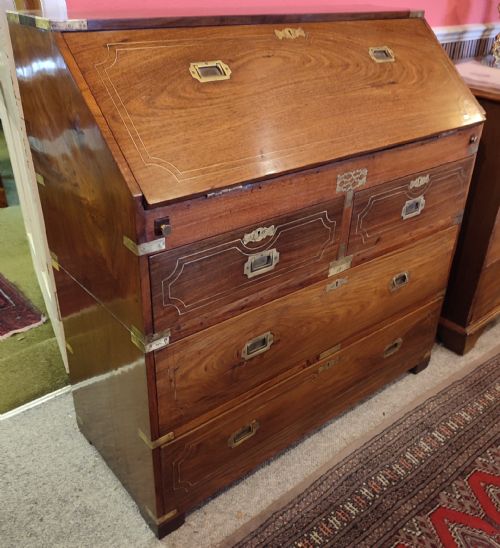

Antique Padouk Chest
An antique padouk chest brings dense tropical timber and robust brass mounts into a room, offering both exotic grain and enduring storage.
Antique Padouk Chest
An antique padouk chest is a substantial storage piece constructed from dense, reddish-brown padouk wood, often fitted with heavy brass corners and carrying handles for travel. These pieces frequently emerge from nineteenth-century contexts, encompassing colonial blanket boxes, military campaign chests of drawers, and reinforced strong boxes.
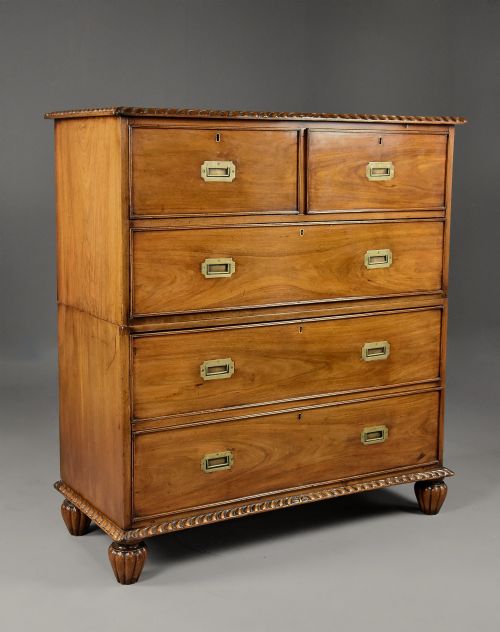
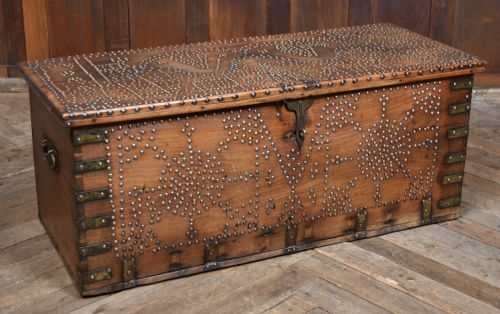
Buyers encountering this page are most likely to meet nineteenth-century campaign chests and Zanzibar blanket boxes. These forms reflect the mobility of officers and merchants operating within Anglo-Indian and Dutch colonial networks, resulting in practical furniture built to withstand long journeys.
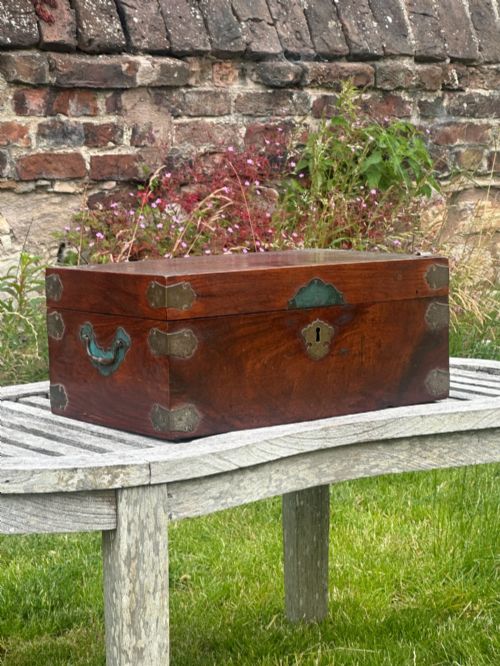
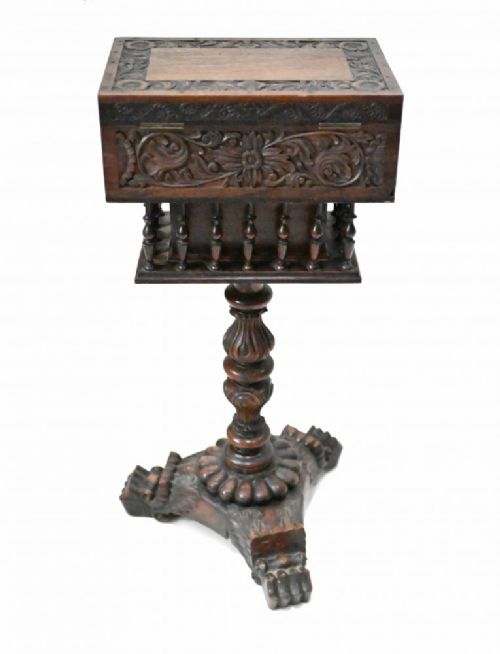
The selection ranges from sturdy deed boxes and storage coffers to refined chests of drawers and occasional teapoy tables. Each item employs padouk timber for its resilience and deep colour, occasionally accented with ebony or brass mounts.
How they were made
Cabinetmakers utilised dense padouk wood for its natural stability and resistance to humidity during long sea voyages. This heavy timber was frequently paired with brass binding, corner brackets, and flush inset handles to protect vulnerable edges from impact.
Construction techniques prioritised modular design in campaign pieces, allowing large chests to split into separate sections for easier transport. Iron fastenings and ebony details were sometimes integrated alongside brass to secure lids and drawers firmly.
Antique Padouk Chest Retail Price Guide 2026
Typical asking prices for padouk chest among the pieces listed under this phrase on Sellingantiques today, from the lower quarter to the upper quarter. They describe what is for sale here now, not the wider market.
Listings span the eighteenth and nineteenth centuries, featuring padouk combined with brass, iron, and ebony across Anglo-Indian and Dutch colonial styles.
What varies in quality
The refinement of the brass hardware and the crispness of any carved detailing separate standard utility boxes from superior pieces. Higher quality items feature dovetailed drawer construction, heavier gauge brass straps, and meticulously fitted recessed handles.
The visual depth of the padouk timber itself influences value, particularly when the wood exhibits a rich, faded patina and uniform grain. Pieces retaining their original configuration, internal compartments, and locking mechanisms command greater appreciation among collectors.
The Antique Padouk Chest Glossary
- Padouk
- A dense tropical hardwood known for its vibrant reddish-brown colour that deepens with age and exposure to light. It provides exceptional durability for furniture destined for colonial service.
- Campaign chest
- A modular chest of drawers built in two or more sections for military officers on active service. These pieces feature recessed brass handles and corner braces to withstand frequent transit.
- Zanzibar chest
- A heavy storage box originating from or associated with the East African trade hub, characterised by brass studwork and ornate hasps. They were traditionally used by merchants to store valuables and textiles.
- Strong box
- A heavily reinforced security chest designed for documents and currency, typically fitted with iron straps and complex locks. Padouk examples combine this structural security with decorative timber grain.
Antique Padouk Chest: Frequently Asked Questions
What is padouk wood?
Padouk is a heavy, durable tropical timber prized for its reddish-brown hue and resistance to warping. It was widely used in colonial furniture for its combination of structural strength and decorative grain.
Over time, exposure to light deepens the natural colour of the wood, resulting in a rich, faded patina unique to older pieces.
Why do these chests have brass corners?
Brass corners and straps were functional additions designed to protect the vulnerable edges of furniture during military transport and sea voyages. These metal mounts absorbed the knocks and bumps of travel.
In addition to protection, the brass hardware provided structural reinforcement for heavy padouk boxes and added a distinct decorative contrast against the dark timber.
How do I care for a padouk chest?
Maintain the timber by keeping the chest away from direct heat sources and sudden humidity changes, which can affect the wood and brass fittings. Regular dusting with a soft cloth preserves the surface.
Occasional application of appropriate wax nourishes the padouk grain without building up a heavy, artificial shine.
Were campaign chests made for the military?
Yes, campaign furniture was specifically designed for British officers and officials needing portable furnishings on campaign or during overseas postings. The modular construction allowed large chests to separate into manageable sections.
Flush handles and removable feet prevented the pieces from snagging or breaking while being transported across difficult terrain.