

Antique Oval Wall Hanging
An antique oval wall hanging brings immediate depth to a room, framing light and reflection within centuries-old carved timber and gilt.
Antique Oval Wall Hanging
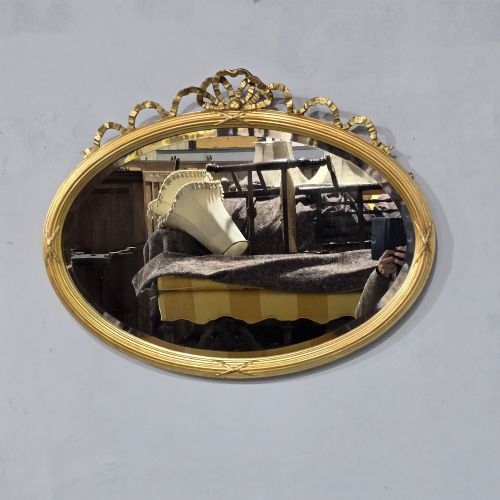
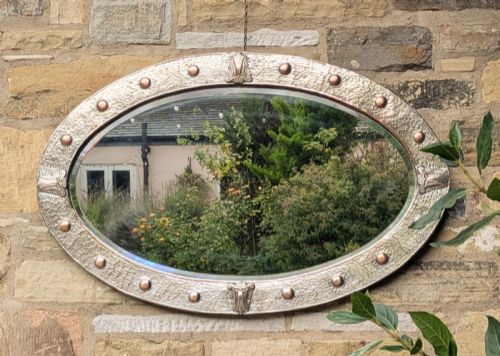
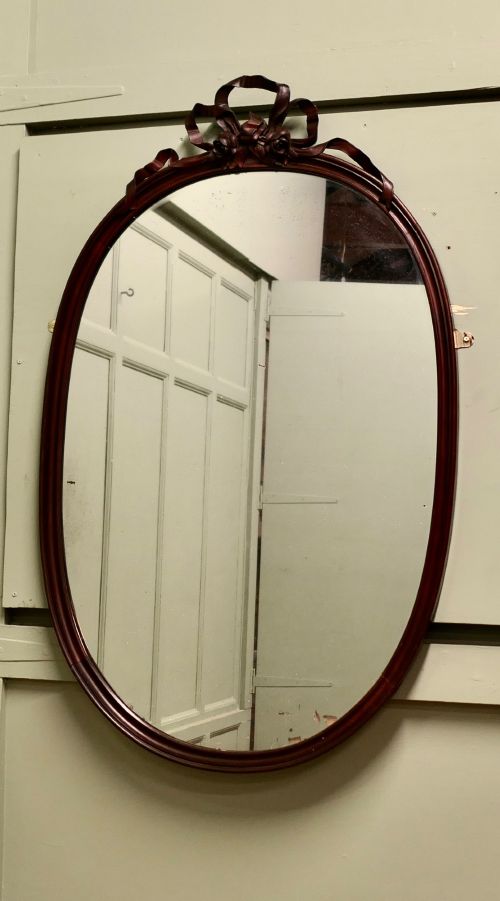
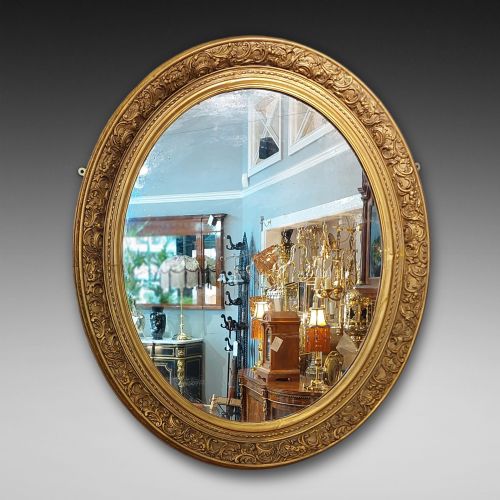
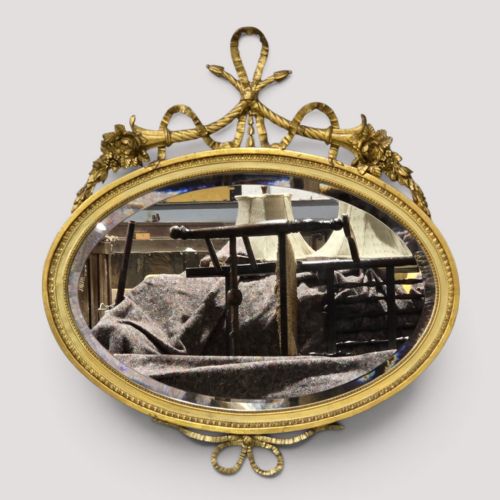
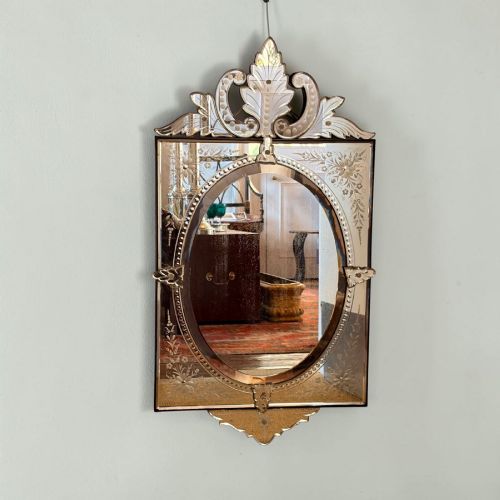
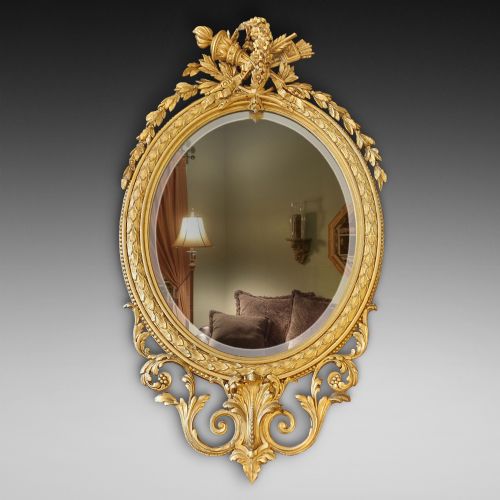
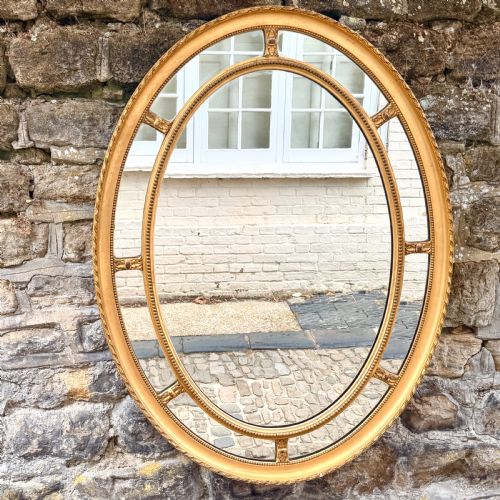
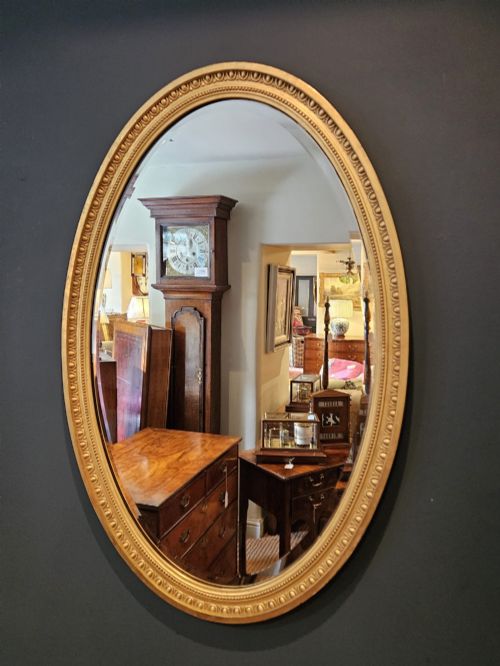
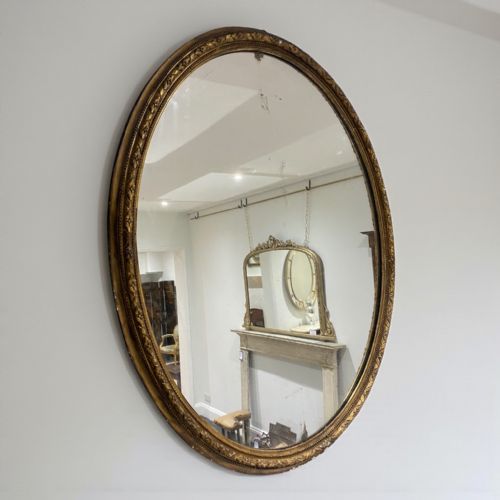
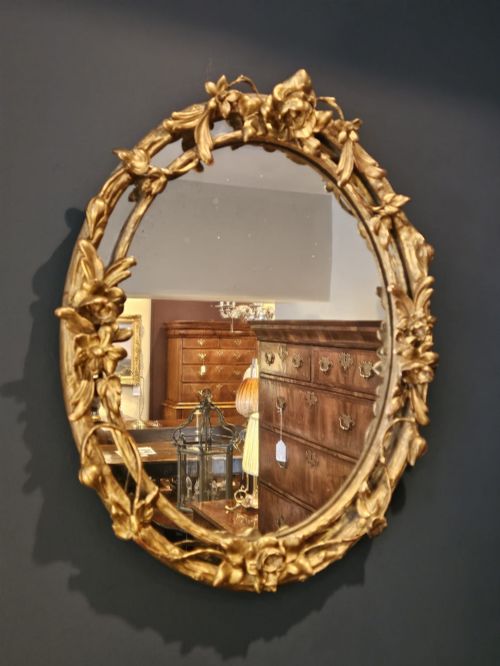
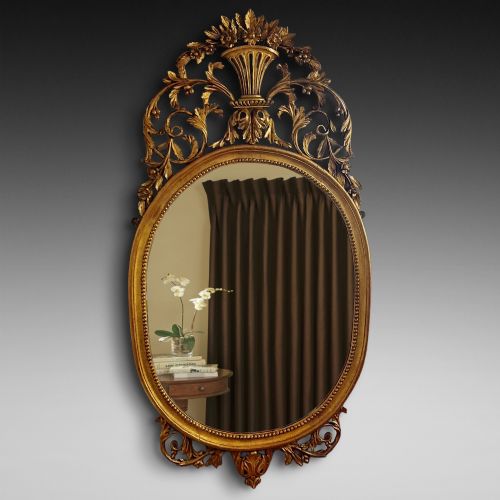
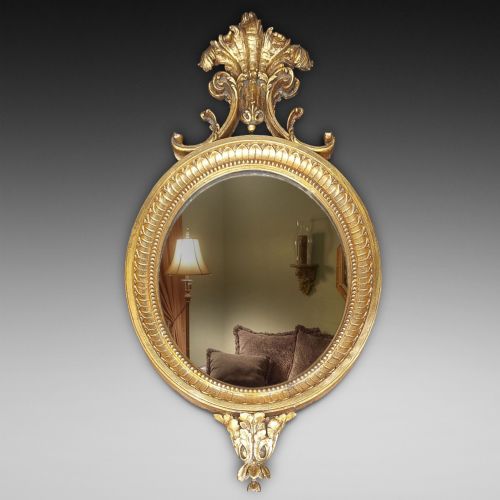
When you search for an antique oval wall hanging, you encounter primarily decorative wall mirrors spanning the eighteenth, nineteenth, and early twentieth centuries. These pieces encompass various revival aesthetics including Adam, Louis XVI, and Rococo styles, alongside utilitarian forms such as serving platters or trade signage.
The nineteenth-century and Victorian examples dominate the selection, frequently utilising giltwood, gesso, and timber frames designed to catch and amplify natural light within domestic interiors. Alongside mirrors, the category houses portrait miniatures and ceramic chargers intended for prominent wall display.
Geographic origins vary from British workshops to French ateliers and Venetian glass houses, creating a diverse landscape of vertical oval formats. Buyers will find both grand overmantle proportions and smaller, intimate portrait orientations represented across the available stock.
Materials and construction methods
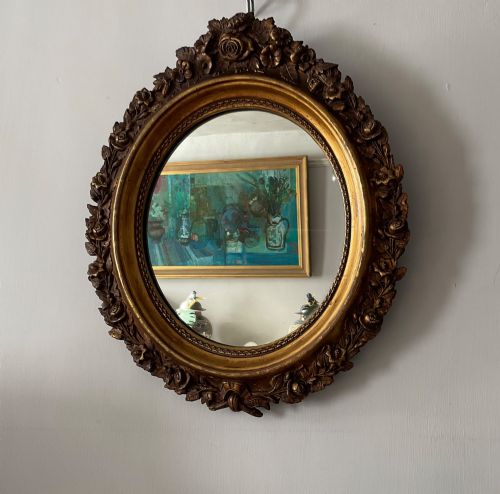
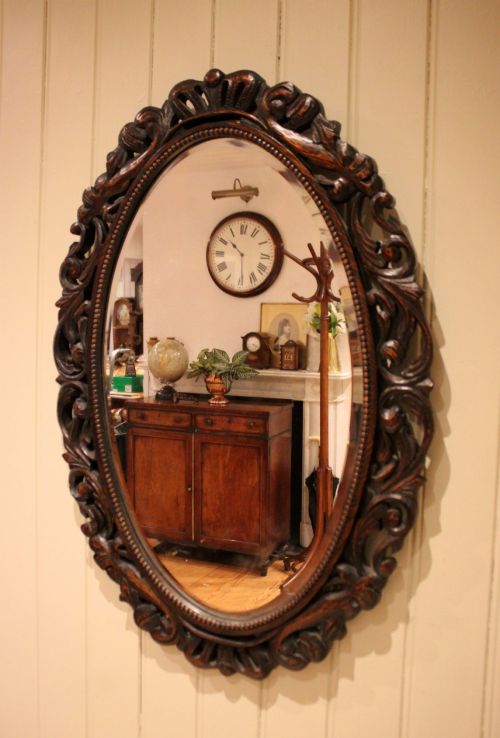
Makers utilised carved timber bases, predominantly mahogany and oak, or applied composition and gesso over softwood carcasses to build elaborate decorative frames. These plaster-like mediums allowed artisans to model intricate floral, vine, and classical motifs with high relief before applying gold leaf or paint finishes.
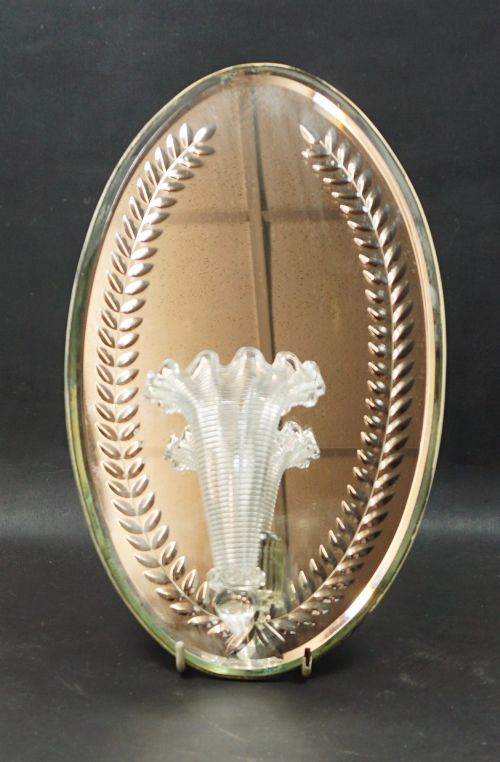
Mirrors incorporated early plate glass, occasionally featuring original mercury backing or bevelled edges that show natural ageing known as foxing. Portrait miniatures utilised delicate plumbago techniques on paper, housed securely behind protective glass within fitted frames.
Antique Oval Wall Hanging Retail Price Guide 2026
Typical asking prices for oval wall hanging among the pieces listed under this phrase on Sellingantiques today, from the lower quarter to the upper quarter. They describe what is for sale here now, not the wider market.
Current listings feature pieces spanning the Georgian, Victorian, and Edwardian eras, utilising materials such as mahogany, oak, giltwood, and mercury glass.
Distinctions in craftsmanship and preservation
The distinction between standard production and superior craftsmanship rests in the depth and crispness of the hand-carved gesso and giltwood ornamentation. Pieces featuring deep undercut botanical or classical motifs display a level of artisan skill superior to simpler, mass-moulded compositions.
The preservation of the original surface finish, whether patinated gold leaf or mercury glass plate, determines the integrity of the piece. Uninterrupted original plating and minimal restoration to the wooden structure separate exceptional survivors from heavily reworked examples.
The Antique Oval Wall Hanging Glossary
- Gesso
- A plaster mixture applied to wood frames as a base for gilding or painting. Artisans carved intricate decorative details directly into this layer once dry.
- Mercury Plate
- An early mirror glass manufacturing method utilising a tin and mercury amalgam. This technique creates a distinctive, deep reflective quality with characteristic dark spots over time.
- Giltwood
- Timber that has been coated with a thin layer of gold leaf. It remains a defining characteristic of formal eighteenth and nineteenth-century wall display pieces.
- Adam Revival
- An architectural and decorative style inspired by neoclassical principles. Pieces from this movement feature symmetrical swags, urns, and delicate ribbon motifs.
- Plumbago
- An early form of pencil drawing utilising powdered graphite. These detailed miniature portraits were frequently framed behind glass as wall art.
Antique Oval Wall Hanging: Frequently Asked Questions
How do I hang a heavy antique oval mirror?
Heavy giltwood and gesso frames require secure wall fixings distributed across sturdy structural studs or appropriate masonry anchors. Professional mirror hangers utilise heavy-duty D-rings and steel wire rated well above the weight of the timber carcass.
Avoid relying on single picture hooks for large nineteenth-century frames. Ensuring flush contact with the wall distributes the downward pressure evenly.
What causes foxing on antique mirror glass?
Foxing occurs when moisture penetrates behind the glass plate and reacts with the silvering or mercury backing over long periods. This chemical interaction produces charming dark spots and cloudiness across the reflective surface.
Rather than a fault, many collectors value foxing as proof of genuine age and historical authenticity. It softens the reflection and contributes to the visual character of the piece.
How can I date an antique oval wall hanging?
Dating relies on examining the construction materials, joinery techniques, and the style of the decorative frame ornamentation. Eighteenth-century pieces often display hand-carved wooden frames without composition mouldings, whereas Victorian and Edwardian items frequently utilise applied gesso.
Backboards, screw types, and the composition of the glass plate provide additional physical clues. Comparing the aesthetic to documented revival periods helps narrow down the decade of production.
Where should I place an oval wall hanging?
Oval frames offer a softer silhouette that breaks the harsh straight lines created by standard doors, windows, and rectangular furniture. They function effectively above mantelpieces, dressing tables, or as focal points within narrow hallway spaces.
Positioning a mirror opposite a window maximises natural light distribution across the room. Ensure the hanging height aligns with the eye level of the inhabitants.