

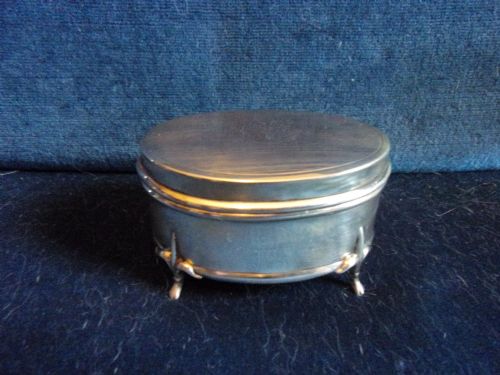
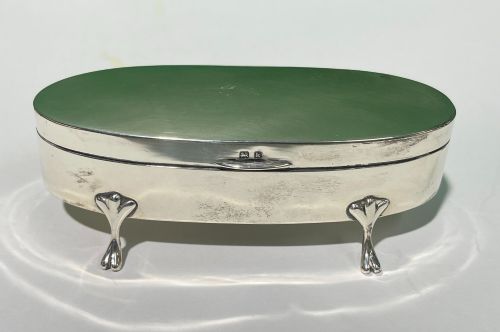
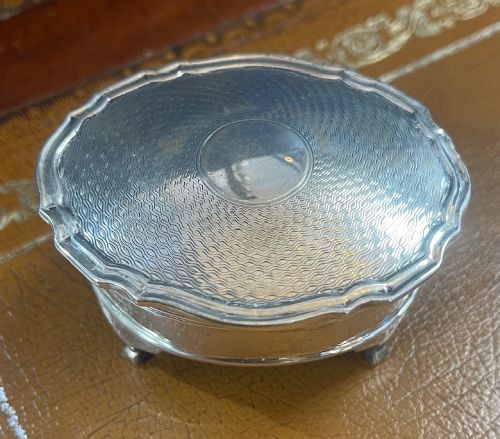
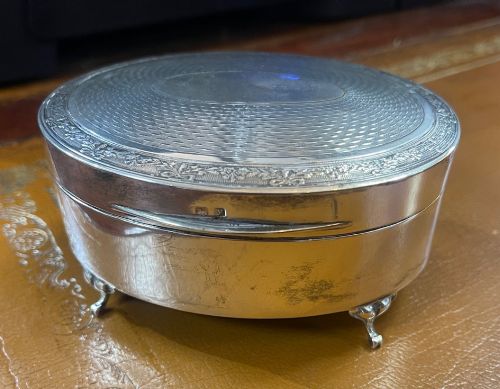

Antique Oval Box
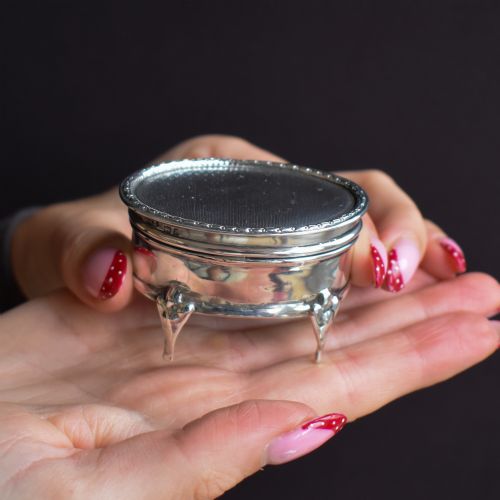
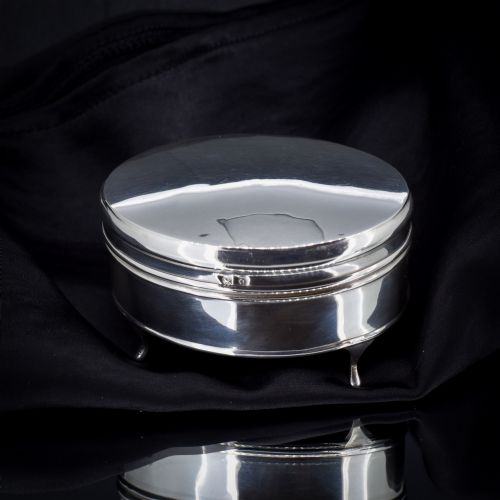
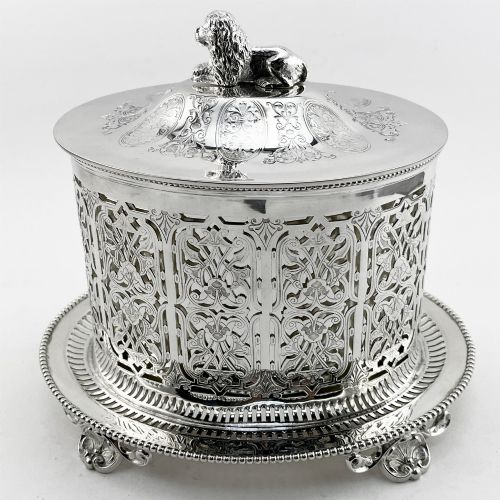
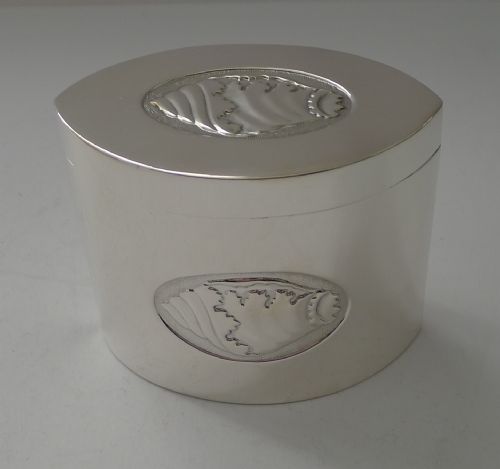
An antique oval box brings tactile charm to a desk or dressing table, offering a neat vessel for everything from snuff to trinkets.
Antique Oval Box
When you search for an antique oval box, you encounter a surprisingly varied selection of small personal containers rather than a single uniform category. The specimens on this page span several centuries, with Georgian and Victorian examples forming the backbone of the discoveries alongside Edwardian pieces and continental imports.
The physical forms divide broadly between pocket-sized receptacles and larger tabletop containers. Smaller pocket snuffs and pill containers sit alongside substantial tea caddies, vanity jars, and jewellery caskets designed to remain stationary.
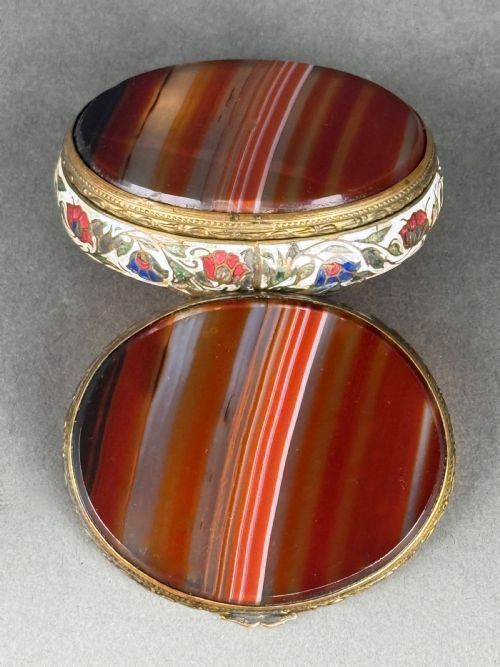
Materials dictate the character of each piece entirely. The inventory shows domestic items fashioned from sterling silver, brass, gilt metal, and glass, alongside organic substances including horn, tortoise-shell, and agate.
Materials and construction methods
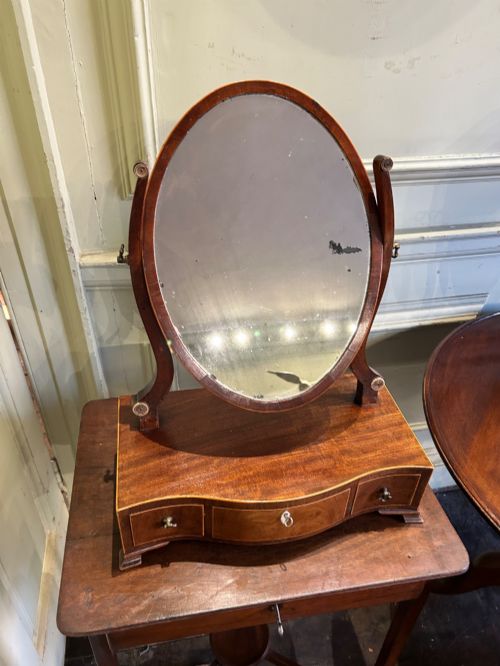
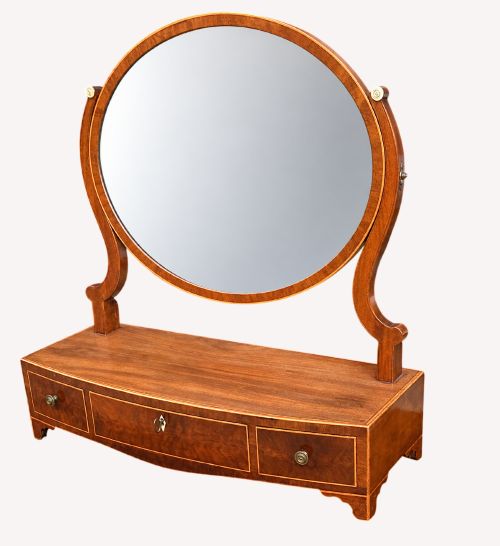
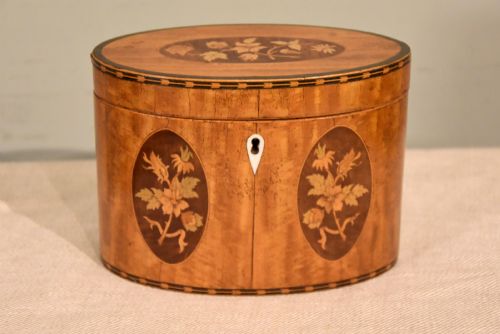
Cabinetmakers and silversmiths shaped these objects using demanding fabrication techniques suited to curved perimeters. Woodworkers bent satinwood, mahogany, and harewood over frames or carved solid blocks, frequently embellishing the surfaces with contrasting stringing and intricate marquetry.
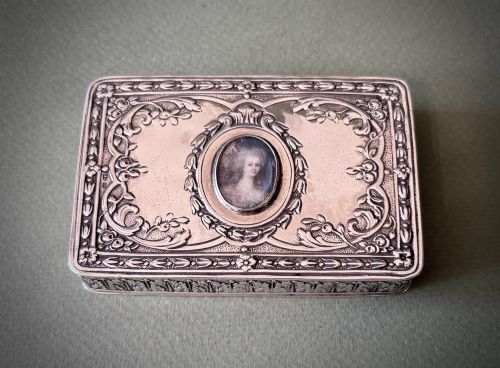
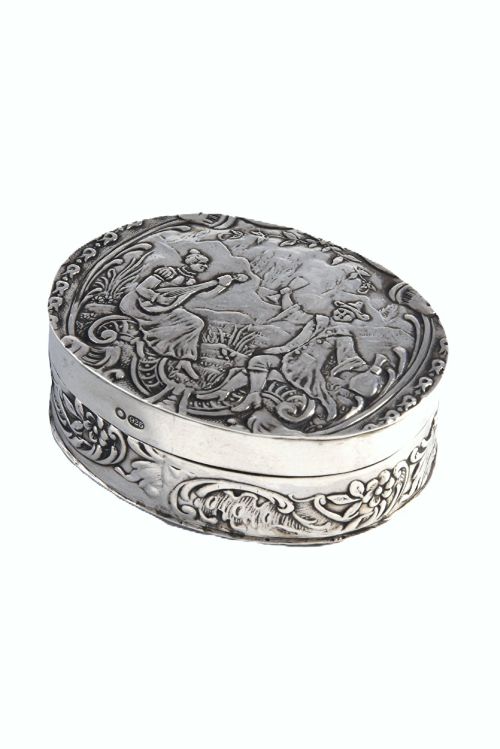
Metalworkers hammered, cast, and pierced sterling silver and brass to create hinged lids and tight closures. Many silver and gilt containers incorporate hand-engraved scrollwork, chased borders, or inset painted plaques.
Glasscutters ground heavy crystal to fit silver collars, while workers who handled organic media polished horn and tortoise-shell until the natural grain patterns emerged beneath protective mounts.
Antique Oval Box Retail Price Guide 2026
Typical asking prices for oval box among the pieces listed under this phrase on Sellingantiques today, from the lower quarter to the upper quarter. They describe what is for sale here now, not the wider market.
One brass snuff box carries the engraved name Ted Feltham alongside a precise hometown provenance.
Distinctions in execution and finish
Quality rests upon the precision of the fit and the integrity of the hinges. A superior specimen closes with a satisfying click, aligning perfectly along the curved rim without looseness in the pin.
Decoration separates utilitarian pieces from masterworks. Hand-engraved crests, crisp crossbanding, and well-preserved enamel work demonstrate superior workshop standards compared to standard commercial production.
The grade of the primary material dictates longevity. Heavy gauge silver, finely figured timber veneers, and unblemished glass liners separate exceptional survivals from heavily worn domestic items.
Jacob Amyand·Charles Rawlings·William Summers·William Simpson·James Deakin and Son·William Rudkins
The Antique Oval Box Glossary
- Snuff box
- A small pocket container designed to hold ground tobacco. These items feature tight lids to preserve the moisture and aroma of the contents.
- Tea caddy
- A vessel intended to store loose leaf tea safely away from humidity and light. Many examples from the Georgian period include internal compartments.
- Bijouterie
- A tabletop display case or box featuring glazed panels or glass lids. They were utilised in the nineteenth century to showcase small decorative trinkets and medals.
- Vinaigrette
- A small ornamental box containing a perforated internal grille. Sponges soaked in aromatic vinegar sat beneath the grille to neutralize unpleasant odours.
- Crossbanding
- A decorative border technique where thin strips of veneer are laid perpendicular to the grain of the main panel. This frames the curved lid of a wooden box.
- Chasing
- A metalworking technique where a silversmith pushes the material from the front using punches to create raised relief designs. It provides texture to silver boxes.
Antique Oval Box: Frequently Asked Questions
What were small antique oval boxes used for?
These compact vessels served as personal containers for tobacco, medicinal pills, or scented vinegar. Wealthy owners carried them daily in pockets or reticules.
Larger variations remained stationary on dressing tables to store rings, trinkets, and loose change safely out of sight.
How do I date a silver oval box?
British silver boxes carry hallmark stamps that indicate the assay office, the reigning monarch's duty mark, and the specific year of production. Comparing these stamped letters against standard registers gives the exact date.
Stylistic cues such as Edwardian pierced work or Georgian neoclassical engraving help confirm the manufacturing era.
Are wooden tea caddies difficult to maintain?
Wooden containers require stable humidity levels and protection from direct sunlight to prevent the timber veneers from drying and cracking. Keeping them away from heat sources preserves the polish.
Applying a traditional wax polish occasionally maintains the sheen on mahogany and satinwood surfaces without harming the historic finish.
What is the difference between a trinket box and a pill box?
Pill boxes measure just a few centimetres across and were made to slip easily into a pocket or handbag. They often feature mother-of-pearl or enamel lids.
Trinket and jewellery boxes provide a larger internal volume, frequently incorporating lined velvet or silk bases to cushion rings and brooches.