

Antique Outdoor Planters
Antique outdoor planters bring architectural presence to gardens through enduring iron, stone, and terracotta vessels.
Antique Outdoor Planters
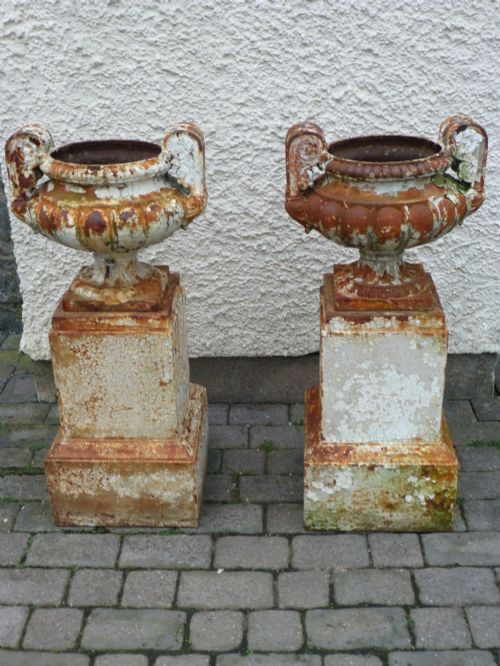
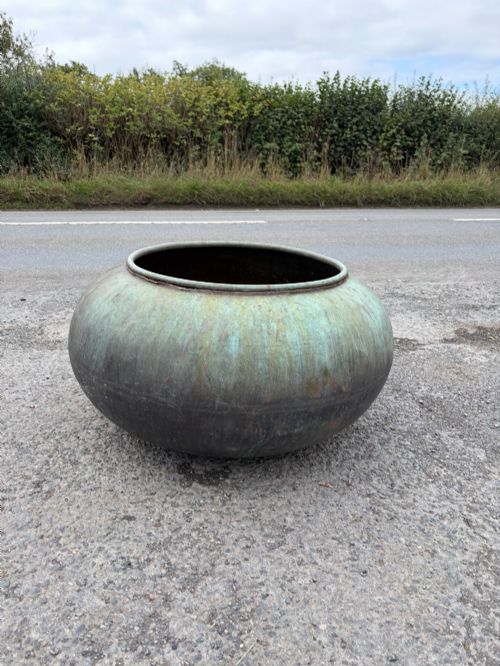
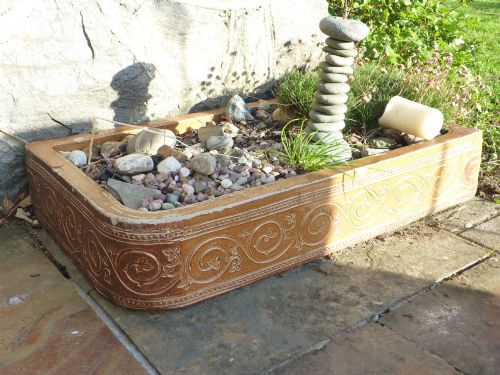
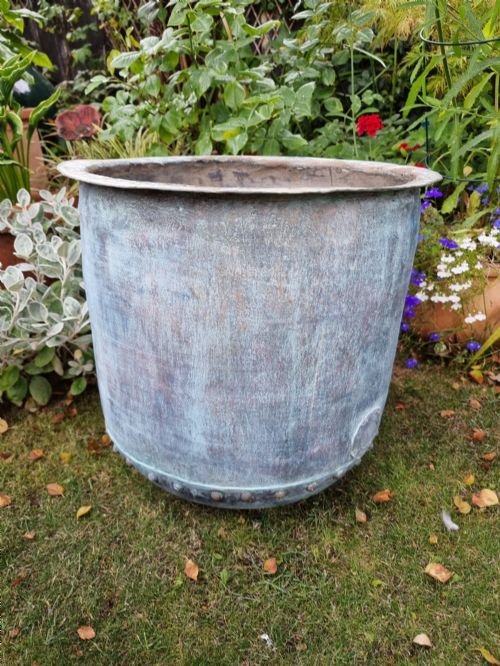
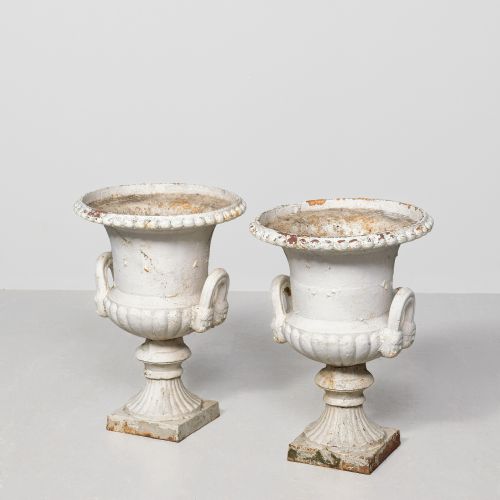
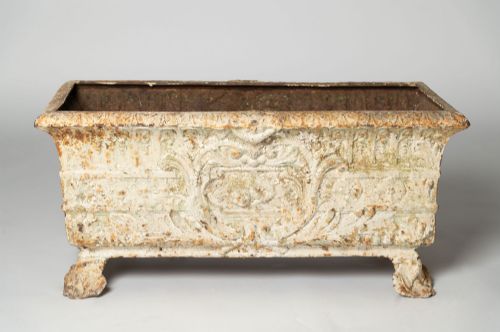
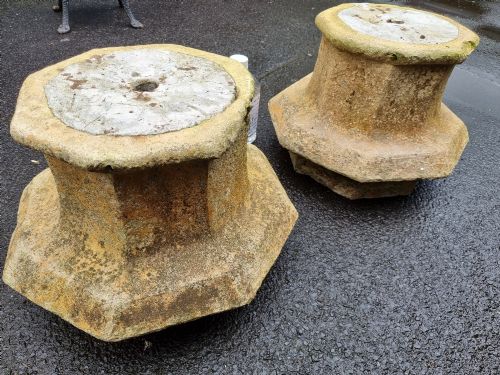
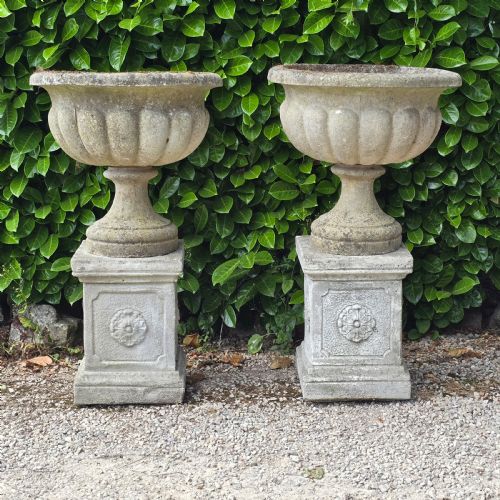
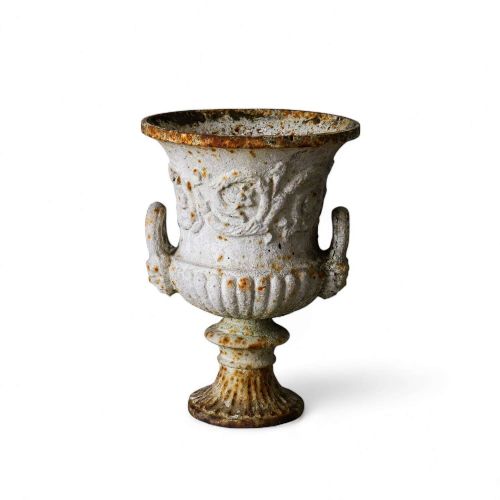
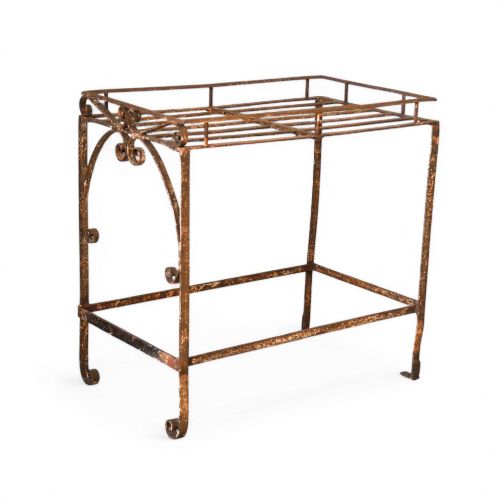
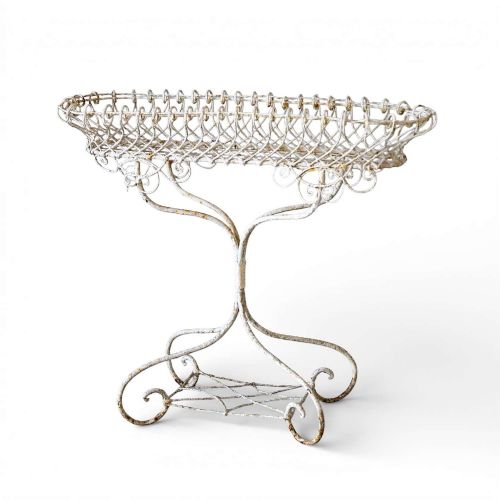
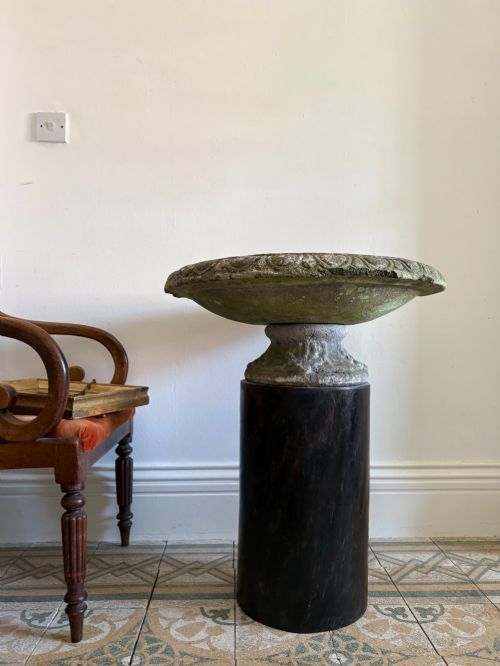
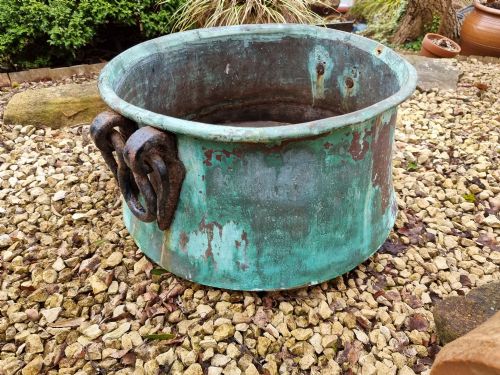
These pieces encompass a diverse range of vessels designed to hold garden foliage, spanning urns, troughs, jardiniere stands, and window boxes. Antique outdoor planters appear frequently as cast iron campana urns, heavy copper pots, and weathered terracotta vessels dating from the nineteenth and early twentieth centuries.
Makers and foundries shaped these objects in styles that echo classical antiquity, Gothic revivalism, and French chateau aesthetics. Gardeners utilise them to punctuate stone pathways, frame doorways, or elevate terrace planting above ground level.
How They Were Made
Foundries produced metal vessels by pouring molten iron or copper into sand moulds, often assembling decorative elements like handles and acanthus leaves separately. Cast iron and wrought iron pieces display the rugged capabilities of industrial era casting and hand forging.
Terracotta, stone, and composite materials relied on hand pressing clay into moulds or carving directly from blocks of soft stone and reconstituted media. Painters finished many surfaces with lead paints or protective coatings that weather over decades into distinct patinas.
Antique Outdoor Planters Retail Price Guide 2026
Typical asking prices for outdoor planters among the pieces listed under this phrase on Sellingantiques today, from the lower quarter to the upper quarter. They describe what is for sale here now, not the wider market.
Some Victorian ironfounders added a touch of whimsy to formal gardens by casting planters in the surprising shape of marine shrimp.
What Varies in Quality
The sophistication of the casting separates standard production ironwork from exceptional foundry output. Sharpness in relief details, such as classical motifs and maker stamps, indicates superior pattern work and metal preparation.
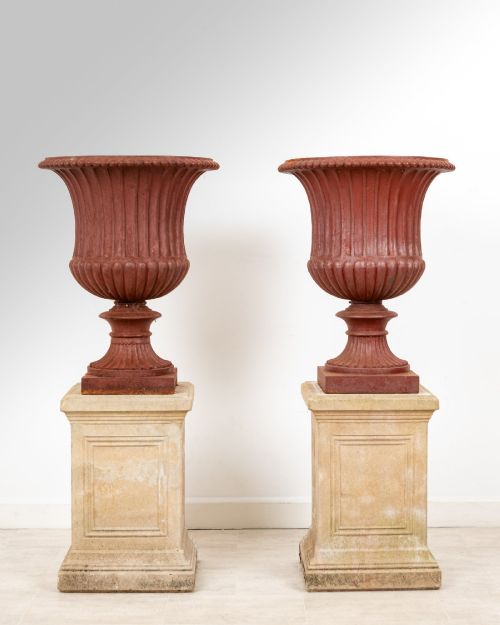
Integrity of materials dictates longevity and structural soundness. Vessels retaining original pedestals, matching pairs, and undisturbed surface patinas demonstrate higher fidelity to their original forms.
Falkirk Carron foundry·Coalbrookdale·Andrew Handyside·VAL D'OSNE FOUNDRY·Guichard Carriès
The Antique Outdoor Planters Glossary
- Campana urn
- A bell shaped garden vessel featuring a flaring rim and a pedestal base. This classical form remains one of the most widely encountered styles in nineteenth century garden ornamentation.
- Jardiniere
- An ornamental pot or stand designed to hold growing plants. These items often appear in ceramic, copper, or iron for use on patios and garden terraces.
- Reconstituted stone
- A durable material made from crushed stone and cement binders cast into moulds. It mimics natural stone while allowing intricate architectural details.
- Verdigris
- A green patina formed naturally on copper and brass surfaces through atmospheric oxidation. This chemical change protects the underlying metal while providing visual depth.
- Wrought iron
- Iron beaten into shape by hand rather than cast in a mould. This material allows for slender, resilient scrollwork and plant stands.
Antique Outdoor Planters: Frequently Asked Questions
How do I protect cast iron planters from frost?
Cast iron withstands cold temperatures well, but trapped freezing water can expand and crack the metal or its contents. Elevating vessels on pot feet prevents moisture from freezing underneath the base.
lining the interior with protective material also buffers extreme temperature shifts for root systems. Emptying surplus soil during severe winter months reduces internal pressure.
Can I leave terracotta outdoors year round?
Terracotta absorbs moisture, which makes older earthenware vulnerable to frost damage if temperatures drop rapidly. Placing pots under shelter during winter helps preserve the clay body.
ensuring proper drainage through bottom holes stops standing water from freezing and fracturing the walls. Many historic terracotta pieces survive outdoors successfully when positioned on dry paving.
How do I clean verdigris off copper pots?
The green verdigris layer acts as a protective shield and adds historic character to copper garden vessels. Most collectors prefer to leave this natural oxidation untouched.
washing away surface dirt with mild soap and water maintains the metal without stripping its patina. Abrasive cleaners should be avoided because they remove the aged surface finish.
How do I anchor heavy stone urns securely?
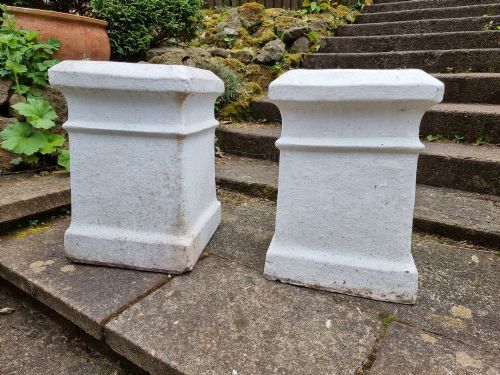
Heavy stone and cast iron urns often remain stable under their own weight on level ground. Large pieces benefit from being placed on dedicated stone plinths to prevent sinking into damp soil.
bolting or pinning sections together may be necessary for exceptionally tall or tiered garden stands in windy locations. Professional installation ensures structural safety for heavy architectural ornaments.