



Antique Ottoman Carpet
An antique ottoman carpet brings centuries of Anatolian weaving tradition into a room through rich wools and distinctive geometric motifs.
Antique Ottoman Carpet
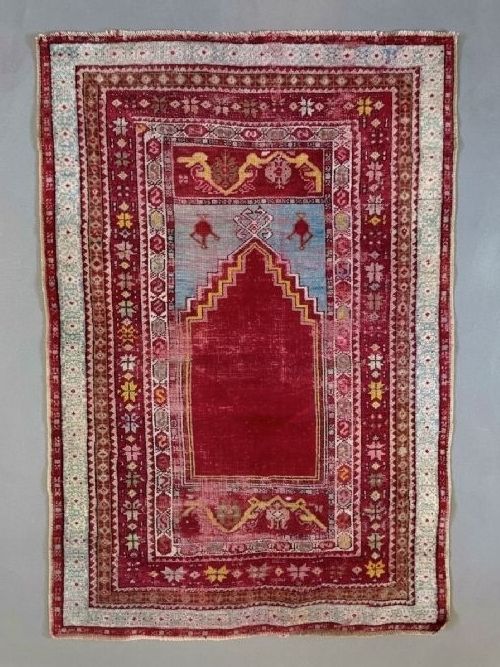
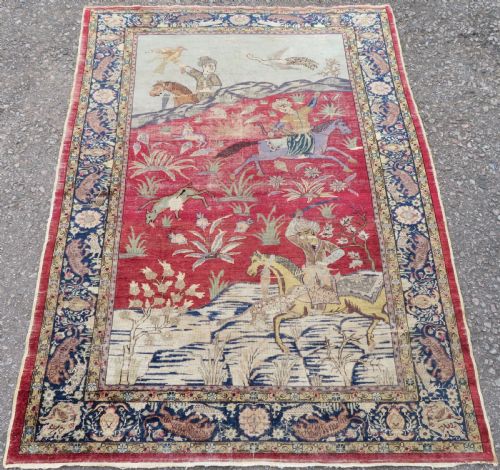
When you search for an antique ottoman carpet, you encounter hand-knotted rugs and prayer mats originating from various regions of Anatolia. The selection spans distinct weaving centres such as Ushak, Ghiordes, Ladik and Konya, reflecting centuries of Turkish textile heritage.
You are most likely to meet large Oushak carpets alongside smaller village prayer rugs dating from the nineteenth century. These textiles served both functional floor coverings and decorative centrepieces within homes.
The inventory also includes flat-woven kilims from Sarkoy and Pirot, demonstrating the broad scope of historic floor furnishings available to collectors.
How they were made
Weavers utilised natural sheep wool, cotton foundations and occasionally fine silk threads to construct these durable textiles. Angora wool also appears in specific regional weaves, providing a distinctive soft handle and subtle sheen.
Dyers employed natural vegetable and mineral sources to colour the yarns, creating rich palettes that mellow gracefully over decades of light exposure. The knots are tied by hand onto vertical looms, followed by careful shearing of the pile to uniform heights.
Listings feature materials such as wool, cotton, silk, angora wool, pine, fabric, baize and iron across various nineteenth-century forms.
What varies in quality
The finesse of a piece depends heavily upon knot density and the precision of the drafted design. Higher grade examples display crisp geometric or floral borders with well-balanced proportions across the central field.
Material selection dictates the tactile richness, with pure silk prayer rugs and fine wool Ushak pieces representing the more intricate end of regional production. Dye saturation and the retention of vibrant natural hues further distinguish superior examples from standard village work.
The Antique Ottoman Carpet Glossary
- Prayer rug
- A small textile featuring a mihrab or arch design indicating the direction of Mecca. These rugs were designed for daily devotional use rather than heavy foot traffic.
- Kilim
- A flat-woven carpet produced without a pile by tightly interweaving warp and weft strands. This technique creates a lightweight textile with sharp geometric patterns visible on both sides.
- Mihrab
- The arched niche depicted at one end of a prayer rug, symbolising a doorway or sanctuary. Its orientation guided the user during daily prayers.
- Yastic
- A small bolster face or cushion cover traditionally used in Turkish interiors for seating arrangements. They share the same knotting techniques and wool quality as larger floor carpets.
- Oushak
- A major carpet-producing town in western Anatolia known for large-scale decorative formats and soft pastel or terracotta colour palettes. These carpets often feature large floral medallions.
Antique Ottoman Carpet: Frequently Asked Questions
How do I care for an antique carpet?
Vacuum gently using a suction-only attachment without a rotating brush to protect the aged wool pile.
Keep the textile out of direct sunlight to prevent natural dyes from fading over time.
Where were these rugs made?
Most pieces originate from historic weaving towns and rural villages across Anatolia, including Ushak, Konya and Ghiordes.
Each region developed distinct motifs and colour combinations unique to local weaving traditions.
Can I use these rugs on heated floors?
Historic natural fibres handle moderate ambient warmth well, provided the rug rests on a breathable, non-rubber underlay.
Avoid excessive heat sources that could dry out the historic wool and cotton foundations.
What is the difference between a rug and a kilim?
Rugs are constructed with a thick hand-knotted pile that provides a plush surface underfoot.
Kilims are flat-woven textiles created by interlocking coloured weft threads without any raised pile.