






Antique Orthodox Icon
These antique orthodox icon pieces are sacred panel paintings and metal objects that bring centuries of devotional artistry and ritual history directly into your home.
Antique Orthodox Icon
When you search for antique orthodox icon, you encounter sacred panel paintings and devotional metalwork created for prayer and liturgy. The selection spans centuries of Russian Orthodox tradition, ranging from portable metal crosses to large wooden panels.
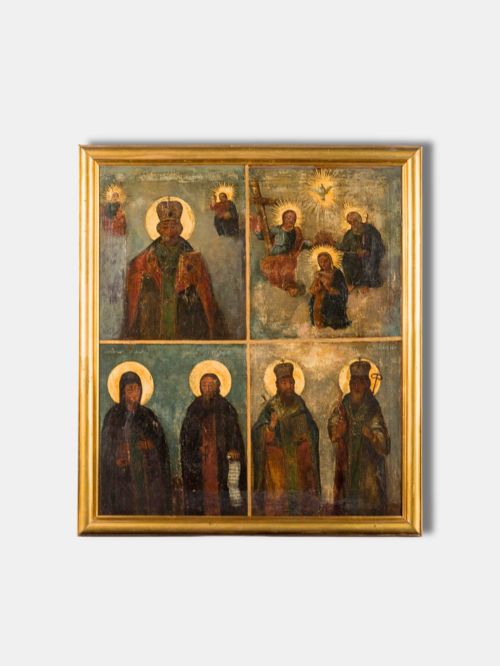
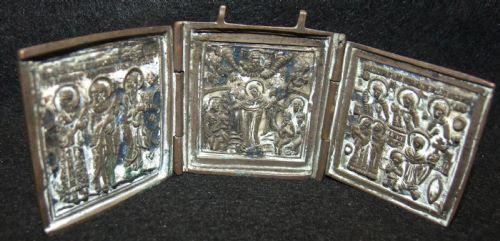
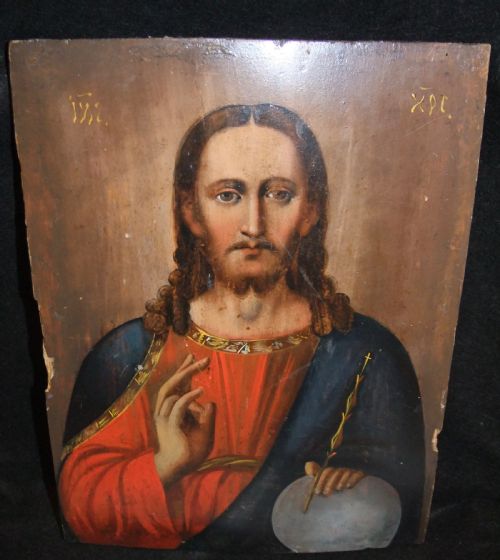
You are most likely to meet 19th century examples painted on wood panels, often featuring subjects like Christ Pantocrator or narrative scenes of the Passion. Alongside these painted works, portable brass and bronze folding triptychs and crosses appear regularly.
The objects originate primarily within Russian workshops and master circles, reflecting imperial aesthetics and traditional monastic iconography. Whether you seek a small travel icon or a framed panel, each piece carries deep religious and historical significance.
Materials and construction
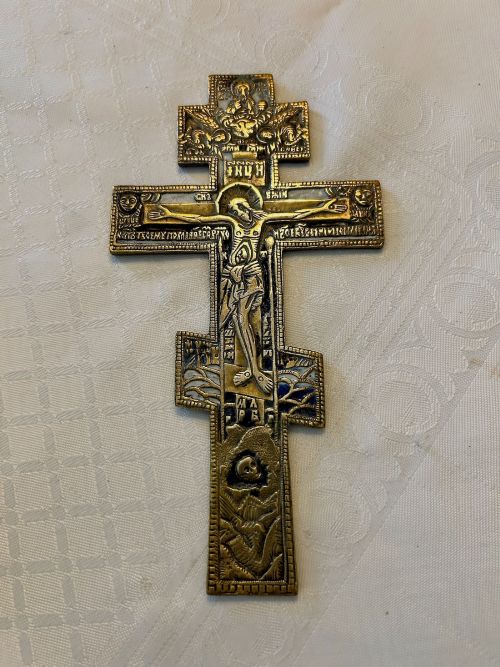
Painters utilised tempera and oil on prepared wood panels and canvas, frequently applying gold leaf and gilt to illuminate sacred figures and backgrounds. Metalworkers cast brass and bronze to create durable pocket pieces and folding triptychs, often incorporating vibrant blue enamel.
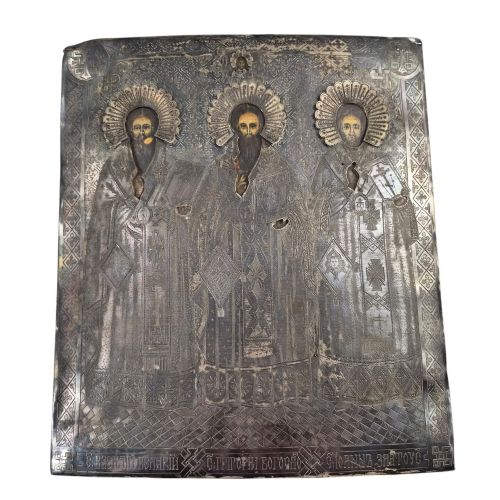
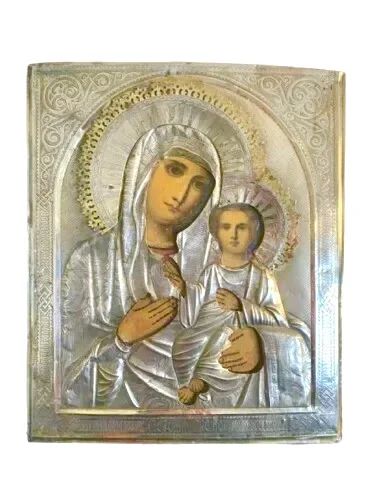
Many wooden panels feature protective metal coverings known as oklads or rizas, executed in silver to shield the pigment while highlighting the halo and garments. These layered constructions demand specialist joinery and meticulous metal-smithing to unite wood, paint, and precious metal seamlessly.
Antique Orthodox Icon Retail Price Guide 2026
Typical asking prices for orthodox icon among the pieces listed under this phrase on Sellingantiques today, from the lower quarter to the upper quarter. They describe what is for sale here now, not the wider market.
Even the smallest pocket triptych usually has enough hinged brass to make you feel properly equipped for a medieval crusade.
Markers of distinction
The refinement of brushwork and the expressive depth of the faces dictate the visual success of painted panels, separating master workshops from provincial output. Finely rendered lettering, delicate punchwork on gold leaf, and precise anatomical details indicate superior artistic execution.
For metalwork, the crispness of the cast and the vibrancy of the enamel distinguish finer portable pieces from simpler productions. The integration of a hallmarked silver riza or oklad elevates the status of a wooden icon, showing a higher tier of commissioning and craftsmanship.
Heinrich Grünbaum·Volga Masters
The Antique Orthodox Icon Glossary
- Tempera
- A permanent, fast-drying painting medium consisting of coloured pigment mixed with a water-soluble binder such as egg yolk. It provides the matte finish characteristic of traditional icon painting.
- Riza
- A protective metal cover placed over an icon, leaving only the face and hands of the painted figures visible. Often fashioned from silver, it functions both as protection and as an adornment.
- Oklad
- A synonym for a riza, being a metal sheath or plaque that encases the surface of an icon. These coverings frequently feature repoussé and chased ornamentation.
- Triptych
- A picture or relief carving on three panels, hinged side by side and foldable. In this context, they serve as portable travel shrines for personal devotion.
- Pantocrator
- An iconic representation of Christ depicted as ruler of all, typically shown holding a book and raising his right hand in blessing.
Antique Orthodox Icon: Frequently Asked Questions
How should I clean an icon?
Sacred panels and metalwork require minimal intervention to preserve their delicate surfaces and original patinas. Dust them gently with a dry, soft brush and avoid all liquid cleaning agents.
Moisture and harsh chemicals can damage tempera paint, gold leaf, and vulnerable wood substrates. Consult a specialist conservator if deeper restoration becomes necessary.
Where were these objects displayed?
Icons traditionally held prominent positions in homes on the eastern wall of a main room, forming a focal point for daily prayer. Portable versions travelled with individuals, serving as personal shrines during journeys and military campaigns.
Larger painted panels remained fixed in domestic red corners or ecclesiastical settings. Their placement reflected the central role of prayer in daily life.
What is a travel icon?
Travel icons are small, durable devotional objects designed for portability during movement. They often take the form of brass or bronze folding triptychs and small cross plaquettes.
These pieces protected the owner away from home and folded shut to shield the sacred imagery from damage. Their robust metal construction ensured they survived arduous journeys.