

Antique Ornate Frame
These pieces unite heavy historic frames and mirrors with intricate ornamentation, offering period presence and gilded craftsmanship for a room.
Antique Ornate Frame
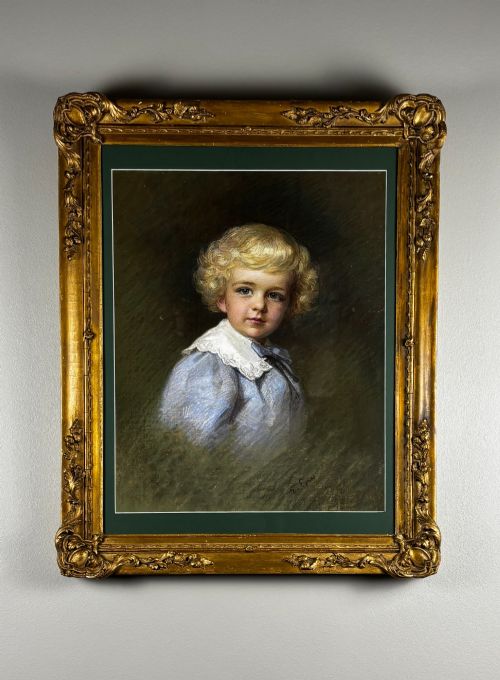
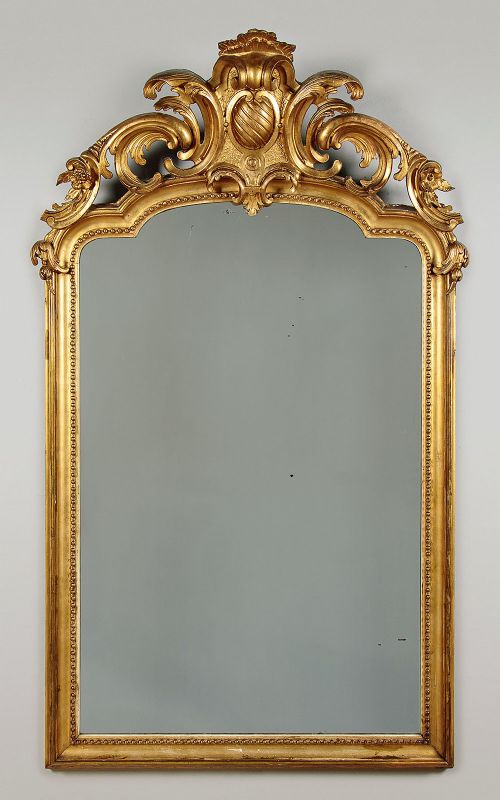
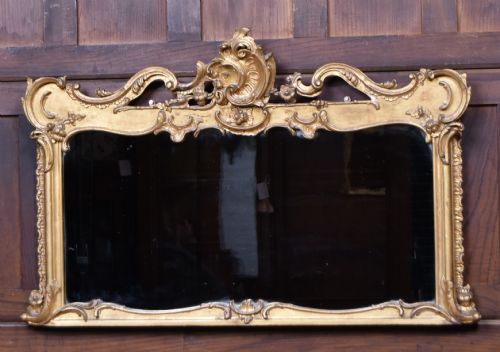
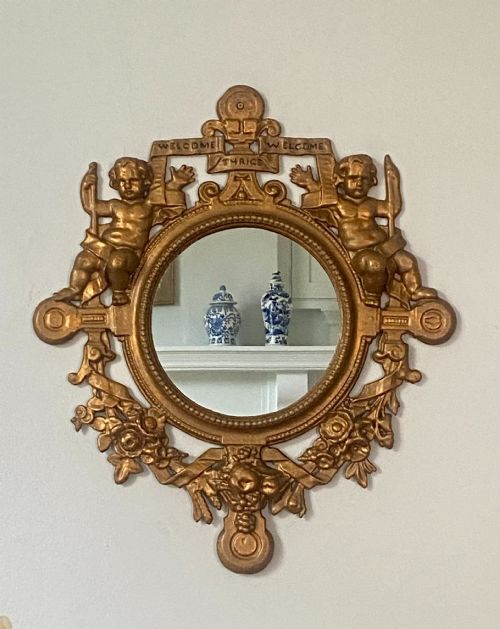
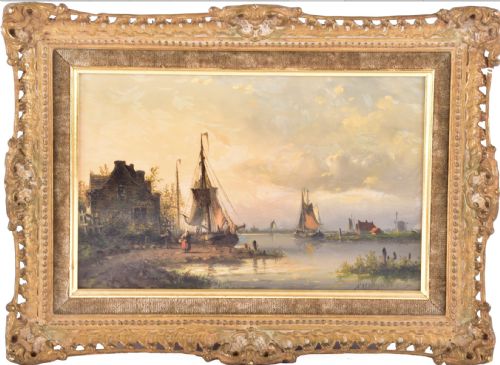
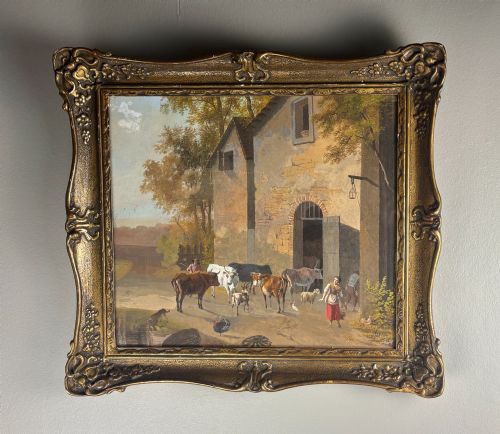
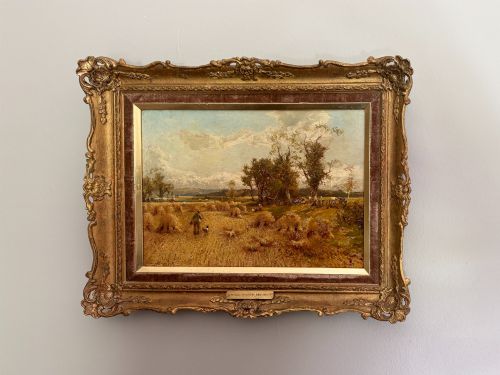
When searching for an antique ornate frame, a buyer encounters heavily decorated mouldings designed to hold mirrors, artwork, or photographs. These pieces emerge predominantly from Victorian, Edwardian, and nineteenth-century workshops.
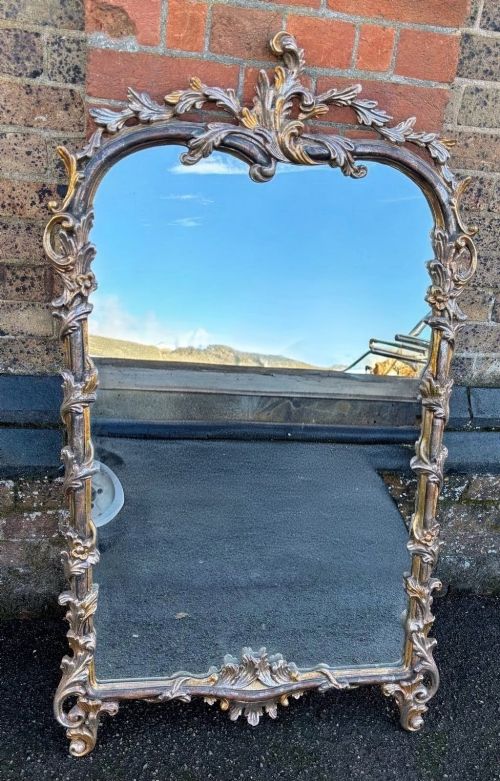
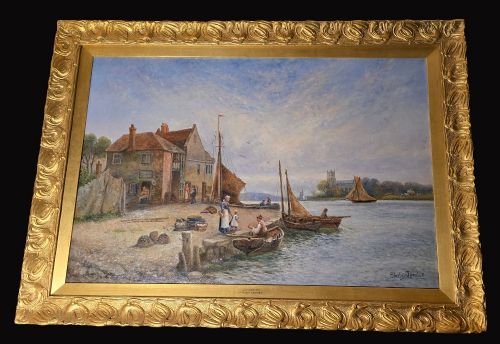
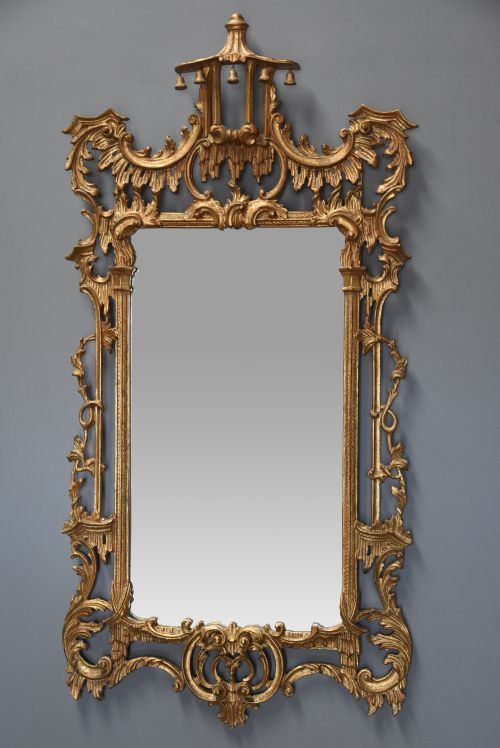
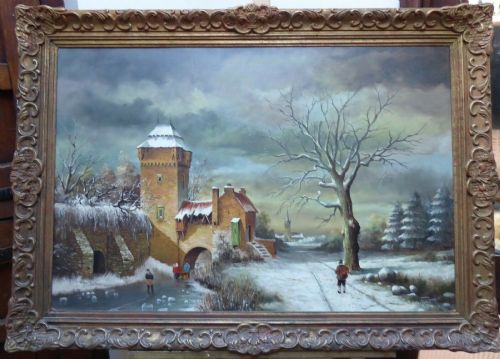
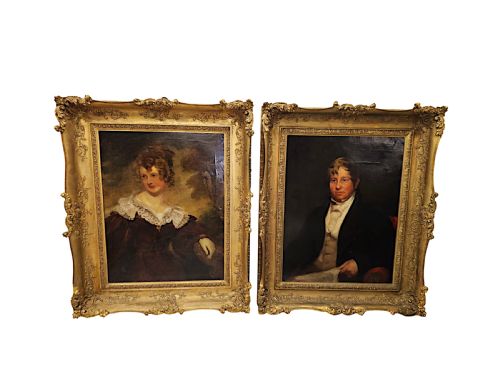
The most common versions on this page are large wall mirrors, overmantel mirrors, and deep picture frames finished in gold leaf or gilt. They frequently display Rococo Revival curves, carved crests, and French Chateau influences.
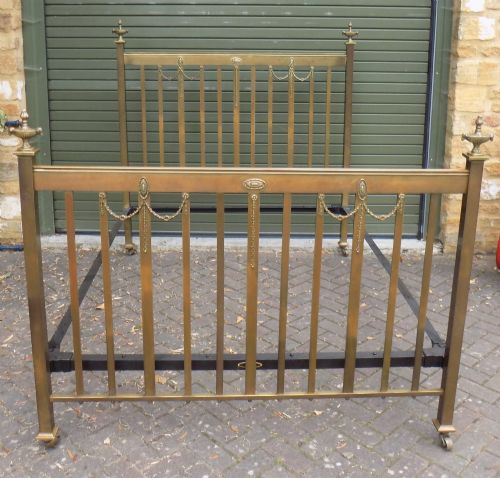
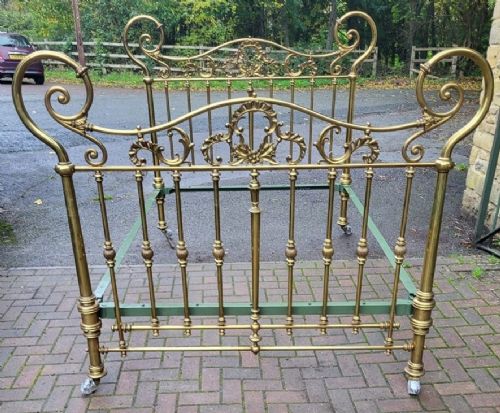
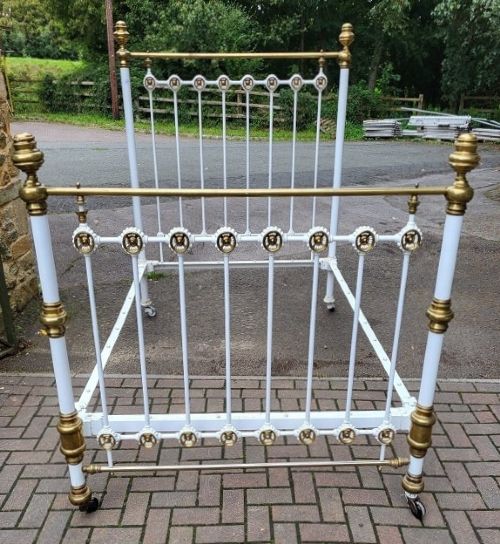
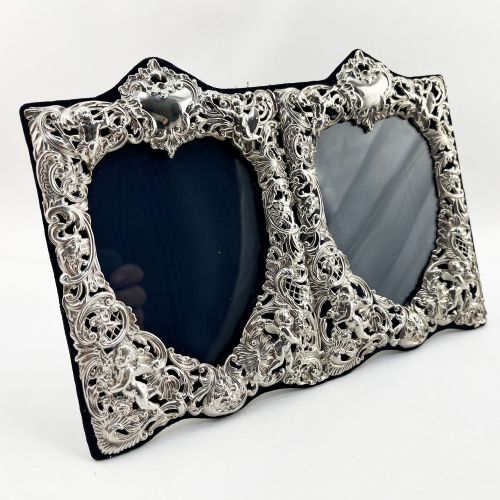
Beyond mirrors and picture housings, related decorative forms appear in this category, including silver photograph frames and carved wooden beds that share the same sculptural vocabulary.
Materials and construction methods
Makers constructed the foundational structure using solid timber, such as carved wood or walnut, before applying intricate surface decoration. Artisans then built up relief ornamentation using gesso, a plaster-like mixture modelled or stamped into complex scrolls and floral motifs.
The characteristic metallic brilliance relies on the application of gold leaf or silver gilt directly onto the prepared gesso and wood ground. Many mirrors also retain their original antique glass plates, showing subtle age spots and foxing consistent with their age.
Antique Ornate Frame Retail Price Guide 2026
Typical asking prices for ornate frame among the pieces listed under this phrase on Sellingantiques today, from the lower quarter to the upper quarter. They describe what is for sale here now, not the wider market.
Cats, kittens, ducks, and sheep quietly populate the canvas backgrounds behind these gilt mouldings, watching rooms change across the centuries.
Distinctions in craftsmanship and condition
Quality rests in the crispness and depth of the carved woodwork and the modelling of the gesso relief. Superior examples maintain intact mouldings without heavy plaster loss, whereas lesser pieces show clumsy repairs or flattened ornament.
The fineness of the gilding further separates the grades, with genuine gold leaf retaining a warm, burnished lustre compared to flat modern metallic paints. Original mirror plates with bevelled edges and untouched backing boards command greater appreciation than later replacement glass.
William Comyns·Winfield
The Antique Ornate Frame Glossary
- Gesso
- A plaster mixture applied to wood frames and carved or moulded to form raised decorative motifs before gilding. It provides the smooth, receptive surface required for fine metallic leaf.
- Giltwood
- Timber that has been coated with gold leaf or a gold-coloured finish. This material defines the luxurious appearance of many nineteenth-century wall and overmantel mirrors.
- Overmantel mirror
- A large mirror specifically designed to hang above a fireplace mantelpiece. These pieces often feature an arched top and elaborate crests to anchor the room.
- Rococo Revival
- A nineteenth-century design style emulating the curving asymmetry of eighteenth-century French decoration. It uses C-scrolls, shell motifs, and naturalistic floral elements.
- Plate glass
- The sheet of glass used in mirrors, often thicker and heavier in older pieces. Antique plates frequently exhibit minor imperfections and silvering deterioration.
Antique Ornate Frame: Frequently Asked Questions
How do I hang a heavy overmantel mirror?
Large overmantel mirrors require secure fixings anchored directly into wall studs or masonry to support their considerable weight. Professional mirror hangers use heavy-duty steel brackets rated for the specific load.
Because nineteenth-century frames incorporate dense wood and plaster gesso, checking the structural integrity of the hanging loops on the reverse is essential before installation.
Can I replace the glass in an antique frame?
Replacing the mirror plate is possible, but retaining the original glass preserves the historic character and authenticity of the piece. Original glass often shows delightful foxing and slight distortions that modern glass lacks.
If the glass is broken or missing, a glazier can cut a new plate to fit the rebate, though this alters the historic integrity of the object.
How do I clean a gilded gesso frame?
Dusting requires only a very soft, dry brush to remove particles from the deep recesses of the carving. Moisture and commercial cleaning sprays damage fragile gesso and strip historic gilding.
Any attempt to touch up bare spots with modern metallic paint will disrupt the aged patina and reduce the visual harmony of the surface.
How do I date a nineteenth-century carved frame?
Dating relies on examining the construction methods of the wooden carcass, the composition of the gesso, and the style of the ornamentation. Victorian and Edwardian pieces often display machine-sawn backing timbers or specific fastener types.
Stylistic cues such as heavy Rococo Revival scrolls or classical fluted hollows point towards specific decades within the nineteenth century.