

Antique Oriental Vase Painting
Antique oriental vase painting brings together centuries of skilled brushwork on porcelain and earthenware across Chinese and Japanese traditions.
Antique Oriental Vase Painting
Antique oriental vase painting encompasses decorated ceramic vessels originating from Chinese and Japanese kilns, spanning centuries of distinct artistic traditions. When exploring antique oriental vase painting, a buyer typically encounters porcelain and earthenware objects decorated with pigments, enamel, and gold leaf.
Originating largely from the nineteenth and early twentieth centuries, alongside earlier Qing Dynasty and Meiji Period examples, these painted ceramics reflect the distinct aesthetic priorities of their makers.
What varies in quality
Quality in these painted ceramics rests upon the precision of the brushwork and the clarity of the underlying glaze. Finer examples display disciplined control in miniature figural scenes and balanced compositions of birds and flowers.
The sophistication of the palette and the crispness of the enamel application distinguish standard production wares from pieces bearing workshop signatures or imperial marks.
Several vases carry mythological beasts and mythical figures painted with such microscopic detail that they demand a magnifying glass.
Maruni Kobe·Shozan·Manpei·Kinkōzan
The Antique Oriental Vase Painting Glossary
- Imari
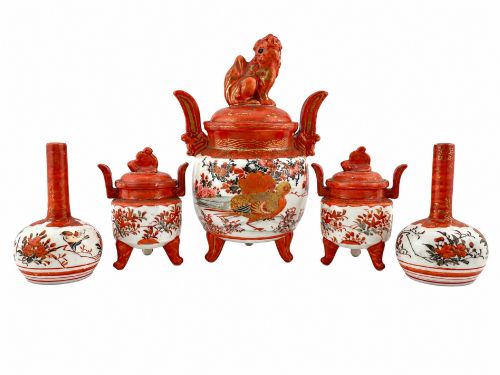
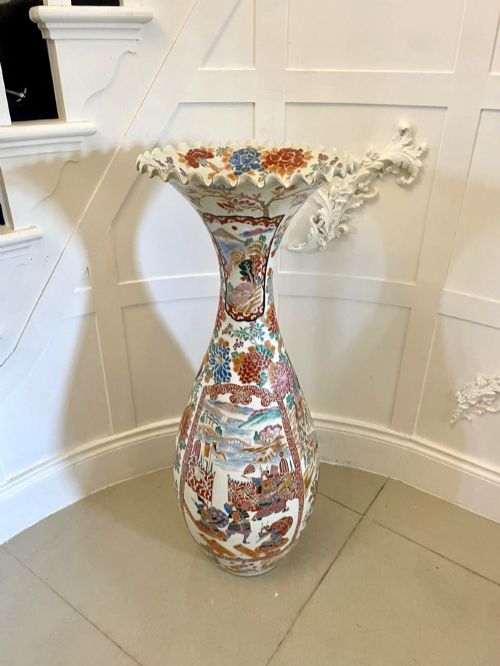
- A style of Japanese porcelain featuring distinctive underglaze blue and iron red decoration, often enriched with gilt. The palette creates a strong visual contrast across the surface of the vessel.
- Satsuma
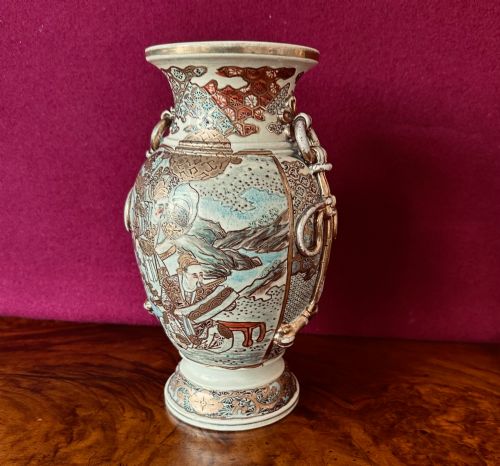
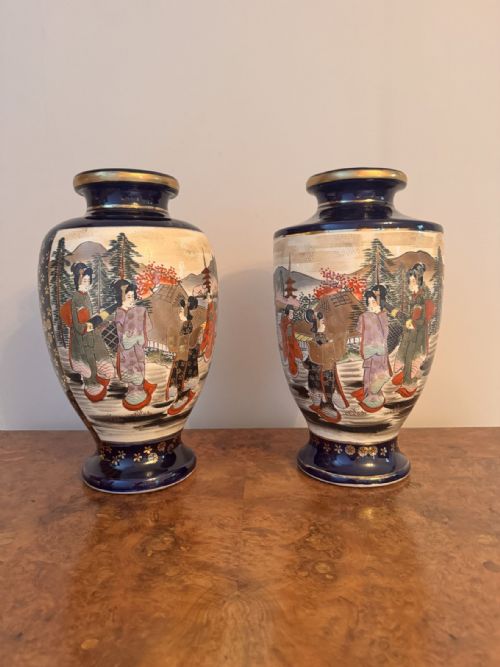
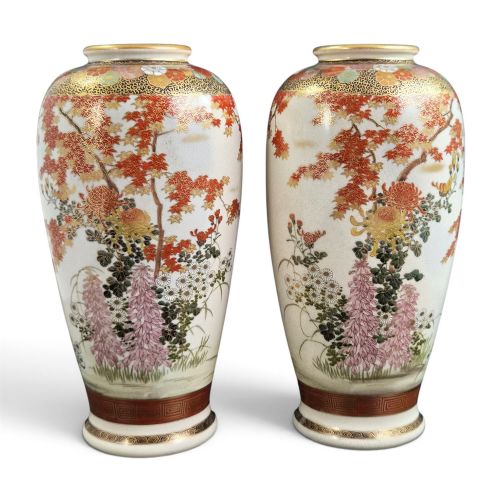
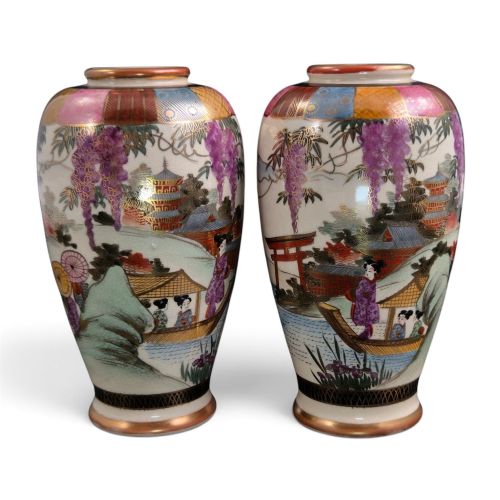
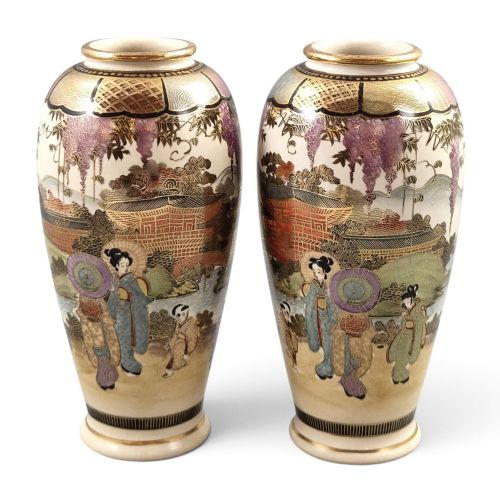
- Earthenware pottery originating from Japan, characterised by a finely cracked cream glaze decorated with intricate enamel and gold leaf designs. These pieces frequently depict figurative scenes or botanical motifs.
- Famille Rose
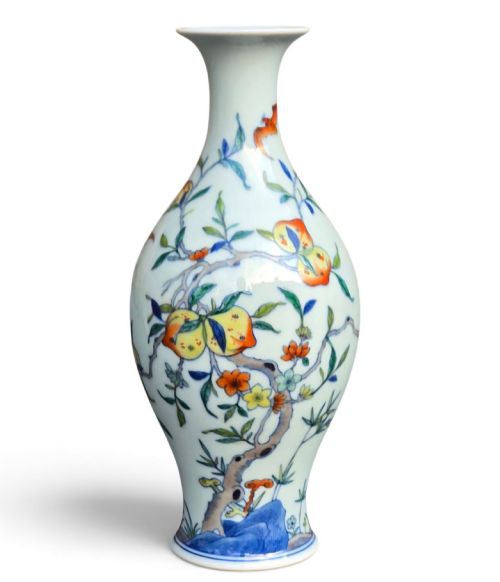
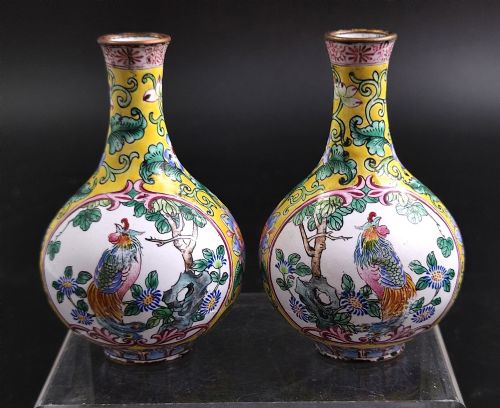
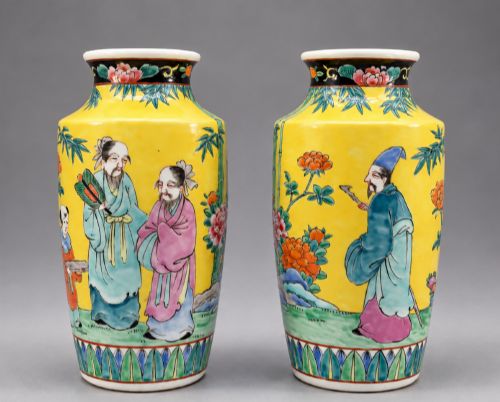
- A palette of opaque enamels dominated by pink or rose colours, introduced to Chinese porcelain during the Qing Dynasty. This technique allowed artists to render soft tonal gradations in floral and figural compositions.
- Underglaze Blue
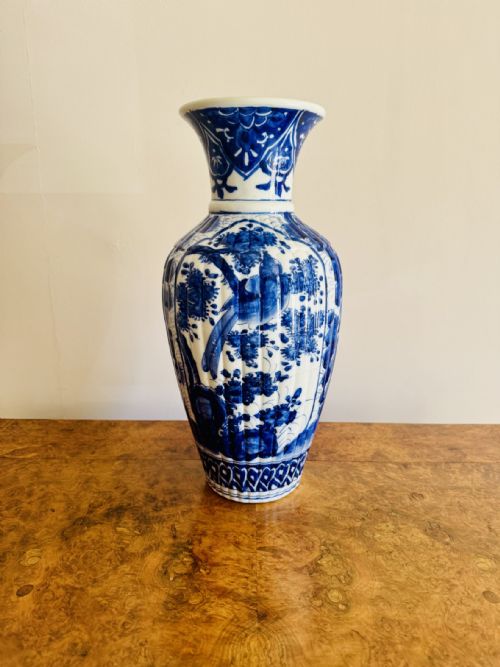
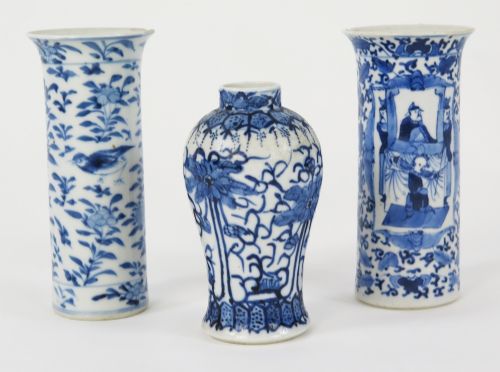
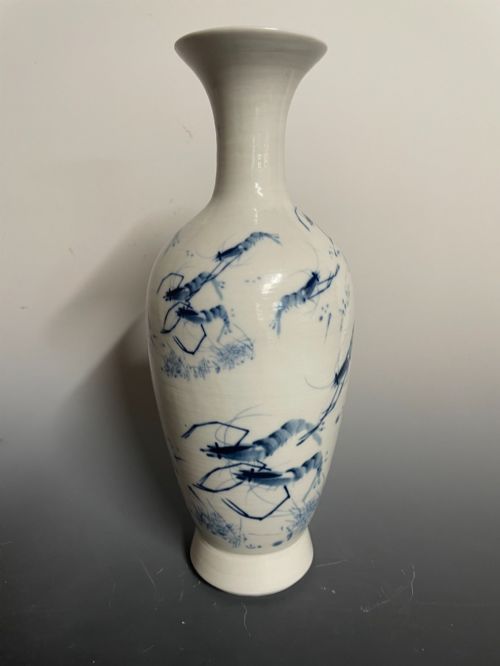
- A method of decorating ceramics by applying cobalt pigment directly onto the clay body before glazing and firing at high temperatures. The resulting blue design sits permanently beneath the glassy protective layer.
- Ginger Jar
- A ceramic vessel characterised by a broad rounded body and a flat base, originally designed for storing spices. Many surviving examples include matching ceramic covers.
Antique Oriental Vase Painting: Frequently Asked Questions
How do I identify Satsuma ware?
Satsuma ware is typically identified by its distinctive creamy, crackled earthenware glaze and detailed polychrome enamel painting finished with gold leaf. These pieces often feature figurative scenes of people in traditional landscapes.
Looking closely at the base can also reveal workshop signatures or artisan names, such as Kinkōzan or Shozan, which help place the piece within its historical context.
What is Chinese export porcelain?
Chinese export porcelain refers to ceramic goods manufactured in China specifically for overseas markets in Europe and the West. These items often combined traditional Chinese forms and painting techniques with decorative elements appealing to foreign tastes.
Common styles include blue and white porcelain and the colourful Famille Rose palette, dating across the Qing Dynasty and later periods.
How were converted lamp vases wired?
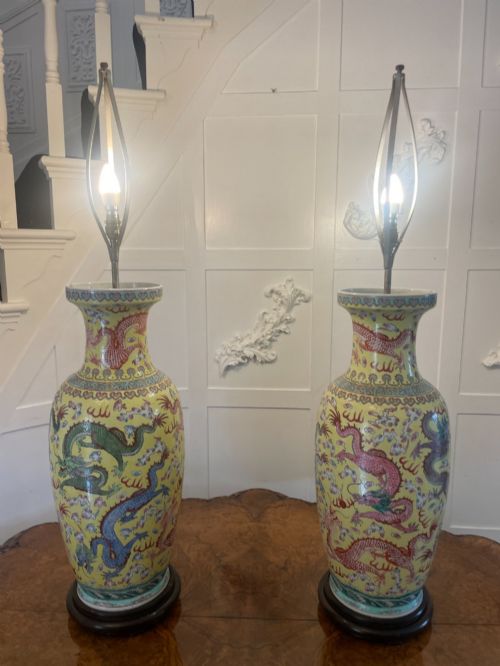
Many antique vases were converted into table lamps during the twentieth century to suit changing interior decoration trends. This process sometimes involved drilling through the ceramic body or mounting the vessel with metal hardware to secure electrical fittings.
Examining the base and collar fittings helps determine the method used for conversion without damaging the original painted surface.
What distinguishes Imari from Kutani?
Imari porcelain relies on a characteristic palette of underglaze blue, iron red, and gilt, producing bold geometric and floral patterns. Kutani ceramics, by contrast, frequently utilise a broader range of rich enamel colours, particularly greens and purples, focusing heavily on pictorial narratives.
Both traditions developed distinct aesthetic identities during the Meiji period in Japan.