

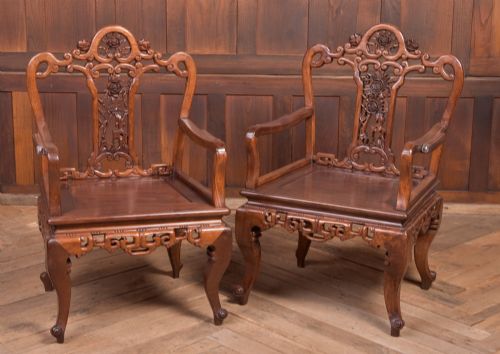



Antique Oriental Style Chairs
Antique oriental style chairs bring distinctive forms, carved hardwoods and lacquered finishes into a room.
Antique Oriental Style Chairs
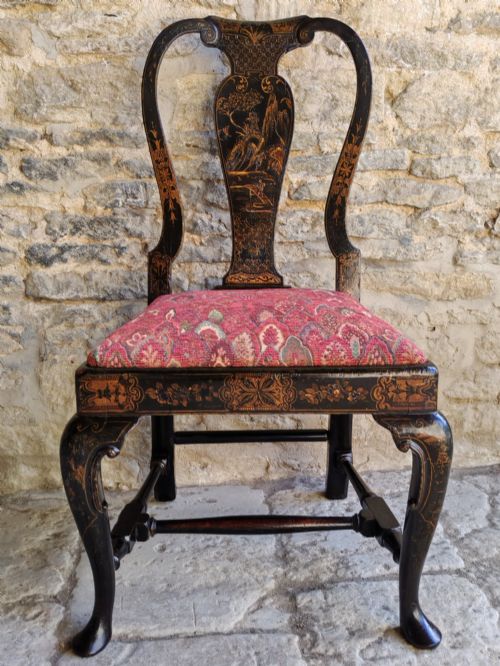
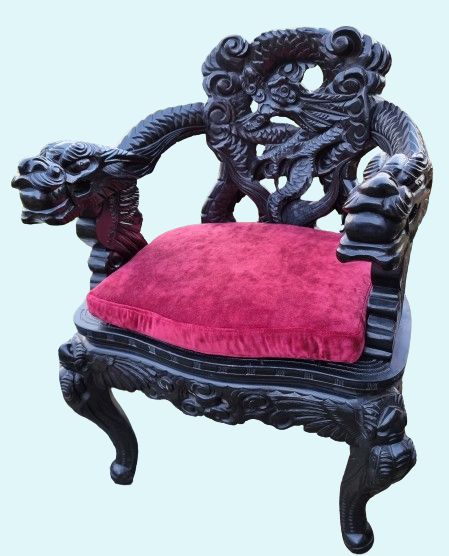
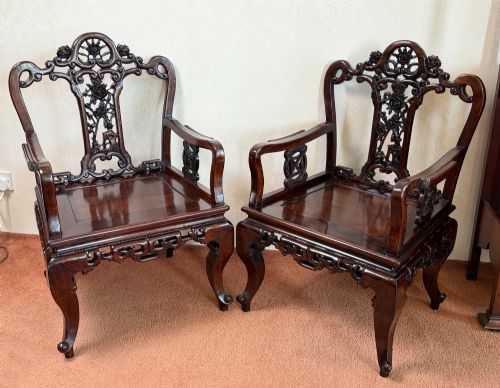
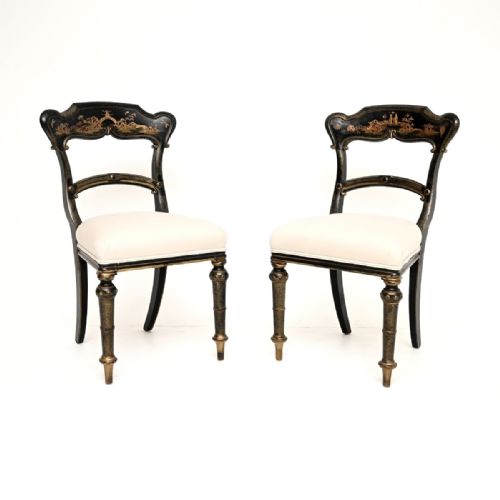
The most frequently met examples on this page are nineteenth-century Chinese hardwood armchairs and side chairs. Buyers also find distinct forms like horseshoe-backed chairs and lacquered seating from various periods.
Assessing craftsmanship and finish
The depth and crispness of the carved ornamentation separate standard examples from superior pieces. Hand-carved hardwood details display greater definition and precision than simpler production work.
The integrity of the timber, the preservation of original lacquer and the tightness of the joinery determine the overall standard. Surviving cane panels and intact brass inlays add to the desirability of a piece.
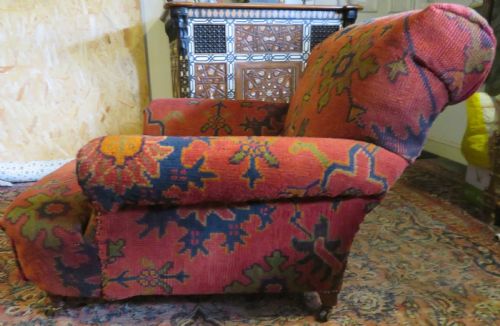
Listings span the eighteenth to the twentieth centuries, featuring hardwoods, lacquer, cane and fabric across Chinese, Anglo-Indian and Victorian styles.
The Antique Oriental Style Chairs Glossary
- Chinoiserie
- European interpretation of Chinese artistic motifs and styles, popular in furniture decoration during the eighteenth and nineteenth centuries.
- Horseshoe back
- A continuous curved crest rail that sweeps down to form the armrests, characteristic of certain traditional Chinese chairs.
- Hongmu
- A category of dense, dark tropical hardwoods used in traditional Chinese furniture making.
- Japanned
- European lacquerwork imitating East Asian designs, often built up in multiple layers and cured.
- Corner armchair
- A chair designed with a diagonal orientation to fit neatly into room corners, featuring a semicircular backrest supported by posts.
Antique Oriental Style Chairs: Frequently Asked Questions
How do I identify Chinese export furniture?
Chinese export pieces combine traditional forms with design elements intended for Western markets. They often date from the eighteenth and nineteenth centuries.
Look for specific timber choices and decorative motifs that bridge Eastern construction methods with European room layouts.
Where should I place an oriental armchair?
These chairs function well as statement seating in living rooms, studies or hallways. Their sculptural backs and carved woodwork demand visible placement.
Keep them away from direct heat sources and strong sunlight to protect the timber and lacquer finishes.
How do I care for lacquered wood?
Dust lacquered surfaces gently with a soft, dry cloth to prevent scratching the finish. Avoid moisture, chemical polishes and abrasive cleaners.
Maintain stable indoor humidity levels to protect both the wood substrate and the applied lacquer layers.