
Antique Oriental Seating
Antique oriental seating brings together elm, hardwood, lacquer and bronze across centuries of craftsmanship for domestic and ritual spaces.
Antique Oriental Seating
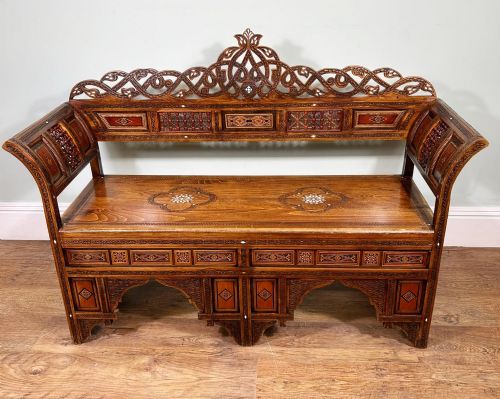
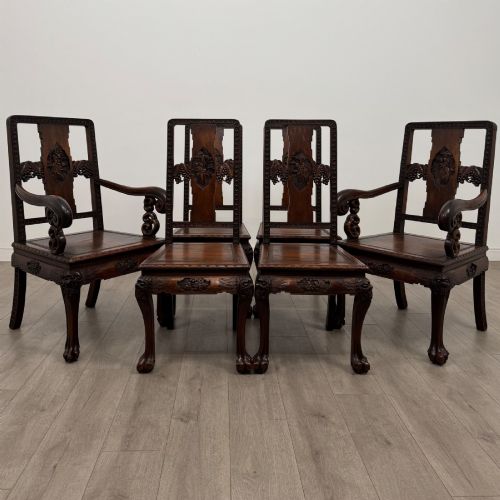
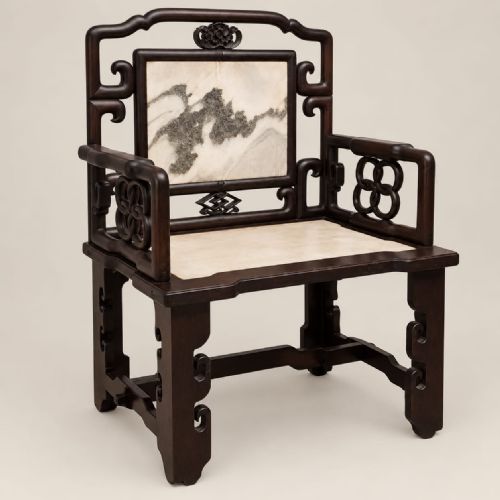
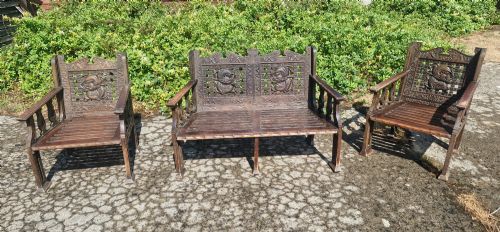
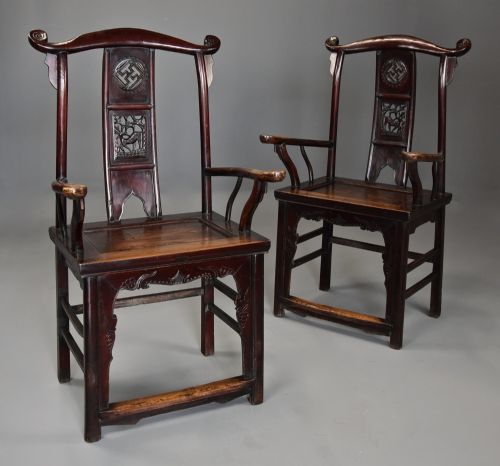
Antique oriental seating encompasses a diverse range of forms, from elm yokeback armchairs and rosewood hall benches to carved hardwood throne chairs and folding armchairs. Buyers exploring this category frequently encounter pieces originating from the 19th century and the early decades of the 20th century, alongside earlier Qing Dynasty works.
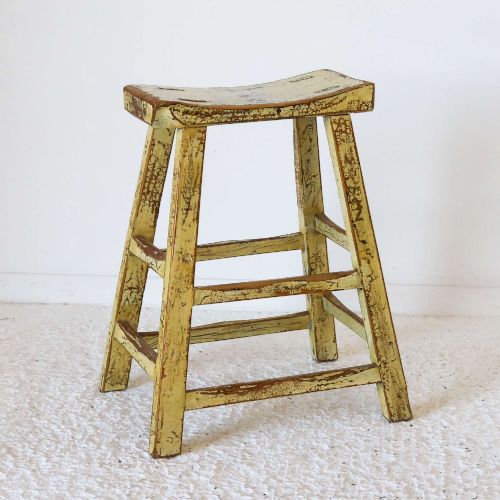
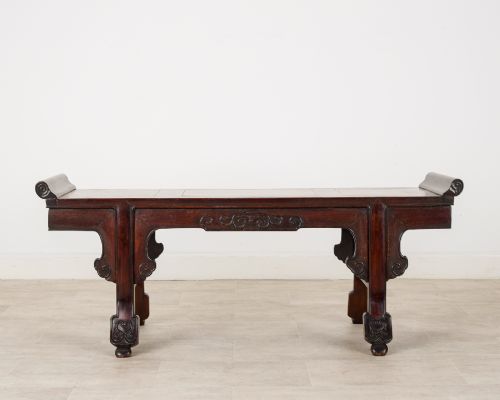
The selection includes specialised seating such as window seats, dressing stools, garden seats, and altar benches, alongside larger suites designed for country house conservatories. Many examples incorporate traditional Chinese styles, while others reflect Sino-Tibetan or Burmese origins.
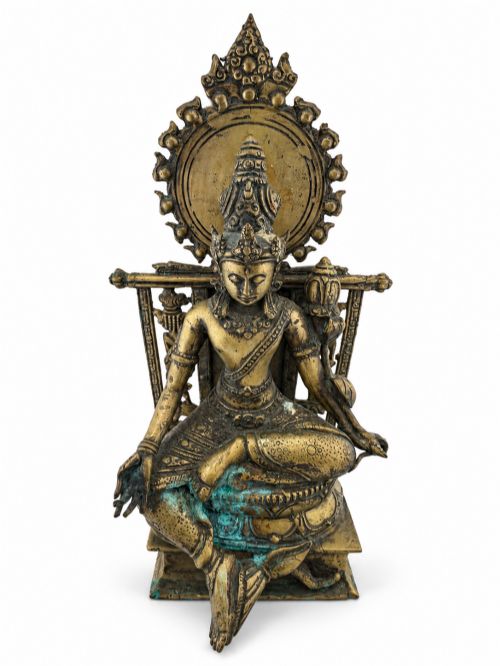
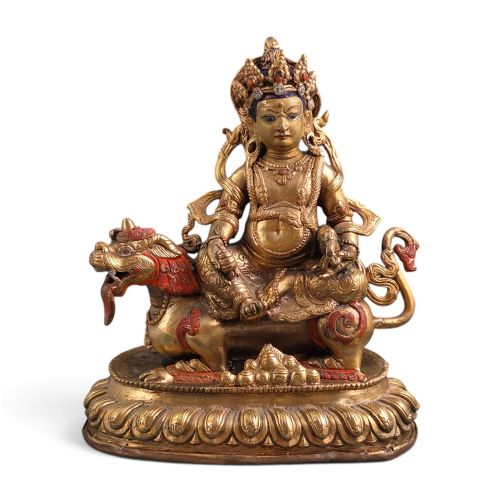
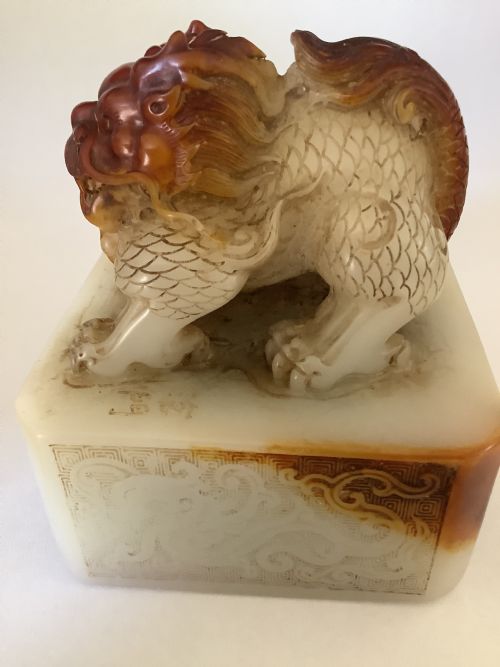
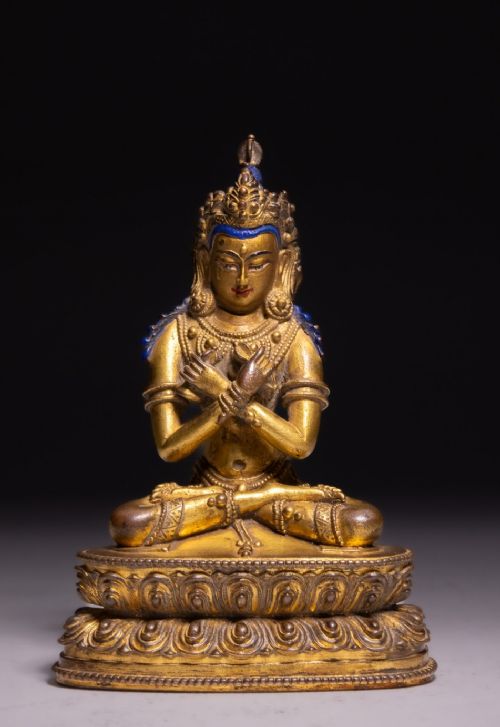
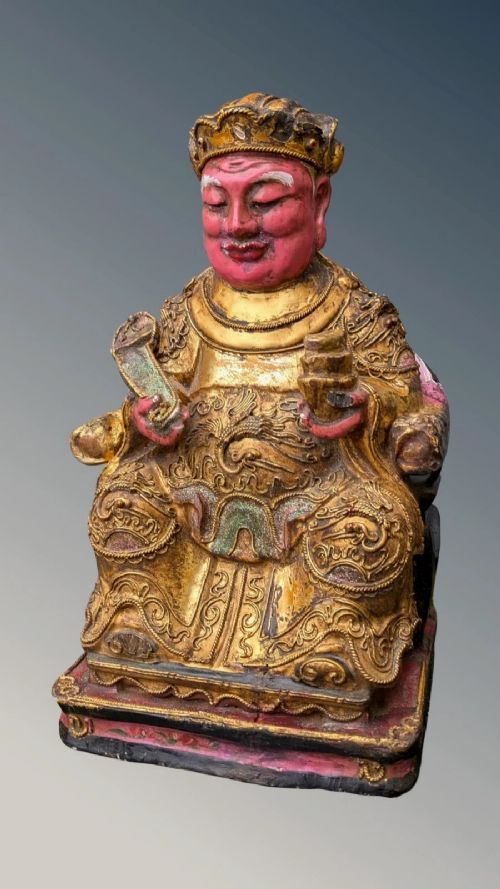
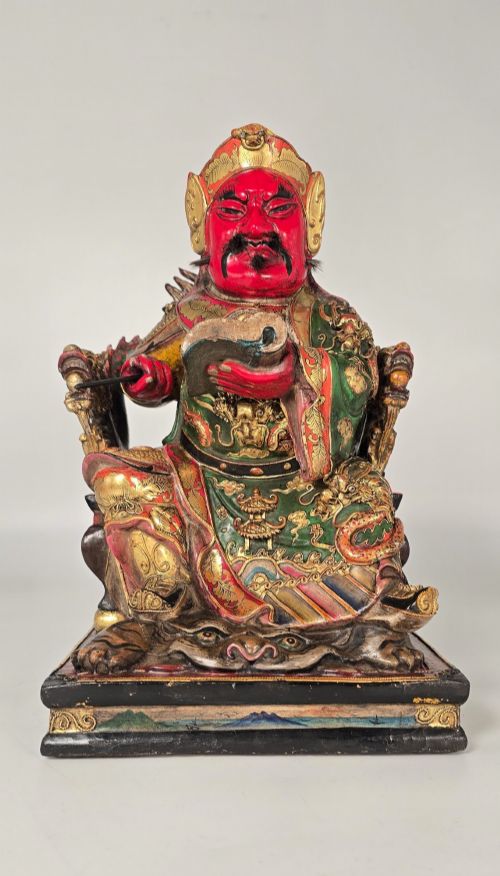
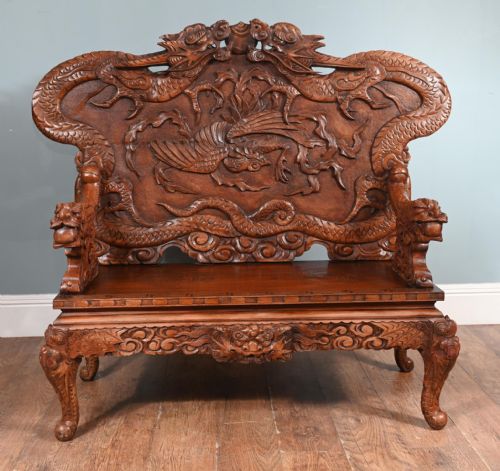
Domestic forms often feature elaborate carvings of dragons or floral motifs, while ritual seating involves bronze or gilt-metal figures of deities seated upon thrones or animals. These objects combine utility with symbolic forms derived from centuries of regional design traditions.
Materials and construction
Makers utilised dense timbers such as elm, rosewood, and various indigenous hardwoods, building robust frames that relied on traditional joinery rather than metal fasteners. Surfaces frequently received multiple coats of lacquer, sometimes in red or black, or gold leaf applications to highlight intricate relief carvings.
Metal components appear in Sino-Tibetan and Burmese works cast in bronze, gilt-bronze, or gilt metal, often depicting seated deities with fine facial detailing. Additional decorative elements include mother-of-pearl inlay and polychrome paintwork applied directly to wood or porcelain elements.
Judging the execution
Quality rests in the crispness of the woodcarving and the depth of the original lacquer finish, where worn surfaces reveal the underlying grain and history of the piece. Superior examples maintain structural integrity in their mortise and tenon joints, particularly in high-stress areas like the arms and legs of throne chairs.
The refinement of the casting work distinguishes bronze and gilt-metal ritual figures, with finer pieces showing sharp definition in drapery and facial expressions. The integration of decorative details, such as inlaid mother-of-pearl or hand-painted polychrome elements, indicates the level of artisan skill invested in the object.
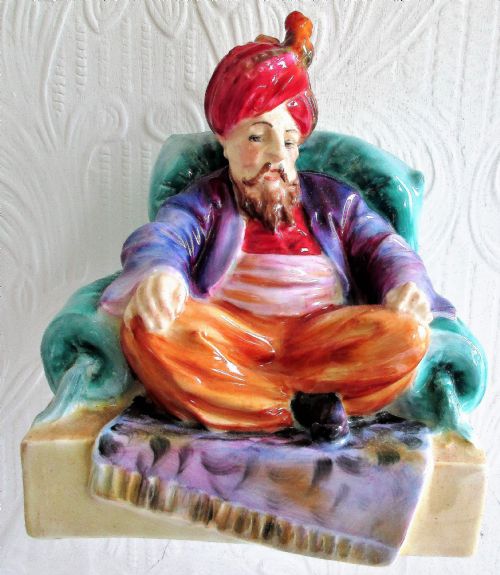
Zhu Mao Ji·Howard And Sons·Royal Doulton
The Antique Oriental Seating Glossary
- Yokeback armchair
- A traditional Chinese chair style featuring a top crestrail that curves upwards like an ox yoke. This design supports the sitter's upper back while providing an ergonomic grip.
- Cinnabar lacquer
- A decorative surface treatment made from multiple layers of vermilion-coloured lacquer carved in low relief. Artisans build up thick coatings before carving intricate scenes or motifs into the hardened material.
- Hongmu
- A category of dense, dark tropical hardwoods used in fine Chinese furniture making. The term translates to red wood and encompasses several durable species prized for heavy structural forms.
- Sino-Tibetan
- An artistic style blending Chinese imperial aesthetics with Tibetan Buddhist iconography. Pieces of this description often combine metalcasting techniques with specific religious postures and symbolism.
- Gilt-bronze
- A metal object cast in bronze and subsequently covered with a thin layer of gold. This technique provides the rich appearance of solid gold while utilising a more stable base metal for intricate casting.
Antique Oriental Seating: Frequently Asked Questions
What distinguishes an elm yokeback armchair?
Elm yokeback armchairs feature a distinctive curved top rail and graceful proportions designed for scholar or official use. The timber provides a visible grain beneath original lacquers or polished surfaces.
These chairs rely on traditional joinery without metal nails, allowing the hardwood frame to remain stable over generations of domestic use.
How were ritual bronze figures used?
Bronze and gilt-bronze deity figures served as objects of veneration in household shrines, temples, or monasteries. Seated postures on lotus bases or animals indicated specific meditative states or divine attributes.
Craftsmen cast these sculptures using lost-wax techniques, applying gold leaf or polychrome details to enhance their sacred presence.
Where do altar benches fit in a modern interior?
Altar benches function well as narrow display surfaces, window seats, or low coffee tables in contemporary rooms. Their long, linear proportions make them suitable for placing beneath windows or along hallways.
The dense hardwood construction ensures they withstand everyday weight while adding architectural character to a space.
How do I identify Qing Dynasty seating?
Qing Dynasty seating typically exhibits heavy proportions, deep relief carvings of dragons or floral motifs, and dense timbers like rosewood or elm. The craftsmanship reflects imperial workshop standards adapted for domestic or ritual environments.
Patina develops naturally through handling and age, showing softening on high-contact areas like armrests and seat edges.