





Antique Oriental Prints
Antique oriental prints bring centuries of delicate artistry into a modern room, offering striking scenes rendered in woodblock, ink, and gouache.
Antique Oriental Prints
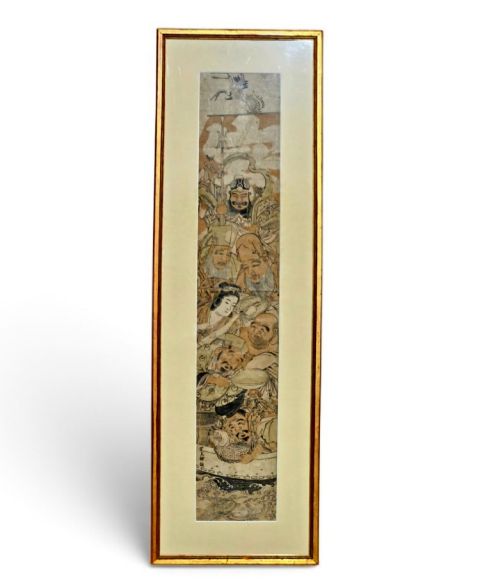
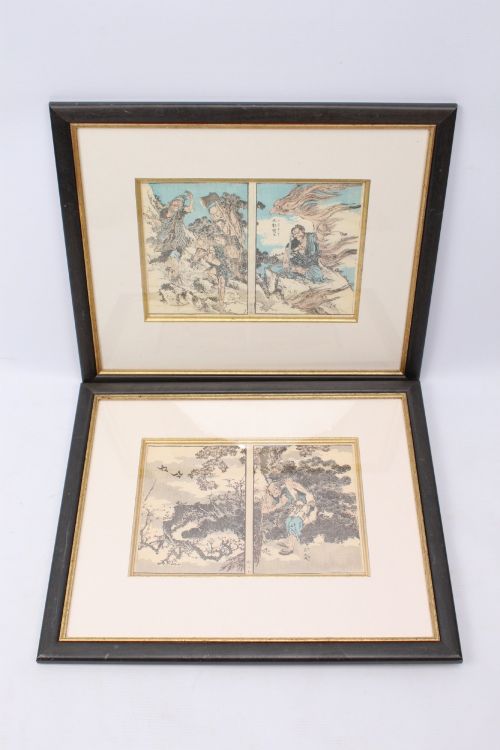
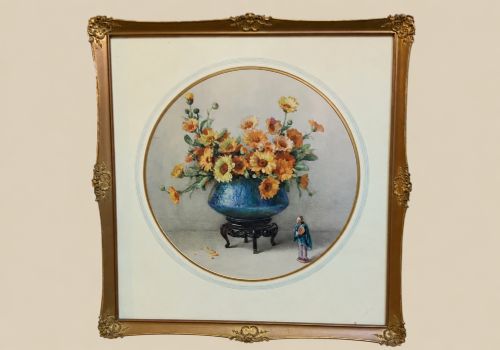
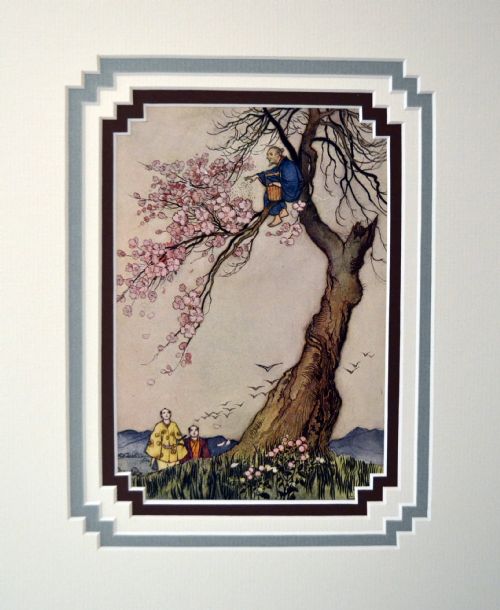
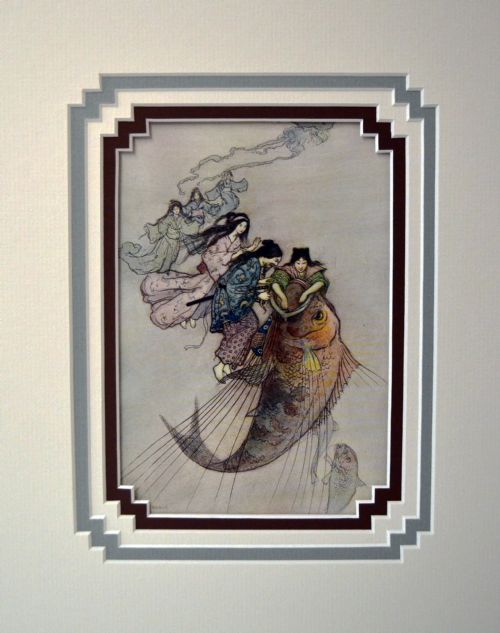
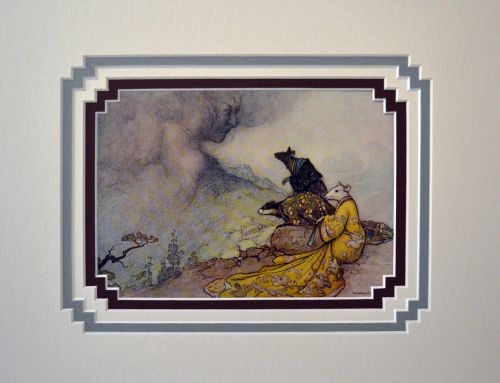
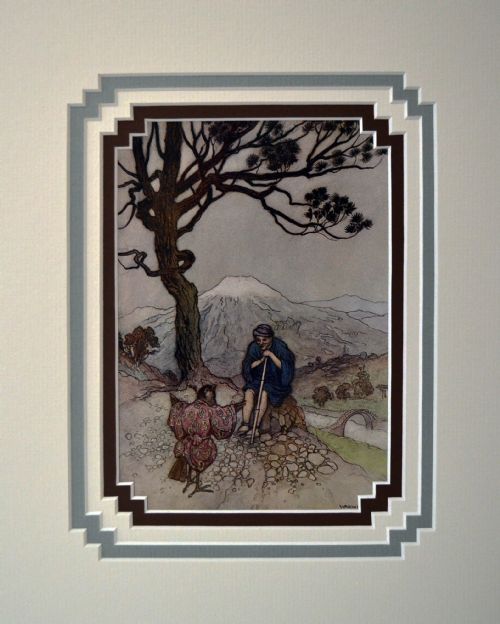
When searching for antique oriental prints, buyers encounter a diverse selection of works ranging from traditional Japanese woodblock impressions to Chinese pith paintings and European interpretations of eastern subjects. The items on this page span the nineteenth and early twentieth centuries, featuring distinct styles such as Edo period ukiyo-e and early twentieth-century book illustrations.
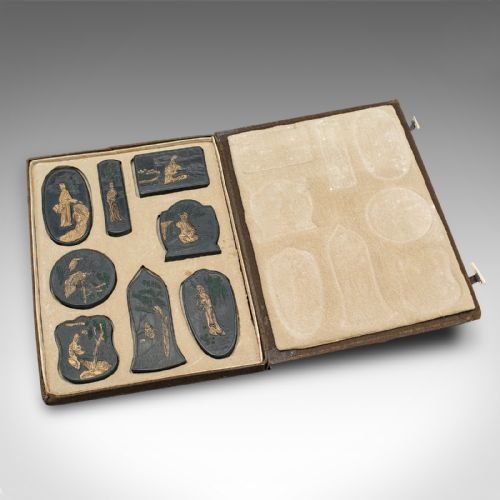
The assortment includes works by notable Japanese masters alongside framed wall art, decorative pottery bowls, and calligraphic ink blocks. Buyers most frequently meet nineteenth-century woodblock prints and framed decorative plates that showcase the intricate aesthetic traditions of Japan and China.
How they were made
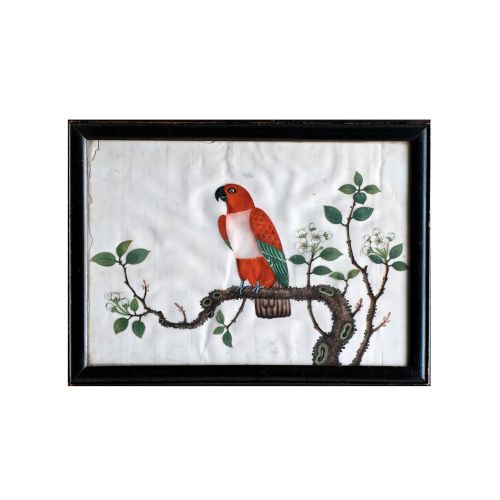
The physical objects rely primarily on paper, wood, and ink, with many examples utilising traditional woodblock techniques where artisans carved designs into wooden panels before pressing them onto sheets. Other pieces employ gouache applied directly to delicate pith paper, capturing vivid pigments that have survived across the decades.
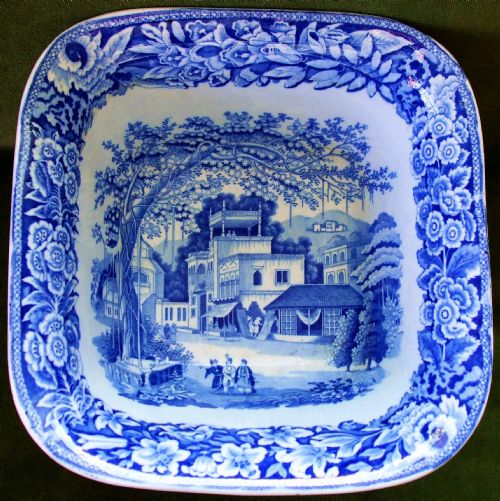
Framing materials add another layer of craftsmanship, with rosewood frames and silk brocade mounts frequently housing these works. Earthenware and transferware items incorporate blue and white glazes fired onto pottery bodies to depict eastern street scenes and patterns.
Antique Oriental Prints Retail Price Guide 2026
Typical asking prices for oriental prints among the pieces listed under this phrase on Sellingantiques today, from the lower quarter to the upper quarter. They describe what is for sale here now, not the wider market.
Elephant patterns wander across Georgian pottery bowls while nineteenth-century printers rely on cased calligraphic ink blocks.
What varies in quality
The distinction between tiers of work rests on the clarity of the impression, the vibrancy of the remaining pigments, and the condition of the paper or mountboard. Early editions and impressions pulled directly from carved blocks show sharper lines and more subtle colour gradients than later or secondary printings.
The preservation of delicate details, such as handwritten calligraphy or the fragile surface of pith paper, dictates the overall standing of a piece. Original frames, such as rosewood surrounds paired with silk mounts, elevate the integrity of the item.
Hokusai·Warwick Goble·Kitagawa Utamaro·Kunisada·Otto Pilny
The Antique Oriental Prints Glossary
- Ukiyo-e
- A genre of Japanese art translating to pictures of the floating world, depicting scenes of everyday life, landscapes, and theatre. These works are typically produced as woodblock prints.
- Pith paper
- A delicate material manufactured from the pith of the rice-paper plant, used extensively in nineteenth-century Chinese export painting for gouache and watercolour artworks.
- Woodblock print
- An image created by carving a design into a block of wood, applying ink, and pressing it onto paper. This technique allows for multiple impressions and precise linear detail.
- Transferware
- Pottery decorated by transferring a printed design from an engraved copper plate onto the ceramic surface using coloured glazes. This method was widely used on nineteenth-century English earthenware plates and bowls.
Antique Oriental Prints: Frequently Asked Questions
How do I care for antique oriental prints?
Keep these works away from direct sunlight to prevent the fading of delicate inks and watercolours on paper.
Ensure they are housed behind protective glass and maintained in stable humidity conditions to preserve the paper and mounting fabrics.
What periods do these prints come from?
The available selection primarily spans the nineteenth century through to the early decades of the twentieth century.
This timeframe encompasses late Edo period Japanese works alongside Victorian and Edwardian interpretations.
What is a woodblock print?
A woodblock print is formed by carving an image into a wooden plank, applying pigment, and pressing the inked surface onto paper.
Master artisans used this traditional method to produce detailed illustrations and narrative scenes.