




Antique Oriental Mat
An antique oriental mat brings tactile warmth and centuries of weaving tradition into a room through geometric patterns and deep natural dyes.
Antique Oriental Mat
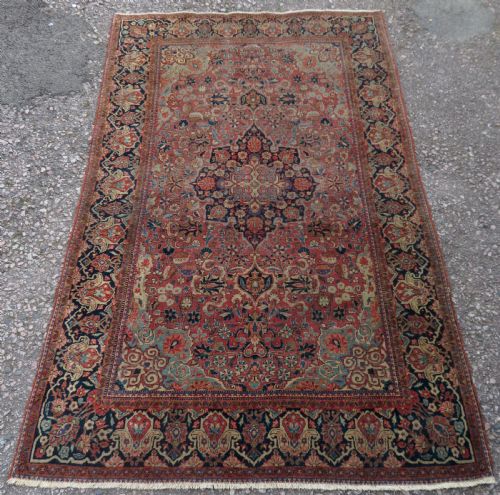
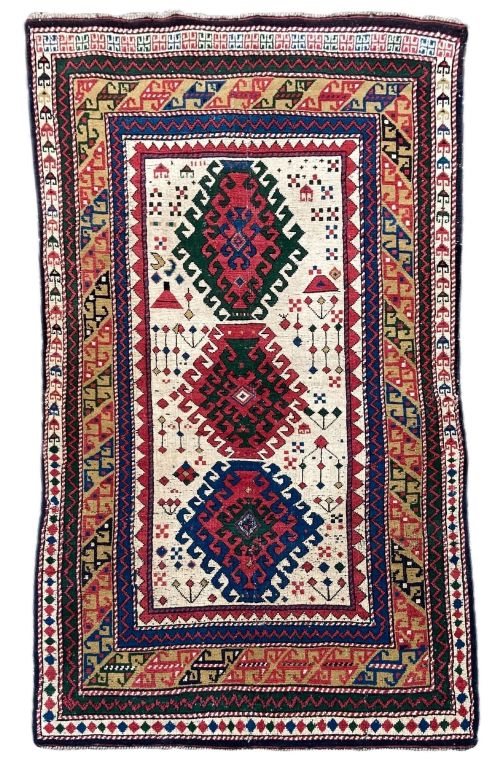
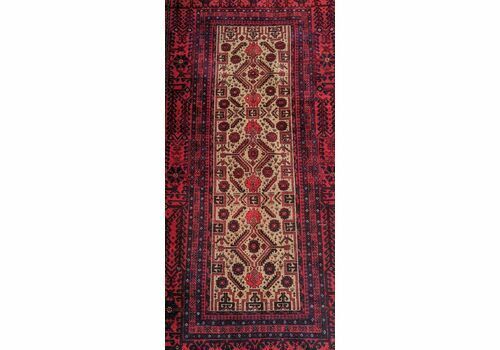
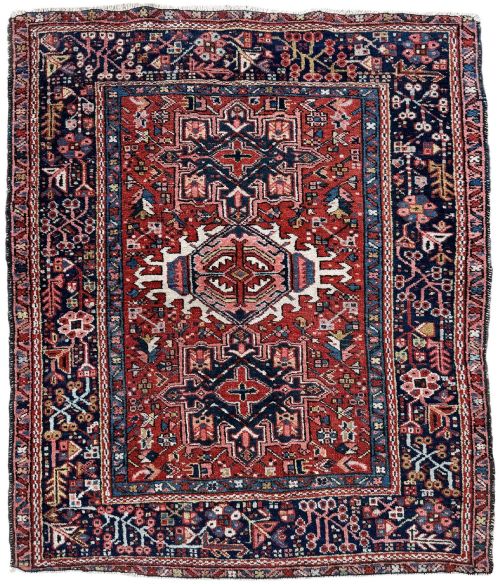
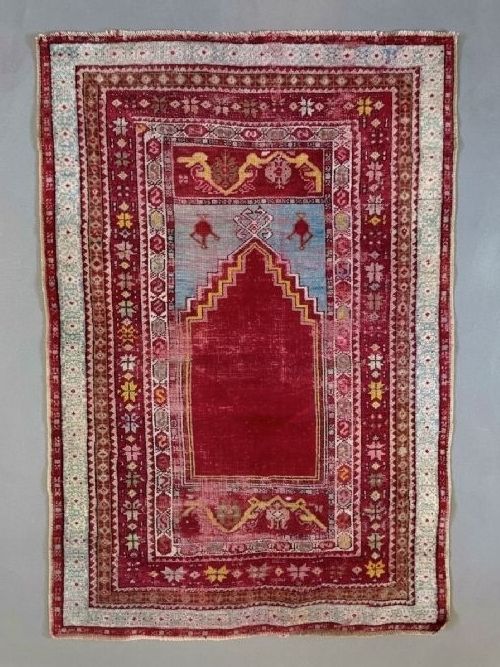
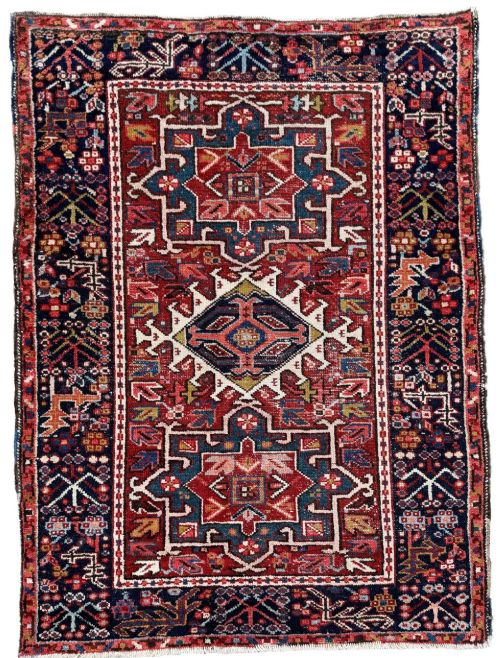
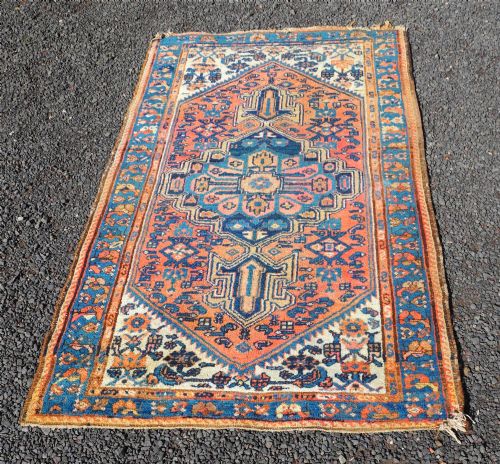
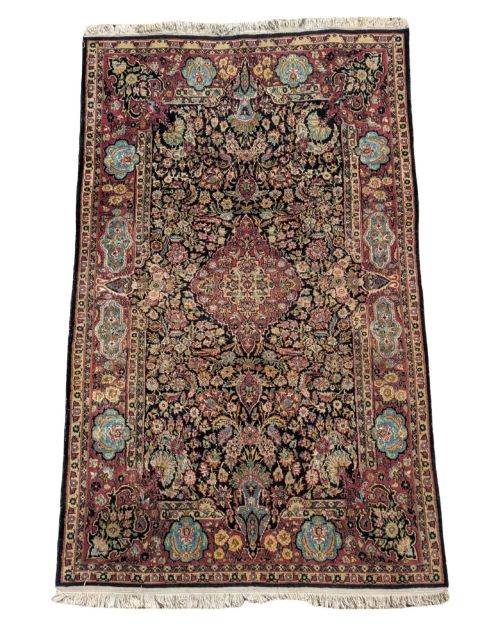
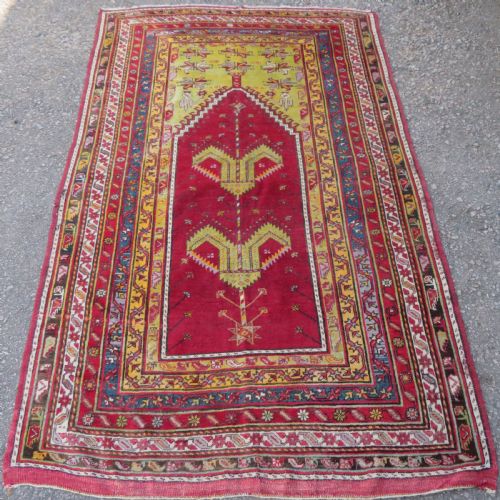
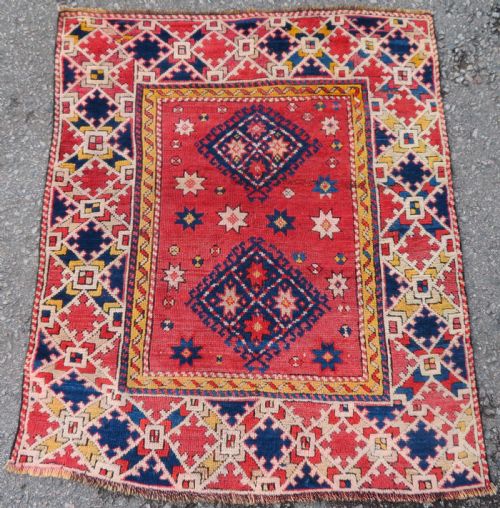
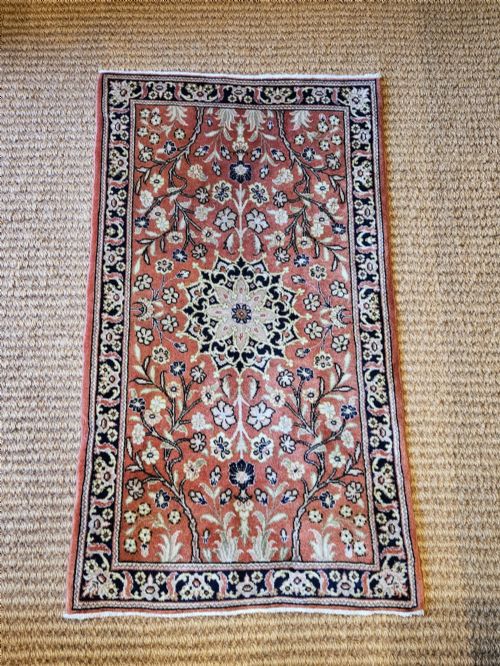
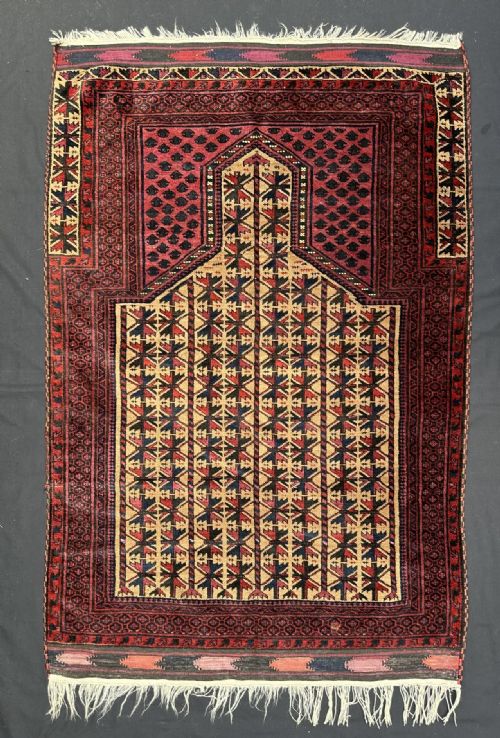
When searching for an antique oriental mat, collectors encounter a diverse range of hand-knotted and flatwoven textiles originating from Persia, Anatolia, the Caucasus, and Central Asia. These floor coverings and small prayer rugs were produced by tribal groups and village workshops, utilising traditional regional motifs that have been passed down through generations.
The pieces available span from the early nineteenth century through the interwar decades of the twentieth century, encompassing village formats like Baluch, Timuri, and Hamadan rugs alongside finer urban workshop carpets. Buyers most frequently meet prayer rugs featuring mihrab arches, alongside square mats, hearth rugs, and small tribal pieces designed for domestic utility and floor seating.
Materials and construction methods
These textiles rely predominantly on wool, hand-spun wool, and cotton foundations, occasionally incorporating silk highlights and goat hair or camel wool for specific contrast details. Weavers knotted the pile by hand onto warp and weft threads, embedding durability into the structure of each floor covering.
Makers achieved their rich palettes using natural dyes derived from plants and minerals, creating subtle variations in tone across the wool. The combination of hand-spun fibres and traditional knotting techniques accounts for the enduring resilience and character found in these regional carpets.
Listings feature wool, cotton, silk, and natural dyes across Anatolian, Persian, Caucasian, and Turkmen tribal styles dating from the eighteenth to the twentieth century.
Distinctions in quality and execution
Quality in these textiles rests upon the fineness of the knotting, the precision of the geometric or floral layout, and the depth achieved by natural dyestuffs. Finer examples display meticulous execution in complex lattice designs and prayer mihrabs, reflecting the high skill level of the weaver or specific tribal workshop.
The integrity of the foundation materials and the preservation of the original borders and selvedges further differentiate finer specimens from simpler utility pieces. Higher grade examples maintain crispness in their motif outlines and structural stability across the pile, demonstrating superior handling of traditional techniques.
The Antique Oriental Mat Glossary
- Mihrab
- A niche design featured prominently on prayer rugs, representing the direction of prayer towards Mecca. This pointed arch motif dictates the orientation of the textile.
- Sofreh
- A type of spread or mat used traditionally for dining, food preparation, or handling bread within nomadic and village households. These utilitarian textiles often exhibit striking tribal iconography.
- Gul
- An octagonal or medallion-like motif frequently repeated across Turkmen and Central Asian carpets. Each design identifies the specific tribe or confederation that wove the textile.
- Torba
- A small storage bag face produced by Turkmen tribes, highly collectible for its dense geometric patterning and rich coloration. These pieces were originally used inside nomadic tents.
- Selvedge
- The finished side edges of a rug formed by wrapping the weft threads over the outermost warps. Original selvedges indicate a well-preserved structure.
- Warp
- The stationary vertical threads stretched onto the loom before weaving begins. The pile knots are tied around these foundational threads.
Antique Oriental Mat: Frequently Asked Questions
How do I care for an antique mat?
Vacuum gently without using a beater bar to protect the wool pile and delicate foundation threads from unnecessary strain.
Keep the textile out of direct sunlight to prevent natural dyes from fading over prolonged periods.
Where were these mats originally made?
Production spans several distinct regions including Persia, Anatolia, the Caucasus, and Central Asian territories inhabited by nomadic and village tribes.
Each area developed characteristic colour palettes, knotting structures, and distinct geometric or floral motifs that identify their origin.
How are different regional styles distinguished?
Regional attributions rely on specific combinations of border patterns, colour combinations, structural materials, and repeating motifs such as guls or lattice networks.
Examining the way foundation threads and knot counts are executed provides further clues to the specific tribe or workshop responsible for the weaving.