







Antique Oriental Jar
An antique oriental jar brings distant workshops into a room, offering hand-painted blue and white porcelain and bronze vessels made across centuries.
Antique Oriental Jar
An antique oriental jar covers a broad spectrum of East Asian vessels, from lidded ginger jars and blue and white porcelain vases to bronze vessels and lacquer boxes. The pieces on this page span the Edo and Meiji periods of Japan alongside the Qing dynasty of China, reaching through the nineteenth century into the early twentieth.
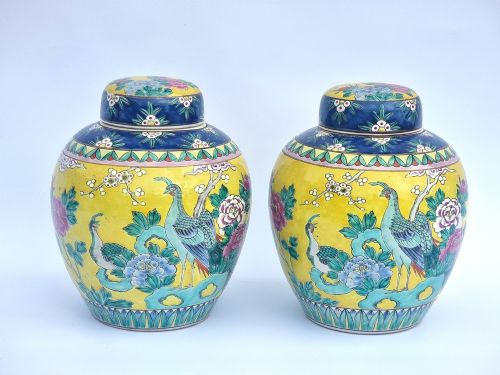
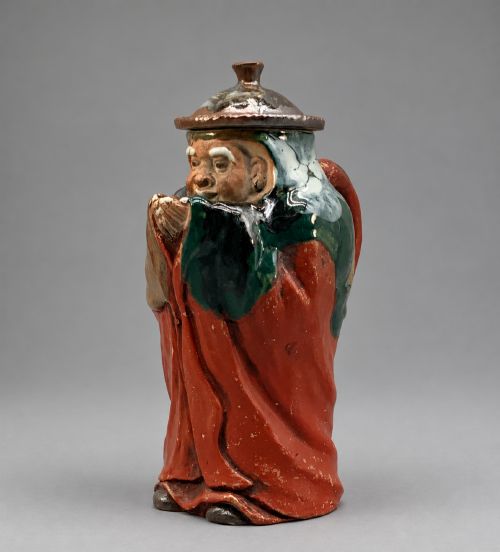
Buyers will find domestic containers originally made for tea, spices or storage, alongside decorative display pieces such as Satsuma and Imari vases. These works arrive in various forms, including double-gourd silhouettes, garlic-head necks, and hexagonal bronze vessels shaped for scholars' desks or formal interiors.
How they were made
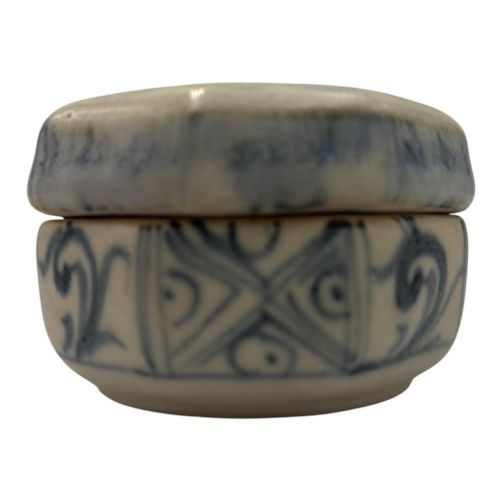
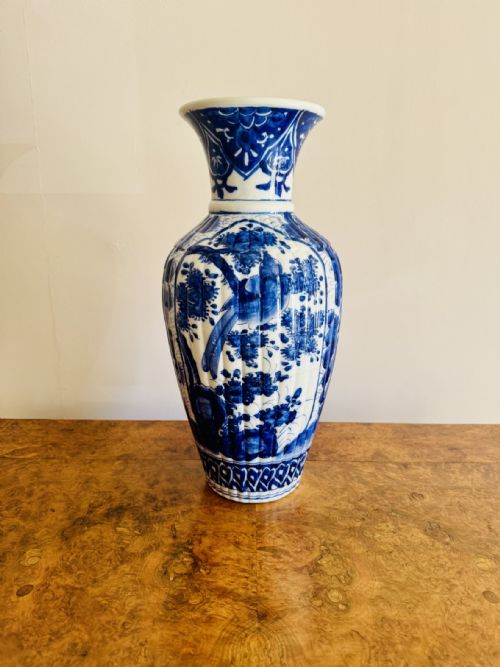
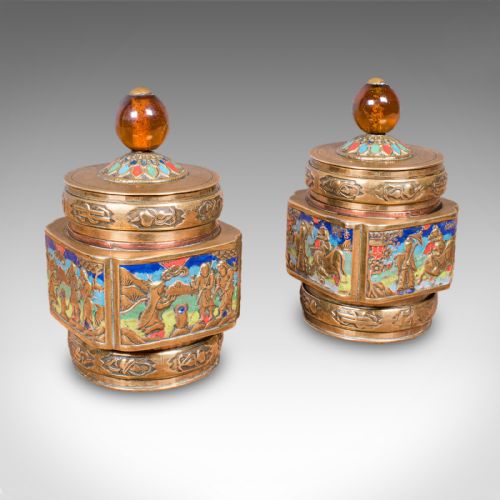
Potters and metalsmiths relied on traditional materials such as porcelain, earthenware, bronze, copper, and red lacquer, often finished with enamel, gold leaf, or cloisonné wirework. Chinese blue and white pieces demonstrate cobalt pigments painted beneath a clear glaze before high-firing, while Japanese cloisonné involves soldering thin metal strips onto a metal base to contain coloured enamel pastes.
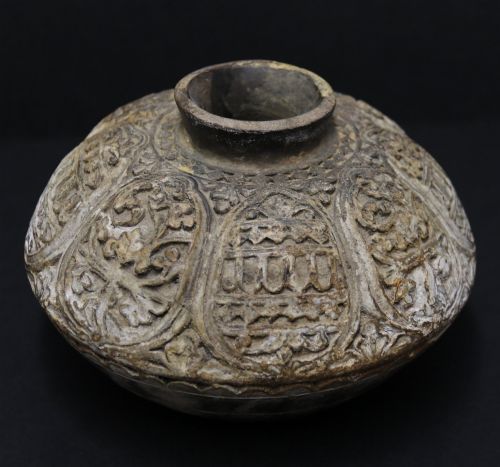
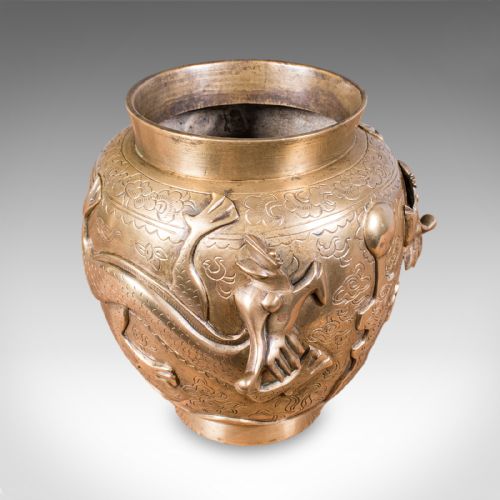
Surface decoration frequently combines hand-painted motifs like dragons, birds, and floral arrangements with raised moulded details or intricate piercing. Bronze vessels utilise lost-wax casting methods or solid hammering, while lacquer boxes require multiple sap applications built over a wooden core.
Antique Oriental Jar Retail Price Guide 2026
Typical asking prices for oriental jar among the pieces listed under this phrase on Sellingantiques today, from the lower quarter to the upper quarter. They describe what is for sale here now, not the wider market.
Listings feature items from the 18th Century, Victorian, Edwardian, and Meiji periods, utilising porcelain, bronze, and lacquer.
What varies in quality
Quality rests in the precision of the hand-painted brushwork, the depth and clarity of the glaze, and the crispness of any cast bronze or cloisonné wirework. Superior examples display confident, fluid lines on the pottery and meticulous alignment in decorative borders without blurring.
The weight and balance of the vessel also indicate standard, as heavier bronze pieces and evenly potted porcelain demonstrate superior manufacturing control. Later mass production yielded simpler finishes, whereas pieces bearing period marks or complex multi-coloured enamels show greater artistic ambition.
KANASAWA
The Antique Oriental Jar Glossary
- Imari
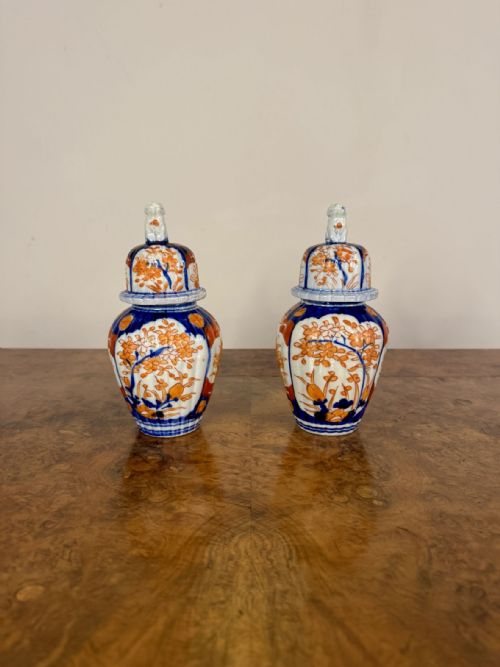
- A style of Japanese export porcelain featuring underglaze blue and overglaze iron red, gold, and green. This ware gained immense popularity in European households during the seventeenth and eighteenth centuries.
- Cloisonne
- A decorative metalwork technique where enamel compartments are formed by soldering flat metal wires to a base. Artisans then fill these cells with glass paste before firing and polishing the surface.
- Famille-rose
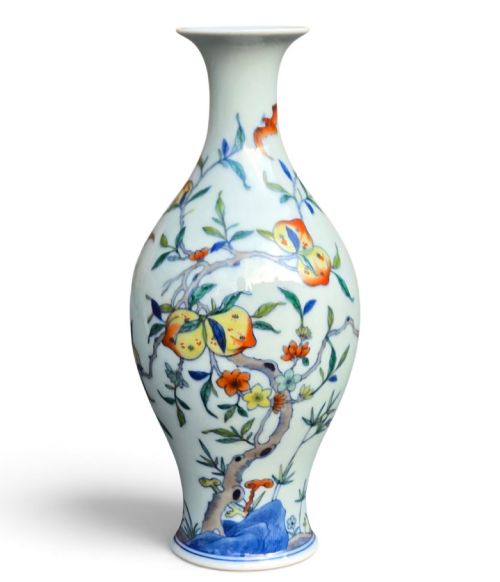
- A palette of Chinese porcelain enamels dominated by opaque pink or rose colours, introduced during the Qing dynasty. This technique allowed for subtle tonal gradations in floral and figural scenes.
- Ginger jar
- A ceramic vessel characterised by a broad belly, high shoulder, and small mouth, originally designed for storing spices. Later versions frequently included matching fitted lids for display purposes.
- Celadon
- A type of green-glazed pottery that mimics the appearance of jade. The subtle green or grey-green shade results from iron oxide reacting within a reduction kiln.
Antique Oriental Jar: Frequently Asked Questions
What were antique oriental jars used for?
These vessels originally served practical household and commercial roles, storing dry goods, tea leaves, or spices in East Asian homes. Larger lidded jars kept precious commodities secure, while decorative vases and bronze pots functioned as interior ornaments for scholars and elites.
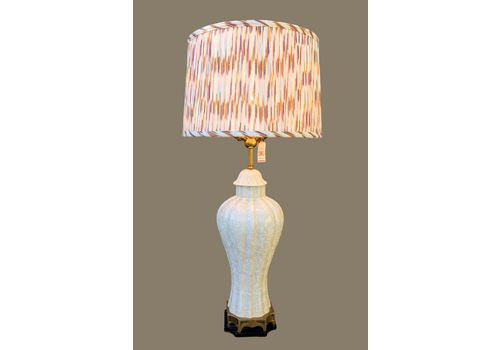
Over time, many of these containers transitioned entirely into decorative objects for Western interiors, displayed on mantelpieces, tables, or converted into lamp bases. Their durable ceramic and metal construction ensured they survived centuries of shifting domestic fashions.
How do I date an antique oriental jar?
Dating relies on examining the specific glaze characteristics, potting styles, reign marks, and decorative motifs associated with particular dynasties or imperial periods. For instance, pieces bearing Qing dynasty markers or Meiji period signatures point to specific late nineteenth-century eras of production.
Material composition and manufacturing techniques also offer clues, as nineteenth-century export wares often display distinct footring treatments and enamel formulas compared to earlier pieces. Comparing the artwork style to documented historical periods helps narrow down the origin.
How do I care for antique porcelain and bronze?
Protect delicate ceramic surfaces by dusting them gently with a soft, dry cloth and avoiding harsh chemical cleaners or abrasive sponges. Keep pieces away from direct sunlight and areas prone to extreme temperature fluctuations to protect fragile glazes and enamelwork.
Bronze and brass vessels benefit from occasional light dusting without polishes that might strip historical patination. Handling heavy items with both hands ensures stability and prevents accidental chipping around the rims and bases.