





Antique Open Wall Cabinet
An antique open wall cabinet provides practical display and storage, bringing period character and exposed shelving directly to your walls.
Antique Open Wall Cabinet
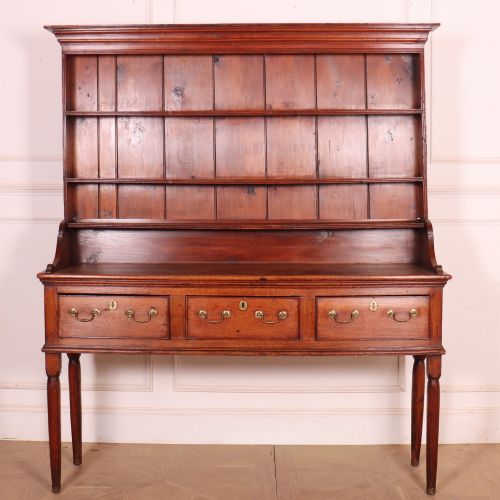
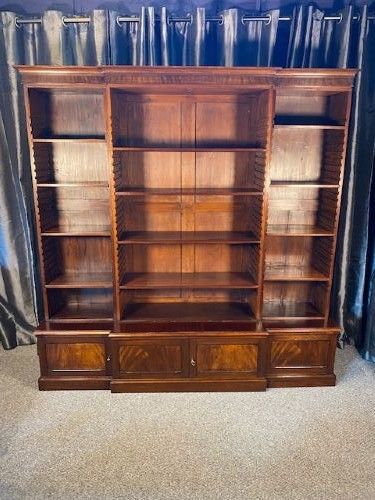
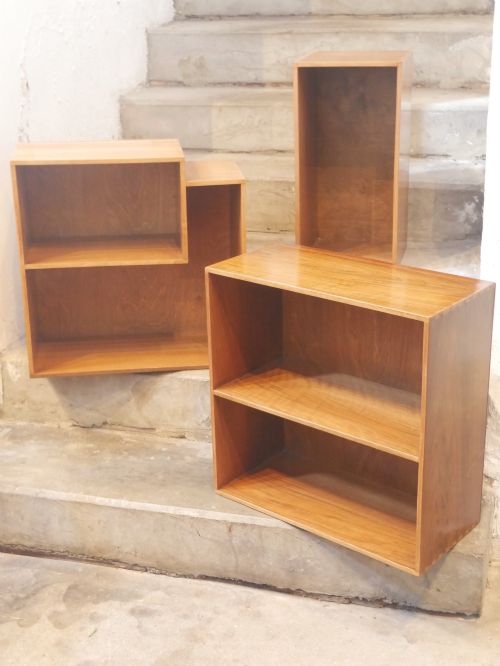
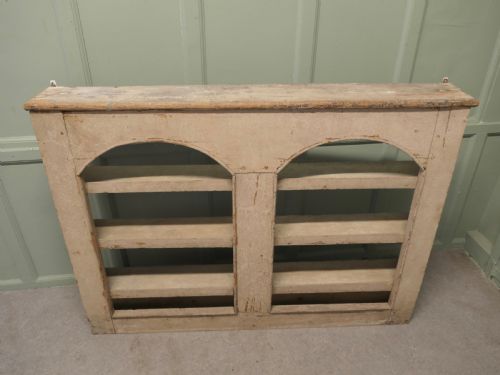
An antique open wall cabinet offers a practical solution for wall-mounted storage and display across various traditional interiors. When searching for an antique open wall cabinet, buyers encounter diverse forms ranging from simple wall shelves and alcove cupboards to elaborate Victorian whatnot cabinets and Gothic revival bookcases.
The selection on this page spans several centuries, featuring pieces built primarily during the eighteenth, nineteenth, and early twentieth centuries. Styles vary widely from English country and French provincial designs to ornate rococo revival and Italian baroque executions.
How they were made
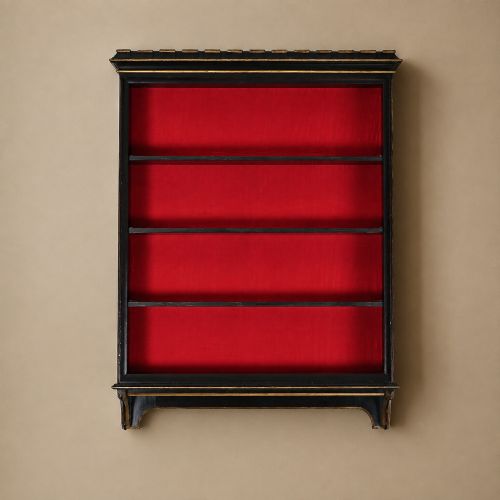
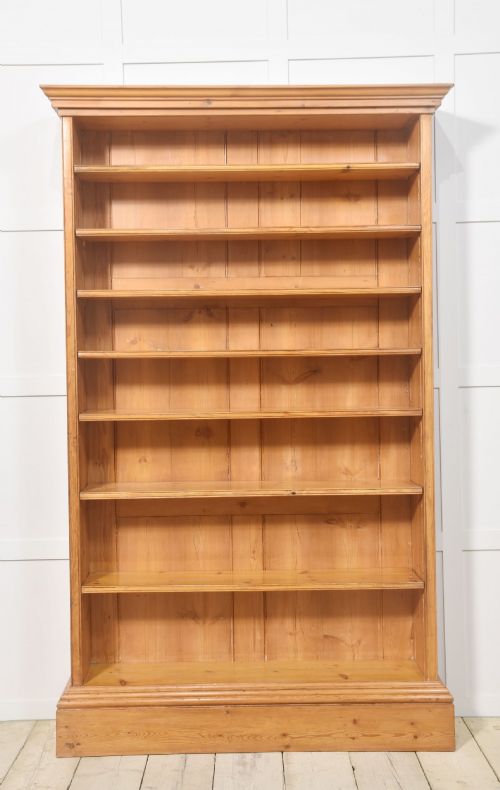
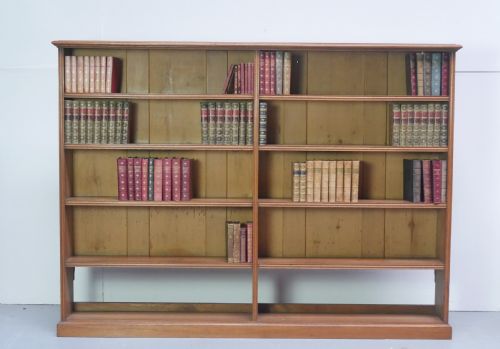
Cabinet makers utilised traditional timber construction, working with solid woods such as oak, pine, mahogany, walnut, and amboyna. Surfaces frequently display natural grain, though certain nineteenth-century examples feature ebonised finishes.
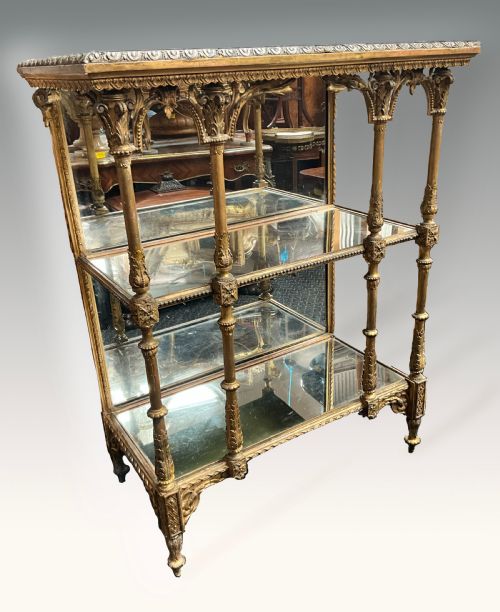
Ornate decorative elements on specific pieces involve carved giltwood and gesso, alongside integrated fabric linings or mirrored back panels. These techniques combine structural joinery with surface ornamentation suited to the prevailing style of each period.
Some nineteenth-century makers evidently decided that books alone were not grand enough, adding gilded mirrors and ebonised frames to keep your novels feeling properly aristocratic.
What varies in quality
The standard of an antique open wall cabinet depends on the sophistication of its timber selection and the precision of its joinery. Superior examples demonstrate crisp carving, particularly on giltwood and gesso surfaces, whereas simpler country pieces rely on utilitarian pine construction.
Proportion and decorative restraint distinguish standard utilitarian shelving from pieces attributed to specific architectural movements like the Gothic revival. The integrity of the original hanging mechanisms and surface finishes further separates high-grade examples from altered or heavily restored items.
George Edmund Street
The Antique Open Wall Cabinet Glossary
- Whatnot
- A moveable or wall-mounted set of open shelves designed for displaying ornaments and small objects. These pieces became particularly popular during the Victorian era.
- Gesso
- A plaster-like material applied to wood surfaces as a base for gilding or intricate carving. It allows craftsmen to create sharp relief decoration.
- Etagere
- A piece of furniture consisting of a set of open shelves for staging objects. The term originates from French furniture traditions.
- Alcove
- A recess in a room wall designed to accommodate fitted shelving or cupboards. Cabinets built for these spaces match specific architectural dimensions.
Antique Open Wall Cabinet: Frequently Asked Questions
How do I hang an antique wall cabinet safely?
Check the weight of the timber and the strength of the original hanging points before mounting. Secure the piece directly into wall studs using appropriate fixings.
For heavier items, professional installation ensures the wall structure supports the loaded shelves without strain.
What is the difference between a whatnot and a wall cabinet?
A whatnot consists entirely of open tiers designed for display. A wall cabinet typically incorporates enclosed cupboard space alongside open sections.
Both serve to organise smaller decorative objects on vertical wall surfaces.
How do I care for antique pine and oak shelves?
Dust the timber regularly with a soft, dry cloth to prevent dirt accumulation in the grain. Avoid placing pieces in direct sunlight or near heat sources to prevent wood splitting.
Apply occasional appropriate wax polish to maintain the finish without creating heavy buildup.
Can these cabinets support heavy books?
Utility pigeon holes and heavy bookcases handle substantial volumes, whereas lighter display shelves and giltwood pieces suit decorative objects.
Assess the depth of the shelves and the sturdiness of the upright supports before loading heavy items.