




Antique Opaline Light Shade
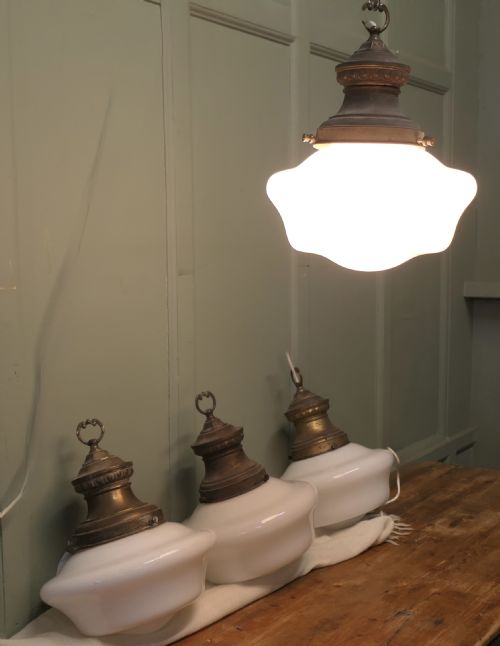
An antique opaline light shade brings a soft, milky glow to a room, filtering illumination through dense glass.
Antique Opaline Light Shade
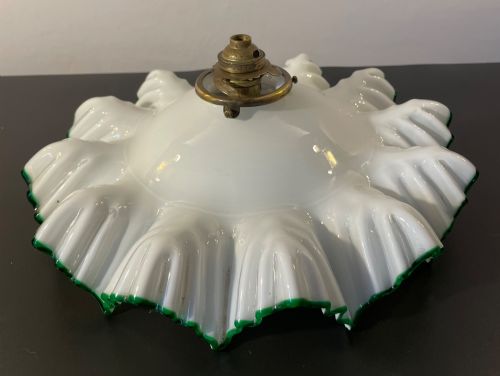
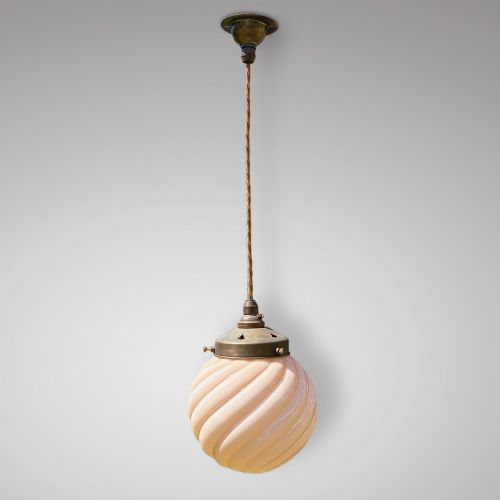
When you search for an antique opaline light shade, you find lighting components and complete assemblies spanning from the Victorian era through the Edwardian period and into Art Deco and industrial designs. These pieces range from simple conical pendants and rounded bowl shapes to patterned hallway lanterns and painted oil lamp globes.
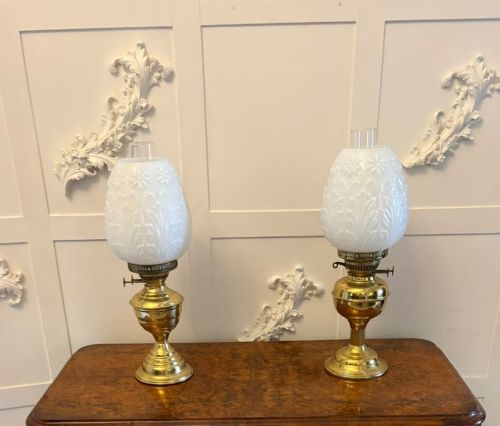
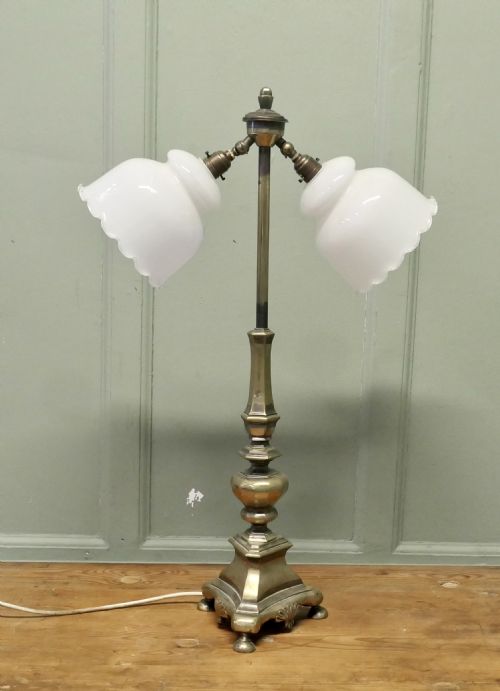
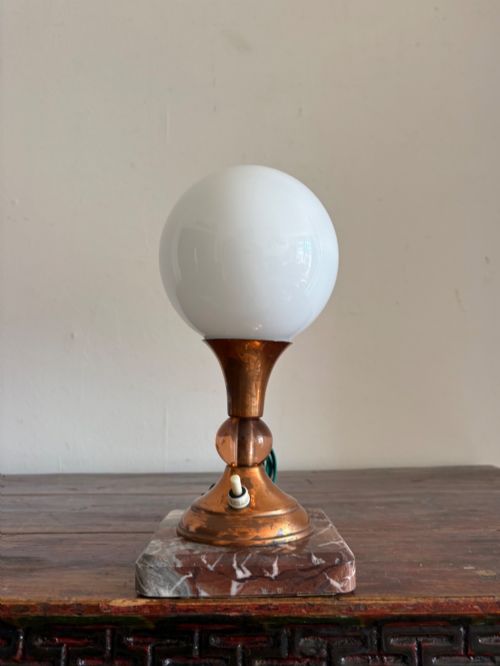
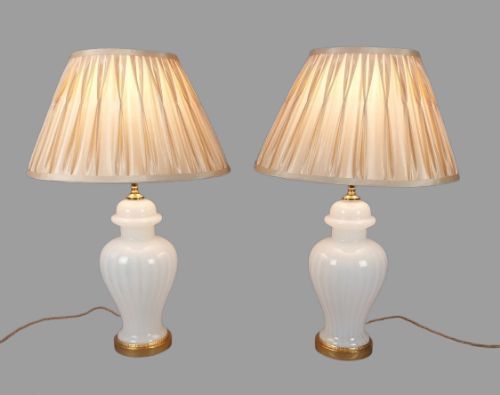
You are most likely to meet pendant lights, ceiling lights, and lamp shades paired with metal fittings such as brass or bronze. The material appears across multiple forms, including hanging lights, table lamps, and converted oil lamps dating from the mid-nineteenth century to the nineteen-thirties.
How they were made
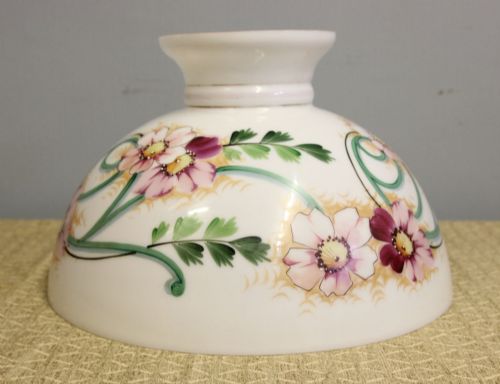
These items combine opaline glass with metal mounts in brass, bronze, copper, chrome, or enamel. The glass itself is formed to diffuse light evenly, sometimes featuring hand-painted details or moulded reeded surfaces.
Many shades are mounted to metal frames, pendant chains, or paired with bases made of marble, wood, or gilt bronze. Construction methods reflect the prevailing styles of each decade, from ornate Victorian oil lamp mounts to streamlined Art Deco chrome and industrial ceiling fixtures.
Some tall Edwardian telescopic uplighters allowed Victorian readers to adjust their illumination height with a simple push.
What varies in quality
The distinction between standard examples and the top of the range lies in the weight and depth of the opaline glass, alongside the fineness of the metalwork. Superior pieces display crisp moulding, substantial brass or ormolu mounts, and hand-finished painted details rather than plain commercial pressing.
Balance in proportion and integrity of the matching components also separate finer items, particularly in paired sets of pendants or converted oil lamps where the glass shade and metal base were designed as a cohesive whole.
Perry & Co·Wild & Wessel
The Antique Opaline Light Shade Glossary
- Opaline Glass
- A translucent, milky glass developed to diffuse light without glare. It often appears in white or tinted shades across pendant and table lighting.
- Plafonnier
- A ceiling-mounted bowl light or shade sitting close to the surface. These painted glass shades direct illumination downwards into a room.
- Oil Lamp
- A lighting device utilising a wick and oil reservoir beneath a shade. Many surviving examples are later converted to electricity.
- Uplighter
- A floor or table lamp directing light upwards toward the ceiling. These tall brass and opaline compositions provide ambient illumination.
- Pricket
- A candle or lamp holder featuring a central spike to secure the light source. These metal and glass pieces date to the early twentieth century.
Antique Opaline Light Shade: Frequently Asked Questions
What is an opaline light shade?
An opaline light shade is a translucent glass diffuser designed to soften electric or oil illumination. These shades appear in white or tinted glass across various historical periods.
They are found on pendant fixtures, table lamps, and ceiling lights, prized for their ability to cast an even, glare-free glow.
How do I date an antique shade?
Dating relies on examining the manufacturing techniques, glass thickness, and accompanying hardware materials. Victorian and Edwardian examples often feature heavier brass mounts and hand-painted motifs.
Later pieces from the nineteen-twenties and thirties display Art Deco geometric lines, chrome, or industrial ceiling fittings.
Were these shades used for oil?
Many early shades housed paraffin or oil burner assemblies before households adopted electricity. These oil lamp components were frequently converted later while retaining their original glass globes.
Converted lamps combine period brass reservoirs and burners with the characteristic milky glass shades.
How do I clean opaline glass?
Cleaning requires gentle washing with warm soapy water and a soft cloth to protect the surface. Avoid harsh abrasives that might damage hand-painted details or delicate glass edges.
Careful handling ensures the preservation of original patination on both the glass shade and any attached metal components.