


Antique Opalescent Vase
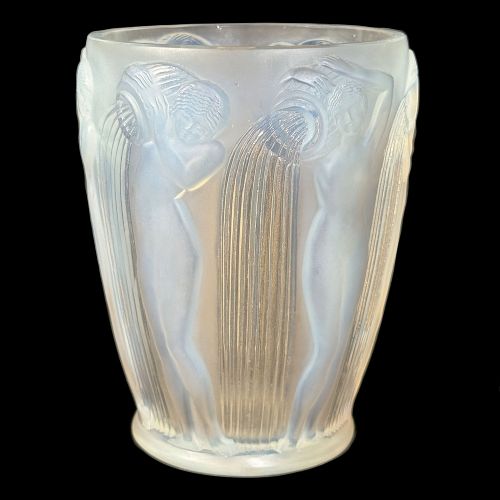
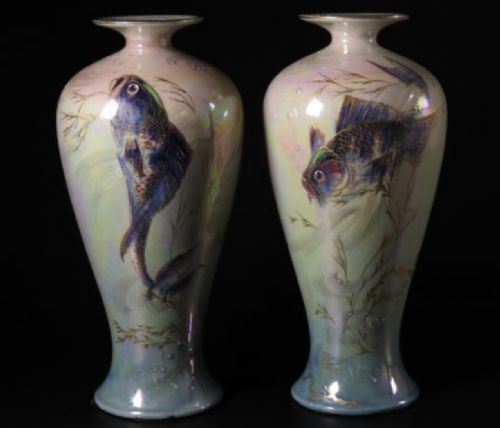
An antique opalescent vase catches the light with milky translucence and shifting iridescent colours, bringing distinct decorative presence to a room.
Antique Opalescent Vase
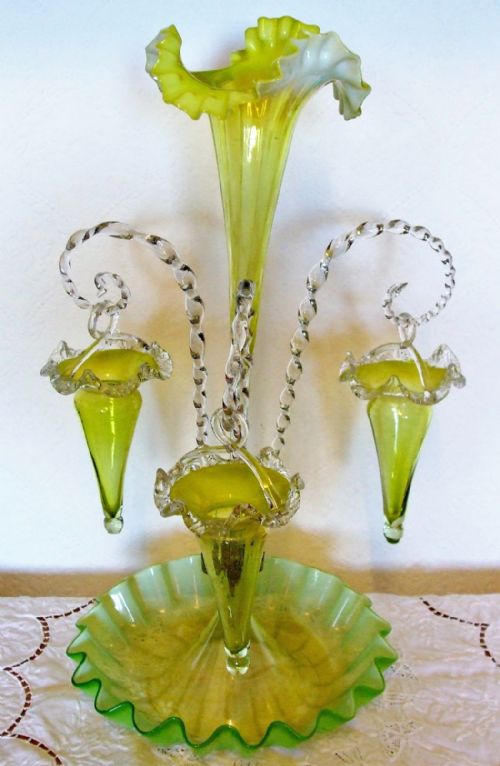
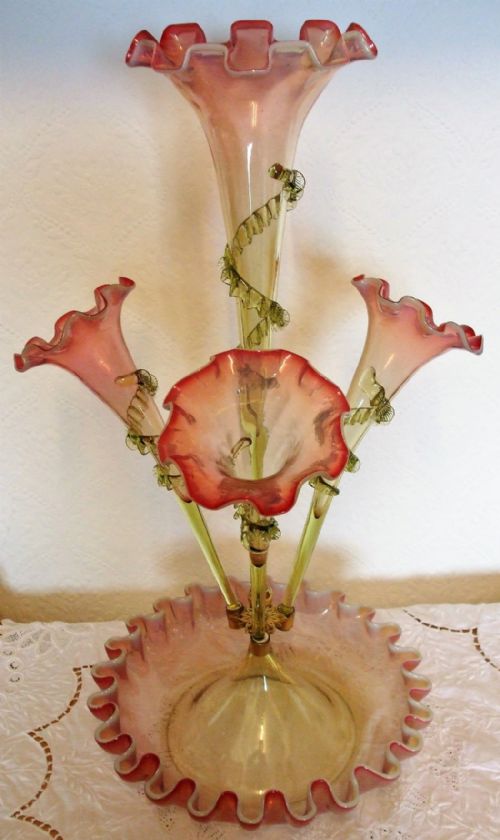
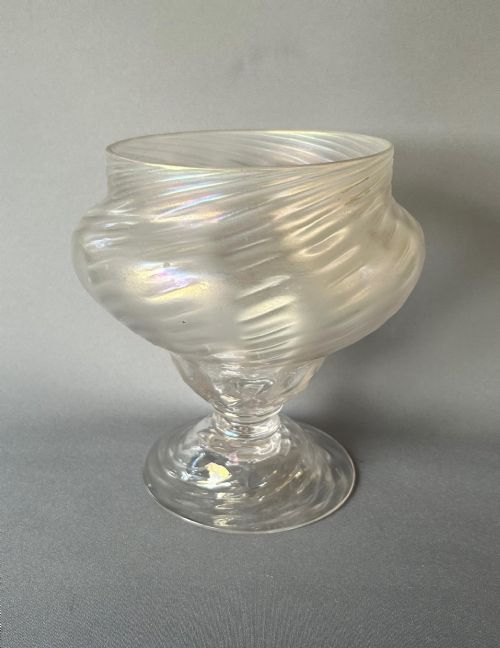
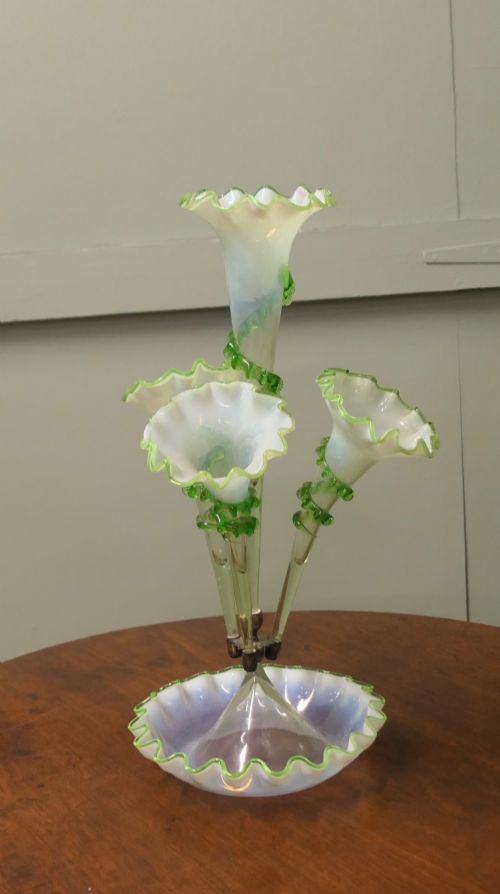
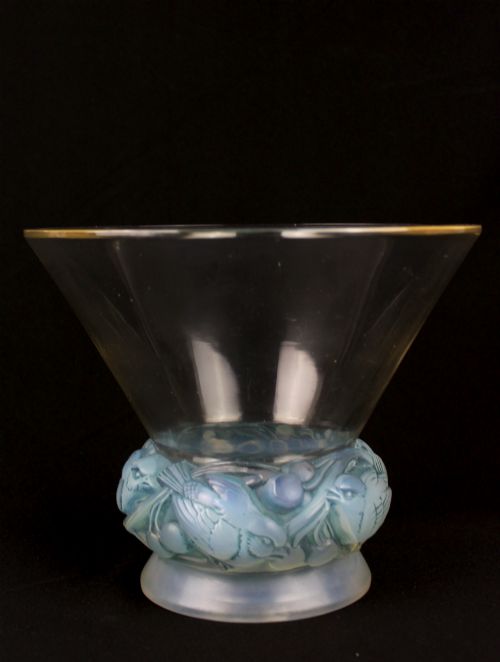
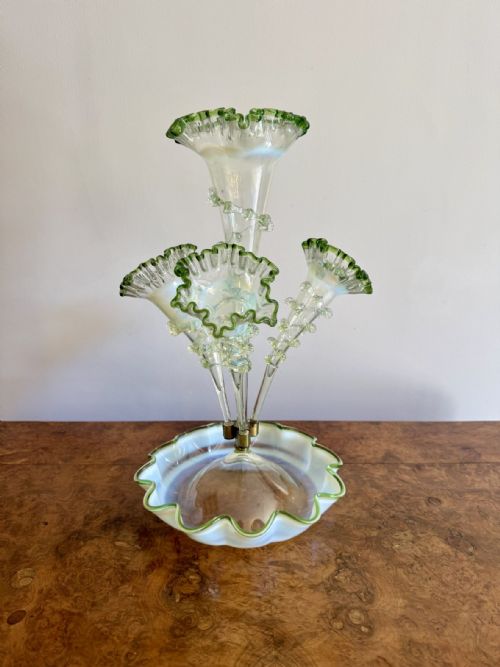
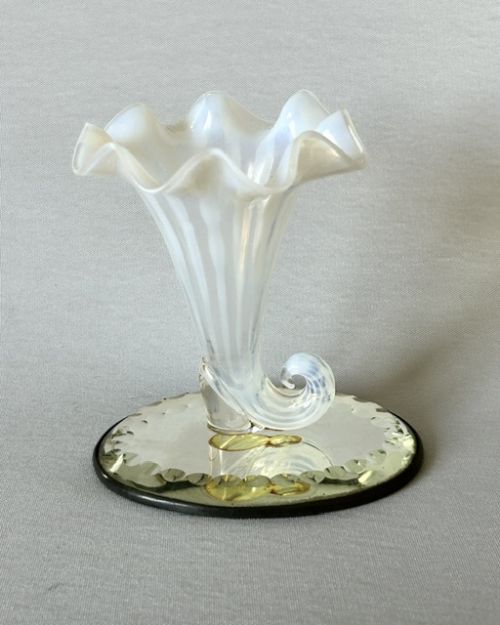
An antique opalescent vase is a decorative vessel made from glass that scatters light to display milky or bluish highlights, often shifting tones as the angle of illumination changes. These pieces span Victorian, Edwardian, Art Nouveau, and Art Deco periods, encompassing forms from single-stem vessels to elaborate multi-trumpet table centrepieces and epergnes.
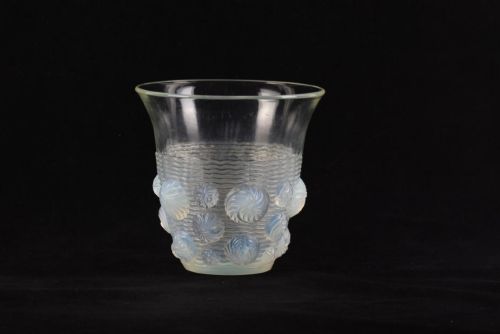
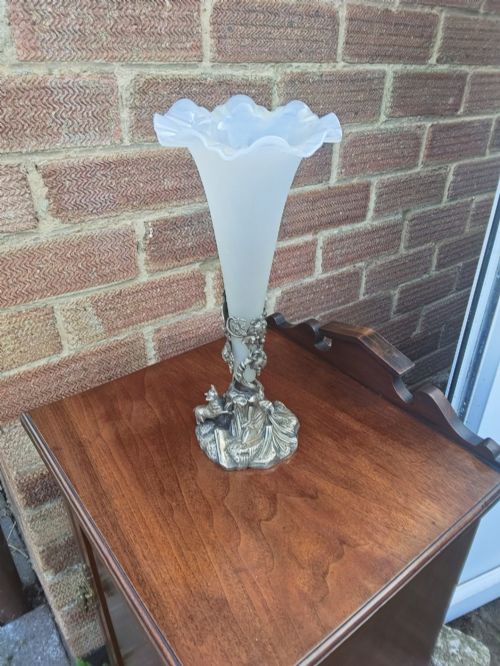
The version most commonly met on this page is the pressed or hand-blown glass vessel from the early twentieth century, frequently associated with French design houses and British tablewares. Makers utilised techniques that created textured surfaces, sometimes pairing the glass with brass, white metal, or incorporating contrasting stains.
Beyond standard single vessels, the category includes specialised centrepieces and cornucopia forms in vaseline, green, frosted, and opaque glass. Each period brought distinct stylistic interpretations, moving from ornate Victorian floral arrangements to clean geometric Art Deco moulding.
What varies in quality
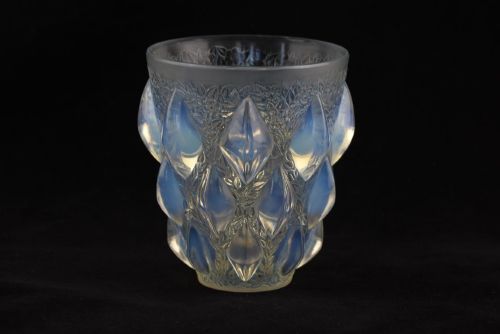
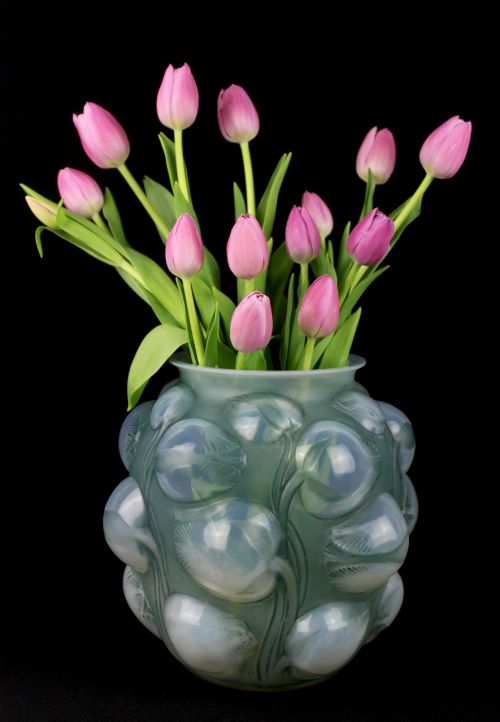
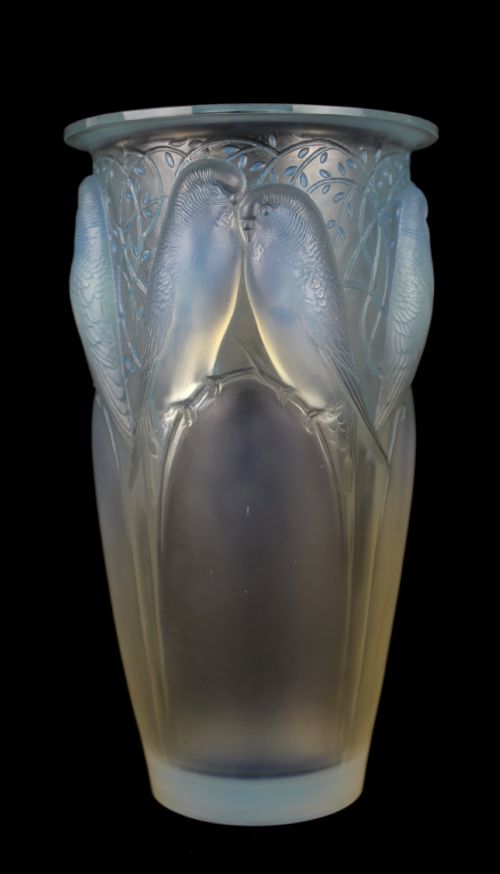
The strength and depth of the opalescent effect define the visual standard of the piece, separating subtle milkiness from vibrant, multi-hued light play. Precision in moulding, crispness of relief details such as floral or animal motifs, and the integration of coloured stains or patination set the finest examples apart.
The weight of the glass, the balance of any mounted metal components, and the purity of the material without heavy internal clouding indicate the level of craftsmanship involved. Pieces that retain subtle tool marks from hand finishing or possess complex multi-trumpet structures demonstrate superior workshop origins.
Antique Opalescent Vase Retail Price Guide 2026
Typical asking prices for opalescent vase among the pieces listed under this phrase on Sellingantiques today, from the lower quarter to the upper quarter. They describe what is for sale here now, not the wider market.
Certain Victorian glass trumpets were shaped like cornucopias, originally designed to overflow with symbolic abundance on the dinner table.
R Lalique·Walter Slater·Galle·Julien Glass
The Antique Opalescent Vase Glossary
- Opalescent Glass
- Glass that displays a milky, semi-translucent appearance with shifting bluish or fire-like highlights when lit from the front. This optical effect results from the controlled precipitation of particles within the glass matrix during cooling.
- Vaseline Glass
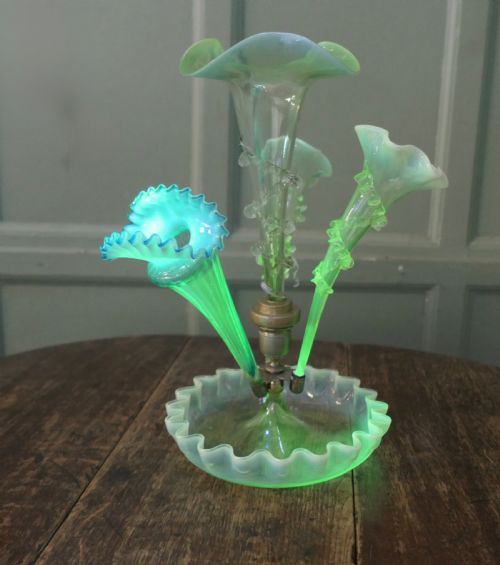
- Transparent or translucent glass containing uranium dioxide, which produces a distinctive yellowish-green colour and glows brightly under ultraviolet light. It was popular in Victorian and Edwardian decorative wares.
- Epergne
- A large table centrepiece featuring a central bowl or base fitted with multiple detachable trumpets or cornucopias for holding flowers. They frequently appeared in pressed, frosted, and opalescent glass combinations.
- Cameo Glass
- A vessel created by casing layers of different coloured glass together and carving away the outer layer to leave a raised design. This technique required immense skill and patience from the glassmaker.
- Pressed Glass
- Glass shaped by being pressed into a metal mould with a mechanical plunger rather than being free-blown. This method allowed intricate patterns and textures to be produced with greater consistency.
Antique Opalescent Vase: Frequently Asked Questions
What is an opalescent vase?
An opalescent vase is a decorative glass vessel manufactured to display milky, semi-translucent highlights that shift in colour under changing light. These pieces rely on specific chemical additives and cooling methods to create their characteristic iridescent appearance.
Such vessels range from Victorian table centrepieces to Art Deco moulded forms, serving primarily as ornamental display objects for flowers or interiors.
How do I identify Art Deco vases?
Art Deco vases from the early twentieth century typically feature geometric motifs, stylized plant or animal designs, and strong symmetrical lines. The glass is often thicker, utilising moulding techniques that emphasise mass and industrial styling.
Makers from this era moved away from flowing floral Art Nouveau curves in favour of bolder reliefs, frequently employing clear, frosted, or opalescent finishes.
What is vaseline glass?
Vaseline glass is a distinct type of coloured glassware containing trace amounts of uranium dioxide, which gives it a transparent yellow or greenish-yellow hue. Under ultraviolet light, the material emits a vibrant green fluorescent glow.
This glass was widely used for Victorian and Edwardian decorative objects, including cornucopia vases and multi-trumpet epergnes.
How were epergnes used?
Epergnes served as grand table centrepieces during formal dining in the Victorian and Edwardian periods. The central bowl held fruit or water, while the surrounding trumpets held cut flowers.
Placed in the middle of a dining table, these glass and metal structures added height, colour, and reflected light to the room.