

Antique Oil Wall Painting
An antique oil wall painting brings centuries of pigment, canvas and framed portraiture into a domestic interior.
Antique Oil Wall Painting
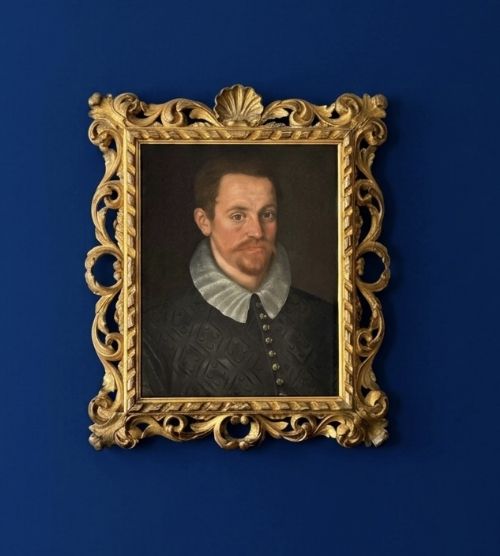
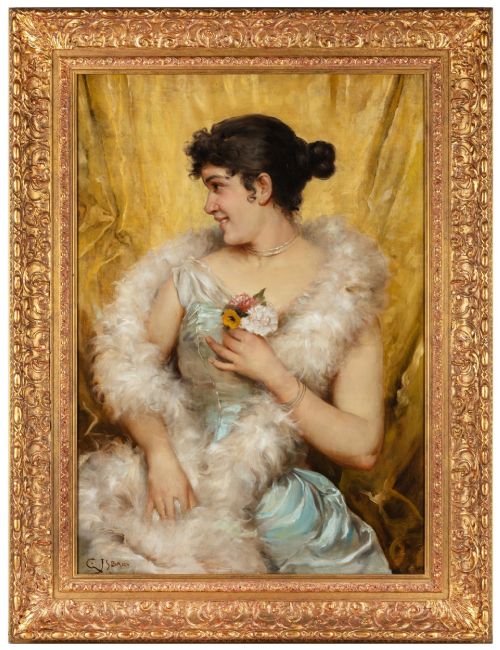
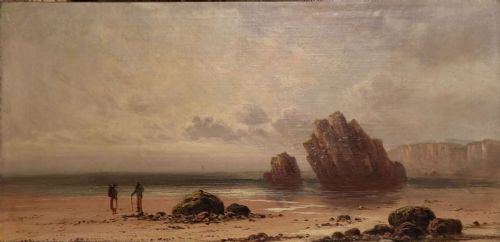
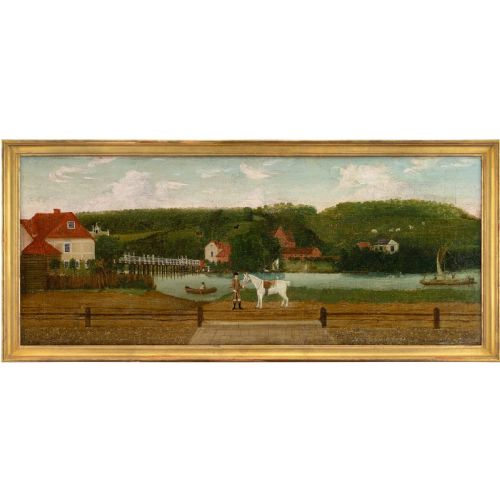
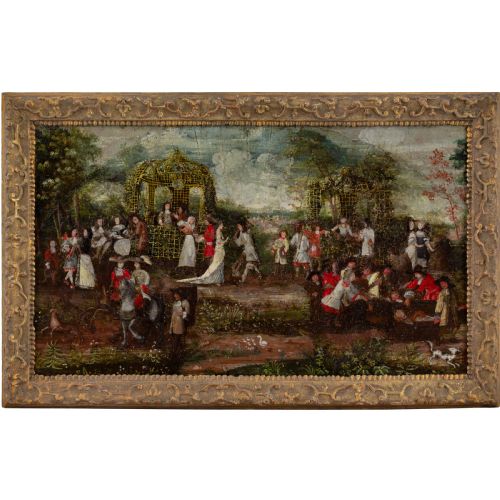
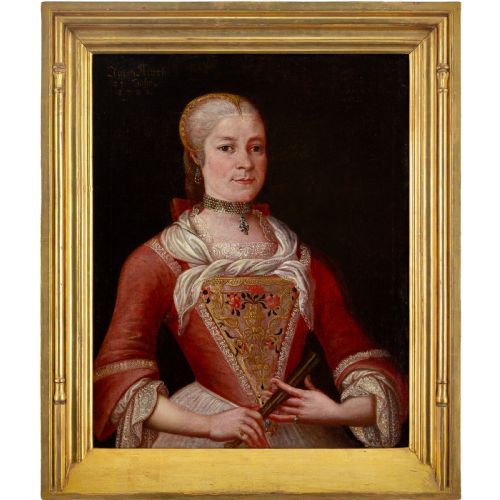
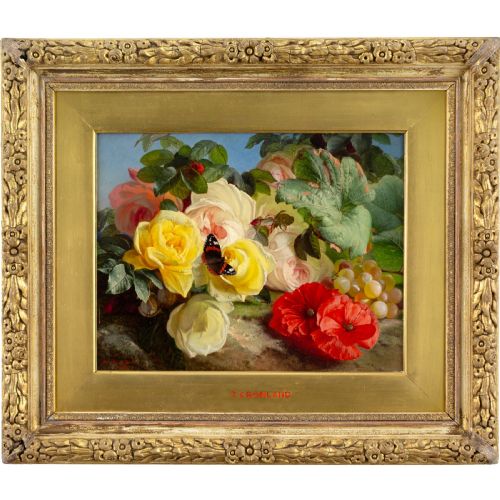
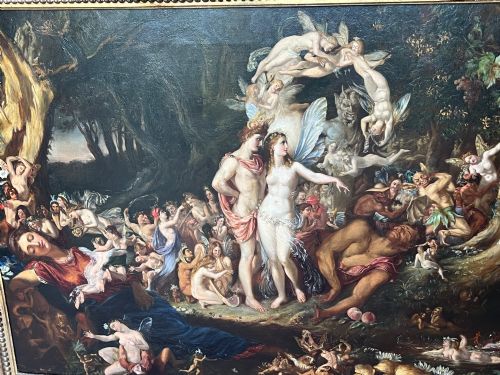
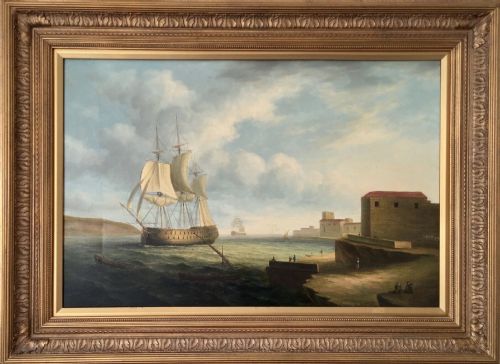
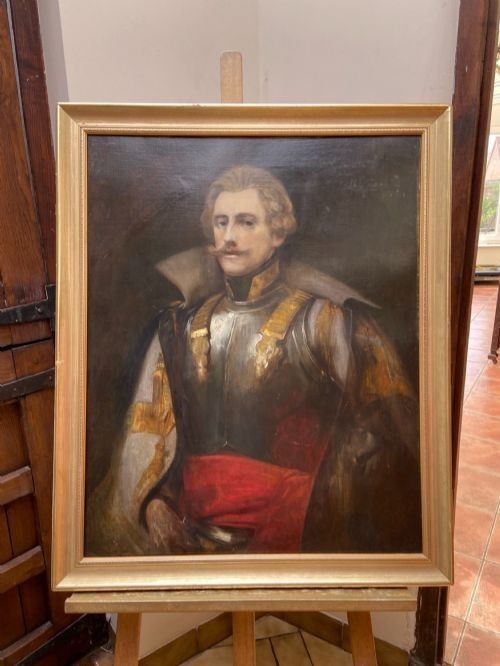
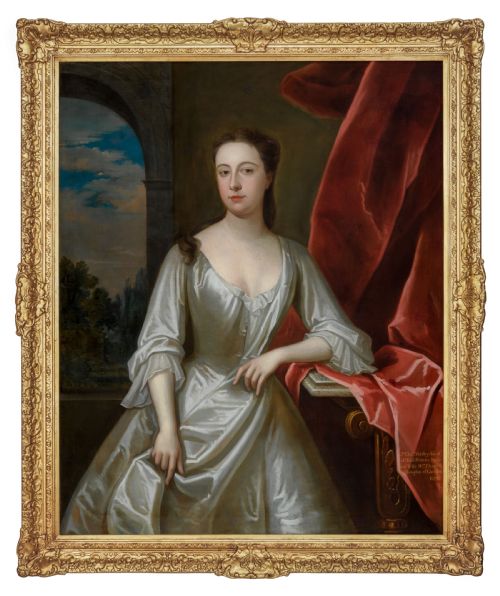
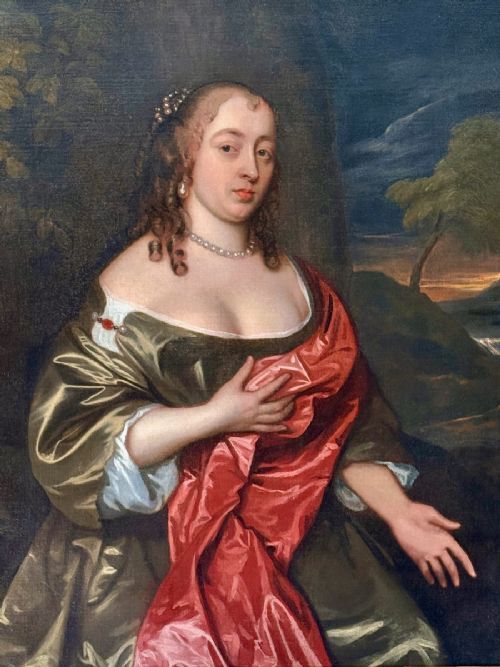
When searching for an antique oil wall painting, buyers encounter works spanning from the seventeenth century through to the mid-twentieth century. These pieces predominantly take the form of framed portraits, landscapes, marine scenes and still lifes executed in oil paint.
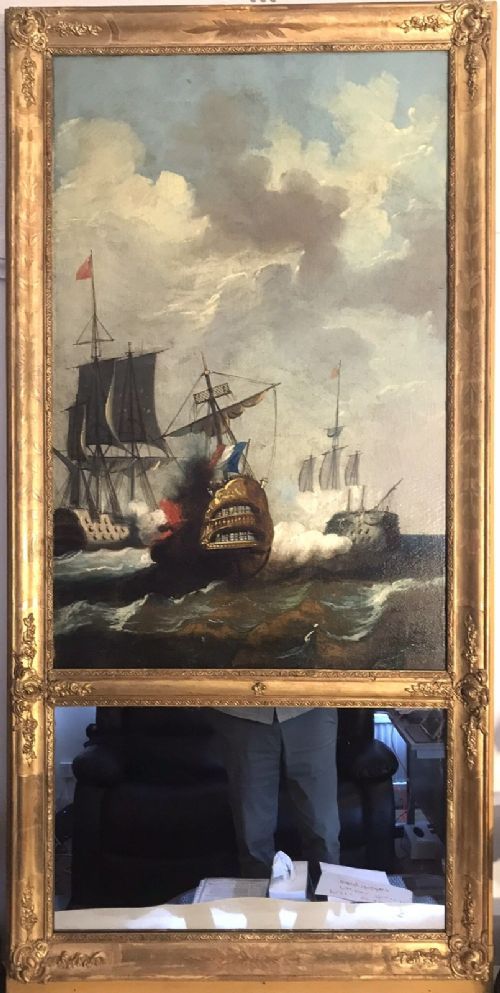
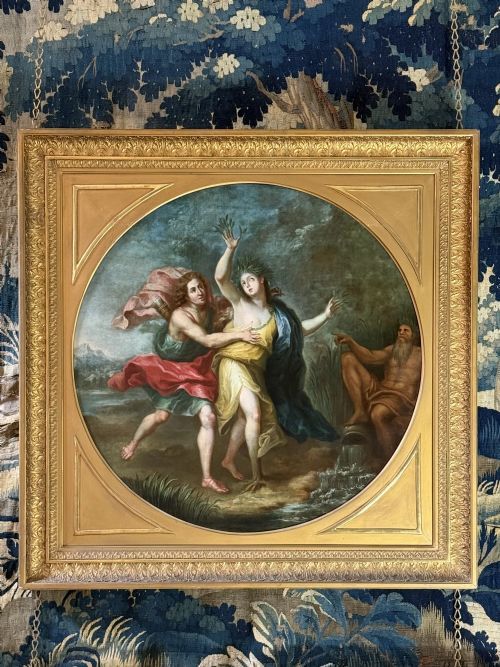
The nineteenth century yields a high proportion of the available works, alongside seventeenth-century portraiture and eighteenth-century classical subjects. Buyers also find integrated decorative objects such as French trumeau mirrors inset with painted panels.
Subjects range from British and European nobility to Scottish highlands, coastal shipping and pastoral studies. Works appear on stretched canvas, wood panels and fan leaves, reflecting varied domestic and formal settings of their origins.
How They Were Made
Makers built these works using oil paint applied to prepared canvas or wood panels, often housed within giltwood or decorative frames. Canvases were stretched over wooden frames, whilst timber panels provided rigid supports for smaller or earlier compositions.
Gilt and gold leaf frequently ornamented the surrounding frames and trumeau structures, accentuating the visual depth of the painted surface. Pigments were layered to achieve the tonal shifts observed in both portraiture and landscape works.
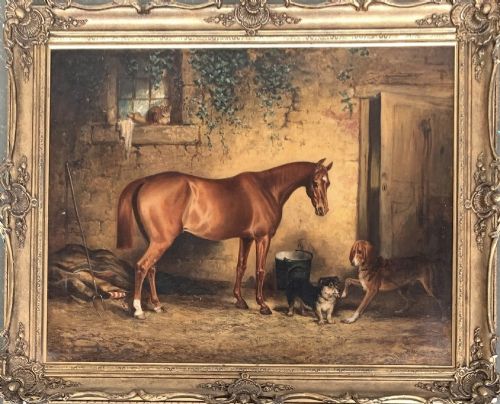
Canine subjects appear frequently, recording beloved family pets alongside aristocracy.
What Varies in Quality
The distinction between standard works and exceptional examples rests in the handling of light, anatomical precision and compositional balance. Master painters of the seventeenth and eighteenth centuries achieved lifelike textures in textiles and skin that lesser hands missed.
Condition of the canvas, panel and original framing significantly alters the standing of a piece. Retaining untouched painted surfaces without heavy overpainting elevates the standing of an antique work within its period.
Sir William Beechey·Henry Barraud·Theude Gronland·Sir Joseph Noel Paton·James Hardy·Sir Godfrey Kneller·John Hayls·Charles Antoine Coypel·Sir Joshua Reynolds·David Scougall·William Beattie Brown·Jozef Jansessens·Felix Stone Moscheles·Georges de La Tour·William H Myers·Sir Peter Lely·Tom Campbell
The Antique Oil Wall Painting Glossary
- Trumeau mirror
- A decorative wall mirror featuring an integrated painted panel above the glass surface, frequently French in origin. These items combined functional looking glasses with pictorial art for domestic rooms.
- Canvas
- A heavy woven fabric used as a support surface for oil painting. Stretched tightly over wooden frames, it allowed artists to create large-scale wall works.
- Giltwood
- Wood carved and coated with a thin layer of gold leaf or gilt pigment. It frames many traditional paintings and mirrors from the seventeenth century onwards.
- Panel
- A flat piece of wood used as a rigid painting support before or alongside stretched canvas. Wooden panels are common in earlier or smaller format works.
Antique Oil Wall Painting: Frequently Asked Questions
How do I hang a heavy oil painting?
Large canvases and wood-panel works require secure wall fixings distributed evenly across the framing structure. Wall anchors matching the weight of the timber and gilt frame ensure stability.
Positioning the work away from direct sunlight and damp environments preserves the integrity of the canvas and oil pigments over time.
How do I identify the period of a painting?
Stylistic markers such as costume details, ruffs, doublets or neoclassical drapery offer initial chronological clues. Examining the preparation of the canvas or wood panel provides further physical evidence of age.
Inscribed names, signatures and archival records associated with specific schools help narrow down the decade of creation.
What is a trumeau mirror?
A trumeau is an architectural wall mirror containing an oil painting set into the upper wooden section. These decorative fixtures were designed to fit between windows in period rooms.
The painted scenes often depict marine subjects, classical figures or pastoral landscapes framed in giltwood.