




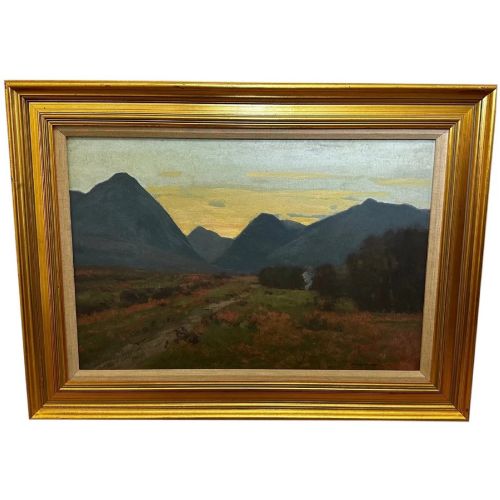
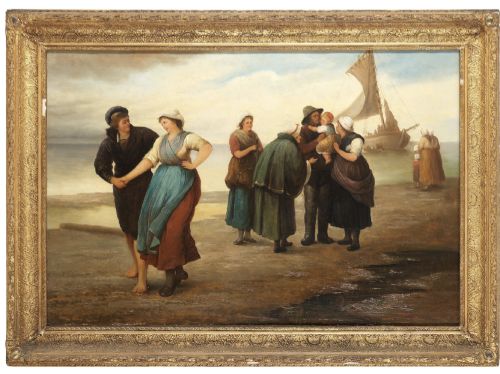
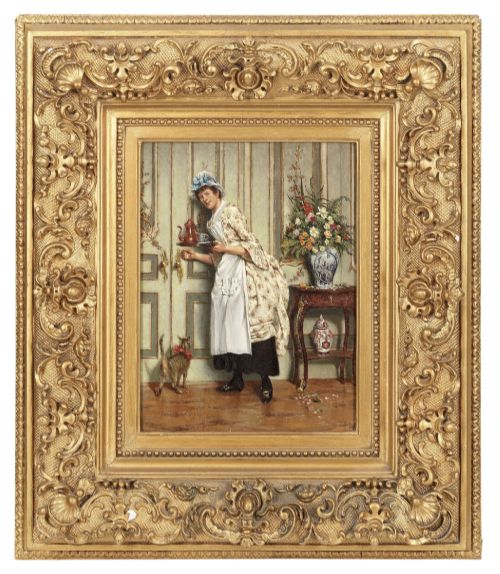
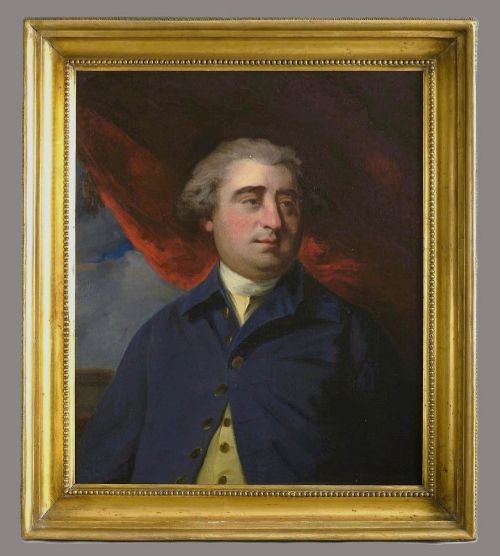
Antique Oil Picture Gilt Frame
When you search for an antique oil picture gilt frame, you are looking at centuries of painted canvas held within brilliant gilded timber.
Antique Oil Picture Gilt Frame
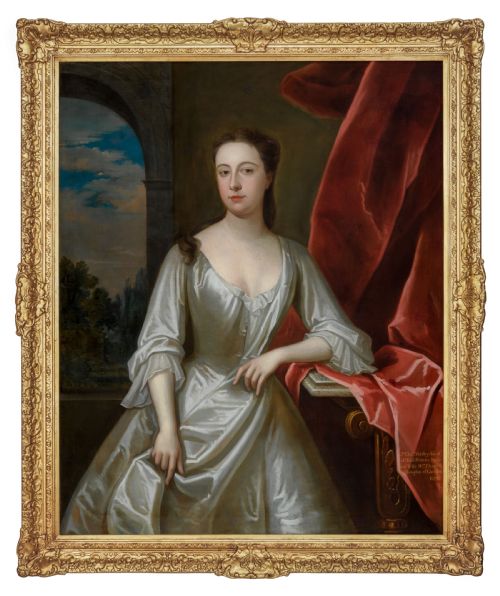
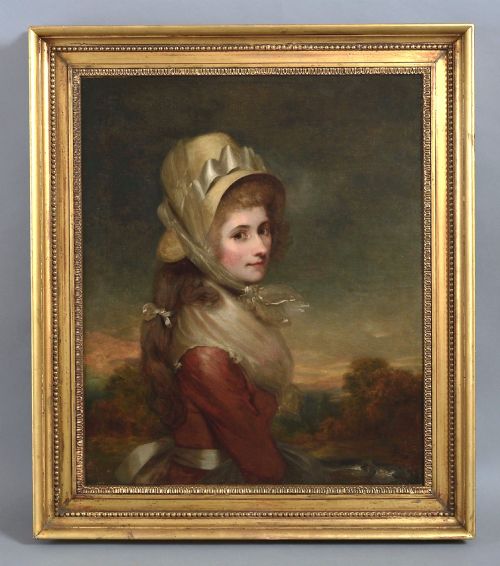
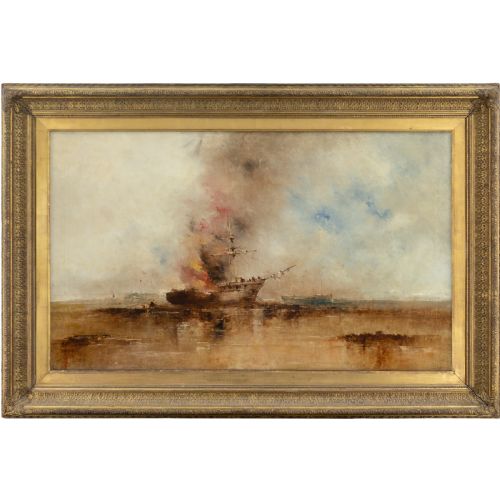
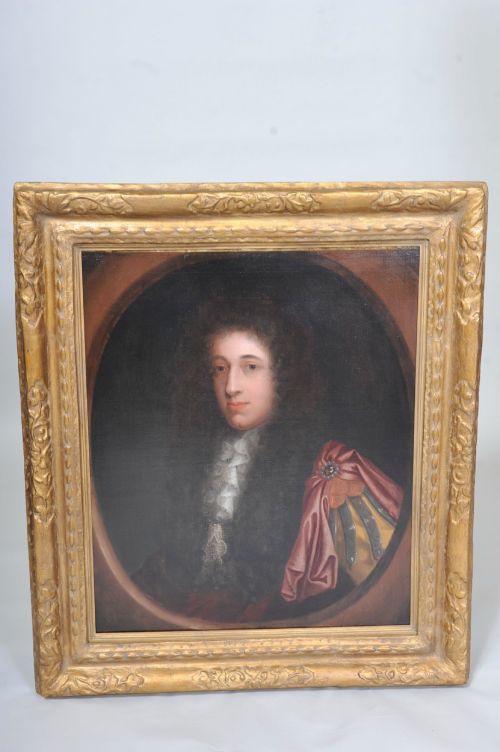
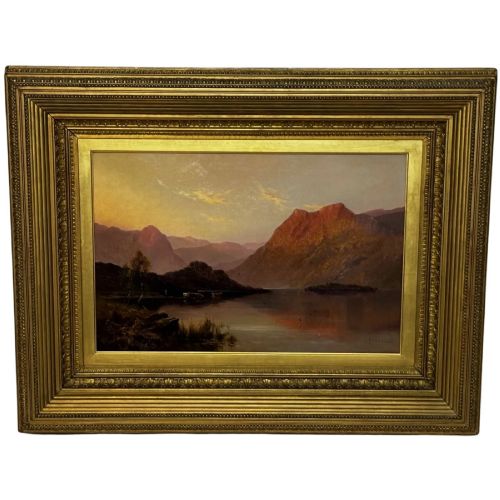
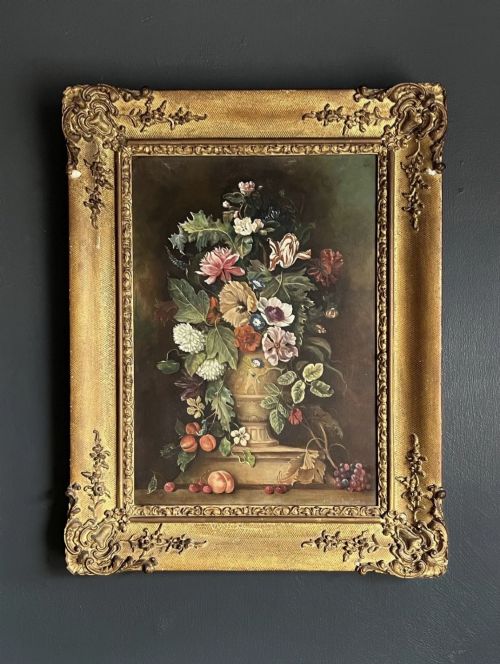
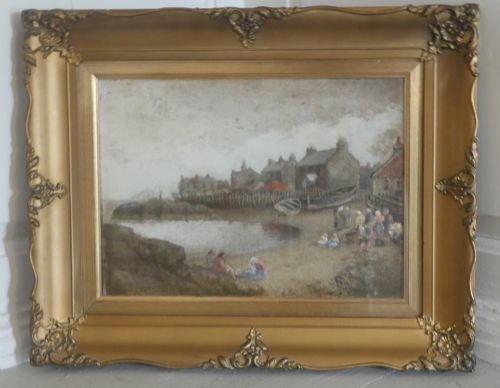
An antique oil picture gilt frame brings together historic painted portraiture, landscape or still life with ornate wooden surrounds covered in gold leaf or gesso. You will encounter everything from seventeenth-century aristocratic portraits to nineteenth-century British and European landscapes.
The selections span distinct periods including the seventeenth, eighteenth and nineteenth centuries, alongside Edwardian and mid-twentieth-century examples. Canvas, panel and board serve as the primary supports for the paint.
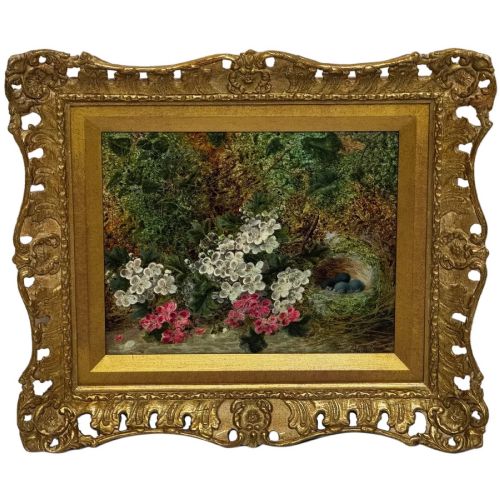
Framing styles range from restrained mouldings to heavy baroque and swept gilt enclosures that define the visual boundary of each artwork.
Materials and Construction
Painters applied oil paint onto stretched canvas, wood panels or card, building up layers of pigment to capture light and texture. Giltwood and gesso form the decorative surrounds, where craftsmen carved timber and applied thin layers of gold leaf.
Mouldings were built up using gesso, a plaster-like mixture applied over wood, which allowed artisans to carve intricate decorative patterns before gilding. This combination ensured the frame acted as an architectural extension of the painting within.
Several centuries of aristocratic portraits still gaze imperiously past modern living room sofas.
Distinctions in Quality
The relationship between the painting and its surround dictates much of the visual success, particularly where original or period-matching frames remain intact with the canvas. Finer works display confident brushwork and anatomical or spatial precision, whereas lesser pieces rely on formulaic execution.
The depth of the gesso work and the integrity of the gold leaf application separate standard decorative mouldings from master craftsmanship. Surviving inscriptions, signatures and documented provenance elevate the historical importance of the entire object.
Sir Godfrey Kneller·Sir Martin Archer Shee·Sir Anthony van Dyck·Sir Peter Lely·William Howard Hardy·William McAlpine·Alfred Fontville de Breanski Jr·Oliver Clare·Edward Mills·George Houston·Stephen Samuel Lewin·Sir Joshua Reynolds·David Bates·Alfred Lyndon Grace·Walter Heath Williams·Howard Helmick·Francis Moltino·William Hogarth·Edward Ladell·John Horace Hooper·Sir John Gilbert·Carl Felkel·Harald Foss·John Hodgson Lobley·Henrietta Rae
The Antique Oil Picture Gilt Frame Glossary
- Gesso
- A plaster mixture spread over wood to prepare the surface for gilding or painting. It allowed craftsmen to carve intricate relief details onto frames.
- Giltwood
- Timber that has been coated with gold leaf or gold paint. This technique protected the wood while providing a brilliant reflective finish.
- Oil on Canvas
- Pigment mixed with drying oil applied to a woven fabric support. This combination allowed artists to blend colours smoothly and achieve rich textures.
- Swept Frame
- A frame featuring ornate, flowing scrollwork or cartouches pushed into high relief during the moulding process. These were popular for dramatic nineteenth-century presentations.
- Provenance
- The documented history of ownership of an artwork. It traces the journey of a painting from its creation to the present day.
Antique Oil Picture Gilt Frame: Frequently Asked Questions
How do I clean a gilt frame?
Dust the surface gently with a soft, dry brush to remove particles without disturbing the delicate gold leaf.
Avoid using water, chemical solvents or abrasive cloths, as these will strip away the historic gilding.
Are these paintings original?
The inventory consists of original hand-painted works executed in oil on canvas, panel or board during their respective periods.
Some listings feature period copies after major masters rather than primary works by the original artist.
How do I hang a heavy framed painting?
Ensure your wall fixings are secured directly into wall studs or masonry using heavy-duty picture hooks rated for the weight.
Check that the D-rings and hanging wire on the back of the frame are structurally sound before mounting.
Does the frame match the painting's age?
Many pieces retain their original or contemporary period frames, while others have been paired with suitable historic surrounds over time.
Examine the rebate and joinery at the corners of the frame to understand its relationship to the canvas.