


Antique Oil on Copper
These antique oil on copper pieces combine fine metal panels with traditional pigments, offering collectors miniature portraits and Dutch genre scenes.
Antique Oil on Copper
When searching for antique oil on copper, a buyer encounters two distinct categories: small fine art paintings on metal panels and domestic lighting fixtures utilising copper components. The paintings span from the seventeenth century through the nineteenth century, including portraits of historical figures and Dutch genre scenes executed in the manner of old masters.
The pieces originating from the seventeenth century often present detailed portraits attributed to distinct schools or circles of known painters. Meanwhile, nineteenth-century examples frequently replicate earlier styles, such as Dutch studio scenes or pastoral landscapes on copper plates.
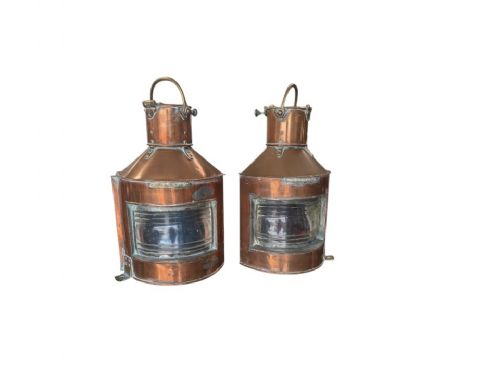
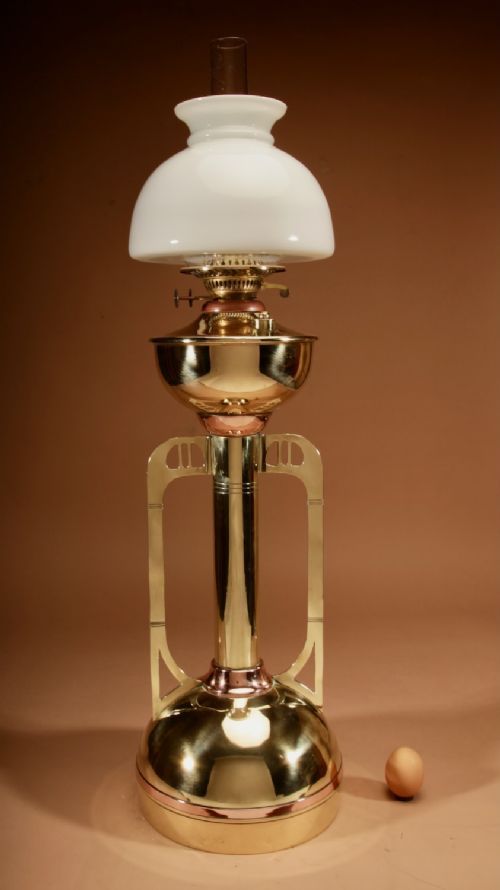
Beyond paintings, the selection includes brass and copper oil lamps, lanterns, and standard lamps dating from the Victorian and Edwardian periods. These lighting objects integrate copper alongside brass and glass elements, reflecting utilitarian design executed with decorative metalwork.
How they were made
The fine art pieces utilise smooth copper plates or panels as a rigid base for oil paint. Painters applied preparatory grounds directly to the metal surface before building up layers of oil paint to achieve fine detail and luminous depth.
The lamps and lanterns combine sheet copper and cast brass components, shaped through spinning, hammering, or casting. Glass shades, including cranberry glass and vaseline glass, accompany these metal structures to house the oil burners.
Several copper oil lamps preserve their original cranberry and vaseline glass shades, designed to cast a rosy glow across Victorian parlours.
What varies in quality
The fineness of brushwork and the preservation of the paint layer determine the standard of an antique oil on copper painting. Works exhibiting crisp detail in portraiture or narrative scenes command greater attention than hurried studio copies.
In metalwork items such as oil lamps and lanterns, quality rests on the weight of the copper and brass, the integrity of structural joins, and the presence of original glass components.
Alderson & Gyde Ltd·Gustave Serrurier Bovy·Jan Eisenlöffel·Adriaen Van der Werff·Sir Peter Lely·John Scougall·Thomas Sidney Cooper·Gerrit Dou
The Antique Oil on Copper Glossary
- Copper panel
- A sheet of copper metal prepared as a rigid support for oil painting instead of canvas or wood. This smooth surface allows for minute detail and luminous colour retention.
- Oil paint
- A slow-drying paint made by combining pigment particles with a drying oil such as linseed. It permits subtle blending and rich glazes.
- Standard lamp
- A tall floor-standing lamp designed to provide ambient room illumination. Many period examples utilise brass and copper shafts with oil reservoirs.
- Port lantern
- A specialised maritime signal light utilising copper or brass housing and coloured glass lenses. These were deployed on vessels to indicate navigation sides.
- Genre scene
- A painting depicting aspects of everyday life by depicting ordinary people engaged in common activities. Such subjects frequently appear in Dutch-inspired art.
Antique Oil on Copper: Frequently Asked Questions
Why paint on copper?
Artists utilised copper plates because the non-porous metal provided a perfectly smooth ground that did not warp or rot like wood or canvas. This allowed painters to execute extremely fine details and miniatures.
The smooth surface also imparted a unique luminosity to translucent oil glazes, as light reflected back through the paint layers from the metallic backing.
How do I date a painting?
Dating relies on stylistic evidence, costume details of depicted subjects, and the specific preparation methods of the copper plate itself. Examination of the reverse side often reveals maker marks or historical inscriptions.
Comparing the handling of paint and the subject matter to known dated works within specific centuries helps narrow the period of creation.
Were copper lamps used daily?
Lighting fixtures in brass and copper served as primary household illumination sources in Victorian and Edwardian interiors before electric lighting became widespread. They stood in parlours and hallways to hold paraffin or oil.
Owners regularly polished the metal components and trimmed wicks to maintain functional performance and aesthetic brightness in the home.
How should I clean copper?
Historic copper surfaces generally require minimal intervention to preserve their natural patination and any original protective lacquers. Dusting with a soft, dry cloth is usually sufficient for regular maintenance.
Harsh chemical polishes should be avoided on antique painted panels or patinated metalwork, as abrasive cleaning removes historic surface evidence.