




Antique Oil Jug
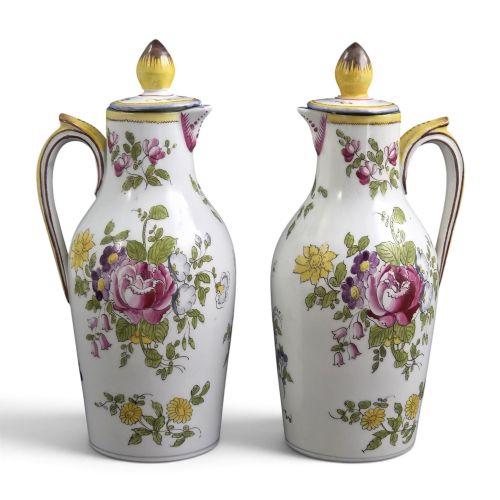
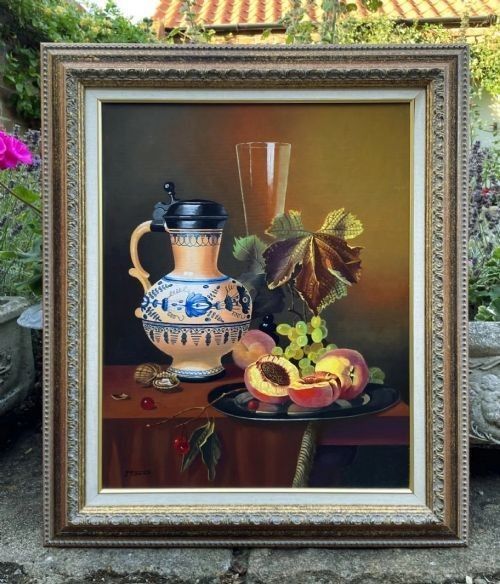
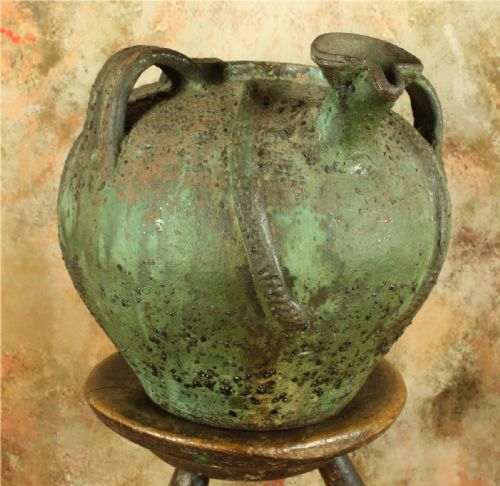
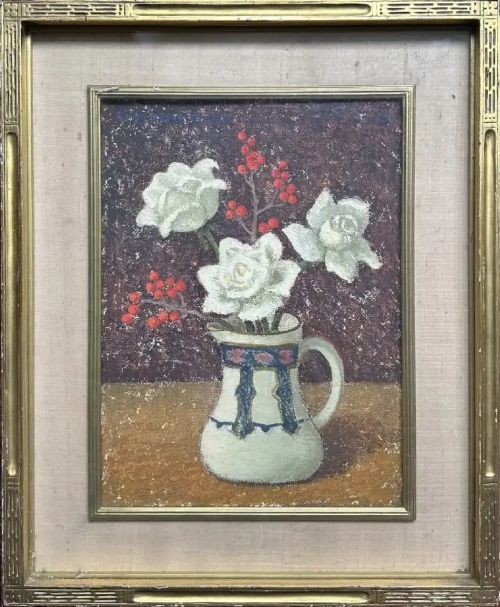
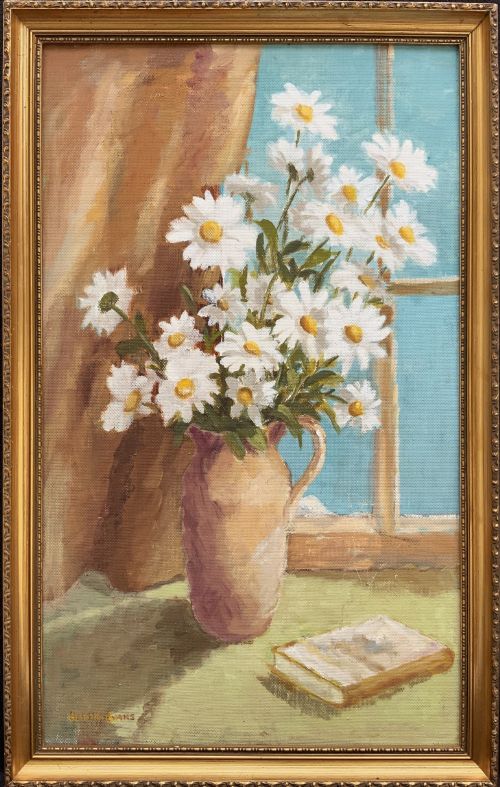
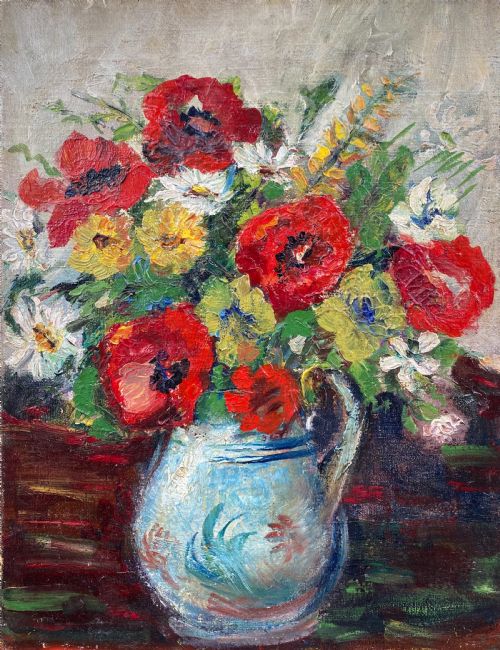
These antique oil jug examples range from utilitarian walnut storage pots and salt-glazed stoneware bottles to fine art still life paintings.
Antique Oil Jug
When you search for an antique oil jug, you encounter a diverse mix of actual vessels and artistic depictions captured in oil paintings. The functional containers include earthenware, terracotta, and stoneware pieces originating from French walnut oil pots to German salt-glazed bottles.
You are most likely to meet 18th century walnut vessels alongside tin-glazed polychrome jugs and Mediterranean pottery vessels. Alongside these physical vessels, the category embraces oil paintings on canvas depicting still life fruit and floral scenes featuring jugs.
The historical span stretches from pre-16th century antiquities and late Roman flasks up to modernist 20th century works. Buyers select these items either for their rustic utility in country interiors or as decorative artworks depicting traditional tableware.
How they were made
The physical vessels rely on traditional ceramic and woodwork methods, utilising clay, earthenware, and salt glazes. Potters shaped stoneware and terracotta on wheels or moulded tin-glazed polychrome surfaces, while woodworkers turned walnut into sturdy multi-handled storage pots.
Paintings in this selection employ oil paint on canvas, capturing light and texture across still life subjects. Artisans also worked with bronze casting for figural vessels, shaping metal to depict classical motifs.
Antique Oil Jug Retail Price Guide 2026
Typical asking prices for oil jug among the pieces listed under this phrase on Sellingantiques today, from the lower quarter to the upper quarter. They describe what is for sale here now, not the wider market.
Materials represented include earthenware, terracotta, salt-glazed stoneware, bronze, and oil paint on canvas.
What varies in quality
Quality rests on the integrity of the material and the mastery of the maker, whether in the crispness of a salt glaze or the expressive brushwork of a canvas. Early walnut pots show their calibre through patination and the secure joinery of multiple handles.
In painted works, the depth of composition and the handling of the subject separate standard decorative pieces from finer artistic examples. Ceramic jugs are judged by the stability of their glazes and the preservation of polychrome pigments.
Veuve Perrin Marseille·Jan Cossiers·Owen Bowen
The Antique Oil Jug Glossary
- Salt glaze
- A ceramic finish created by throwing common salt into the kiln during high-temperature firing, producing a textured, pebbled surface.
- Tin glaze
- An opaque white glaze containing tin oxide, used as a smooth base for polychrome painted decoration on earthenware.
- Still life
- A painting or drawing featuring inanimate subject matter, frequently including glassware, fruit, and ceramic jugs.
- Ewers
- Large jugs or pitchers with a wide spout, traditionally used for pouring water or wine at the table.
- Polychrome
- Decorated in multiple colours, often seen on tin-glazed ceramic vessels from various European regions.
Antique Oil Jug: Frequently Asked Questions
What was an antique oil jug used for?
These vessels served practical purposes in historic households, primarily for storing and pouring cooking or lamp oils. Walnut pots and stoneware bottles kept provisions secure, while decorative ewers held liquids for washing or table service.
In addition to functional containers, oil paintings captured jugs as central elements in kitchen and dining compositions. Artists used them to study light, shadow, and domestic routines across different centuries.
How do I date an antique oil jug?
Dating relies on examining the material, manufacturing technique, and stylistic markers present on the piece. Salt-glazed stoneware and tin-glazed earthenware often carry characteristics specific to 18th century European potteries and regional traditions.
For oil paintings, the canvas preparation, stretcher construction, and artistic style provide clues to the period. Pre-Roman and early antiquities require analysis of clay composition and surface wear.
Are painted oil jugs functional pottery?
Paintings depicting jugs are purely fine art works on canvas rather than usable kitchen vessels. They record the appearance of ceramic and glass containers within a staged artistic setting.
Physical jugs made from walnut, terracotta, and stoneware are tangible objects. However, many serve decorative roles in modern homes due to their age and historical patination.
How should I clean an old wooden oil pot?
Wooden vessels require gentle maintenance to preserve their historic patina and dry surfaces. Dusting with a soft, dry cloth is usually sufficient for routine care without introducing moisture.
Avoid using harsh chemical polishes or soaking walnut containers in water. Maintaining stable indoor humidity prevents the wood from drying out or cracking.