

Antique Officer Painting
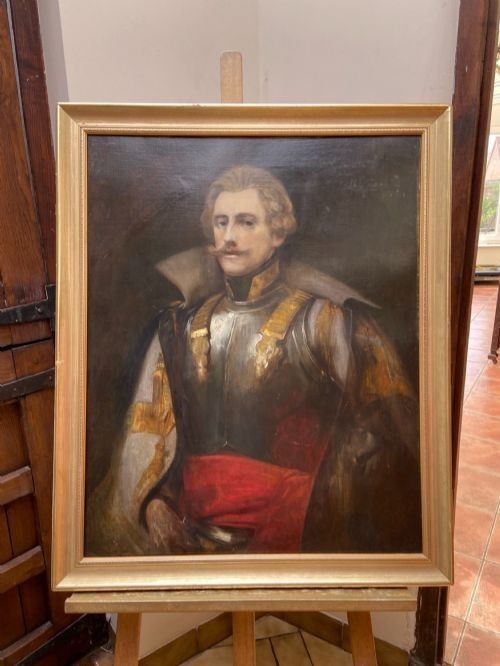
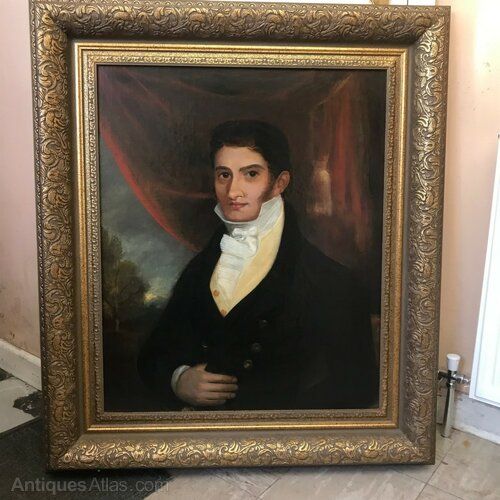
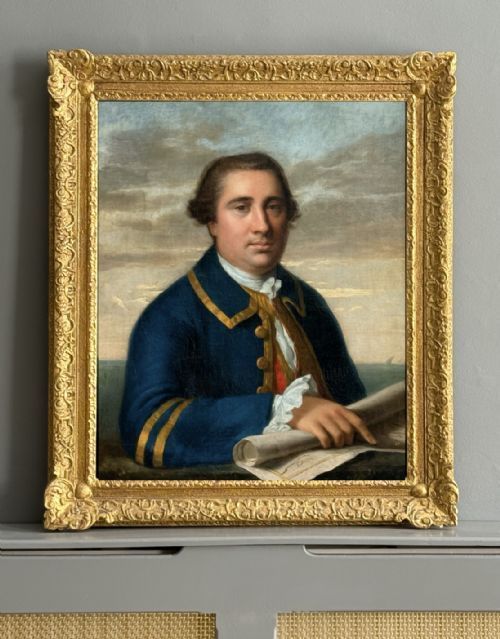
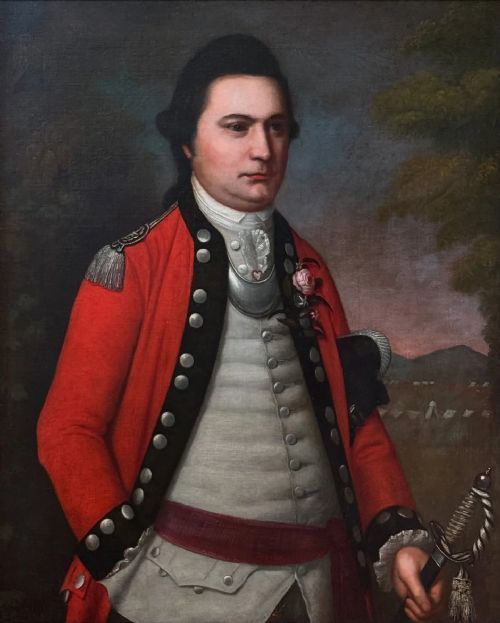
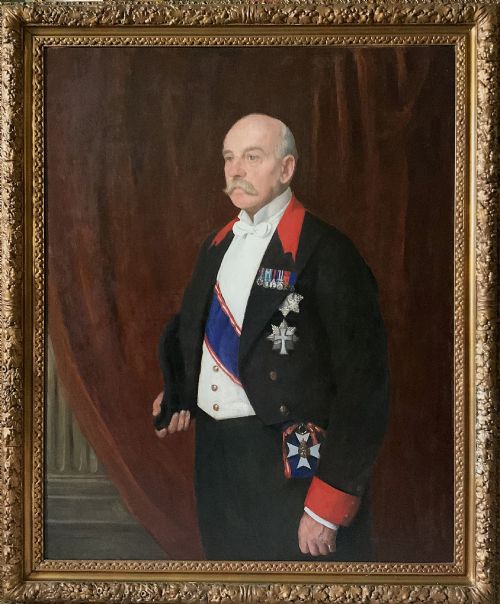
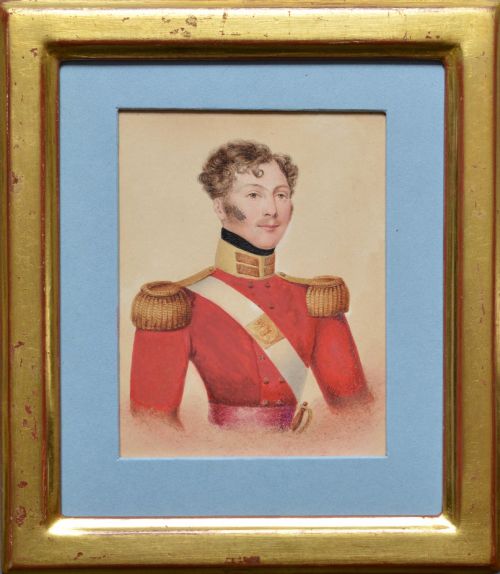
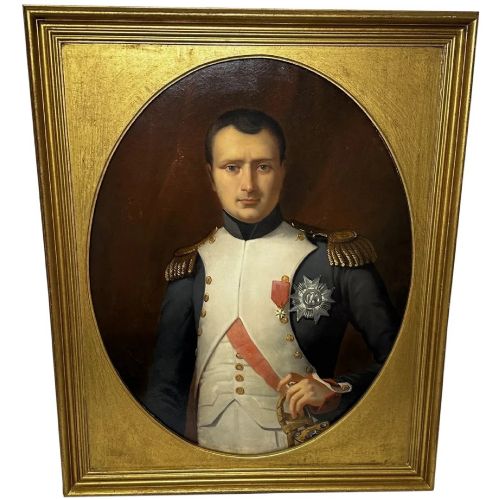
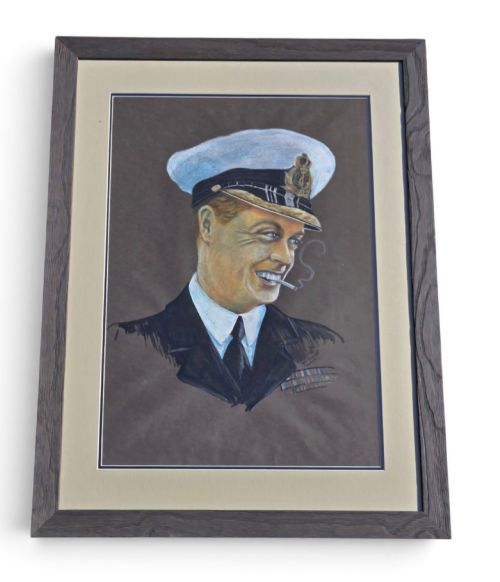
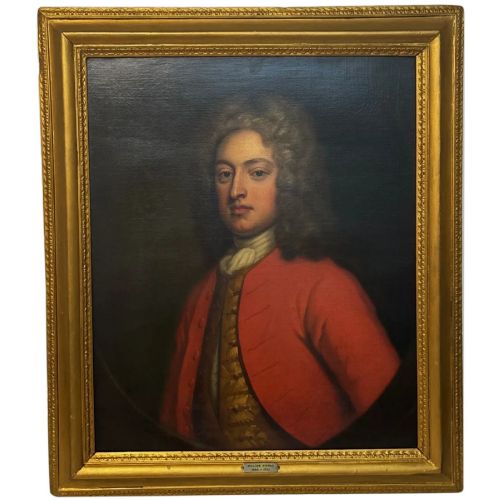
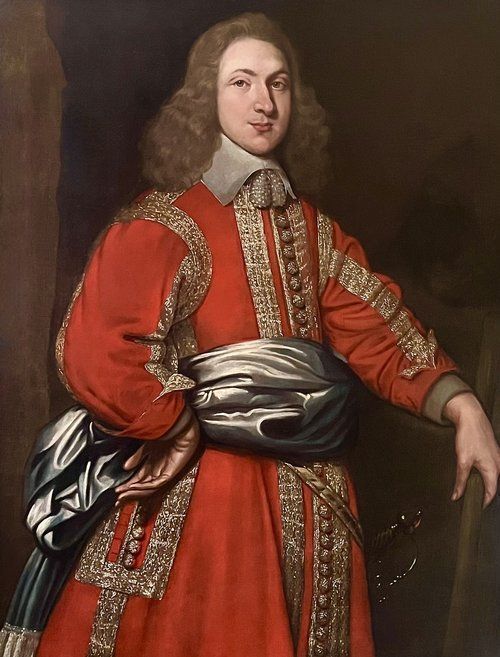
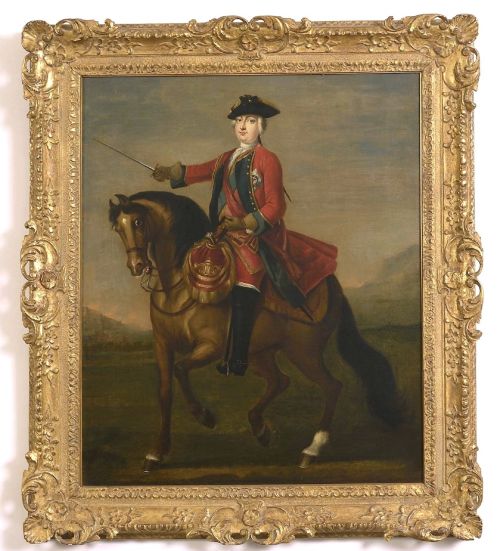
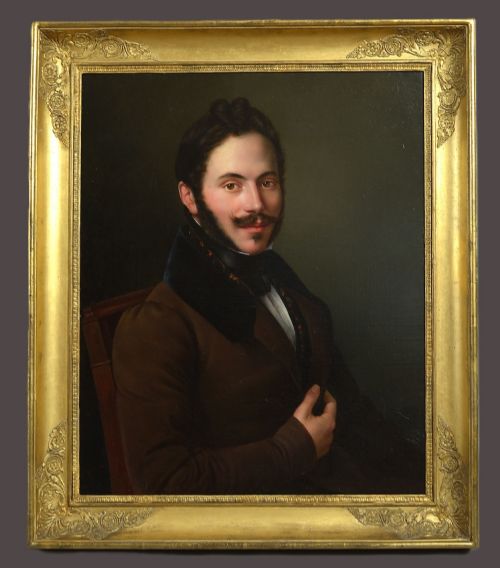
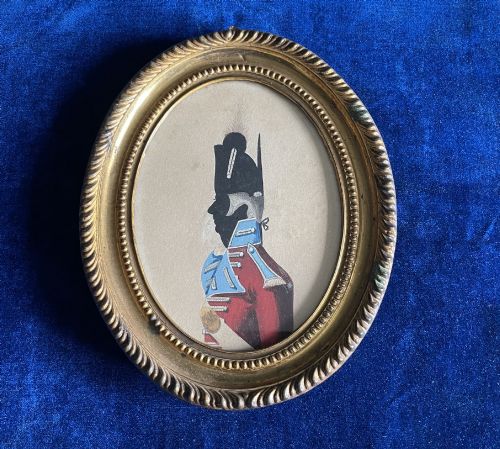
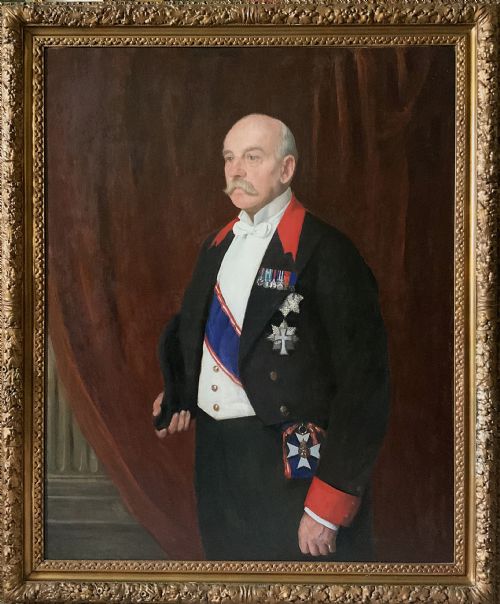
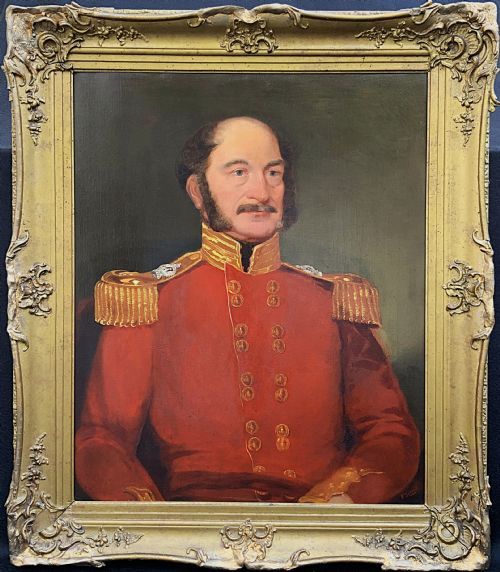
An antique officer painting captures the likeness of military figures from past centuries in oil, watercolour, and pastel.
Antique Officer Painting
An antique officer painting depicts military figures, including captains, generals, and naval officers, captured across various centuries.
The works on this page span the seventeenth, eighteenth, nineteenth, and twentieth centuries, reflecting changing military uniforms and portrait styles.
Buyers will encounter oil on canvas works, watercolours, and portrait miniatures representing British, French, and Anglo-Dutch subjects.
Materials and technique
Painters utilised oil paint on canvas or wood panels, alongside watercolours and gouache on paper for smaller sketches.
Framing often involved giltwood or gold panels, supporting both large statement pieces and delicate portrait miniatures.
Listings feature works spanning the 17th, 18th, 19th, and 20th centuries, executed in oil, watercolour, pastel, and enamel.
Assessing quality and execution
Quality rests upon the skill of the brushwork in rendering the subject's uniform details, facial expression, and posture.
Works attributed to identified schools or documented artists demonstrate superior anatomical accuracy and composition compared to primitive pieces.
LEMUEL FRANCIS ABBOTT·STICKLAND LOWRY·John Wootton·Thomas Hudson·Edouard Pingret·Henry Bone·Fabergé·John Simmons·G Hindle·Sir William Beechey·William Carter
The Antique Officer Painting Glossary
- Oil on canvas
- Pigment mixed with drying oil applied to a stretched cloth support. This medium allowed artists to achieve rich tones and durable surfaces.
- Portrait miniature
- A small, detailed painting executed on ivory, vellum, or card. These portable likenesses were often housed in precious metal frames.
- Giltwood
- Wood carved and coated with gold leaf or gold paint. It frequently frames formal portraits from the eighteenth and nineteenth centuries.
- Pastel and gouache
- Media combining powdered pigment pastes with opaque water-based paints. These were frequently utilised for wartime portrait sketches.
Antique Officer Painting: Frequently Asked Questions
How do I identify the military rank in a painting?
Uniform details such as collar insignia, lace, epaulettes, and headdress indicate the specific rank and regiment of the sitter. Researching the historical dress of the period helps clarify these distinctions.
Commissioned officers often wore distinctive facings and carried specific swords or sashes that separated them from enlisted men.
What periods are most common for these portraits?
The majority of pieces date from the eighteenth and nineteenth centuries, spanning Georgian, Regency, and Victorian eras. Earlier seventeenth-century examples also appear.
Later works extend into twentieth-century wartime sketches from the nineteen forties and the First World War.
Where were these paintings displayed originally?
Military portraits were traditionally commissioned for family homes, regimental messes, or official headquarters. They served to record lineage and commemorate service.
Smaller miniatures were often kept on the person or displayed within private chambers as personal tokens.
How should I care for an antique oil painting?
Keep the canvas away from direct sunlight and sources of extreme heat to prevent the oil paint and wood stretcher from warping. Dust the surface gently with a soft, dry brush.
Avoid using water or chemical cleaners on the paint surface or giltwood frame.