

Antique Office Bookcase
An antique office bookcase brings working history into a room, offering practical shelving alongside the enclosed desks and cabinets that defined professional spaces.
Antique Office Bookcase
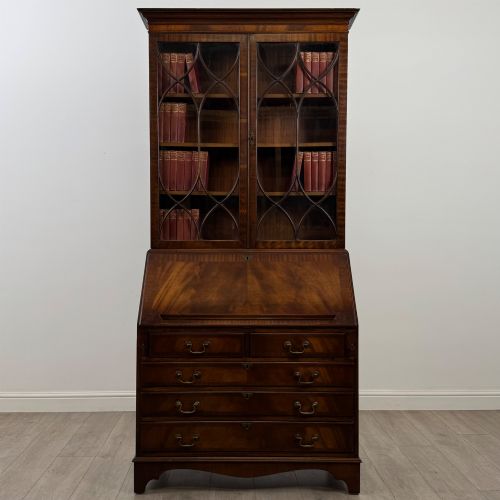
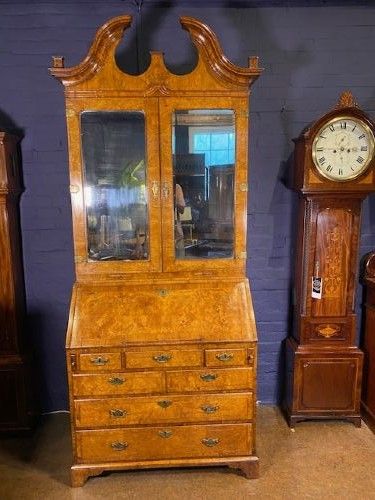
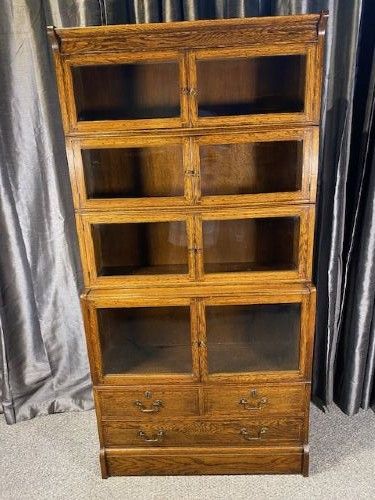
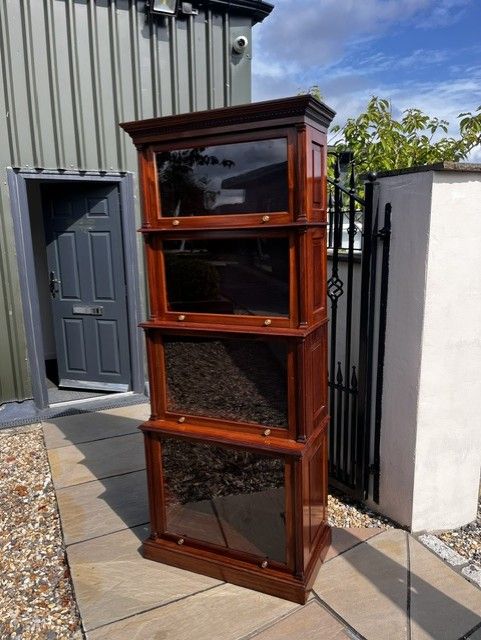
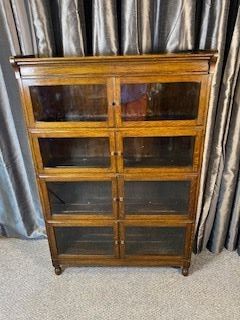
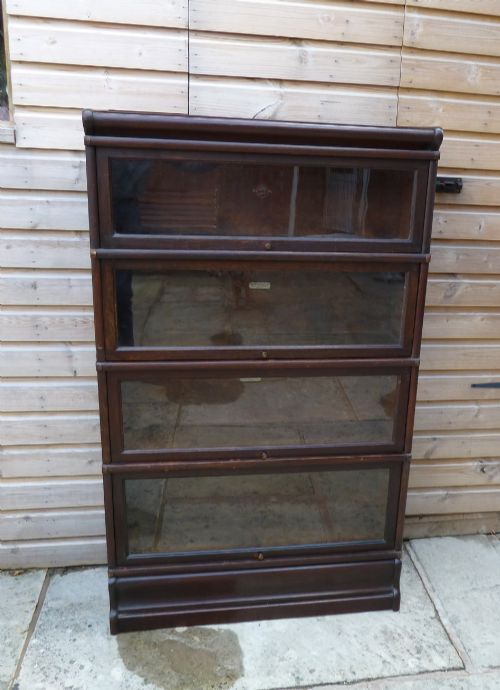
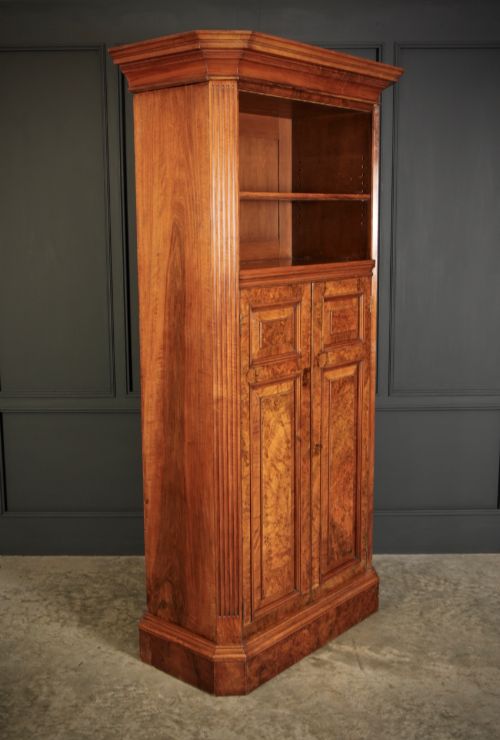
An antique office bookcase serves as a substantial storage solution for books, papers and working materials, taking the form of tall standing units, bureau combinations and modular stacking designs. Buyers encountering this phrase will find a strong representation of oak stacking variants alongside mahogany bureau bookcases spanning the Georgian, Victorian and Edwardian eras.
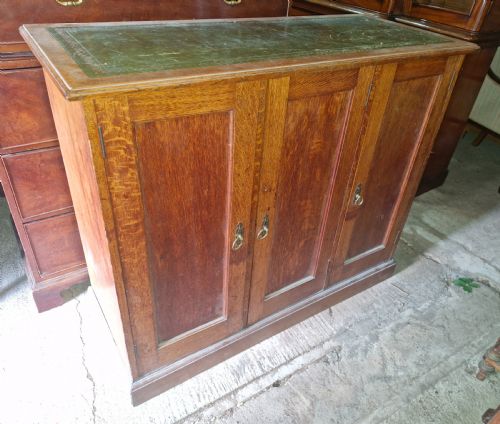
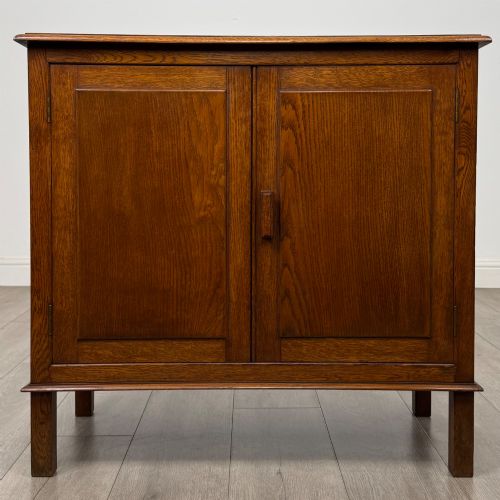
The category encompasses varied work spaces, including sorting cupboards, barrister sections with glazed doors, and fitted desks designed for administrative use. Pieces originate from domestic workshops and large retailers, reflecting the practical needs of offices, libraries and studies across centuries.
How they were made
Cabinet makers utilised durable hardwoods such as oak, mahogany and walnut, frequently selecting figured veneers to cover structural carcases. Solid timbers formed the primary framework of stacking modules and larger library cupboards, while secondary woods appeared in internal dividers and pigeonholes.
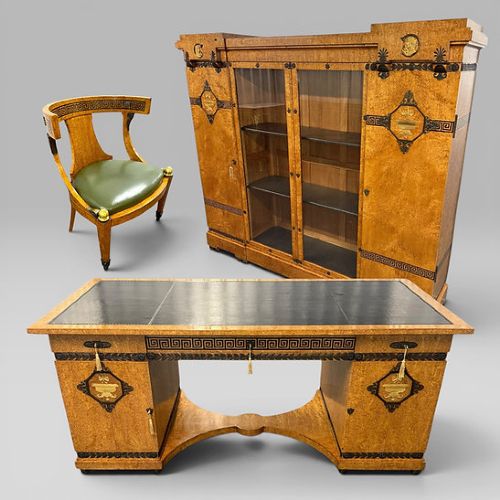
Glazing required lead or timber frames to support glass panels in front of bookshelves, and brass hardware secured doors, drops and sectional stacking units. Leather inserts lined writing surfaces, and marquetry inlay decorated the exterior facades of select continental pieces.
The furniture forms range from modular stacking bookcases and bureau combinations to open library shelves, desktop pigeonholes and complete office sets.
What varies in quality
The refinement of timber selection and decorative detail distinguishes standard utility pieces from exceptional commissions. Figured mahogany or burr walnut veneers, intricate marquetry, and substantial brass mounts elevate the presence of a cabinet.
Engineering mechanisms define modular and stacking variants, where smooth action in sliding or lifting glazed doors indicates superior original manufacture. The integration of fitted interiors, such as secret compartments and pigeonhole banks, adds complexity that separates basic storage from master cabinet work.
Mercier Frères·F.H. Marshall & Co Glasgow·Maple & Co.·Gunn·S&H Jewell of London·John Taylor
The Antique Office Bookcase Glossary
- Bureau bookcase
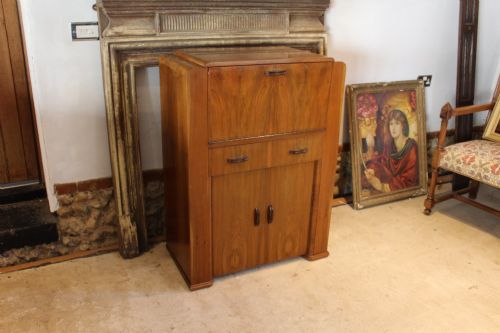
- A writing cabinet featuring a fall front or slope that opens to reveal desk drawers and pigeonholes, topped by a shelved bookcase. This dual function served administrative and reading needs in one footprint.
- Globe Wernicke
- A patented modular stacking bookcase system popular from the late nineteenth century onwards. Individual shelf sections lift and slide into the cabinet, allowing units to stack vertically.
- Secretaire
- A piece of furniture containing a drawer or drop-front panel that pulls out to form a writing desk. It often includes internal compartments for stationery.
- Pigeonholes
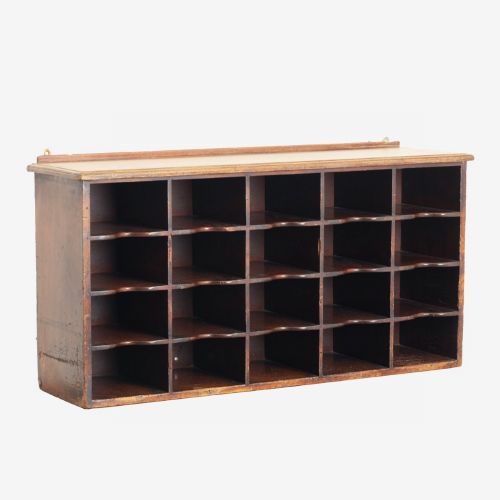
- Small, open compartments grouped in tiers within a desk or cabinet for sorting letters and documents. They represent the administrative heart of antique office furniture.
- Breakfront
- A large cabinet design where the central section projects forward from the flanking wings. This architectural arrangement creates depth and visual rhythm across wide bookcases.
Antique Office Bookcase: Frequently Asked Questions
What is a bureau bookcase used for?
A bureau bookcase combines a drop-front writing surface with enclosed upper shelving for books and ledgers. The fold-down slope provides a private desktop complete with internal pigeonholes for correspondence.
When closed, the cabinet conceals paperwork and presents a neat facade suited to professional studies and home libraries.
How are oak and mahogany styles distinguished?
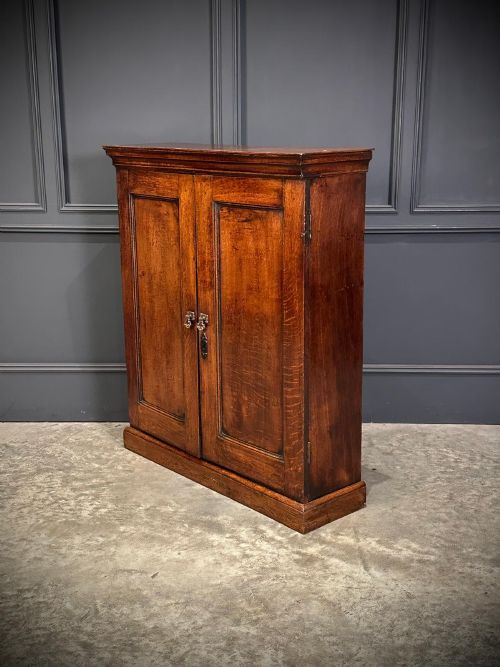
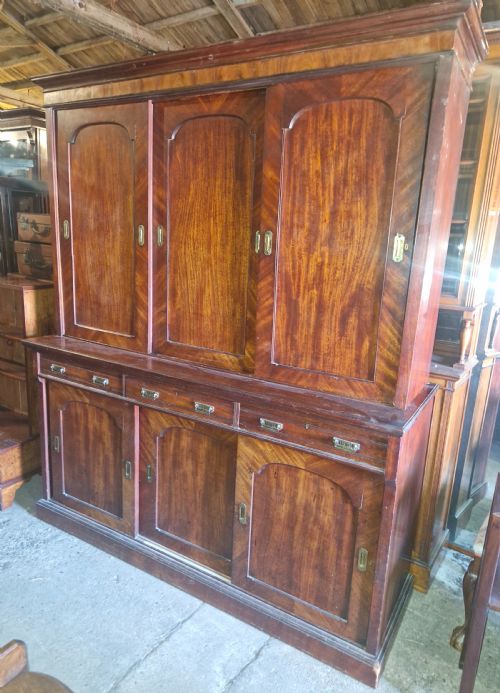
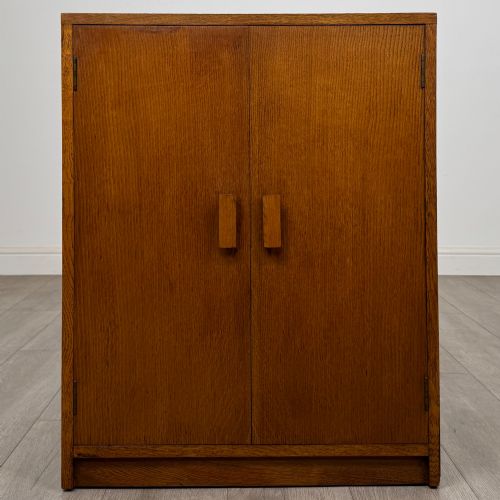
Oak pieces generally reflect robust construction, often seen in sorting cupboards, barrister stacks and Edwardian office furniture with visible grain patterns. Mahogany variants frequently display finer formal lines, ranging from Georgian breakfronts to refined bureau bookcases with flame veneer.
Choice of timber typically aligns with the period and the intended formality of the working environment.
Where were sorting office bookcases used?
Sorting office bookcases originated in administrative hubs, post rooms and institutions for managing heavy volumes of post and files. Their open pigeonholes and compartmented shelving allowed rapid sorting of documents.
Today, these functional pieces translate well into modern interiors as display storage for collections or paperwork.