

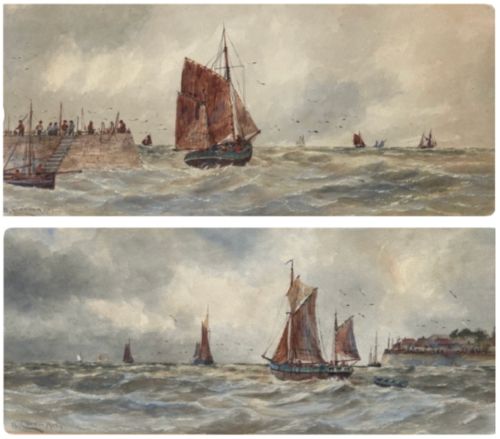


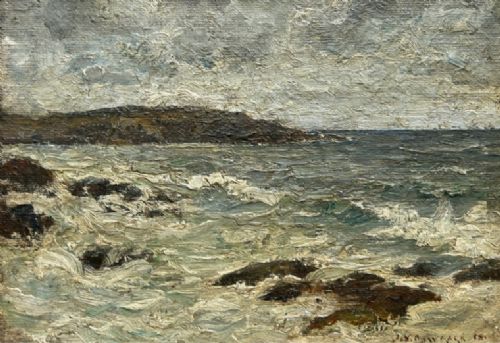
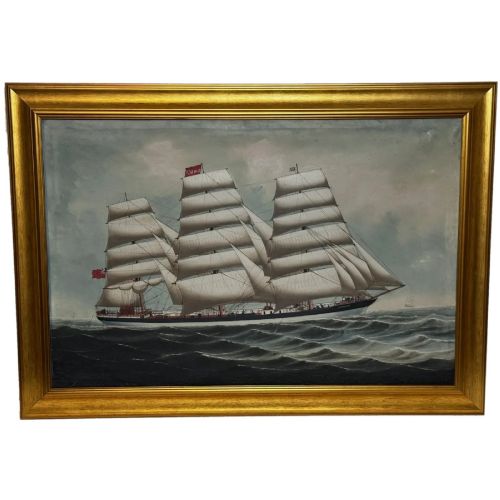
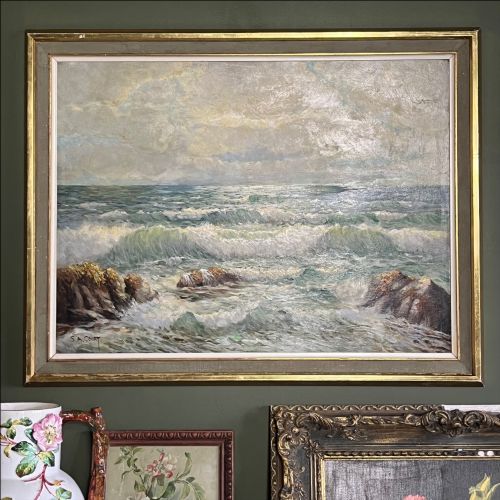

Antique Ocean Painting
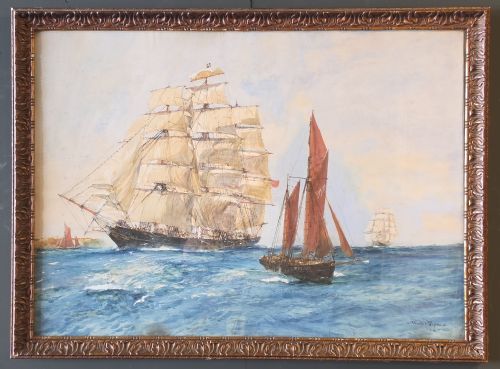
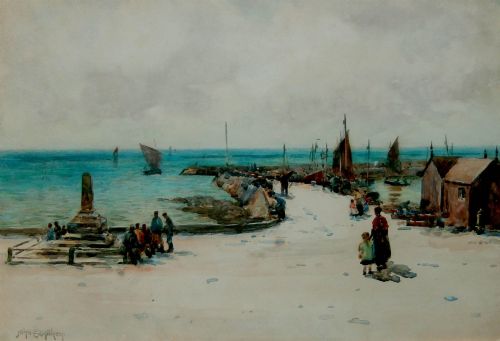
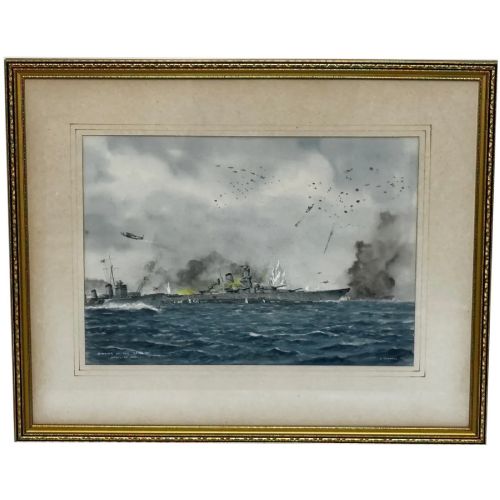
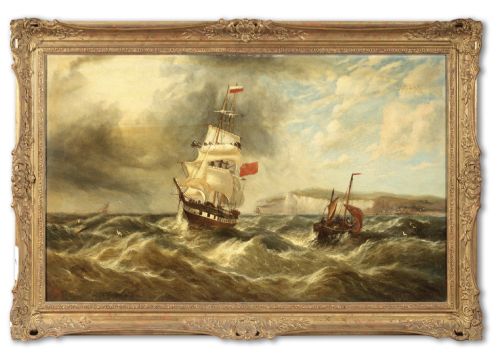
When you search for an antique ocean painting, you are looking at coastal scenes, sailing vessels and heavy seas captured across the nineteenth and twentieth centuries.
Antique Ocean Painting
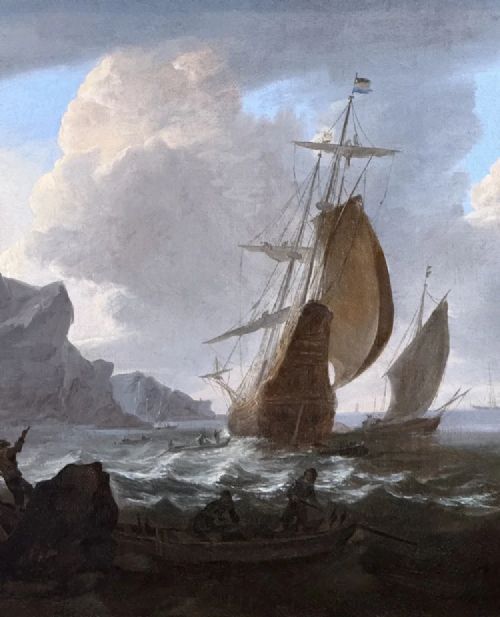
An antique ocean painting typically depicts maritime life, coastal topography, harbours and vessels ranging from traditional fishing boats to steamships and three-masted schooners.
The selections span the Victorian era, Edwardian period and the early to mid-twentieth century, encompassing both British and European coastal views.
Most pieces take the form of framed oil paintings on canvas or board, alongside detailed watercolours and gouache works on paper.
How They Were Made
Artists worked primarily in oil paint on canvas or board, often building up thick impasto to render the texture of rough water and stormy skies.
Watercolour and gouache on paper were widely utilised for lighter, more luminous coastal scenes, sometimes finished with protective glass and housed in gilt wood frames.
Antique Ocean Painting Retail Price Guide 2026
Typical asking prices for ocean painting among the pieces listed under this phrase on Sellingantiques today, from the lower quarter to the upper quarter. They describe what is for sale here now, not the wider market.
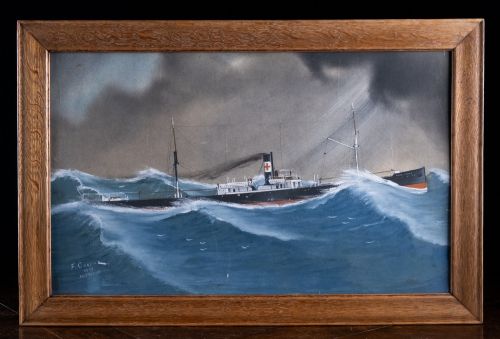
Among the maritime scenes, a steamboat named 'Queen' powers through rough waters alongside a stray ceramic fish vase.
What Varies in Quality
Quality rests on the artist's command of light, movement and maritime atmosphere, particularly in the rendering of turbulent water and rigging detail.
The handling of perspective in coastal architecture and the anatomical accuracy of vessels distinguish accomplished works from routine topographical records.
The condition of the original canvas, paper support and period framing influences the overall integrity of the piece.
William Cannon·Reginald Arthur Borstel·Charles Edward Dixon·John E. Aitken·William Banks Fortescue·John Rose Miles·Bonaventura Peeters·F. Corpuz·Lai Fong·Dubovsky·John Moore of Ipswich·Walter Slater·Nicholas Condy·Thomas Hodgson Liddell·William Henry Williamson·Alexander Harwood·George Stanfield Walters·Henry Barlow Carter·John Moxon·Charles William Adderton·Charles Napier Hemy·Gustave De Bréanski·Thomas Bush Hardy·Daniel Sherrin
The Antique Ocean Painting Glossary
- Impasto
- Paint applied thickly to a canvas or board, standing out in relief to give texture to waves and clouds. This technique adds physical depth to a maritime scene.
- Gouache
- An opaque water-based paint used frequently on paper for heightened colour and contrast. It often appears combined with watercolour in coastal views.
- Seascape
- A work of art depicting the sea, coastlines and maritime vessels. It forms the primary subject matter across these nineteenth and twentieth-century listings.
- Sea Stack
- A geological landform consisting of a steep and often vertical column or columns of rock in the sea. They frequently anchor the composition of rugged coastal paintings.
- Gilt Wood
- Wood carved and coated with gold leaf or metallic gilt to form traditional picture frames. These frames often accompany Victorian and Edwardian canvases.
Antique Ocean Painting: Frequently Asked Questions
What periods do these paintings come from?
The works date predominantly from the nineteenth century through to the middle of the twentieth century. Examples include Victorian maritime studies and Edwardian coastal scenes.
Later pieces extend into the nineteen-twenties, thirties and nineteen-fifties, reflecting evolving modernist approaches to the sea.
How do oil and watercolour maritime paintings differ?
Oil paintings on canvas or board provide heavier texture, deep pigment and strong impasto suited to stormy seas and dramatic light. They are typically displayed without glass.
Watercolours on paper offer a more delicate execution, capturing atmospheric haze and translucent light, and require protection beneath glass and framing.
Where were these coastal scenes usually painted?
Artists recorded coastal locations around the British Isles, including Cornwall, Scarborough, Lowestoft and the Scottish shores. European locations such as Venice and the Dutch coast also appear frequently.
Many works capture specific shipping lanes, harbours and maritime events like the Crimea deployment or commercial steamer routes.
How should I frame and display an antique ocean painting?
These works are commonly found in period gilt wood frames that complement the tonal palette of the marine subject matter. Display them away from direct sunlight to protect pigments on canvas and paper.
Maintain stable room humidity to preserve both the wooden stretchers and the integrity of the paper or canvas supports.