
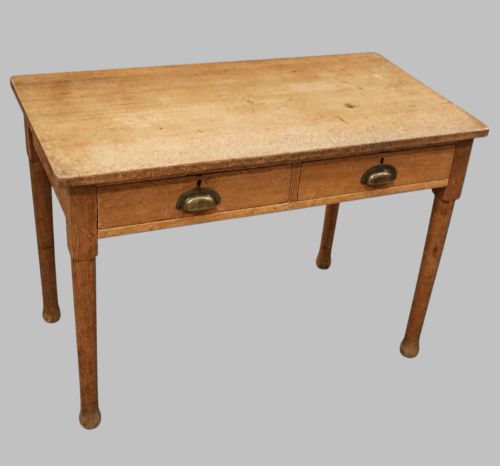
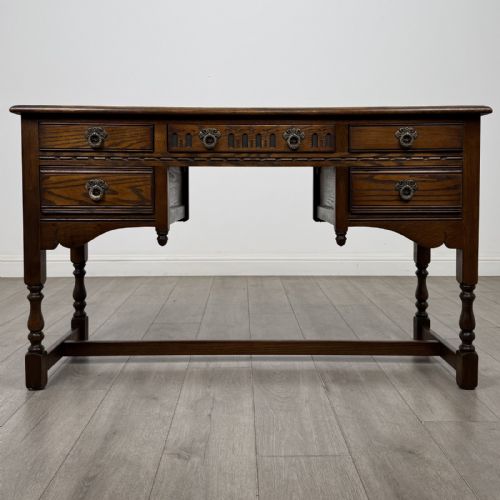
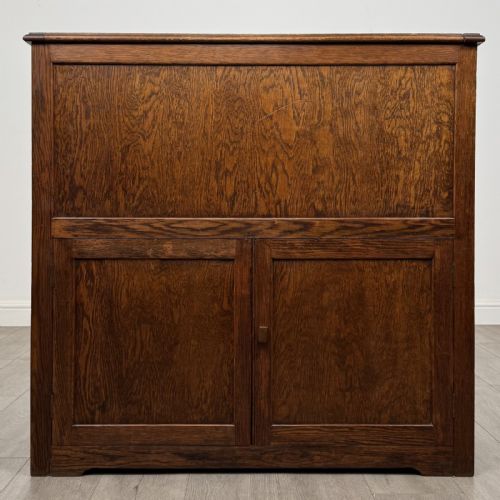
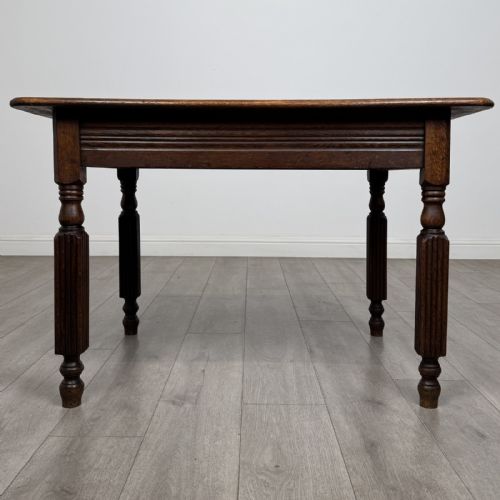
Antique Oak Wooden Desk
An antique oak wooden desk brings honest grain, sturdy construction and practical writing space into a room.
Antique Oak Wooden Desk
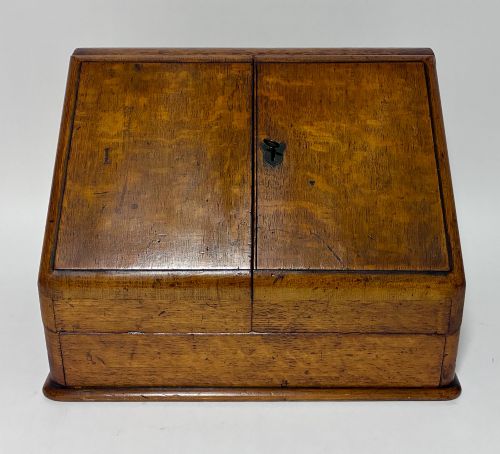
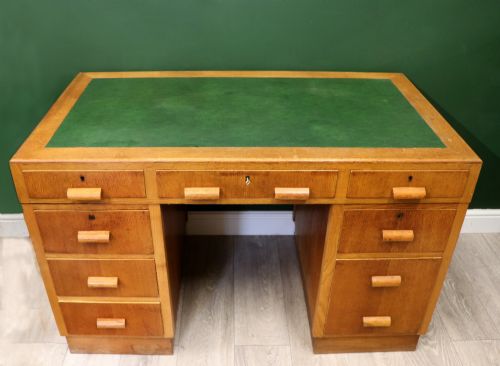
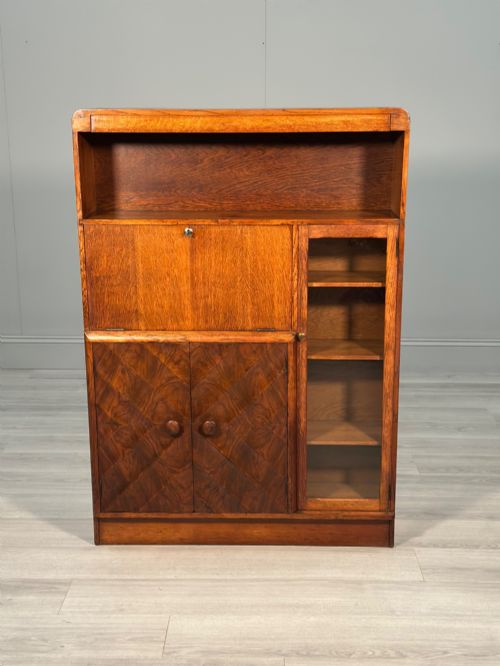
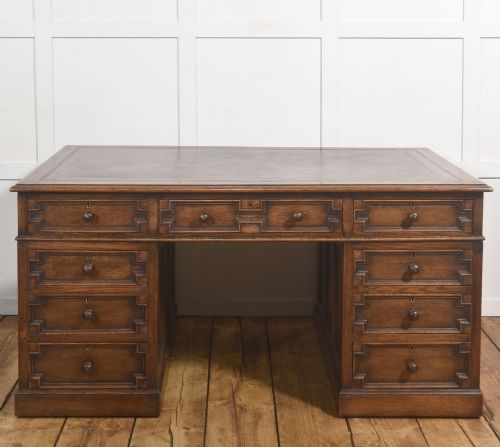
When searching for an antique oak wooden desk, buyers encounter robust pieces built for daily service across the eighteenth, nineteenth and early twentieth centuries. These writing places range from compact fall-front bureaus and tambour front filing cabinets to large pedestal desks designed for office or library use.
The versions most commonly met on this page date from the Edwardian period and the Victorian era, alongside earlier Georgian examples. Solid oak construction gives each piece a heavy, enduring presence that defines traditional workspace furniture.
How they were made
Cabinet makers utilised solid oak, frequently paired with secondary timbers like elm, ash, beech or yew in internal framing and structural elements. Surfaces often display visible grain patterns shaped by hand tools before the widespread adoption of modern machinery.
Metal hardware such as brass handles, hinges and desk accessories provide functional contrast to the dense timber. Construction relies on traditional joinery techniques designed to withstand decades of opening, closing and writing.
Listings feature oak alongside elm, ash and beech across pieces spanning the eighteenth to the twentieth centuries.
What varies in quality
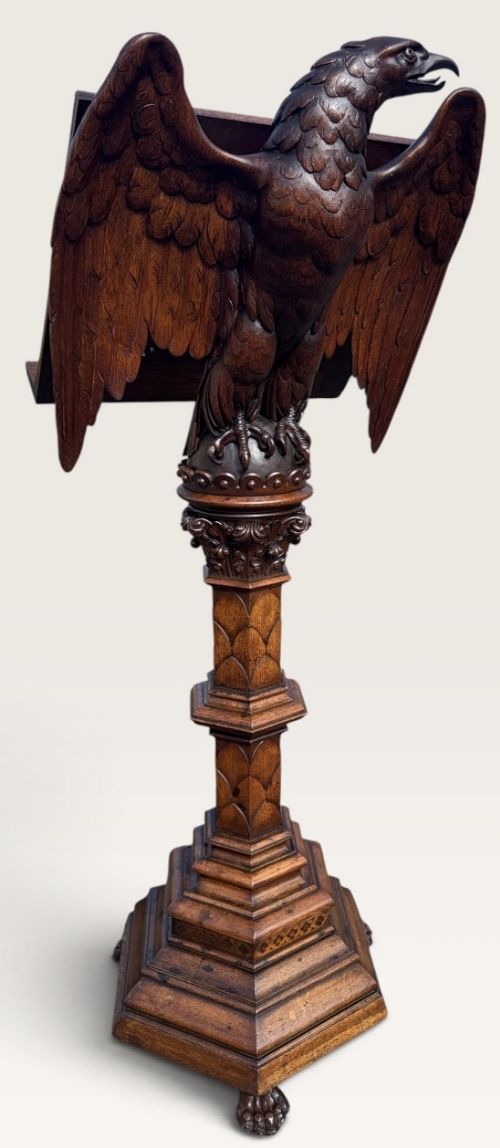
Quality rests in the selection of the timber and the crispness of any carved detailing, from simple panel moulding to intricate Gothic Revival motifs. Superior pieces show thoughtful proportion and careful matching of the oak grain across major surfaces.
The integrity of the internal mechanism, whether a roll top, a tambour shutter or a fall-front writing flap, separates standard utility items from finer workshop production. Original handles, working locks and intact labels add distinction to the construction.
Arthur Simpson·Heals of London·Arthur Basil Reynolds
The Antique Oak Wooden Desk Glossary
- Bureau
- A desk featuring a sloping hinged flap that opens to reveal a writing surface and small pigeonholes or drawers. It often sits upon a chest of drawers or a framed stand.
- Tambour
- A flexible sliding shutter formed from narrow vertical strips of wood glued to a canvas backing. This mechanism conceals the interior pigeonholes of a cabinet or desk.
- Pedestal desk
- A heavy freestanding writing table supported by two pillars or stacks of small drawers on either side. A central kneehole sits directly between them.
- Roll top
- A flexible slatted cover that pulls down in a curved track to lock the entire upper desk surface. It provides secure storage for papers and writing instruments.
- Refectory table
- A long dining or working table traditionally supported by thick legs connected with low stretchers. Oak examples show robust framing designed for communal use.
Antique Oak Wooden Desk: Frequently Asked Questions
How do I date an oak desk?
Dating relies on observing construction methods, handle types, lock mechanisms and overall style characteristics recorded across different centuries. Eighteenth-century pieces typically show hand-planed surfaces and pegged joinery, while Edwardian and later examples incorporate machine-sawn timber and different hardware styles.
Examining secondary woods used in drawer linings also helps narrow the production period. Comparing the piece against documented examples from the same era confirms its likely decade of manufacture.
How were these desks used originally?
These pieces served practical administrative, literary and clerical duties in homes, offices, libraries and institutional buildings. Bureau desks provided private spaces for correspondence and financial record keeping.
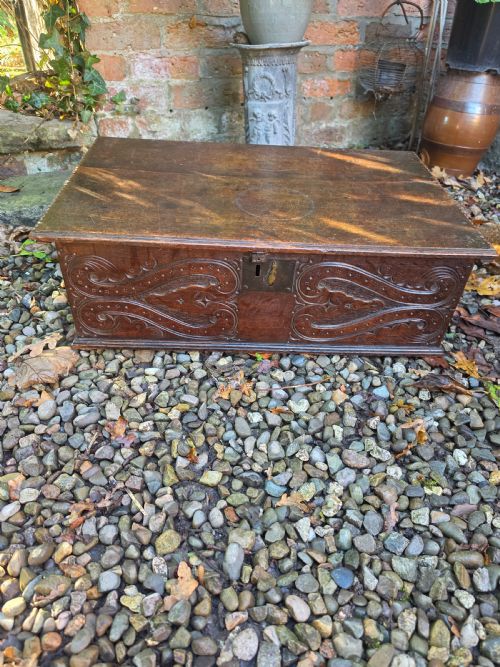
Pedestal and roll top versions managed the growing volume of paperwork generated during the Victorian and Edwardian periods. Smaller document boxes and writing slopes allowed owners to write while travelling or sitting away from a formal table.
How should I care for an oak desk?
Maintenance requires keeping the timber away from direct heat sources and sudden humidity changes that cause wood to split or warp. Regular dusting with a dry or slightly damp cloth preserves the finish without building up heavy chemical residues.
Application of traditional beeswax feeds the dry oak grain and maintains a soft lustre over time. Avoid placing hot cups or wet items directly on the bare wooden writing surface.
What is golden oak?
Golden oak describes a light, warm honey tone often found on furniture produced during the Arts and Crafts movement and the Edwardian era. This coloration highlights the natural medullary rays and open grain patterns characteristic of quarter-sawn oak timber.
Finishes applied during this period emphasised the natural warmth of the wood rather than dark, heavy stains. It represents a lighter aesthetic shift away from Victorian dark furniture.