


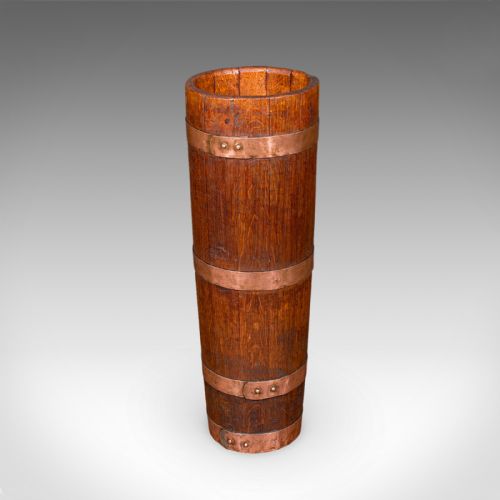


Antique Oak Vessel
An antique oak vessel brings solid timber and functional history straight to the hearth or hallway.
Antique Oak Vessel
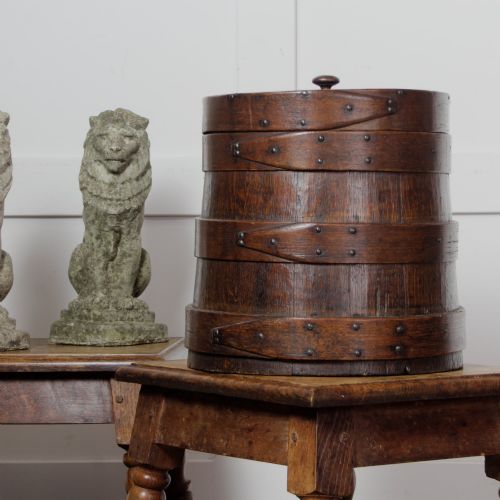
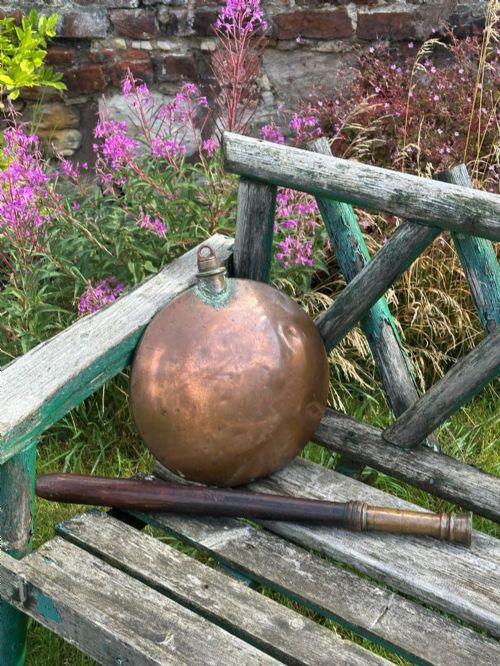
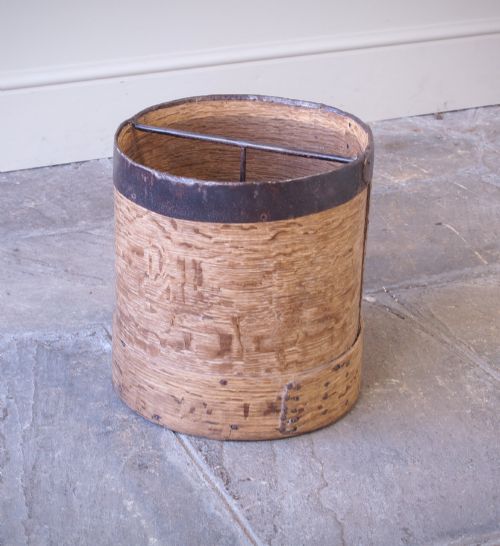
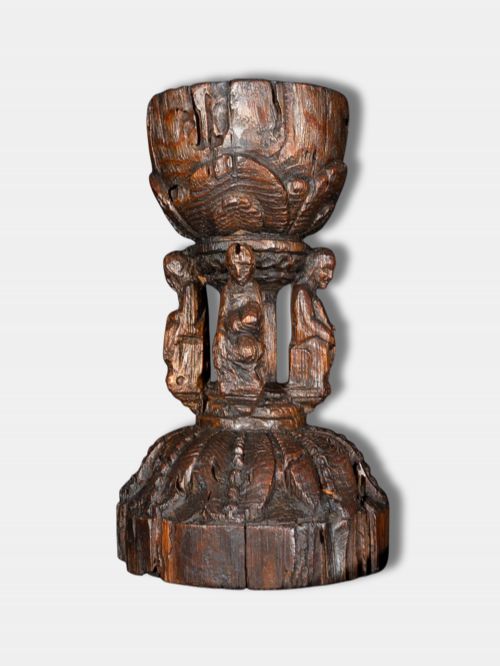
An antique oak vessel encompasses utilitarian containers shaped from sturdy timber, ranging from coopered buckets and barrels to carved chalices and grain bins. Buyers searching this phrase meet practical household items produced across the Georgian, Victorian, and Edwardian periods.
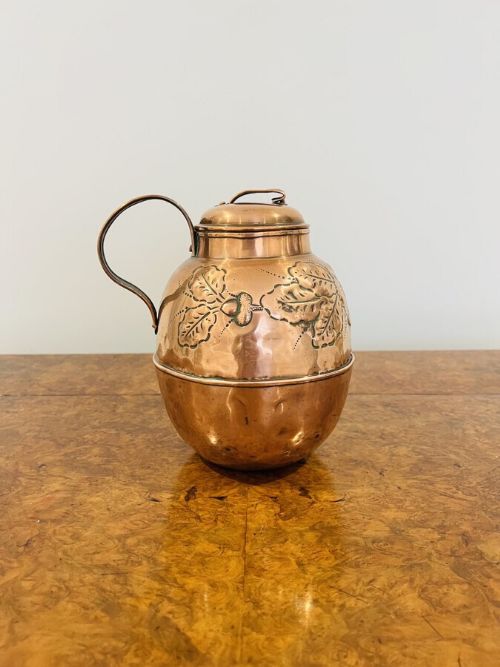
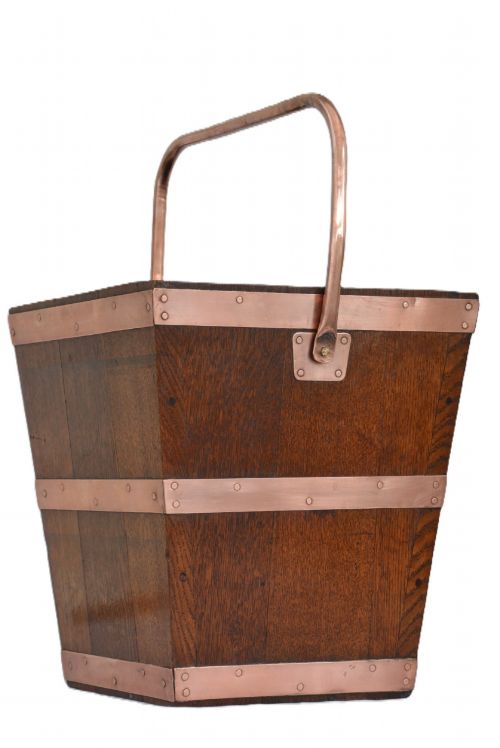
The selection here leans heavily towards coopered storage pieces, featuring brass-bound oak buckets, peat bins, and umbrella stands alongside rustic tubs and jugs. These items originated in domestic, maritime, and agricultural settings across England, France, Germany, and the Netherlands.
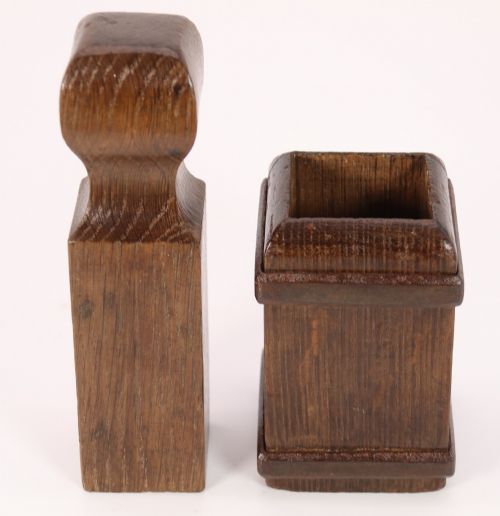
Forms vary from tall stick stands and well buckets to small butter tubs and treen containers, showing how solid wood served daily storage needs. Each piece reflects the utilitarian craftsmanship of past centuries adapted for modern decorative or functional use.
Materials and technique
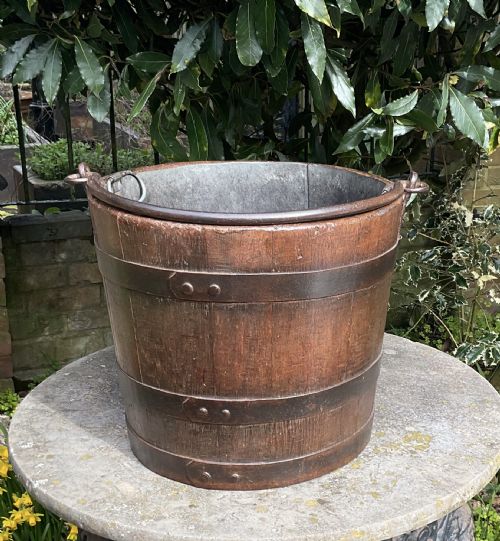
Makers utilised dense oak staves joined by skilled cooperage techniques to build watertight buckets, barrels, and tubs that withstand constant pressure. Metal bands in brass, iron, copper, and wrought iron secure the wooden construction, adding structural strength and visual contrast.
Surface finishes rely on the natural grain of the wood, sometimes paired with hand-forged metal mountings, turned treen elements, or carved details. The interaction between timber and metal defines the fabrication of these durable containers.
Some vessels served unusual domestic duties, including collecting wine dregs or housing truffle-hunting dogs' gear.
What varies in quality
Quality rests on the integrity of the cooperage work and the crispness of any turned or carved details in the oak. Tighter joints between staves and well-fitted metal hoops separate standard utility items from finer examples.
The preservation of original surface patination and authentic metal mounts dictates the standing of a piece within its type. Proportion and weight also influence the character of larger storage vessels and umbrella stands.
The Antique Oak Vessel Glossary
- Coopered
- Built from curved wooden staves bound together with hoops of metal or wood. This traditional technique formed liquid-tight barrels, buckets, and tubs.
- Treen
- Small handmade wooden household objects produced by turning on a lathe or carving. These items include containers, vases, and small domestic vessels.
- Peat bucket
- A specialised container designed to hold dried turf or peat fuel near a fireplace. These pieces often feature sturdy metal handles and brass bands.
- Stave
- A narrow strip of shaped wood with bevelled edges that forms the sides of a barrel or bucket. Multiple staves fit tightly together under tension from external hoops.
- Butter tub
- A small wooden vessel utilised for storing or churning butter in a domestic dairy setting. They frequently feature oval shapes and secure wooden or metal bindings.
Antique Oak Vessel: Frequently Asked Questions
How were coopered oak buckets used originally?
Coopered oak buckets served heavy domestic tasks such as carrying water from wells, holding coal by the hearth, or storing grain and butter.
Their robust construction allowed them to handle damp environments and heavy contents without structural failure.
What is the difference between a well bucket and a peat bucket?
Well buckets generally feature heavy iron or brass bails and sturdy metal banding designed to endure lowering into deep water sources.
Peat buckets tend to be decorative fireside companions intended for dry fuel storage within the principal rooms of a home.
How should I care for an antique oak vessel?
Keep wooden vessels away from direct heat sources and sudden temperature shifts to prevent the oak staves from shrinking and loosening their metal bands.
An occasional application of neutral wax helps maintain the surface sheen of the timber without sealing the pores.
How can I tell a Victorian oak vessel from a Georgian one?
Georgian pieces often display simpler, heavier utilitarian forms associated with country houses and agricultural storage, such as grain bins and early well buckets.
Victorian examples frequently incorporate polished brass bands, more ornate joinery, and specialised domestic forms like umbrella stands and Jersey cans.