




Antique Oak Table Box
When you search for an antique oak table box, you are looking at small, portable containers designed to sit on desks or tables, holding papers, books, or valuables.
Antique Oak Table Box
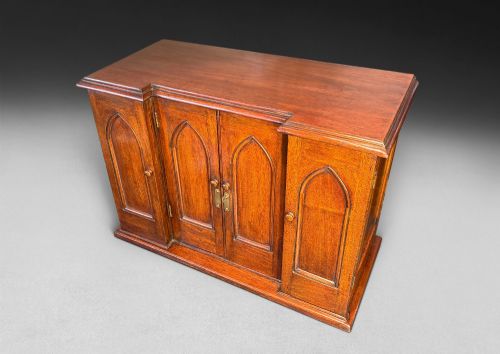
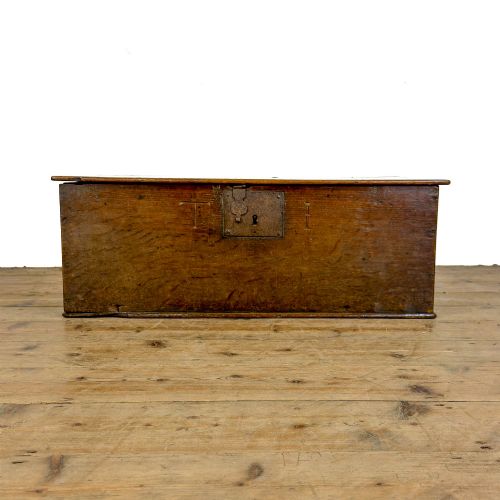
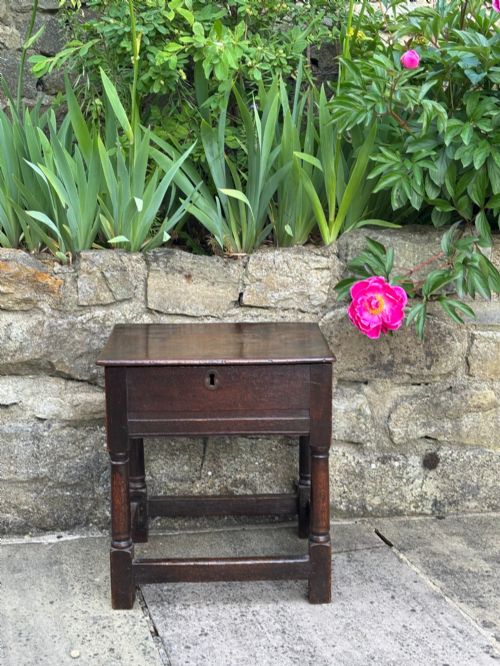
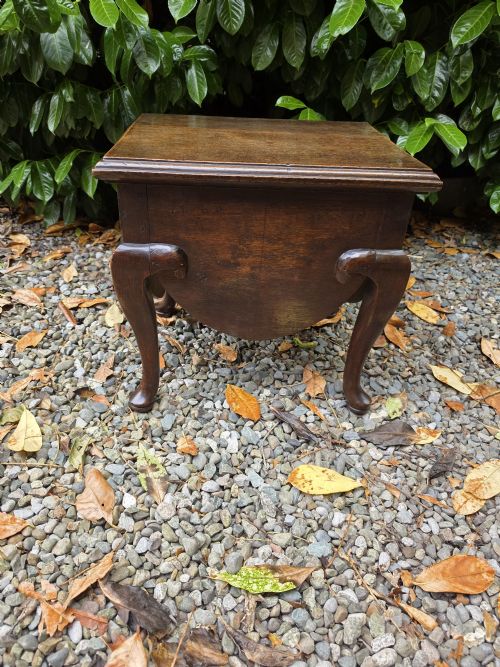
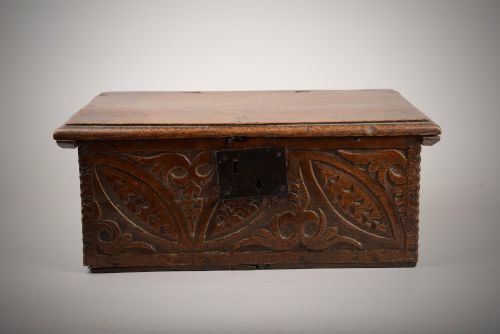
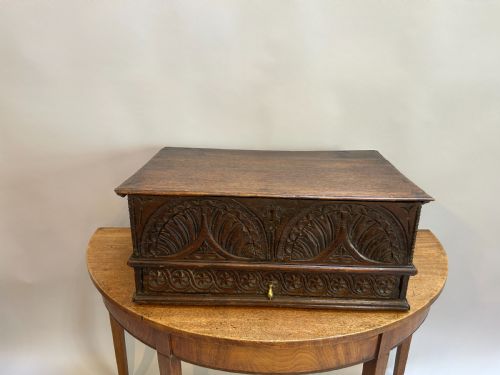
An antique oak table box is typically a sturdy, lidded wooden receptacle built to rest upon a larger surface such as a desk, table, or chest rather than stand on the floor. These pieces frequently date from the seventeenth and eighteenth centuries, often taking the form of bible boxes, slant-front desks, or small deed boxes.
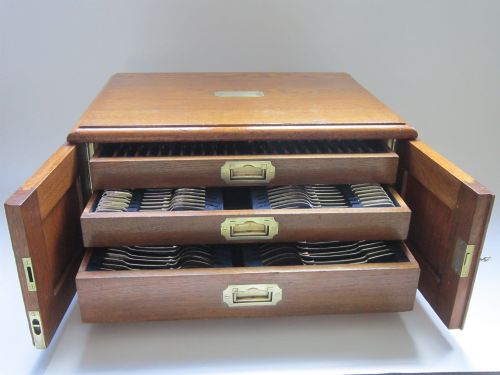
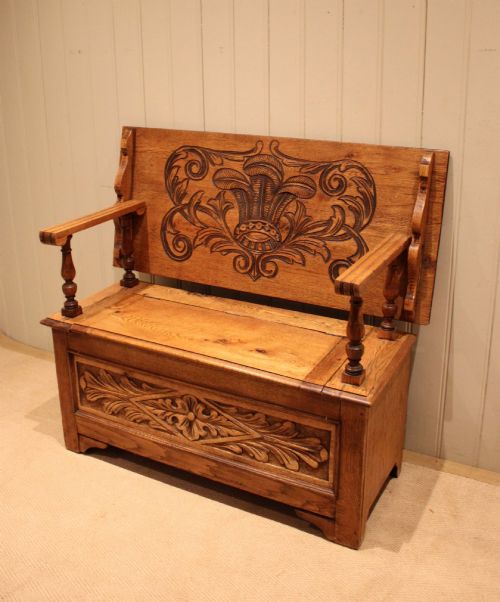
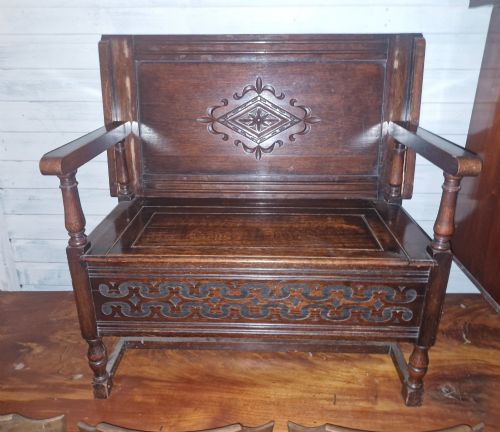
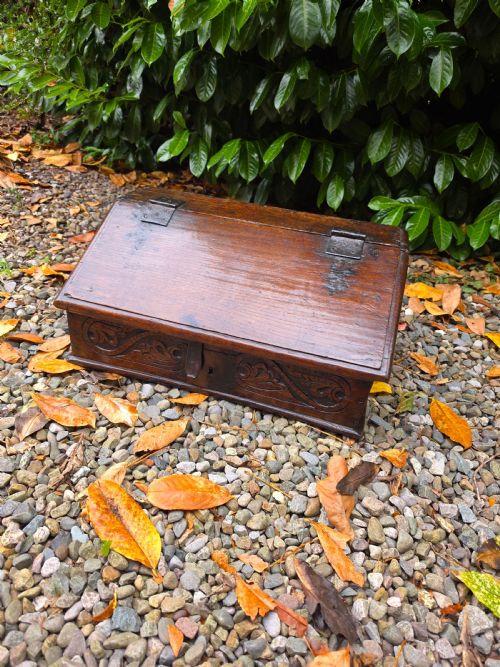
The versions most commonly met on this page include seventeenth-century bible boxes with hinged lids and eighteenth-century slant-front table desks, which were utilised for writing and document storage. Alongside these, buyers encounter variants featuring internal drawers, carved panels, or plain country construction reflecting vernacular British woodworking traditions.
How they were made
The primary material across these pieces is solid oak, frequently augmented with iron strap hinges, brass escutcheons, and occasionally velvet linings or silver-plated mounts on later Victorian iterations.
Construction techniques rely heavily on standard period joinery, including dovetail joints for corners, pegged mortise and tenon frames, and hand-sawn panels that display the natural medullary rays of quarter-sawn timber.
Several boxes still retain the carved initials and wedding dates of seventeenth-century owners, hidden proudly beneath their sloping lids.
What varies in quality
Quality in an antique oak table box is determined by the integrity of the timber selection, the crispness of any hand-carved decoration, and the survival of original hardware such as locks and hinges.
Higher quality examples display finely figured quarter-sawn oak, precise dovetailing, and original internal fittings like small drawers or compartments, whereas lesser pieces often show crude alterations, replaced hardware, or extensive timber replacement.
Gill & Reigate·Boothroyd Sons & Rimmer·Walker & Hall·Mappin & Webb
The Antique Oak Table Box Glossary
- Bible box
- A small wooden desk box designed originally to hold a family bible, typically featuring a sloping lid that served as a writing surface.
- Quarter-sawn
- A method of milling timber that cuts radially through the tree rings, producing a durable board with a distinctive flecked grain pattern common in quality oak furniture.
- Escutcheon
- A protective metal plate surrounding a keyhole, often fashioned from brass or iron on period boxes.
- Mortise and tenon
- An ancient joint method where a projecting peg on one piece fits snugly into a corresponding hole in another, securing the frame without metal fasteners.
Antique Oak Table Box: Frequently Asked Questions
What was an antique oak table box used for?
These boxes served multiple domestic and administrative functions, primarily functioning as secure receptacles for important documents, letters, and family bibles before purpose-built writing desks became common.
Citizens placed them on tabletops or chest lids to create a stable elevated surface for writing or reading, keeping valuable papers safe from household clutter and moisture.
How can I date an early oak box?
Dating relies on observing construction methods, such as the transition from hand-split boards and pegged joints in seventeenth-century pieces to machine-sawn timber and dovetails in later examples.
Stylistic cues like carved strapwork, initials, or dated panels inscribed by original owners also provide reliable benchmarks for determining the age of country-made items.
Where should I place a table box in my home?
Because of their compact proportions, these boxes suit placement on top of sideboards, chest of drawers, or larger desks where they add texture and historical character to a room.
They also function well on coffee tables or console tables, offering practical hidden storage for small modern items while displaying their aged timber surfaces.
Are these boxes usually made of solid oak?
The majority of period examples utilise solid native British oak throughout the primary case construction, occasionally incorporating secondary timbers like elm or pine for internal drawer linings and bases.
Inspectors will note that seventeenth and eighteenth-century variants rely entirely on solid timber, whilst nineteenth-century interpretations may introduce veneered surfaces or alternative secondary woods.