

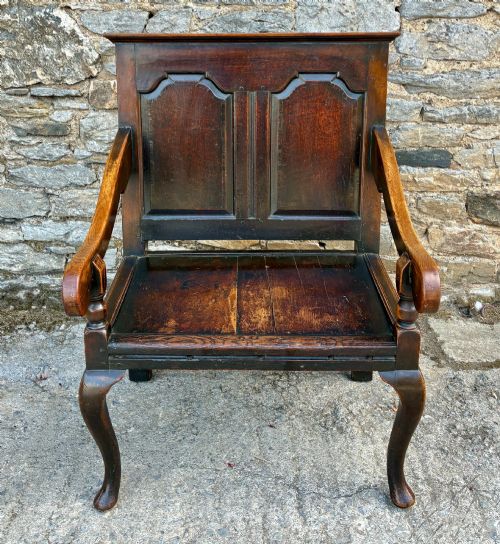

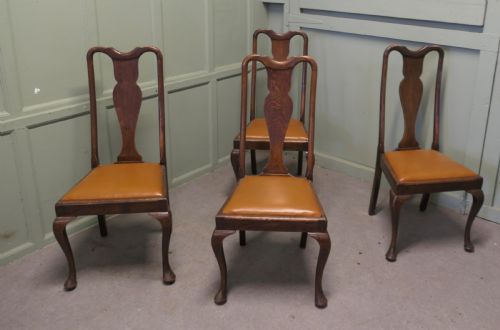
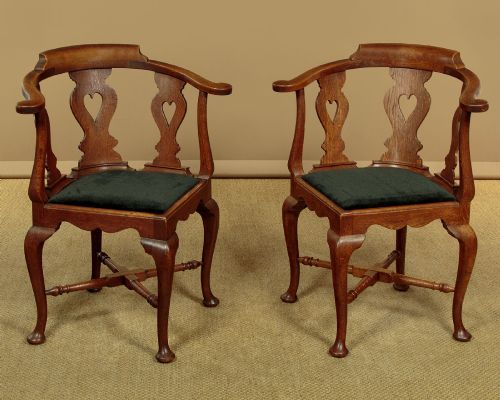


Antique Oak Cabriole Chairs
These antique oak cabriole chairs combine sturdy timber with sweeping leg forms, offering robust seating with sculptural curves.
Antique Oak Cabriole Chairs
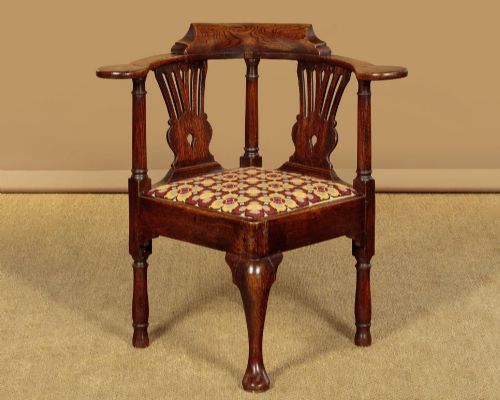
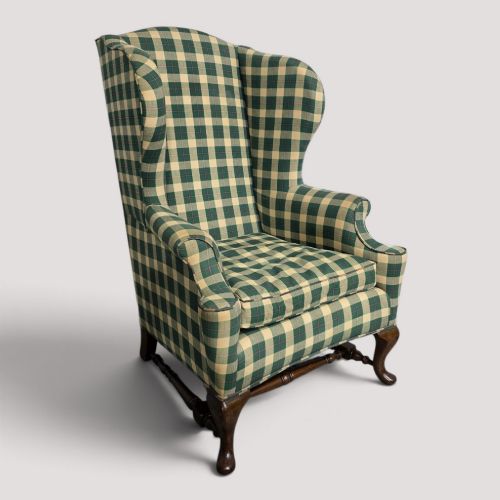
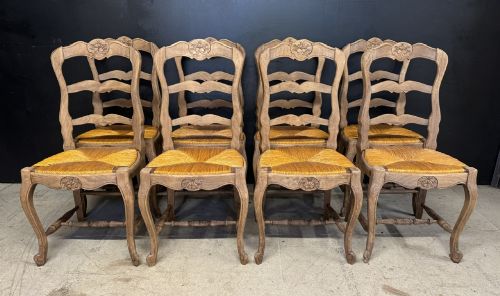
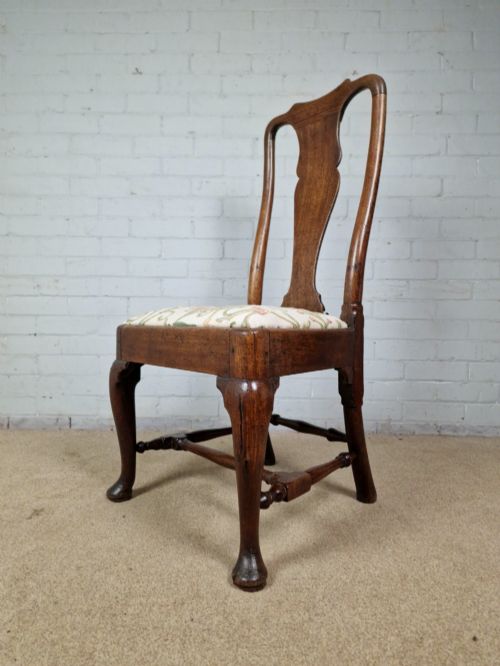
Antique oak cabriole chairs bring together sturdy timber frames and the distinctive double-curved leg originating in ancient furniture design. Buyers seeking antique oak cabriole chairs will encounter forms ranging from formal dining sets to corner armchairs and hall seating.
The selection on this page spans periods from the eighteenth century through to the Edwardian era and the early twentieth century. Styles vary widely, encompassing Georgian, Victorian, Queen Anne, and French provincial influences alongside regional English designs.
What varies in quality
Quality rests in the harmony of the timber selection and the precision of the carving on the frame. Better examples display clean execution in the sweeping lines of the cabriole leg and well-integrated joinery that respects the grain of the oak.
The integrity of the structural frame and the retention of original surface patination distinguish finer pieces from later reproductions or heavily altered examples. Original seating materials, whether solid wood, rush, or upholstery, contribute significantly to the character of each piece.
Antique Oak Cabriole Chairs Retail Price Guide 2026
Typical asking prices for oak cabriole chairs among the pieces listed under this phrase on Sellingantiques today, from the lower quarter to the upper quarter. They describe what is for sale here now, not the wider market.
Listings feature oak alongside elm, fruitwood, and yew wood, spanning Georgian, Victorian, and Edwardian periods.
The Antique Oak Cabriole Chairs Glossary
- Cabriole leg
- A furniture leg featuring a double curve, typically swelling outward at the knee and tapering inward to a foot. This design imitates animal limbs and became prominent during the early eighteenth century.
- Windsor chair
- A wooden chair constructed with a solid saddle-shaped seat into which the legs and back spindles are separately bored. Regional variations include Thames Valley and wheel back designs.
- Settle
- A wooden bench with a high back, solid arms, and enclosed storage or seating base. They provide draught-proof seating in traditional settings.
- Bergère chair
- An enclosed upholstered armchair with wooden framing exposed around the sides and back. French provincial examples often incorporate canework.
- Crewel work
- Embroidery executed in wool on a sturdy fabric ground, frequently seen on historical chair seats. It introduces textured patterns to wooden frames.
Antique Oak Cabriole Chairs: Frequently Asked Questions
What periods do these chairs come from?
The pieces span the eighteenth century, the Victorian era, the Edwardian period, and early twentieth-century revivals. Georgian and eighteenth-century examples sit alongside later nineteenth-century interpretations.
Craftsmen across these eras adapted earlier styles like Queen Anne and George II, producing variations in oak, fruitwood, and yew.
How do I identify a cabriole leg?
A cabriole leg curves outward at the top knee and then curves inward toward the foot. This double curve mimics animal limbs and provides a distinct silhouette.
On these chairs, the leg flows down from the oak frame without straight vertical lines.
Are these chairs suitable for daily dining?
Many examples are dining chairs, hall chairs, or kitchen chairs intended for regular use. Sets of multiple chairs offer matching seating for dining tables.
Buyers should consider seat heights and upholstery types like rush or leather when selecting chairs for daily living spaces.
What woods are used besides oak?
While oak forms the primary structural timber, other woods appear across the listings. Elm, fruitwood, yew wood, and occasional secondary timbers are integrated into specific parts like chair backs and seats.
These varied woods reflect regional English and continental European building traditions.