


Antique Oak Box Chair
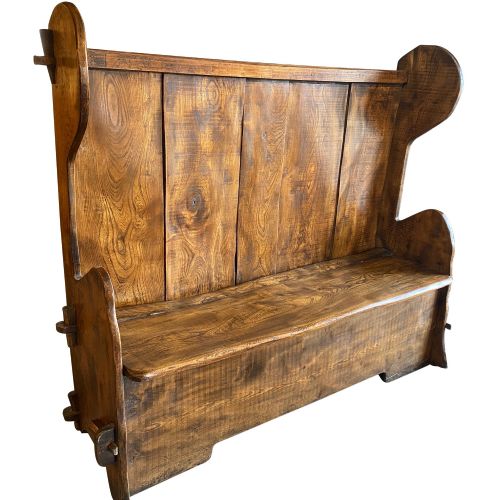
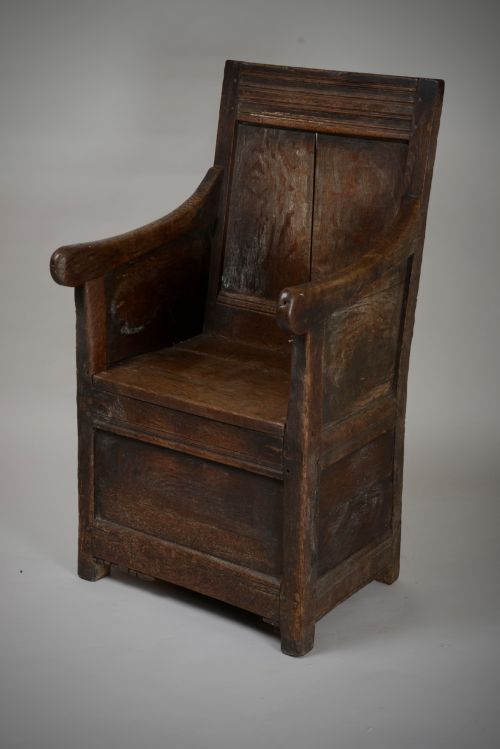
An antique oak box chair brings centuries of vernacular practicality into a modern room, offering hidden storage beneath a solid seat.
Antique Oak Box Chair
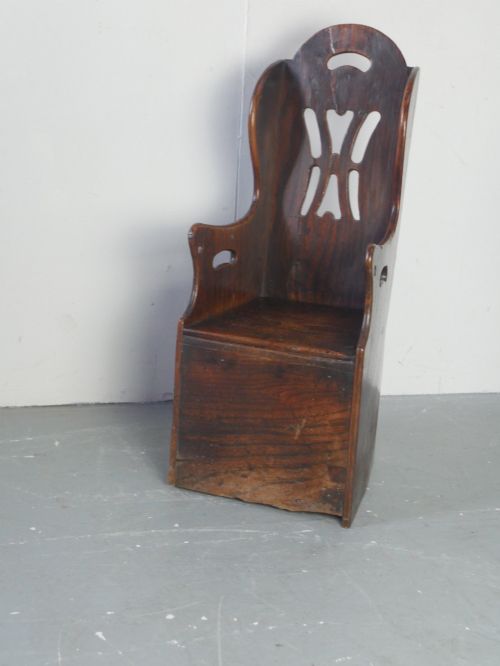
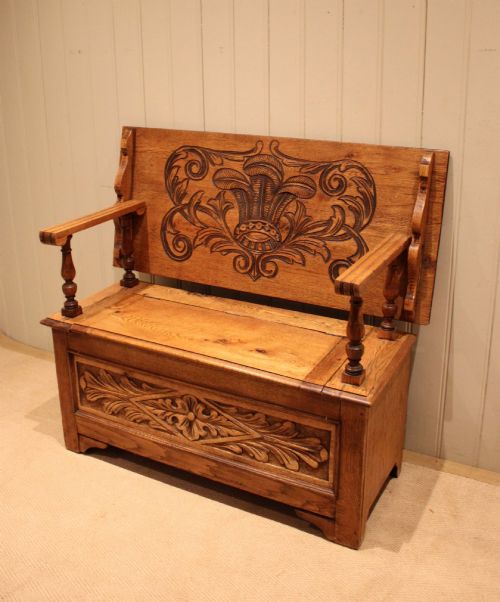
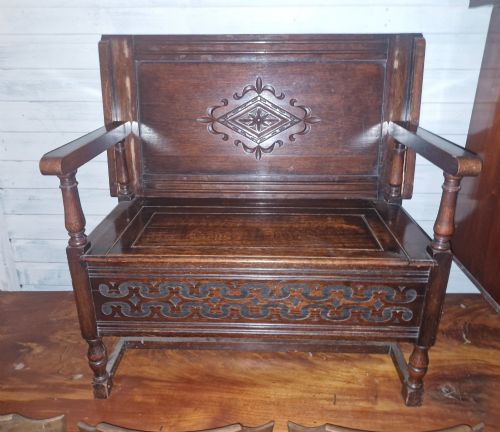
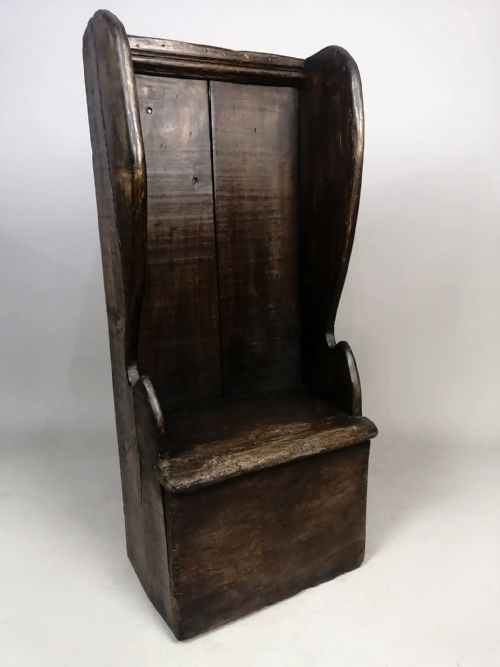
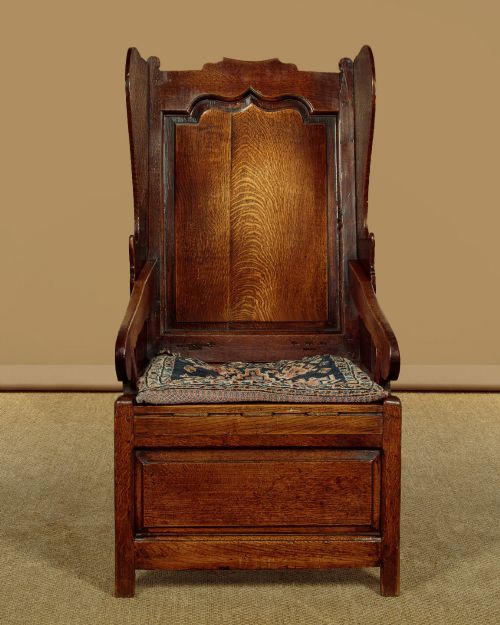
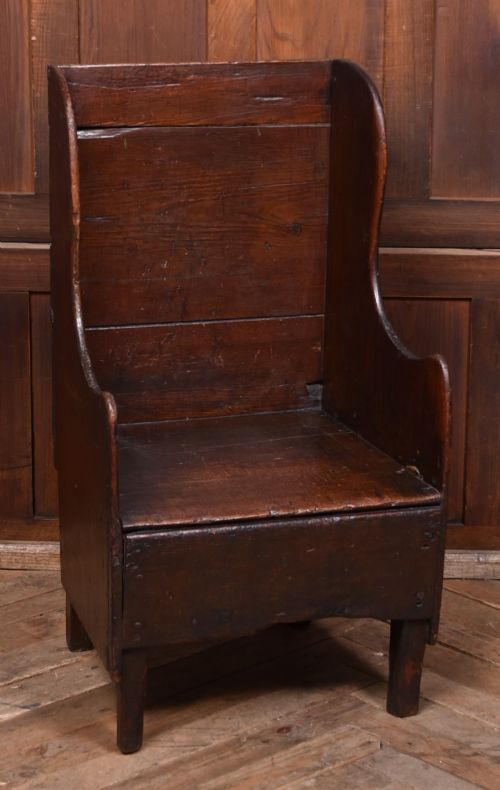
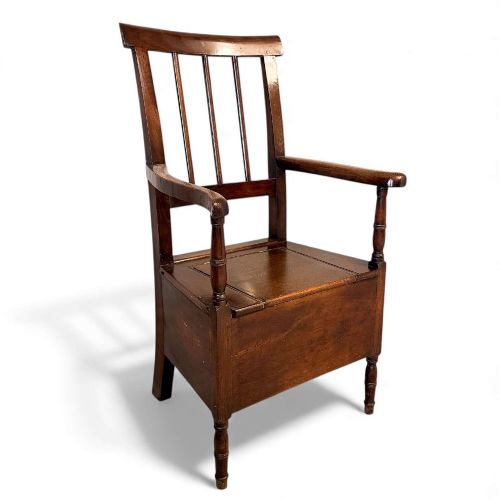
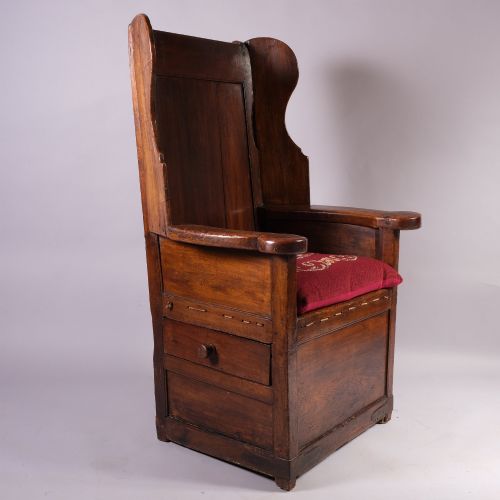
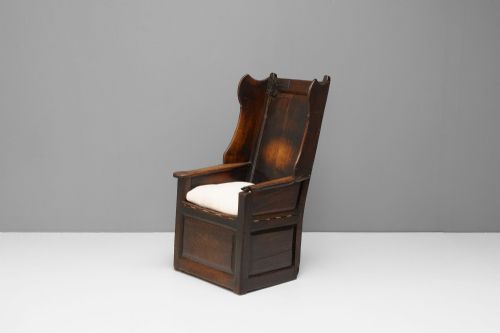
When you search for an antique oak box chair, you encounter a robust form of seating designed with an integrated storage compartment beneath the seat, which also includes variants like commodes, monks benches, and lambing chairs.
The pieces appearing on this page span several centuries, reaching back to the sixteenth century and extending through the seventeenth, eighteenth, and nineteenth centuries into revival pieces from the early twentieth century.
Materials and construction methods
Makers utilised native hardwoods, predominantly oak alongside elm, fruitwood, and walnut, selecting timber for strength and local availability.
Joinery methods relied on traditional pegging, framing, and solid board construction to build heavy box bases capable of enduring daily household use.
The listings span from the sixteenth century through the Georgian era up to 1920, predominantly featuring oak and elm alongside walnut and fruitwood.
Judging quality and integrity
The distinction between ordinary and superior pieces rests on the integrity of the timber, the restraint of later alterations, and the crispness of surviving vernacular joinery.
Proportion and surface patina dictate the visual weight of the chair, separating straightforward utility pieces from those possessing finer regional character.
The Antique Oak Box Chair Glossary
- Box chair
- A form of seating featuring a hollow wooden base beneath the seat for storage. This enclosed design protected the user from cold drafts in early domestic interiors.
- Lambing chair
- A traditional high-backed armchair featuring solid wings to shield against draughts, often incorporating a concealed box compartment beneath the seat. These were traditionally used by shepherds or near hearths.
- Commode chair
- A piece of seating furniture enclosing a chamber pot within a box base or under a removable seat. Early examples often date to the seventeenth and eighteenth centuries.
- Monks bench
- A convertible form of furniture featuring a hinged back that folds down onto the arms to transform the seat into a table. Revival examples frequently appear from the early twentieth century.
- Vernacular
- Furniture built by local country joiners using regional traditions rather than following metropolitan fashion. These pieces prioritize sturdy utility and local materials.
Antique Oak Box Chair: Frequently Asked Questions
What is an antique oak box chair?
An antique oak box chair is a historic seat built with a hollow, enclosed base beneath the cushion or board for domestic storage.
These pieces range from early enclosed armchairs and lambing chairs to later hall seats and commodes.
How were box chairs used?
They served as dual-purpose household furniture, providing a place to sit while keeping personal items, linens, or fuel safely stored inside the base.
In agricultural settings, variations like lambing chairs offered shelter from cold draughts near open hearths.
Where were these chairs made?
Makers constructed them across various regions, including English, Welsh, and Scottish workshops, utilising locally available timber.
Regional differences often show in the shaping of the wings, panels, and arm supports.
How do I date an oak box chair?
Dating relies on examining construction techniques, tool marks, timber shrinkage, and stylistic vernacular details appropriate to specific centuries.
Earlier examples from the sixteenth and seventeenth centuries display heavy frame-and-panel building methods, while later pieces adopt simpler board construction.
Can I use one in a modern home?
Their sturdy construction and built-in storage make them practical for hallways, living rooms, or bedrooms.
The enclosed base provides useful concealed storage for everyday items while adding historic character to a room.