




Antique Nursery Seat
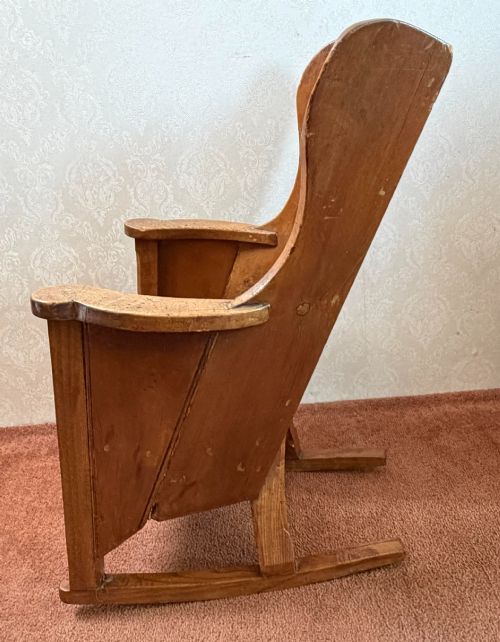
An antique nursery seat brings exceptional craft and diminutive scale into a room, offering historians and collectors intimate domestic objects built for children.
Antique Nursery Seat
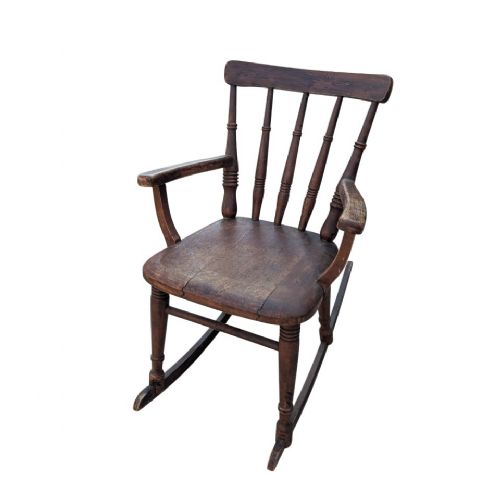
When you search for an antique nursery seat, you encounter smaller domestic furnishings designed specifically for young occupants across the Georgian, Victorian, and Edwardian periods.
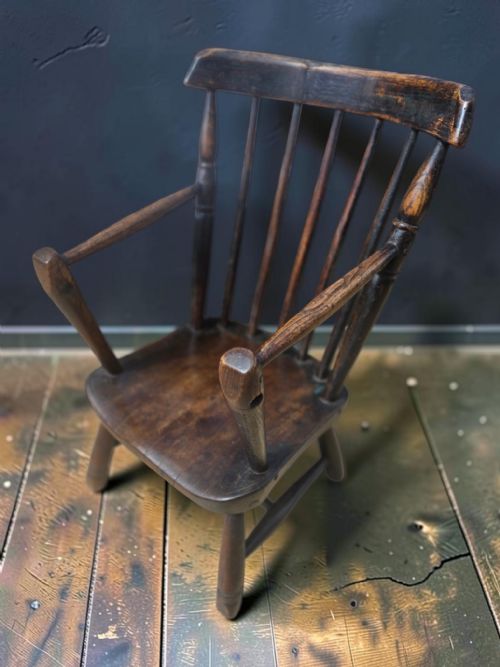
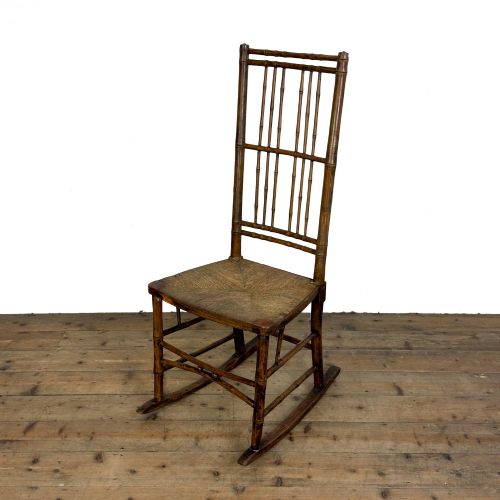
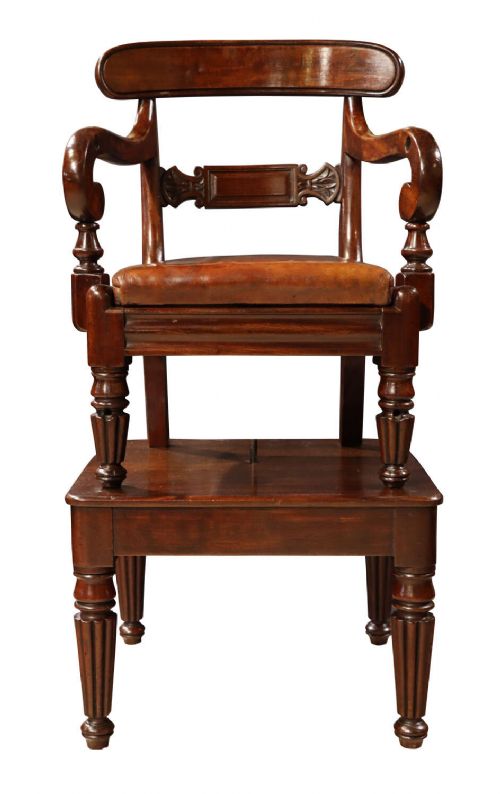
The selections span functional highchairs, rocking chairs, Windsor armchairs, and low stools, constructed in formats ranging from rustic country seating to formal mahogany library chairs scaled down for children.
Makers produced these pieces using traditional regional idioms, evident in Swedish painted benches, West Country vernacular forms, and refined metropolitan rosewood or walnut armchairs.
Materials and construction methods
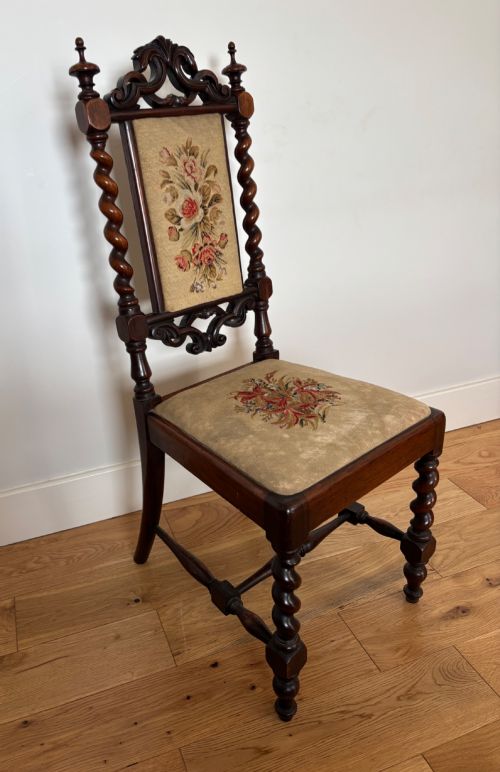
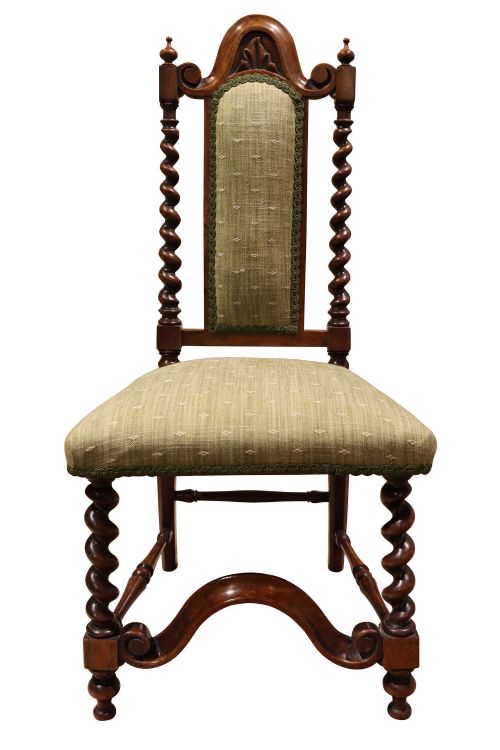
Cabinetmakers and rural joiners utilised native hardwoods such as mahogany, walnut, elm, ash, and yew wood, often turning spindles, legs, and barley twist supports on a lathe.
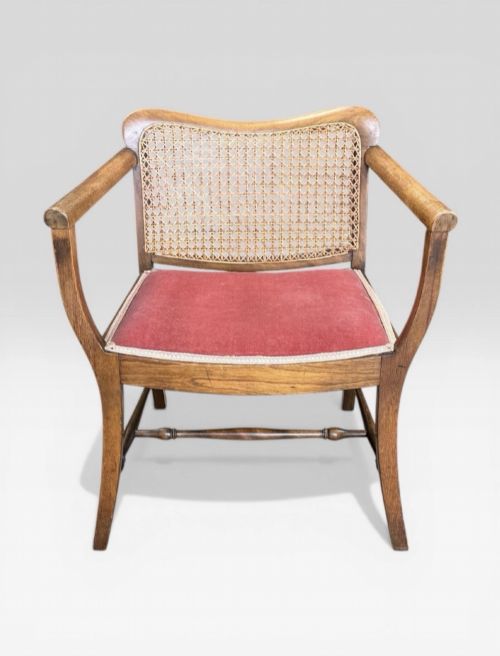
Seating surfaces relied on flexible natural materials, incorporating woven cane, rush, and split cane bergere panels to provide resilient support within wooden frames.
Metropolitan workshops employed sophisticated upholstery techniques, finishing select frames with buttoned leather, while country makers relied on pegged joints and steam-bent components.
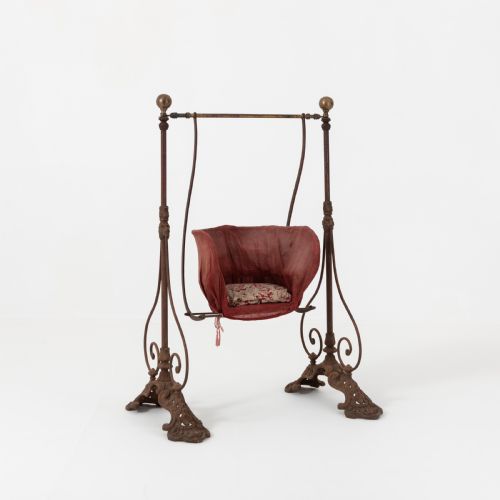
Cast iron nursery swings provided Victorian infants with indoor motion long before modern playground equipment entered the domestic parlour.
Distinctions in construction and design
The hierarchy of quality rests upon the selection of timber and the ambition of the joinery, distinguishing sturdy utilitarian pieces from sophisticated examples featuring carved rosewood or inlaid mahogany.
Proportion and execution define the better pieces, where turnings remain crisp, canework is neatly woven, and structural alterations are absent from the original frame.
James Shoolbred·Liberty of London
The Antique Nursery Seat Glossary
- Bergere
- A closed armchair with a cane back and seat panels. This French-inspired form frequently appears in Victorian walnut and mahogany children's seating.
- Windsor
- A wooden chair constructed with fitted spindles inserted into a solid sculpted seat. Elm and yew wood examples from the Georgian period demonstrate this traditional technique.
- Barley twist
- A decorative turning resembling a twisted rope. Cabinetmakers utilised this carving style on the uprights and legs of Victorian chairs.
- High chair
- An elevated seat designed to place a child at table height. Metamorphic versions convert into low chairs or play tables.
Antique Nursery Seat: Frequently Asked Questions
How were these chairs used daily?
Families utilised these diminutive seats for feeding, schooling, and quiet play within the nursery or family parlour. Highchairs kept infants secure at table height during meals.
Rocking chairs and low Windsor armchairs provided comfortable seating near the hearth, built to withstand active daily use by young children.
How do I date an antique nursery seat?
Dating relies upon examining the timber species, turning styles, and structural assembly methods characteristic of specific eras. Georgian examples often feature elm or yew wood Windsor construction.
Victorian pieces frequently display walnut frames, barley twist turnings, or cane bergere panels, while Edwardian versions incorporate refined mahogany and inlay work.
Are cane seats original on these chairs?
Many surviving chairs retain their original woven cane or rush work, though fragile materials frequently required re-weaving over the decades. Close inspection of the surrounding wooden rebate reveals whether the caning technique matches the period of the frame.
Expertly executed repairs using traditional materials help maintain the historical integrity of nineteenth-century seating.
Can I use these chairs in a modern room?
These small-scale seats integrate easily into contemporary interiors as decorative accents or display pieces for dolls and textiles. Their diminutive proportions make them suitable for hallways or bedroom corners.
Collectors often place them alongside larger period furniture to highlight the domestic scale of past centuries.