




Antique Nude Study
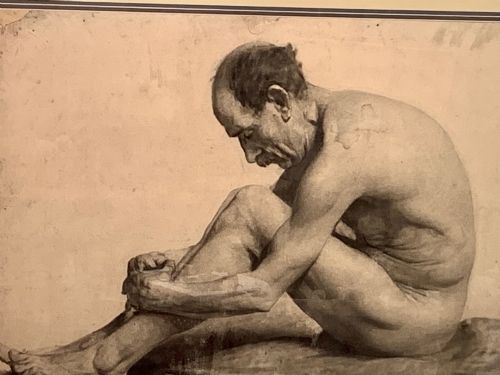
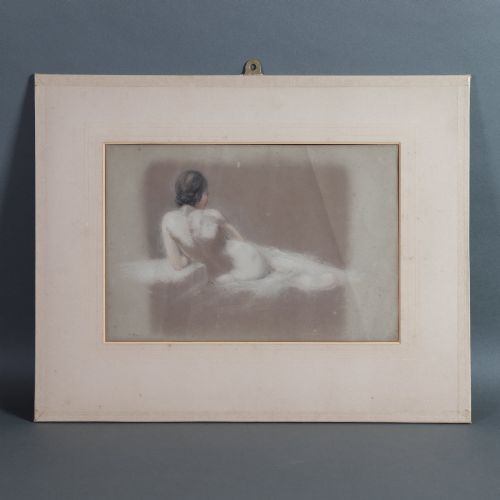
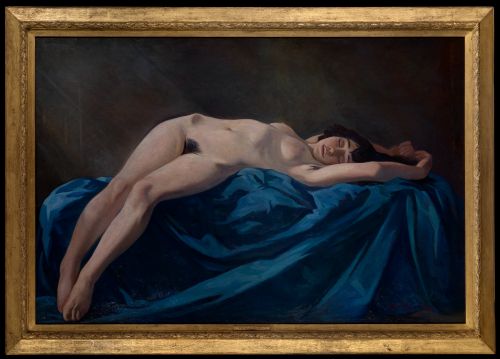
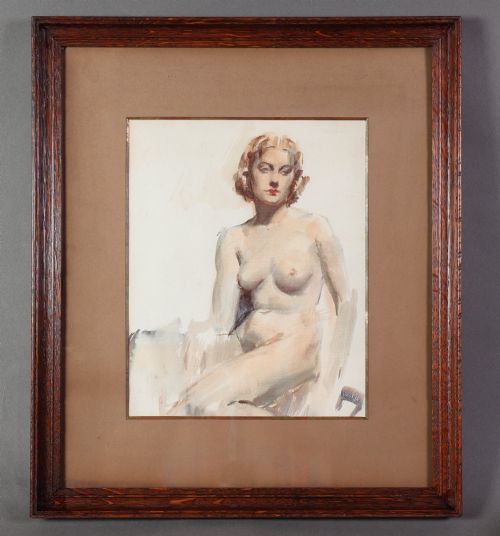
An antique nude study captures the human form with precise draughtsmanship and sculptural grace, offering collectors a direct window into classical training and artistic discipline.
Antique Nude Study
An antique nude study encompasses framed drawings, oil paintings, and bronze sculptures created to explore human anatomy and form. These works emerge from rigorous academic traditions and stylistic movements spanning several centuries.
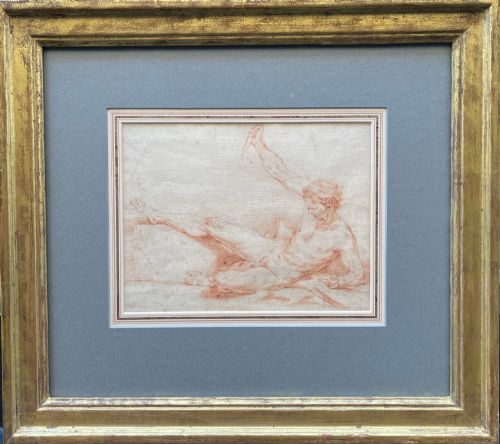
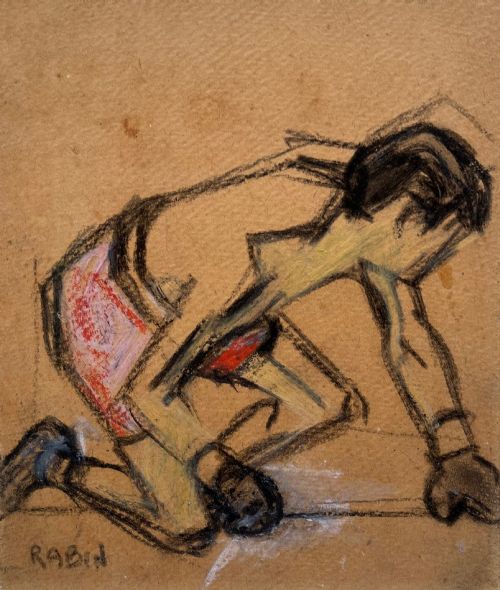
Collectors frequently encounter works executed in pencil, charcoal, red chalk, or oil on canvas and paper. These pieces range from rapid life class sketches to finished academic submissions for institutional prizes.
The selections on this page bridge historical periods from the eighteenth century through to the mid-twentieth century. They reflect both British and continental European schools of draughtsmanship and sculpture.
Materials and techniques
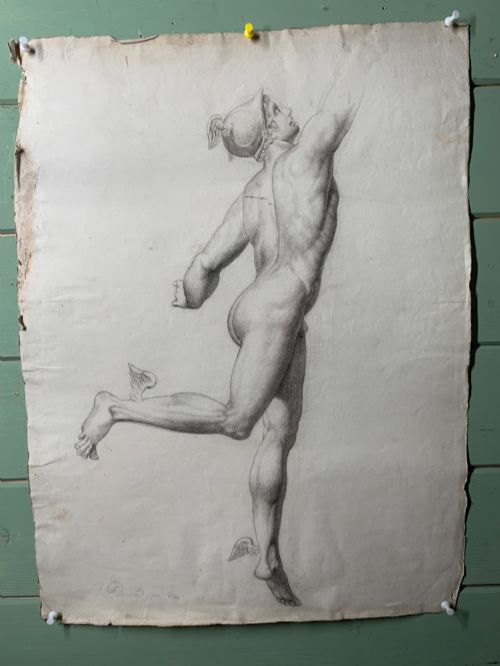
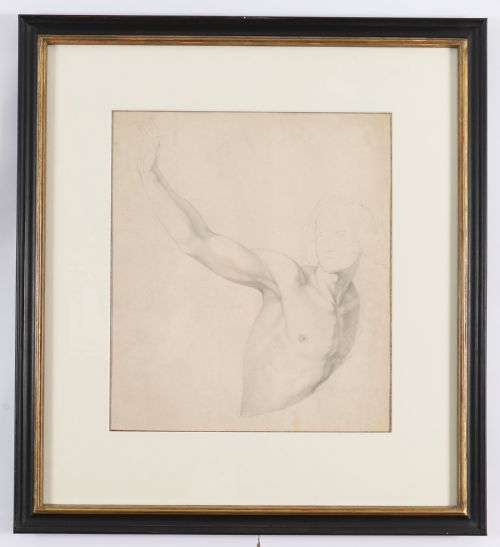
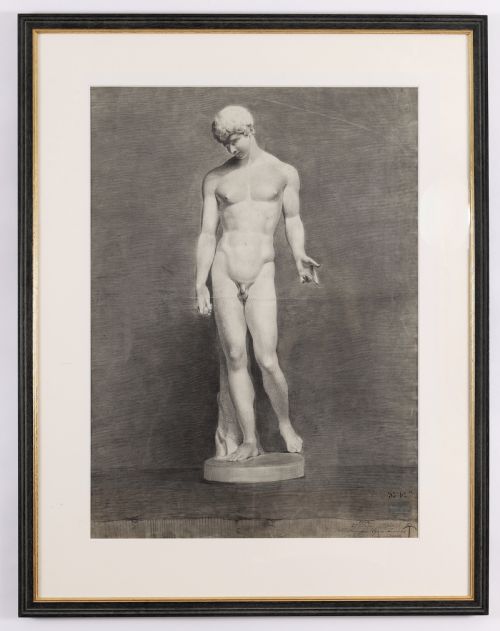
Artists relied on foundational dry media such as graphite, charcoal, and red chalk on paper to build tone and musculature through careful hatching and blending. These works often began as direct observations from a live model in an academy setting.
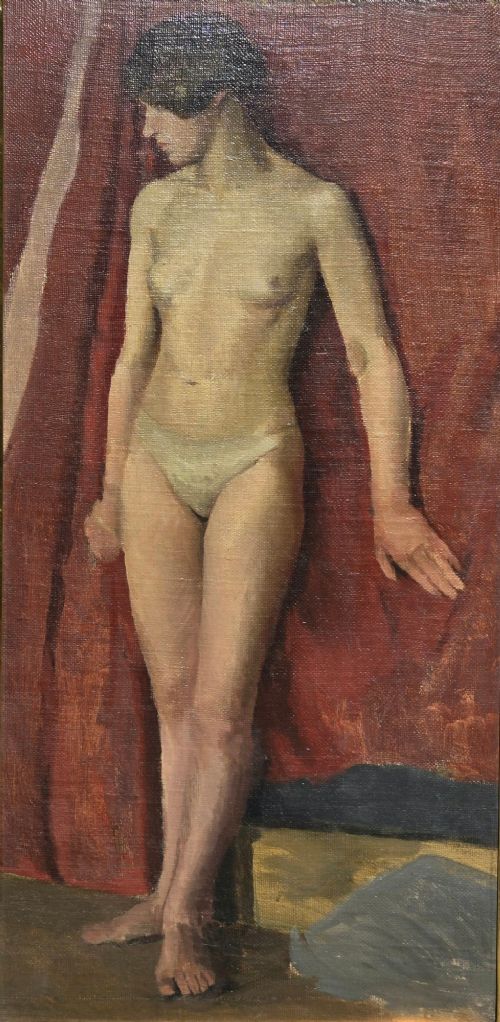
Oil painters utilised canvas and wood panels, applying pigments in glazes or impasto to capture light across the skin. Sculptors cast figures in bronze or shaped parian porcelain, translating two-dimensional anatomical understanding into three dimensions.
Several drawings feature studies drawn on both sides of the sheet, as students recycled precious paper to capture one more pose.
Defining distinctions
Quality rests upon the artist's command of proportion, skeletal structure, and the subtle play of light and shadow across muscle and bone. Superior pieces demonstrate confident, fluid lines that convey weight and tension without hesitation.
Provenance and documentation elevate certain examples, particularly those linked to specific academic submissions, Grand Prix de Rome entries, or recognised ateliers. The preservation of the paper or medium, alongside period framing, also influences the standing of a piece.
William Etty·Eric Robertson·Hyacinthe Colin de Vermont·Julian Mandel·Henry Arthur Roberts·Alexandre Louis Martin·Allan Douglas Davidson·Demetrios Galanis·Hector Lemaire·James Clark·William Edward Frost·Peter Paul Rubens·Winifred Eugene Ballard·Bruno Zach·Montagu Barstow·Henry Bird·Harry Epworth Allen·Christian Landenberger·Emmery Rondahl·L Ducourant·Curt Ruger
The Antique Nude Study Glossary
- Academic Realism
- A style of painting and sculpture produced under the influence of European academies of art, emphasising traditional techniques and anatomical accuracy. It forms the backbone of many historical life studies.
- En Grisaille
- A method of painting executed entirely in shades of grey or neutral monochrome. This technique often served as a preparatory exercise for sculptors or printmakers.
- Parian Porcelain
- A fine-grained type of bisquit porcelain resembling white marble, developed in the nineteenth century. It was frequently utilised for small-scale classical and mythological figures.
- Recto and Verso
- Terms denoting the front and the back of a single sheet of paper or panel. Drawings often appear on both sides when paper was scarce or used for progressive studies.
- Grand Prix de Rome
- A prestigious French scholarship for arts students that required rigorous submissions of historical and mythological subjects. Surviving entries display advanced academic draughtsmanship.
Antique Nude Study: Frequently Asked Questions
What is an academic life study?
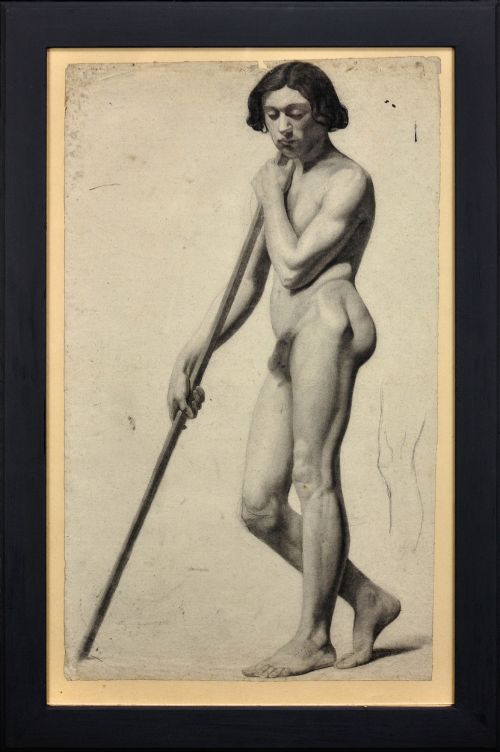
An academic life study is a drawing or painting executed from a live model within a structured art school or academy setting. These exercises taught students how to render proportion, shadow, and muscle tone accurately.
Such works often bear the marks of intensive instruction, capturing the human figure through deliberate charcoal, pencil, or oil techniques.
How were bronze nude sculptures finished?
Bronzes were cast using traditional methods such as the lost-wax technique, then patinated with chemical treatments to achieve various surface colours. Artisans chased and polished the metal to highlight musculature and contours.
These pieces were frequently mounted on stable bases or pedestals to display small-scale figures in domestic or institutional spaces.
Why are red chalk drawings significant?
Red chalk, or sanguine, allowed artists to achieve warm, flesh-like tones and delicate tonal gradations on paper. It was a favoured medium for preparatory sketches and anatomical studies during the eighteenth and nineteenth centuries.
The resulting drawings offer direct insight into the preparatory stages of major compositions and classical reproductions.
How do I care for antique works on paper?
Works on paper require protection from direct sunlight and high humidity to prevent fading and foxing. Framing under ultraviolet-filtering glass with acid-free mounts preserves the integrity of charcoal, graphite, and chalk.
Keeping these delicate pieces in stable indoor environments ensures the medium remains secure on its historical support.