



Antique Novelty Jewellery
These pieces of antique novelty jewellery capture life in miniature, offering clever conversation starters crafted from precious metals and gemstones.
Antique Novelty Jewellery
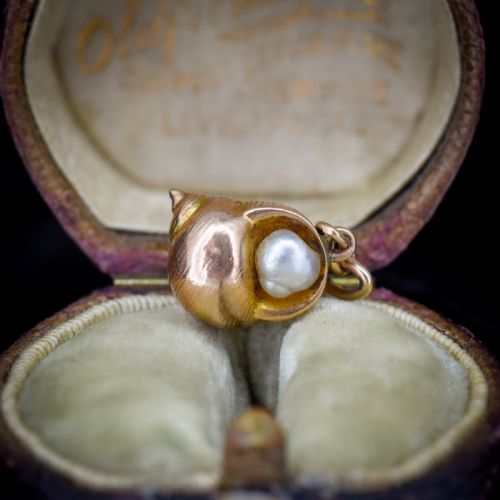
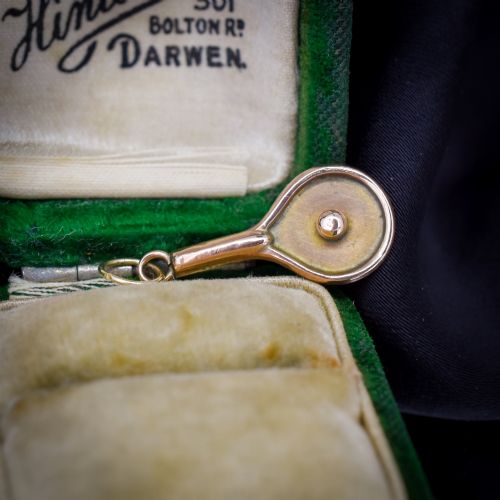
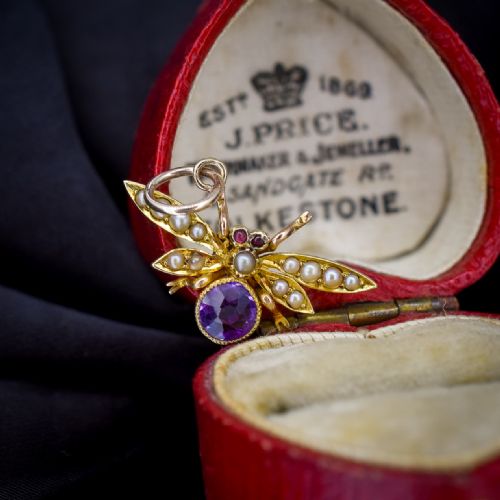
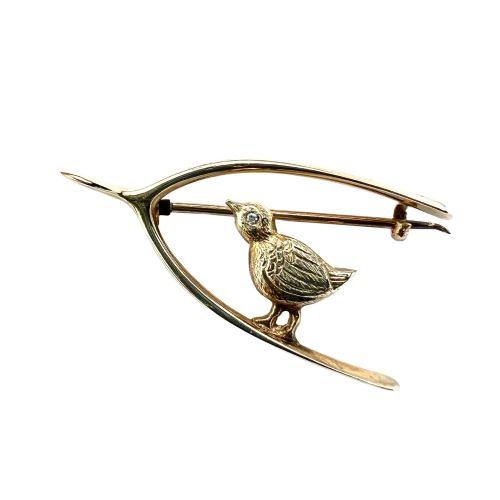
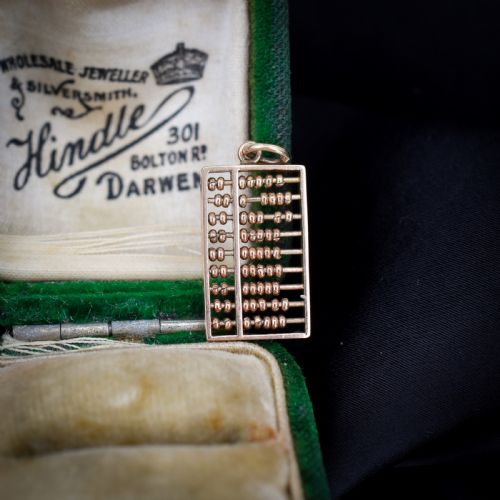
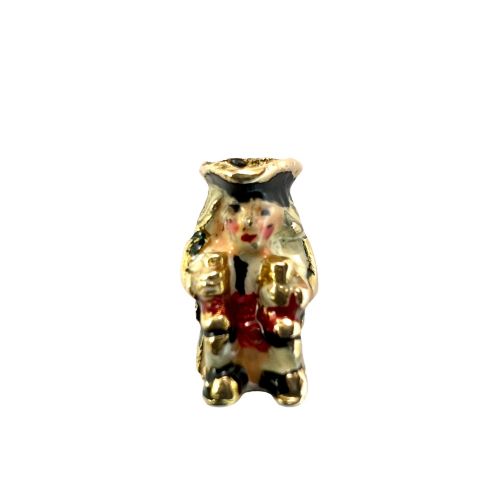
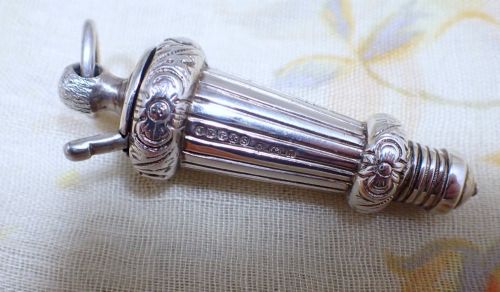
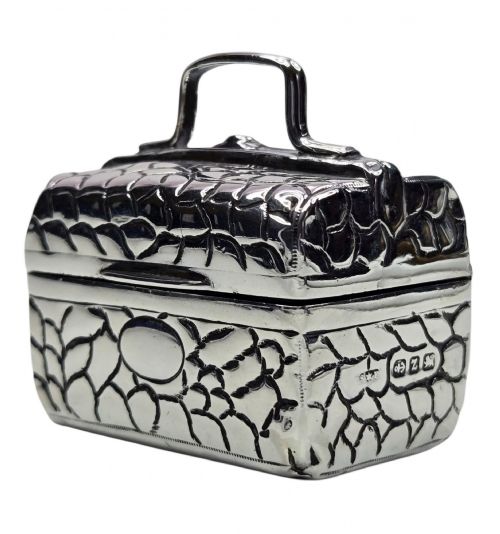
Antique novelty jewellery encompasses clever wearable pieces and miniature boxes shaped like animals, insects, sports equipment, and everyday items. These ingenious items include detailed charms, articulated pendants, intricate brooches, and small trinket containers designed to amuse.
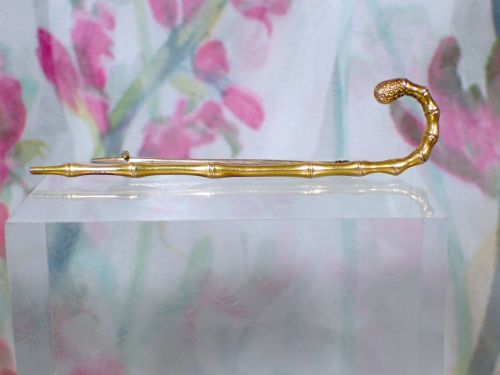
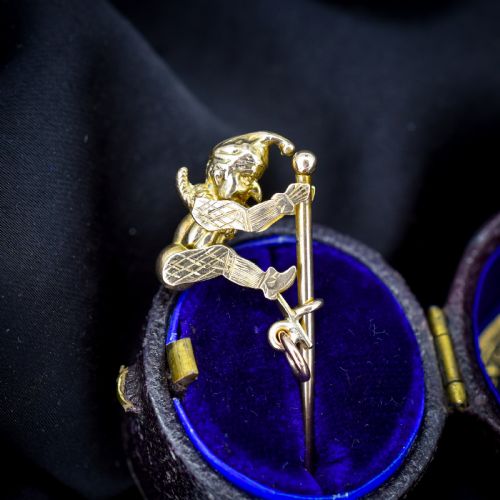
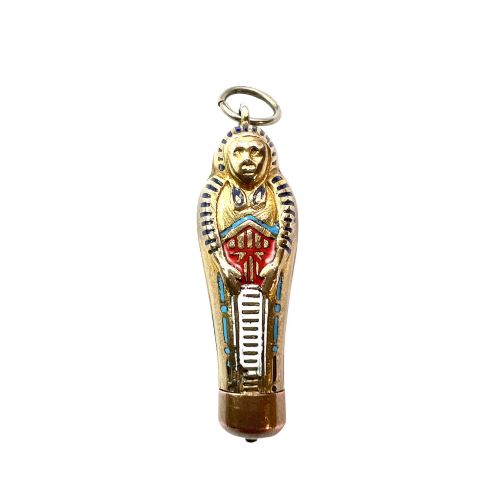
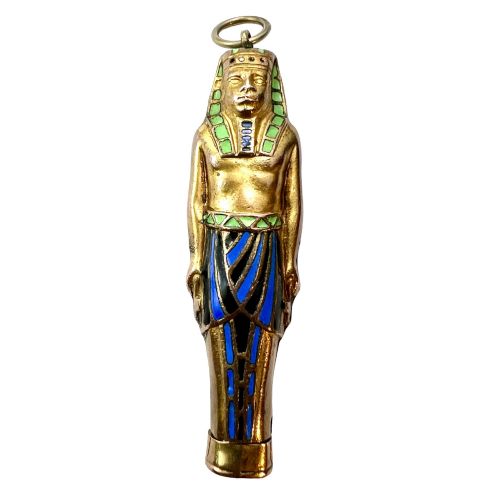
The versions most commonly met on this page originate from the Victorian, Edwardian, and Art Deco eras. Pieces take the form of tennis rackets, walking sticks, bugs, birds, and Egyptian sarcophagi pendants.
Makers shaped silver and gold into recognisable objects, often incorporating diamonds, rubies, pearls, and enamel to render realistic textures. Collectors encounter these humorous and charming designs configured as hat pins, watch fobs, stick pins, and charms.
How they were made
Craftsmen built these items using silver, sterling silver, and various grades of gold, including nine carat, fifteen carat, and yellow gold. Many examples combine pressed brass or gilt brass with natural materials like mother-of-pearl, coral, and shell.
Surface decoration relies heavily on polychrome enamel to render realistic feathers, shells, and insects in vivid shades. Gemstones such as diamonds, rubies, sapphires, emeralds, moonstones, and peridots punctuate the metals to highlight eyes or decorative motifs.
Construction techniques involve delicate soldering, chasing, and stone-setting, alongside mechanical elements like sliding actions or working wheels. Enamelling requires precise firing to bond glass powder to metal bases without cracking intricate miniature components.
The listings demonstrate a strong presence of silver and nine carat gold across Edwardian and Victorian animal and insect charms.
What varies in quality
Quality rests upon the crispness of the casting and the realism achieved in miniature form. Master jewellers sculpted subjects like crocodiles, ducks, and frogs with anatomical precision and lively expressions.
The choice and execution of embellishments separate superior items from standard production. Skillfully applied enamelwork, well-matched diamond or ruby pavé settings, and integrated functional elements like sliding mechanisms elevate a piece.
The integrity of the metalwork and the preservation of delicate applied details dictate desirability. Pieces retaining all original stones and undamaged enamel demonstrate the enduring skill of the original workshops.
Charles Horner·Hamilton and Co
The Antique Novelty Jewellery Glossary
- Novelty jewellery
- Miniature wearable items shaped to resemble familiar objects, animals, or pastimes. They often incorporate hidden compartments or moving parts.
- Propelling pencil
- A mechanical writing instrument that advances a lead core through a rotating mechanism. Miniature versions frequently double as pendants or fobs.
- Watch fob
- A short chain or ribbon attached to a pocket watch, often adorned with an ornamental seal or novelty charm. Collectors now wear them as pendants.
- Bar brooch
- A slender horizontal metal pin designed to fasten garments securely. These pieces frequently mount insects or sporting equipment across the centre.
- Articulated
- Constructed with joints or hinges that allow parts of the piece to move. This technique brings charm and realism to miniature animals and sliding pendants.
Antique Novelty Jewellery: Frequently Asked Questions
How were novelty charms worn?
These miniature charms hung predominantly from charm bracelets, chatelaines, or heavy split rings attached to pockets or waistbands. Many items served dual purposes as pendants or decorative fobs suspended from chains.
Victorian and Edwardian wearers enjoyed displaying collections of personal interests and humorous tokens dangling from their attire. The small scale allowed multiple pieces to be worn together without overwhelming the garment.
How do I date these pieces?
Dating relies heavily on hallmarks, metal standards, and stylistic markers specific to the Victorian, Edwardian, and Art Deco periods. Assay office stamps and maker marks provide precise years for hallmarked silver and gold pieces.
Stylistic cues such as platinum use, geometric Art Deco lines, or naturalistic Victorian insect motifs help narrow down the decade of manufacture. Comparing the construction techniques to dated examples in the archive confirms the era.
How do I care for antique novelty items?
These delicate items require gentle handling due to their intricate moving parts, enamel surfaces, and small gemstones. Avoid ultrasonic cleaning cleaners, as vibrations can loosen fragile stones or damage applied enamel.
Store pieces individually in lined boxes to prevent scratches between protruding elements like legs, wings, or sporting equipment. Professional cleaning should only be undertaken by specialists familiar with antique jewellery.